

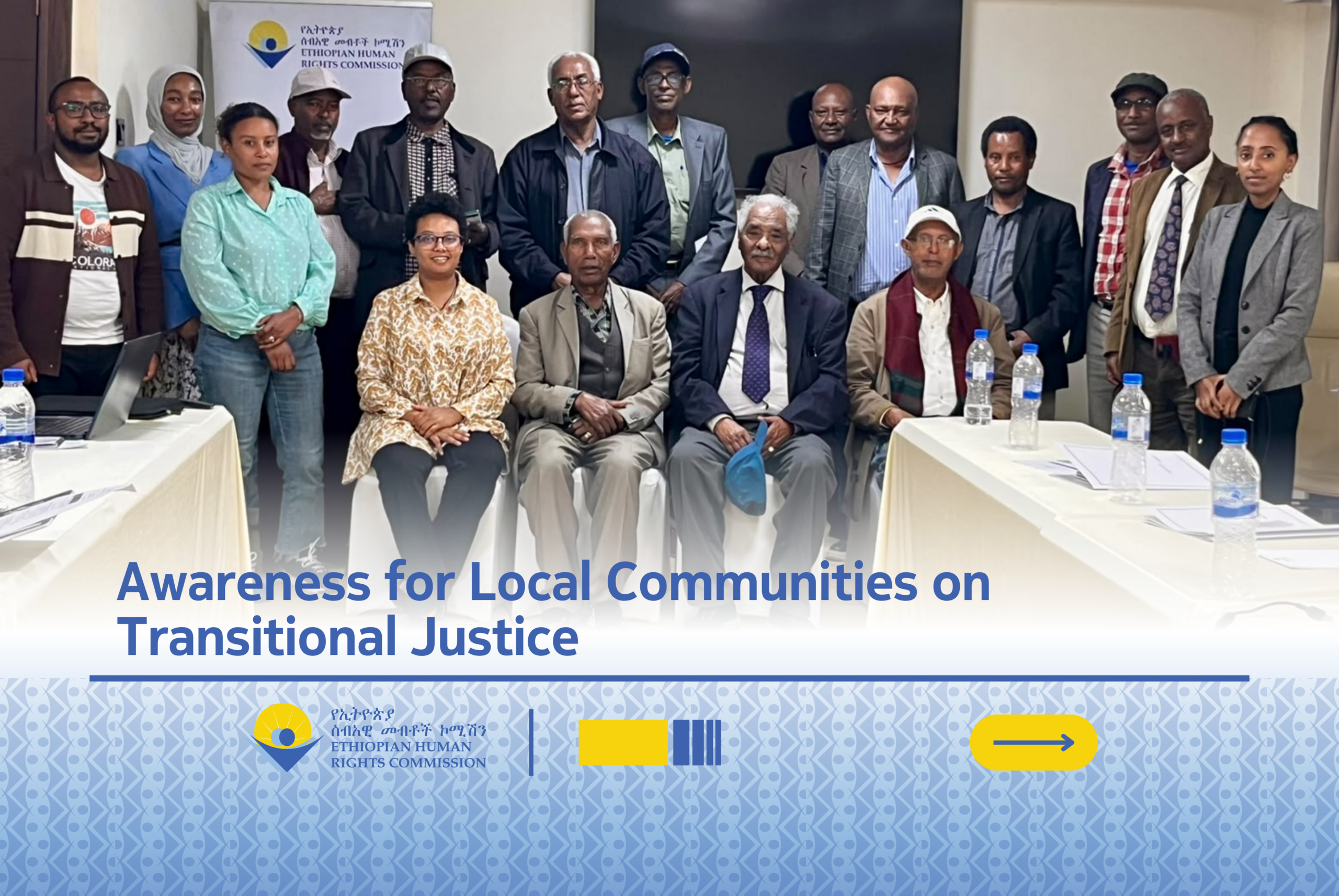
The Ethiopian Human Rights Commission (EHRC) held a consultative meeting with the leadership of the Ethiopian Idirs Coalition Council Social Institute (EiCCSI) to explore collaboration on public participation for Transitional Justice (TJ), in Addis Ababa on September 3, 2026, tapping into a network reaching an estimated 30 million members nationwide.
The meeting convened EiCCSI representatives from Addis Ababa and Adama. It is part of the EHRC’s ongoing efforts to enhance public awareness on TJ and strengthen meaningful participation through collaboration with civil society and community-based organisations.
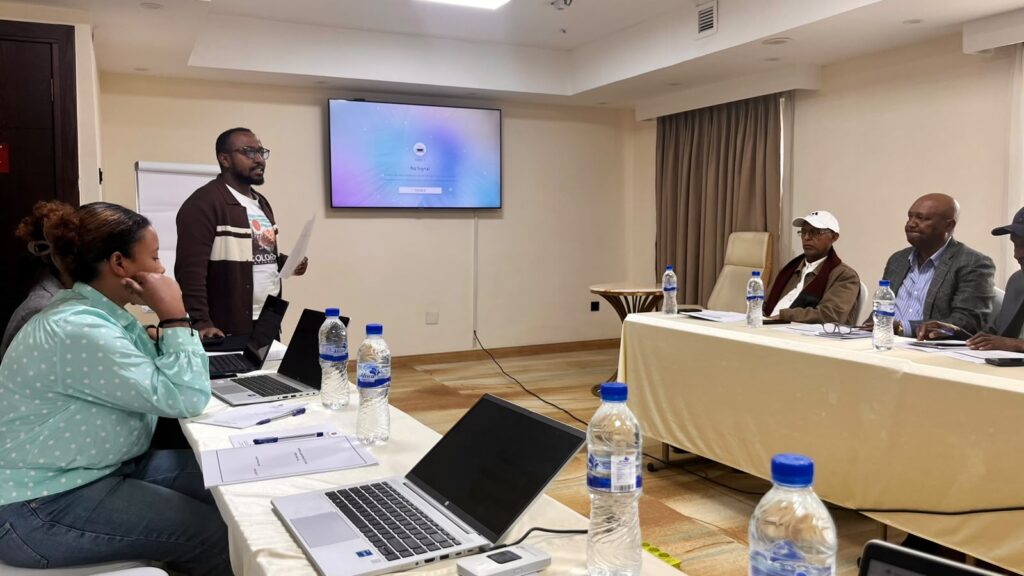
During this consultative meeting, EiCCSI presented the rationale, objectives, and proposed areas of collaboration with EHRC, followed by a discussion on the role of CSOs as well as Idirs in TJ processes and how the proposed engagement align with EHRC’s broader strategic interventions.
Participants acknowledged the significance of the TJ process and stressed the need for broad-based public sensitization and participation. The meeting fostered a common understanding of the mandates and ongoing work of the EHRC and EiCCSI, resulting in a consensus on the value of a collaborative framework that allows the two institutions to advance public awareness of TJ while preserving their institutional independence.
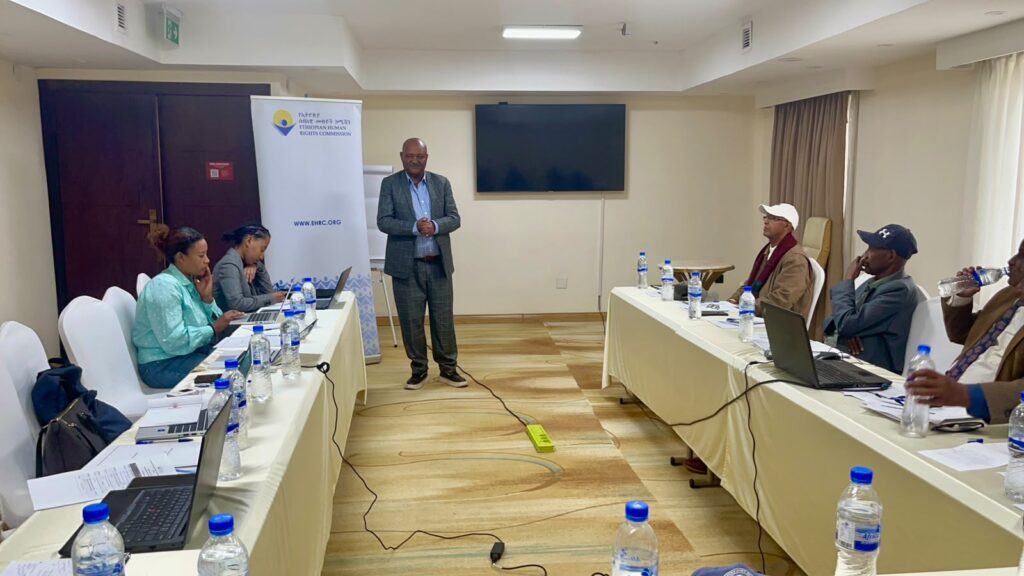
EHRC and EiCCSI agreed on immediate follow-up actions, including setting preliminary timelines and assigning focal points for each priority areas. Both institutions committed to translating the collaborative framework into practical joint activities.
The FDRE national Transitional Justice Policy was adopted by the Council of Ministers in April 2024, marking a significant milestone in Ethiopia’s pursuit of justice, reconciliation, and sustainable peace. One of the policy’s guiding principles is the importance of inclusion and meaningful participation in the TJ process. The Joint Investigation Report issued by EHRC and the Office of the United Nations High Commissioner for Human Rights (OHCHR) in November 2021 and the EHRC-OHCHR Joint Report on the Findings of Community Consultations on Transitional Justice with Victims and Affected Populations published in December 2023 also emphasised the importance of a genuine, participatory, inclusive, contextualised, and human rights-compliant TJ process. Since then, EHRC has collaborated closely with relevant institutions, civil society actors, affected communities, and other stakeholders to raise public awareness about TJ.
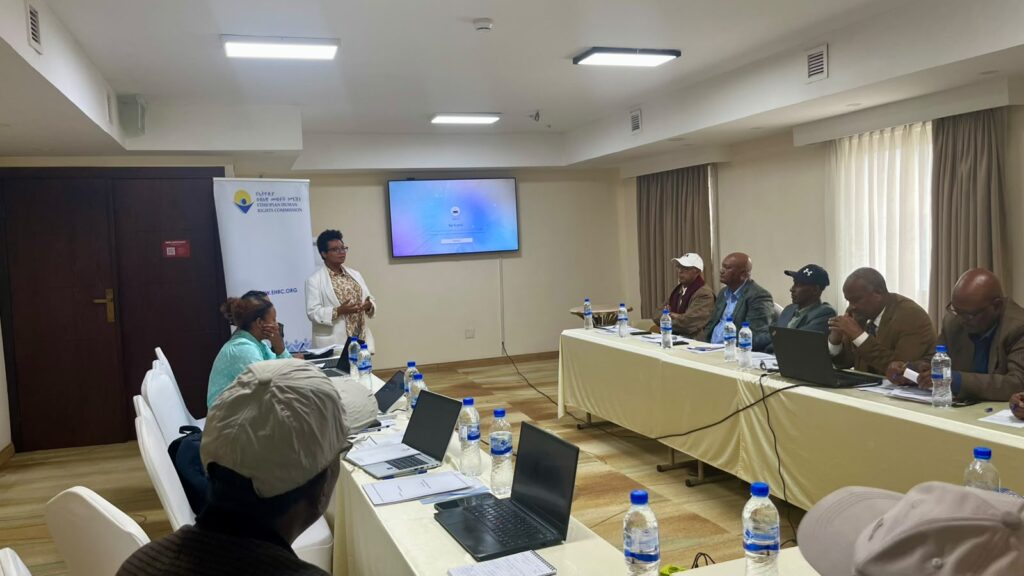
As part of its strategy for public sensitisation on TJ, EHRC will continue to work with civil society and community-based organisations to ensure public participation including victims and affected communities in the TJ processes.