

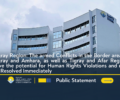
 EHRC calls for an immediate cessation of armed conflicts, for differences to be resolved through dialogue only, and for the protection of civilians and civilian infrastructures
 Ratifying the ICPPED would further strengthen the national legal framework and demonstrate a renewed commitment to prevention, investigation, accountability and reparation for victims and their families
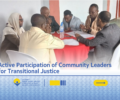 Trainings underscore the critical role of community-led reconciliation grounded in human rights principles to deliver fair and lasting outcomes
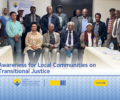 Collaboration with community-based organizations plays significant role to ensure public participation in TJ process
 Public Statement
 Climate change constitutes a human rights crisis because of its direct impact on people's lives, livelihoods, and fundamental rights
 Any act of enforced disappearance is an offence to human dignity
 The Ethiopian Human Rights Commission (EHRC) held a stakeholder consultation in Addis Ababa on July 21, 2026, regarding the necessity of...
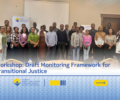 It is necessary to strengthen the capacity of experts to independently monitor the transitional justice process
 The Partnership between EHRC and civil society organizations (CSOs) working on human rights plays a significant role in enhancing human rights protection and addressing challenges in Ethiopia