

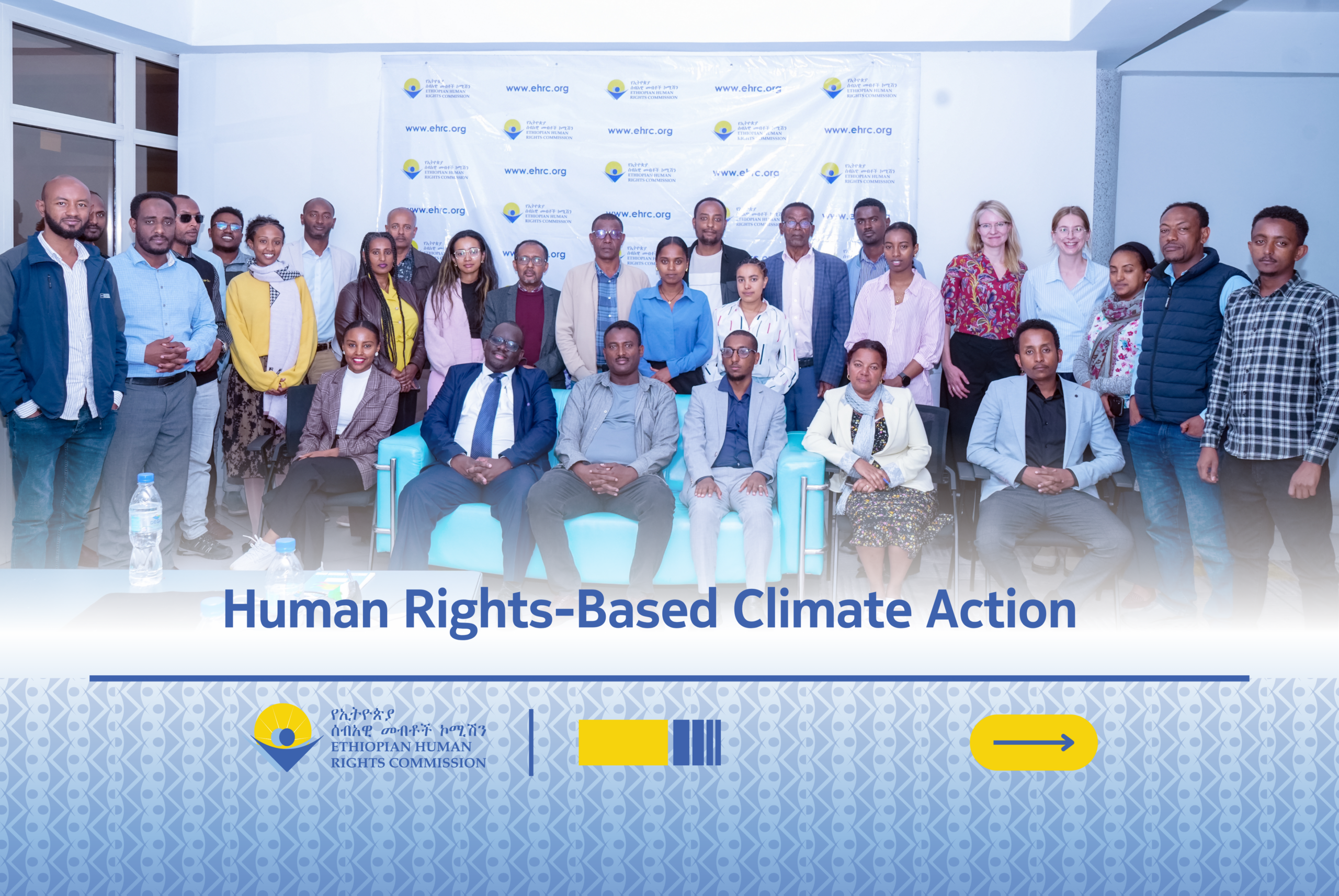
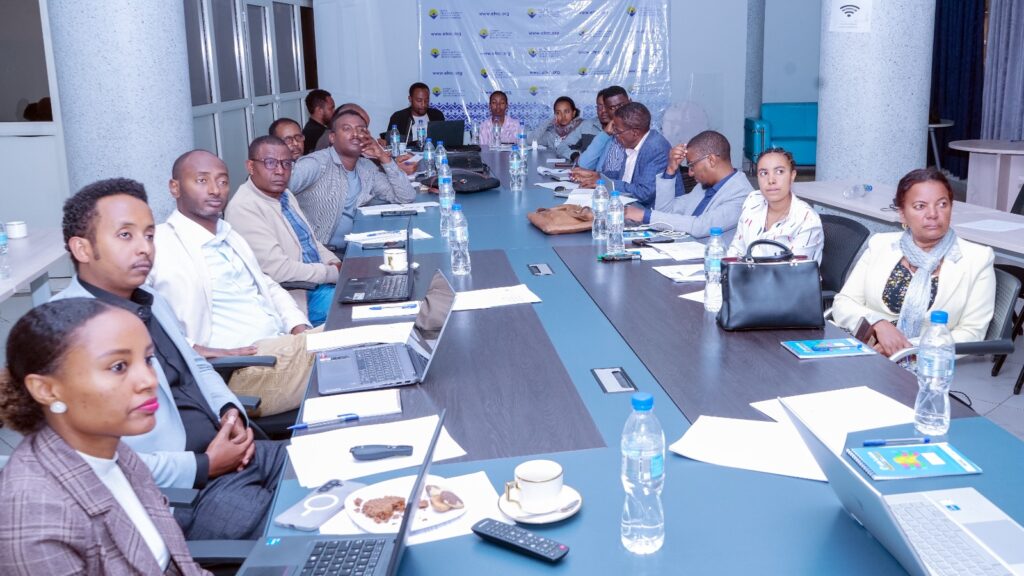
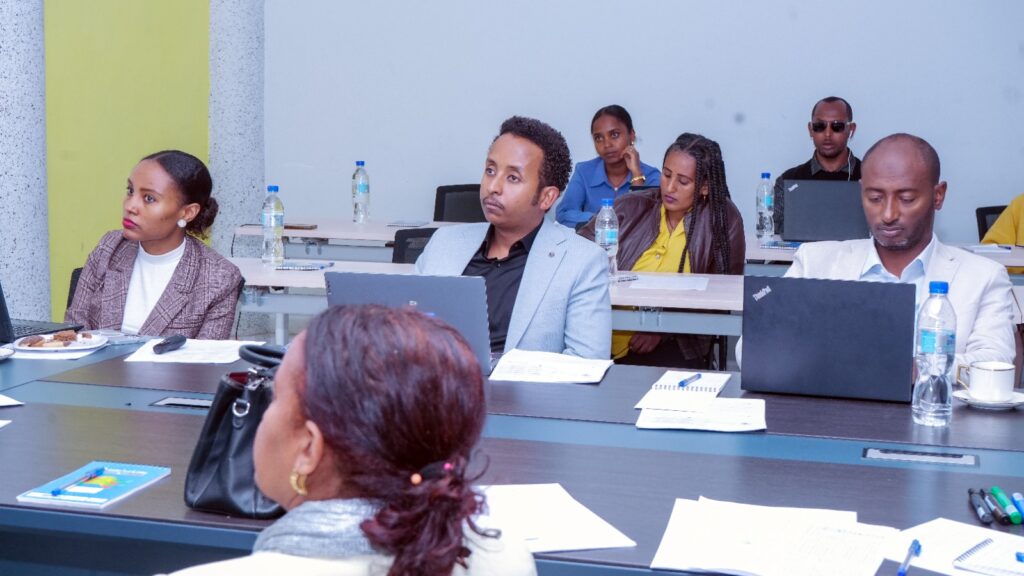
The Ethiopian Human Rights Commission (EHRC), with technical support from the Danish Institute for Human Rights (DIHR), hosted a two-day capacity-building and consultation workshop on climate change and human rights in Ethiopia, from August 31 to September 1, 2026. The workshop brought together representatives of government institutions, civil society organizations, academic and research institutions, and human rights experts.
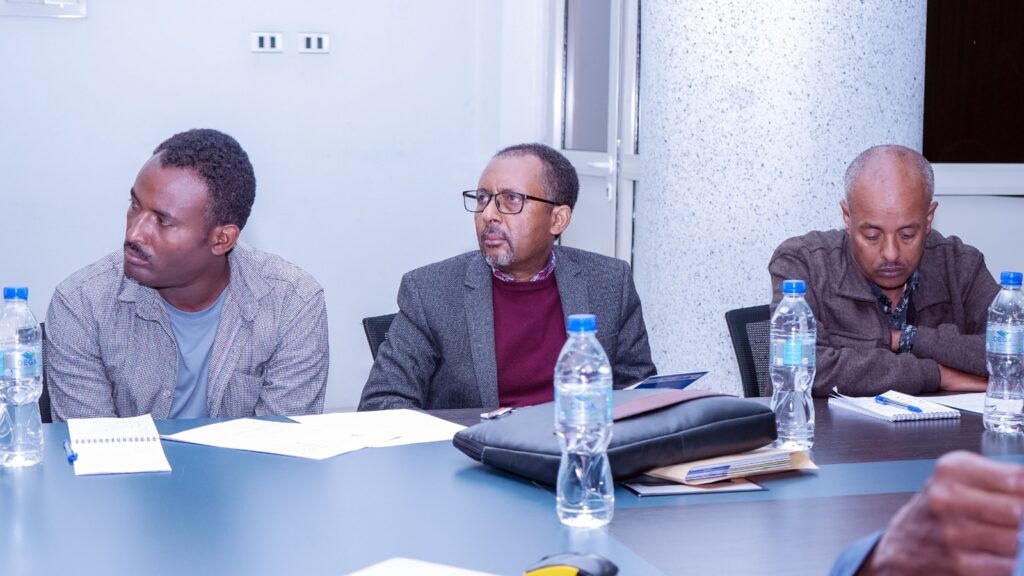
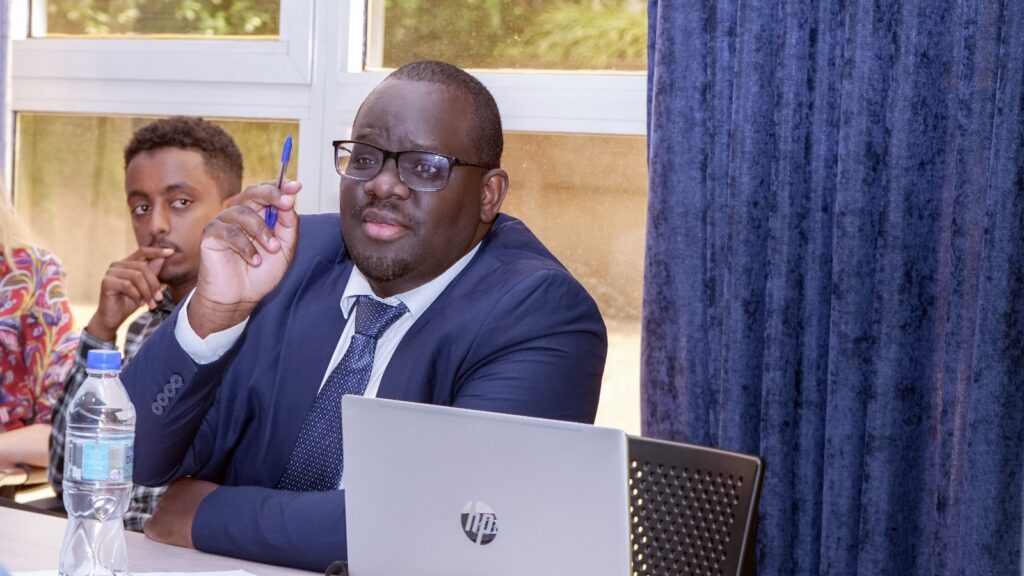

The workshop aimed to strengthen stakeholders’ understanding of the human rights dimensions of climate change, to serve as a platform to validate an EHRC assessment examining the extent to which Ethiopia’s climate-related legal and policy frameworks integrate human rights principles, to discuss the growing impacts of climate change on the enjoyment of human rights and to explore ways to strengthen human rights-based climate responses in Ethiopia.
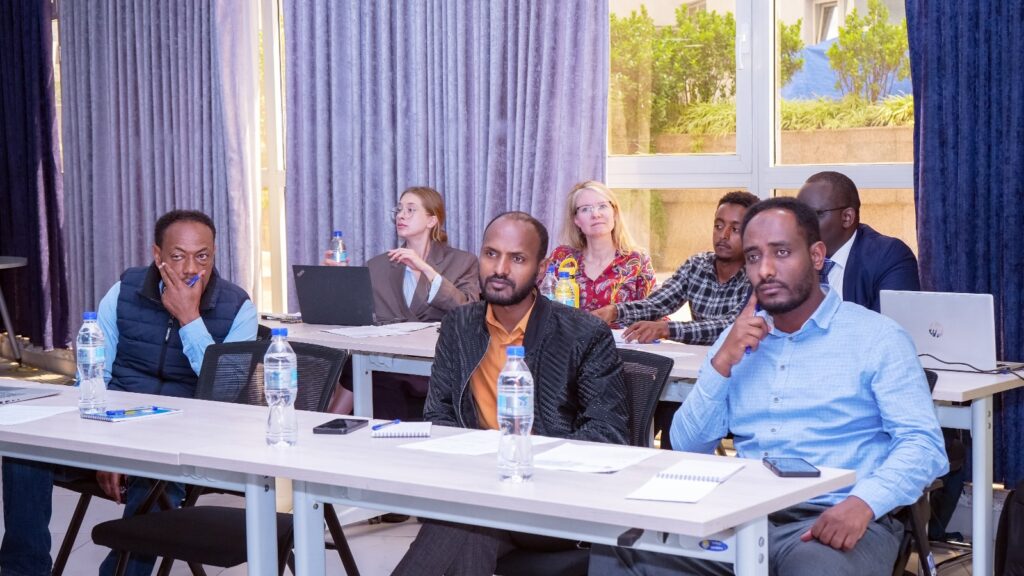
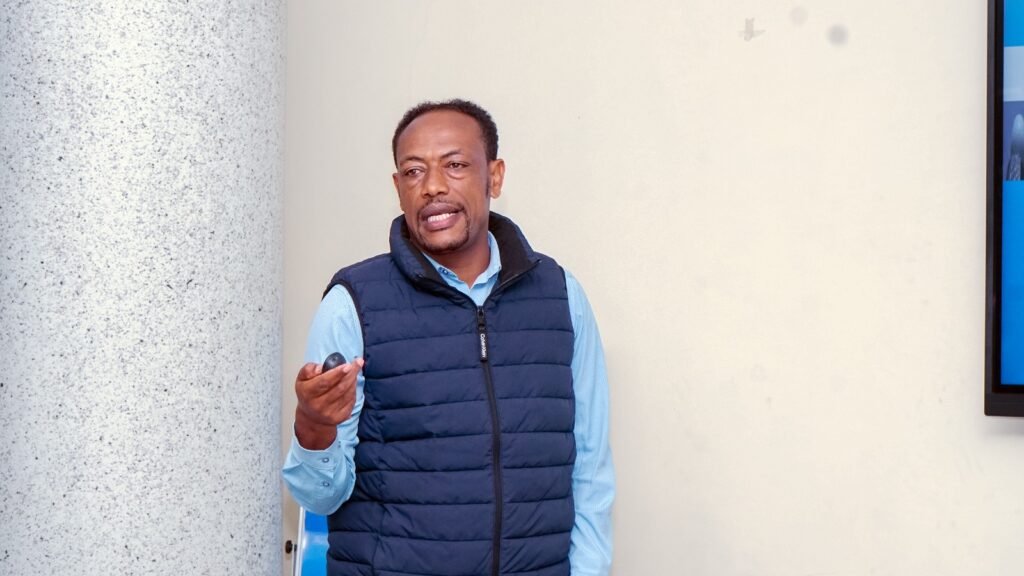
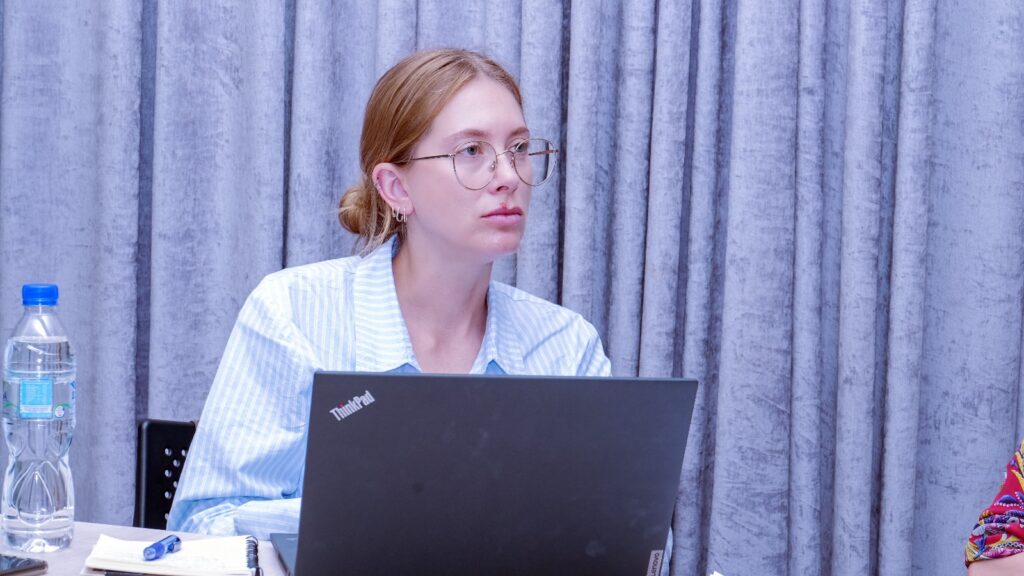
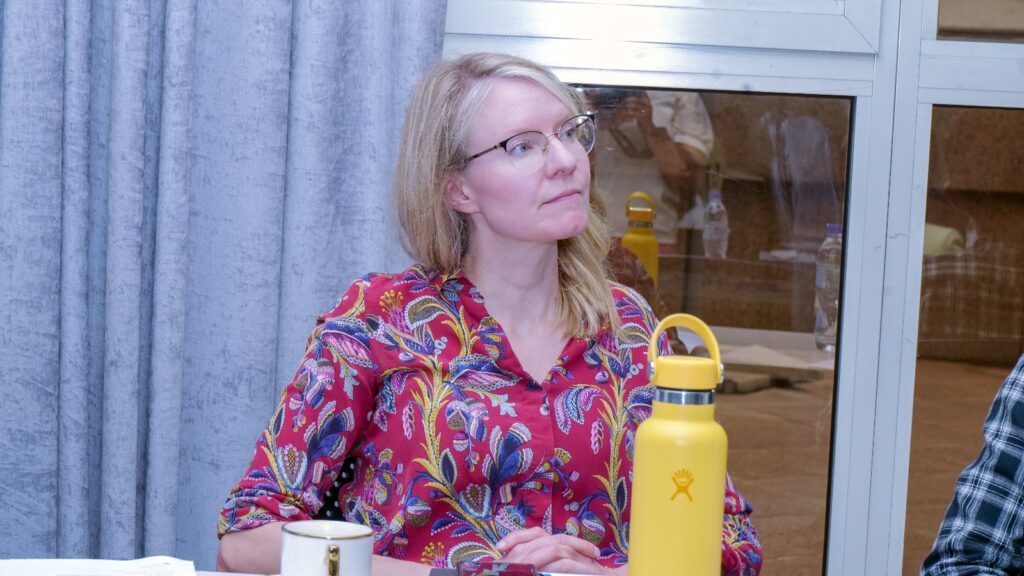
During the workshop experts from EHRC, DIHR, the Ethiopian Meteorological Institute, Eco-Justice Ethiopia, the Network of African National Human Rights Institutions (NANHRI), and Defend the Environment, facilitated presentations which is followed by discussions, whose contributions enriched the exchange of experiences and perspectives on advancing rights-based climate action. The workshop explored key operational areas, including climate governance and state obligations, climate change impacts in Ethiopia, the relationship between climate change and human rights, rights-based climate action, accountability and remedies for climate-related harms, environmental public interest litigation, and opportunities to advance human rights and climate justice through international climate processes.
Droughts, floods, erratic rainfall, landslides, and climate-sensitive diseases directly endanger livelihoods nationwide. These worsening environmental crises undermine the enjoyment of a range of basic human rights, including the rights to life, food, water, health, education, sustainable livelihood, and adequate housing, while escalating the risk of climate-induced displacement.
A key component of the workshop was the presentation and validation of EHRC’s assessment on climate change and human rights in Ethiopia. Participants provided feedback on the assessment’s findings and recommendations and discussed measures to strengthen rights-based climate action. They also emphasized the importance of continued collaboration among government institutions, civil society organizations, academic institutions, development partners, and affected communities to address climate-related human rights challenges and ensure that climate action leaves no one behind. They highlighted the need to better integrate human rights considerations into climate laws, policies, adaptation measures, and climate finance initiatives.
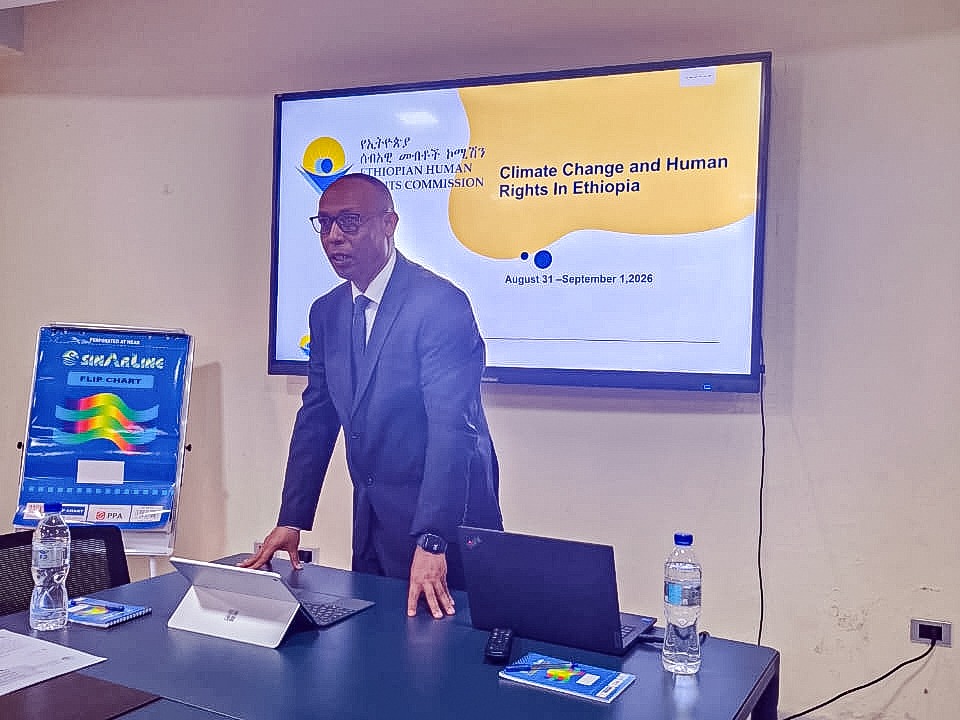
Speaking during the workshop, Dr. Mizanie Abate, EHRC Deputy Chief Commissioner, emphasized that climate change constitutes a human rights crisis because of its direct impact on people’s lives, livelihoods, and fundamental rights. He stressed that policymakers and key stakeholders must ground all national climate responses firmly in human rights principles.
Moving forward, EHRC will finalize its legal assessment and continue engaging relevant stakeholders to promote human rights-centered climate governance across Ethiopia. EHRC will also strengthen its efforts to raise public awareness, monitor climate-related human rights impacts, and advocate for the protection of communities most affected by climate change, while contributing to the advancement of rights-based climate action in Ethiopia.