

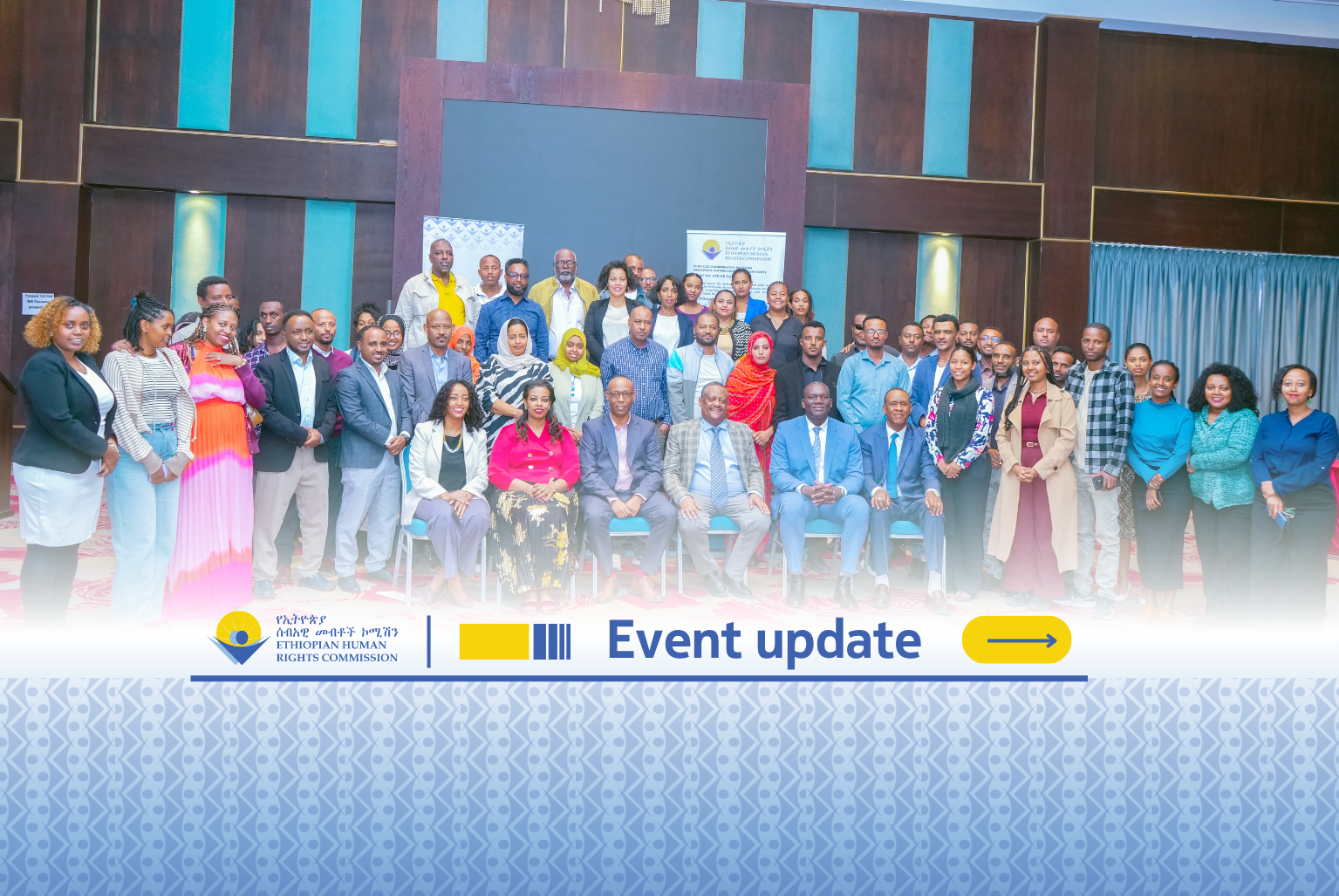
The Ethiopian Human Rights Commission (EHRC), in collaboration with civil society organizations (CSOs), held its annual national human rights conference forum on July 2 and 3, 2026, in Bishoftu. The workshop was attended by senior EHRC officials, over 45 members of the national and regional collaboration networks, and development partners.
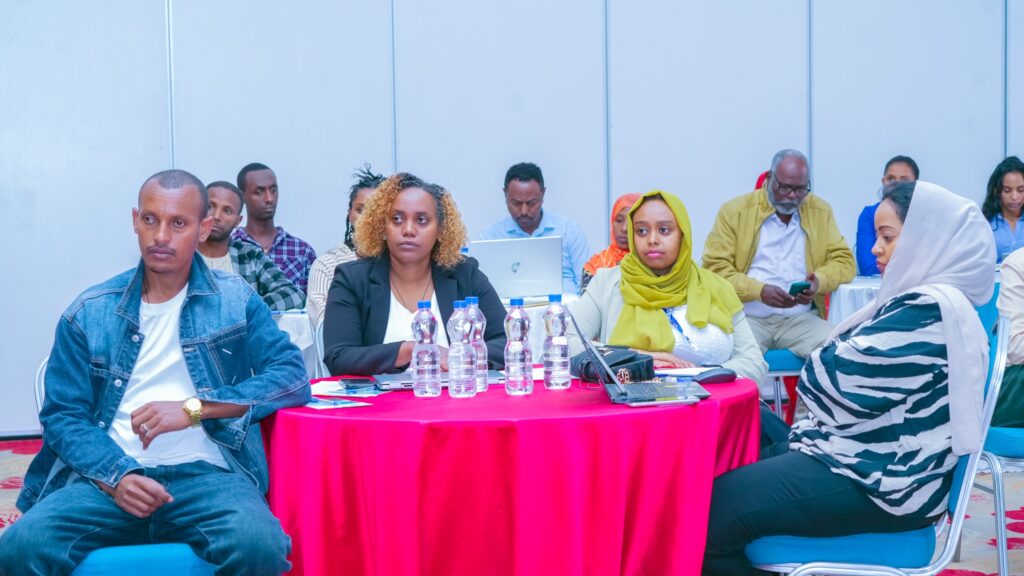
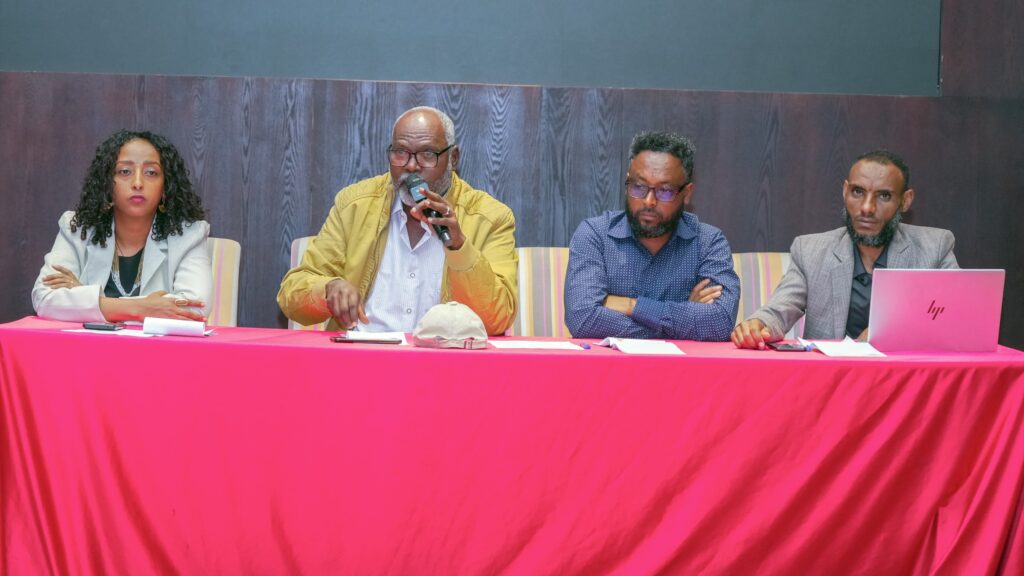
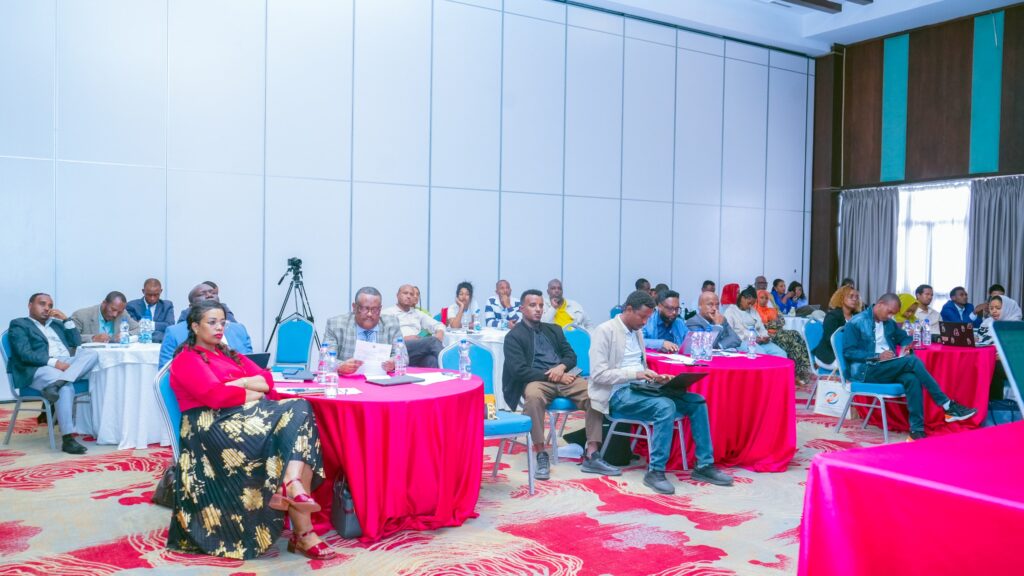
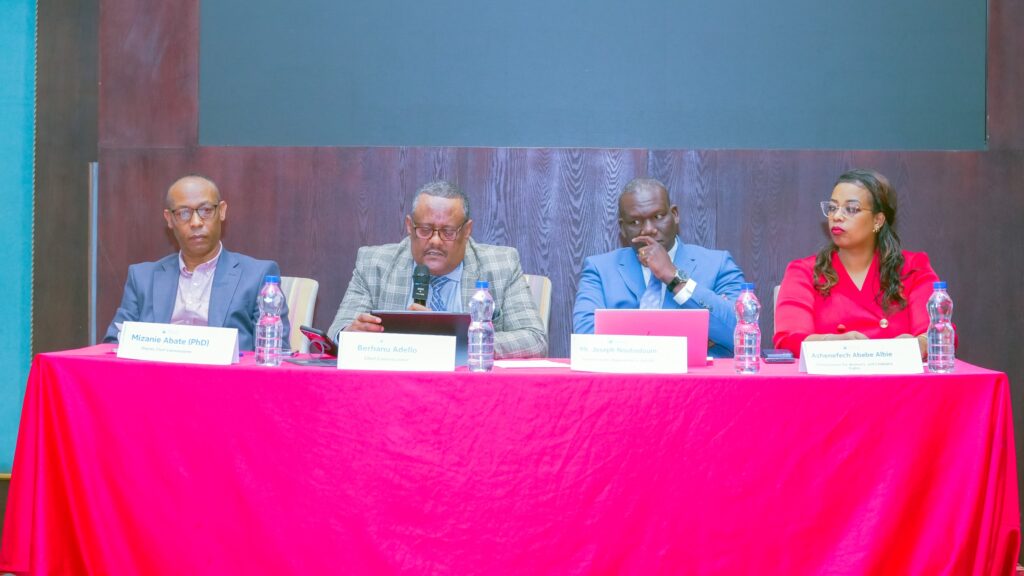
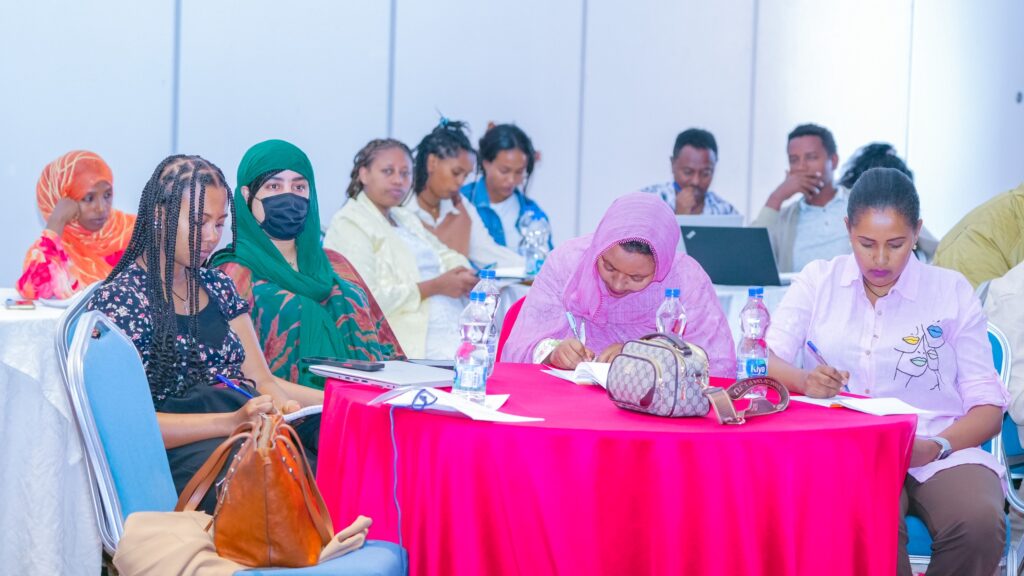
The workshop featured deliberations on the overall human rights situation in the country, as well as on the joint initiatives of the coordination platform. In particular, the sessions examined significant milestones and major developments observed during the 2018 fiscal year concerning civil, political, and socio-economic rights. Extensive discussions were held on the protection of the right to life and freedom of movement, the treatment of persons in custody, and the rights of vulnerable groups including internally displaced persons (IDPs), refugees and migrants, women and children, persons with disabilities, and the elderly. The workshop also evaluated major developments observed in national processes, such as the national dialogue, election, and transitional justice (TJ).
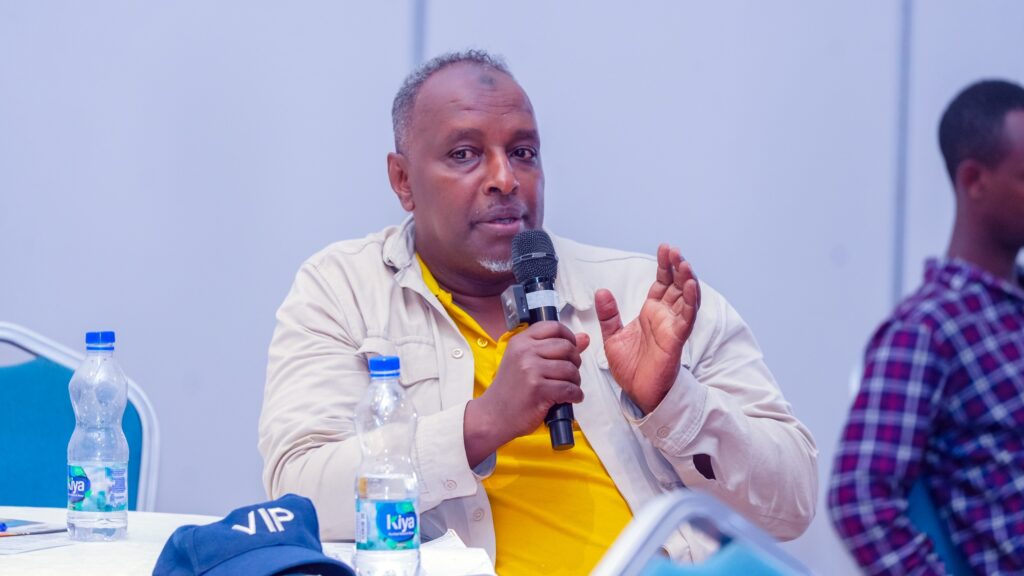
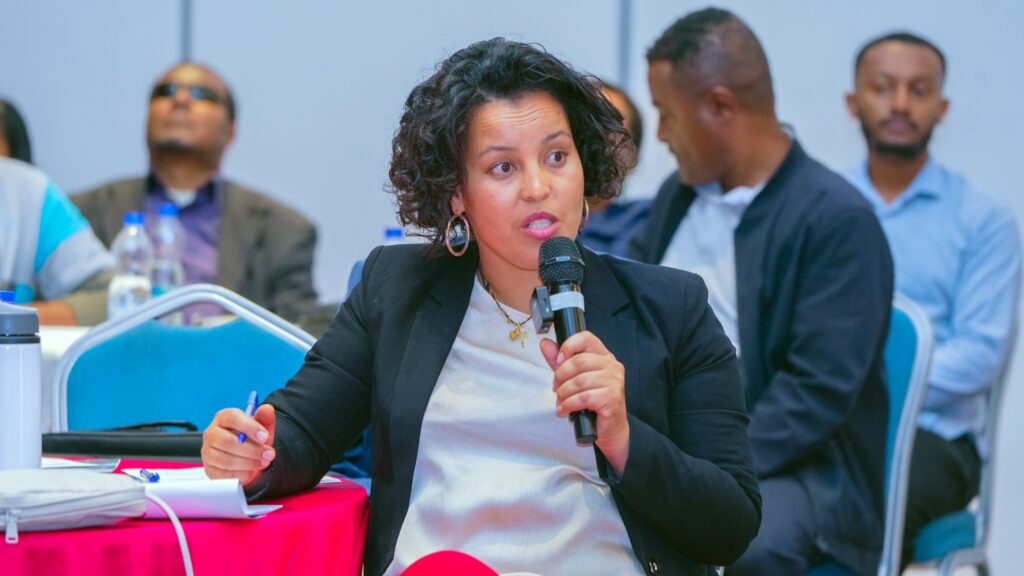
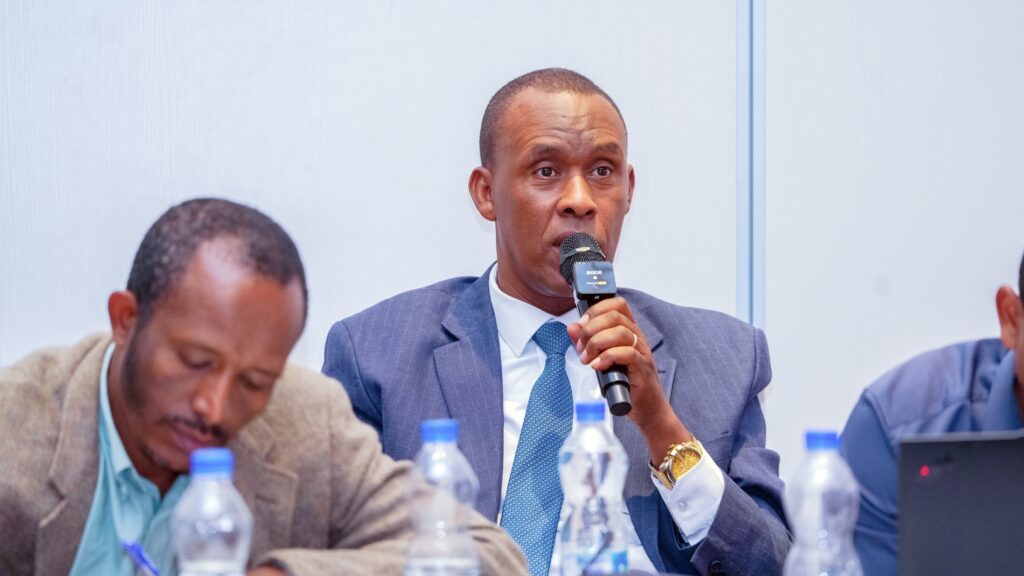
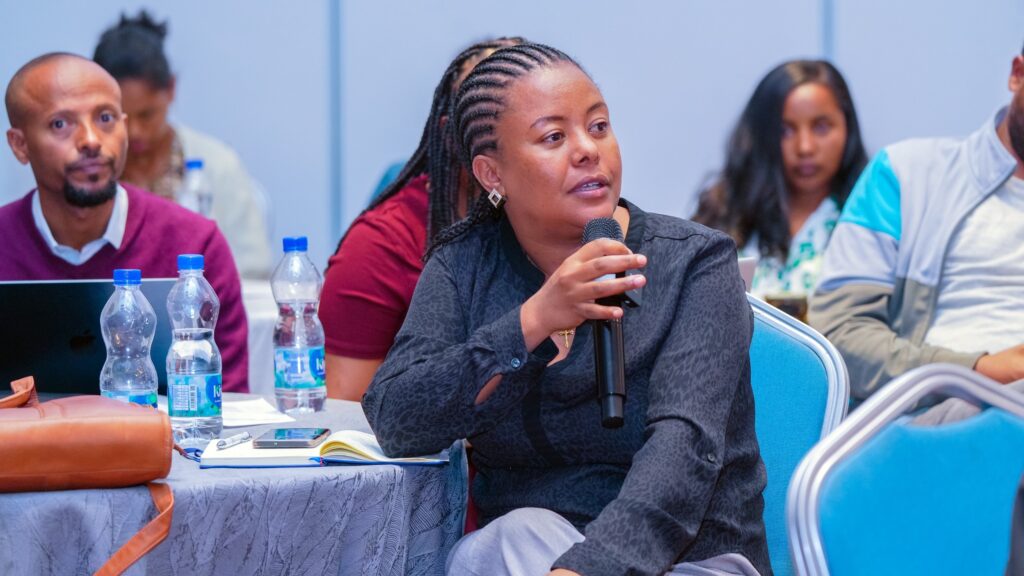
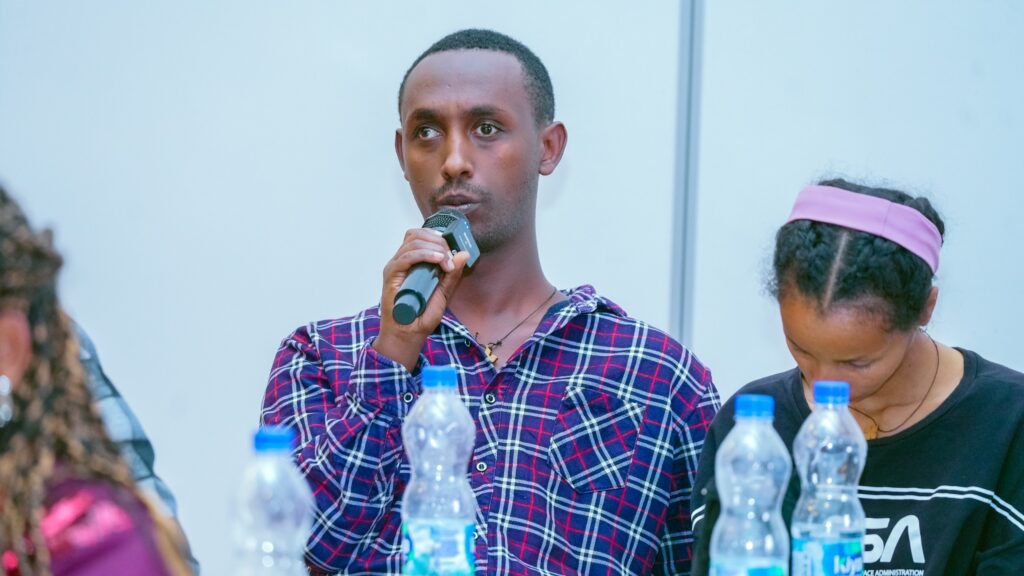
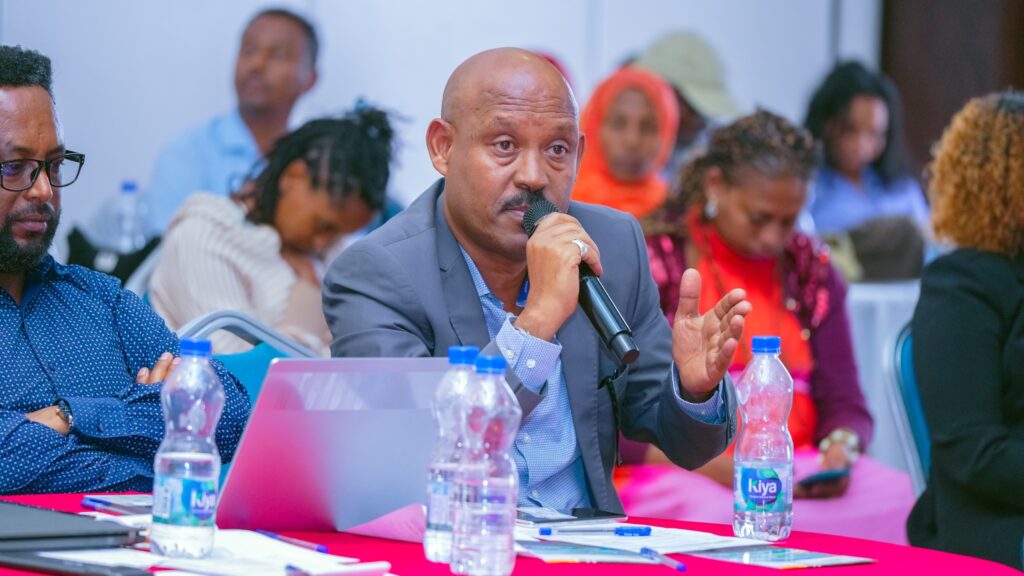
Furthermore, participants deliberated on the overall landscape of the civic space and the ongoing challenges faced by human rights defenders and journalists. In this regard, by evaluating the performance of the regional platforms in the Afar, Amhara, and Tigray regions, they assessed the general human rights situation in these areas and identified gaps requiring attention moving forward. The workshop underscored the critical importance of strengthening the EHRC-CSO collaboration, establishing standard operating procedures, and enhancing coordination and synergy to ensure the protection of human rights.
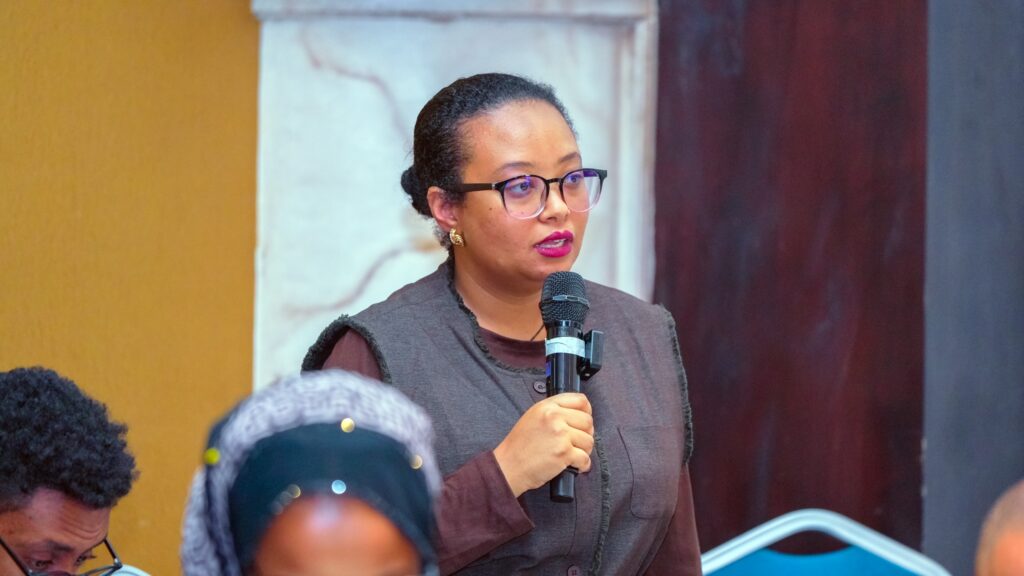
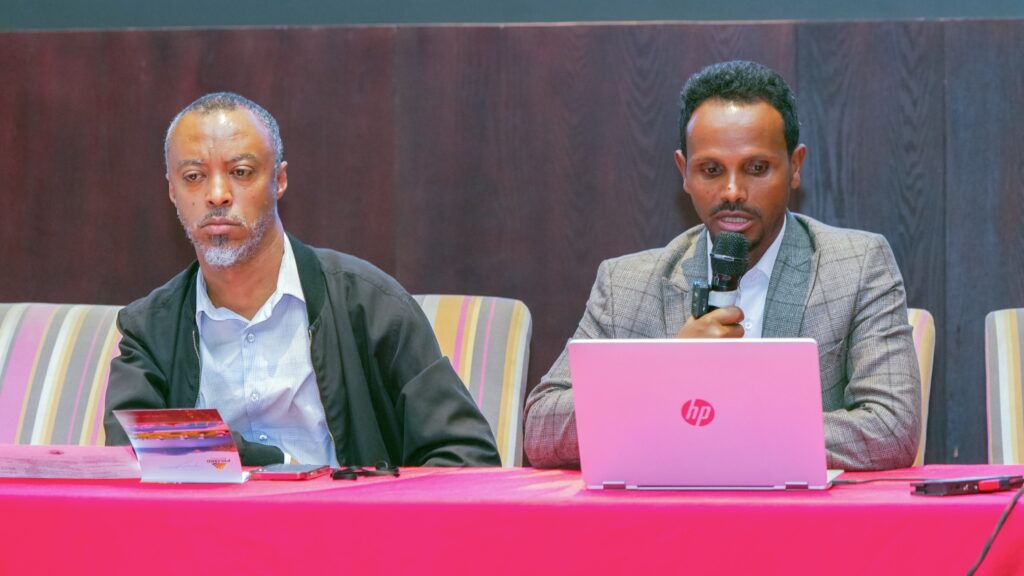

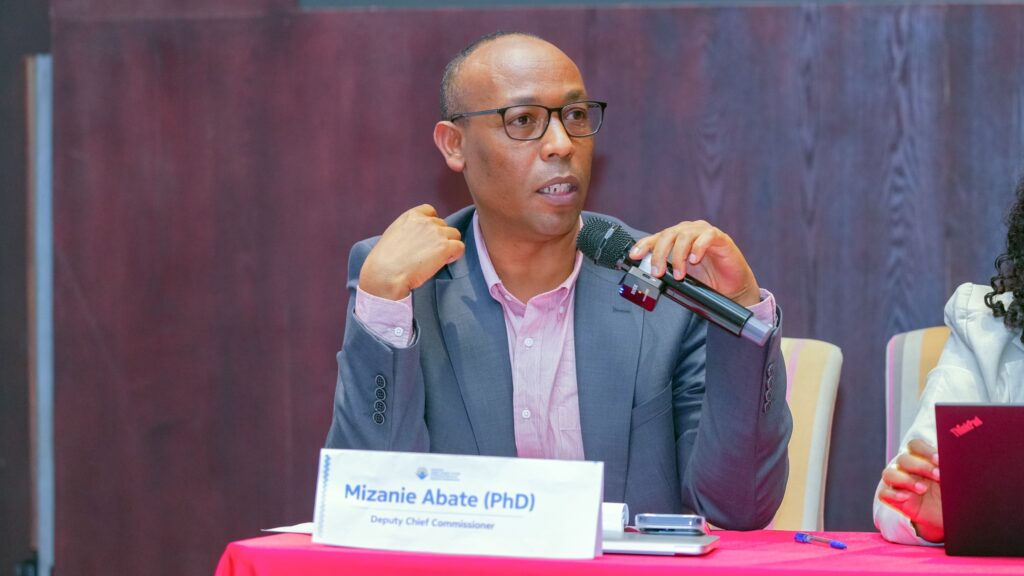
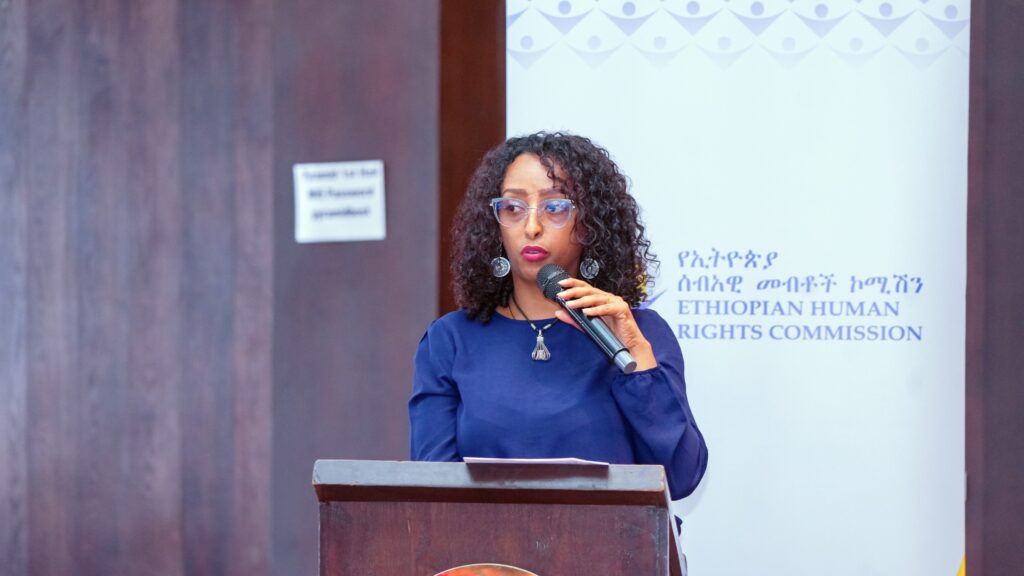
The workshop created a valuable opportunity for civil society organizations—specifically those based in the Afar, Amhara, and Tigray regions that are members of the EHRC-CSO collaboration network—to learn from one another, strengthen their relationships, and facilitate ways to work jointly with the Commission. Furthermore, it enabled the identification of strategic measures that need to be taken moving forward to address the current and concerning human rights situations observed in these regions.
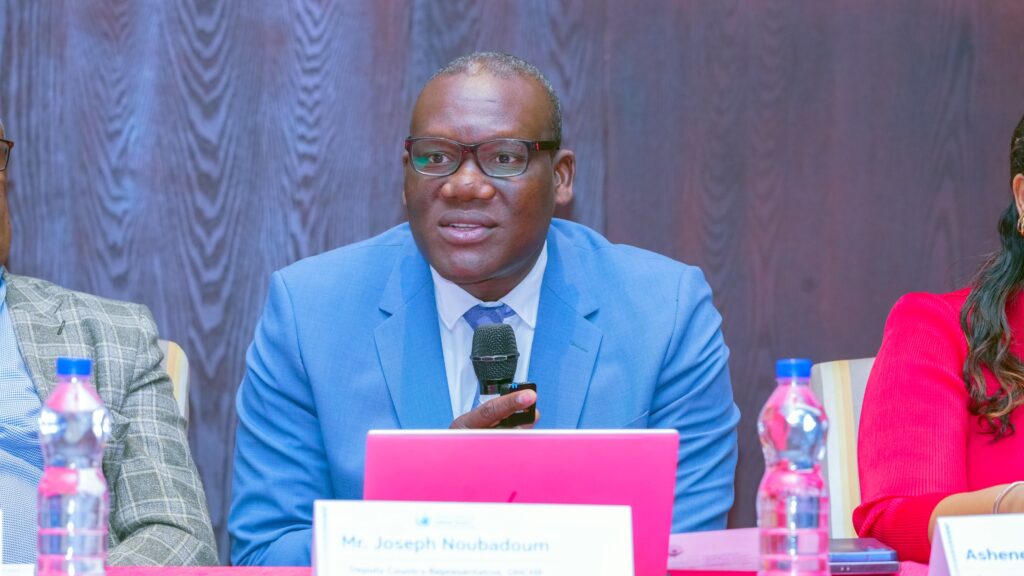
Joseph Noubadoum, Deputy Head of the Office of the United Nations High Commissioner for Human Rights (OHCHR), noted that the platform could serve as a model for other institutional collaborations. He further explained that joint efforts among institutions are highly significant for ensuring respect for human rights.
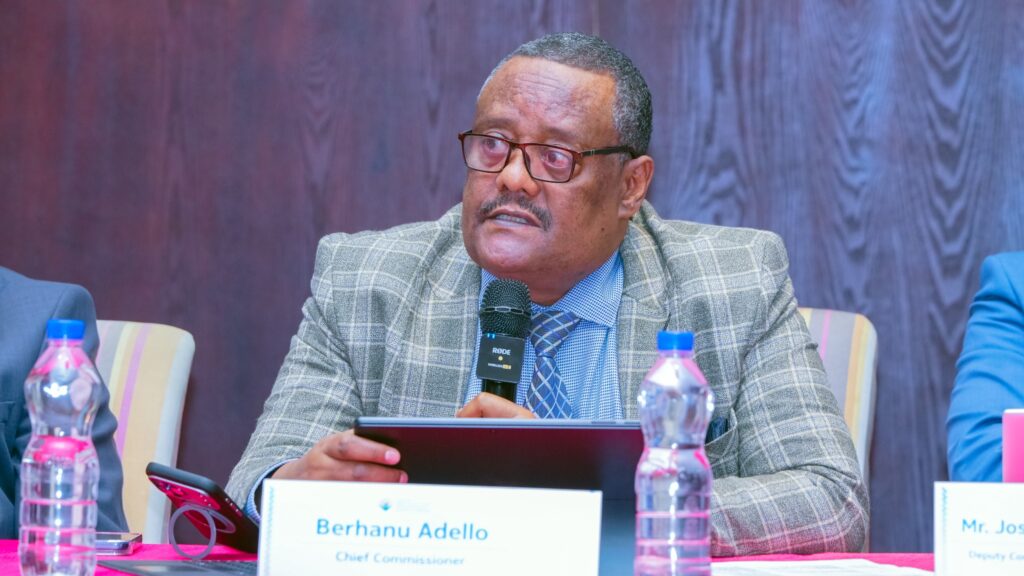
Berhanu Adello, EHRC Chief Commissioner, underscored the importance of collective action through timely information sharing, coordinated efforts, and tracking mechanisms to enhance the human rights situation in Ethiopia. He further called upon the members of the platform to work in coordination to ensure that human rights are promoted, protected, and respected.