

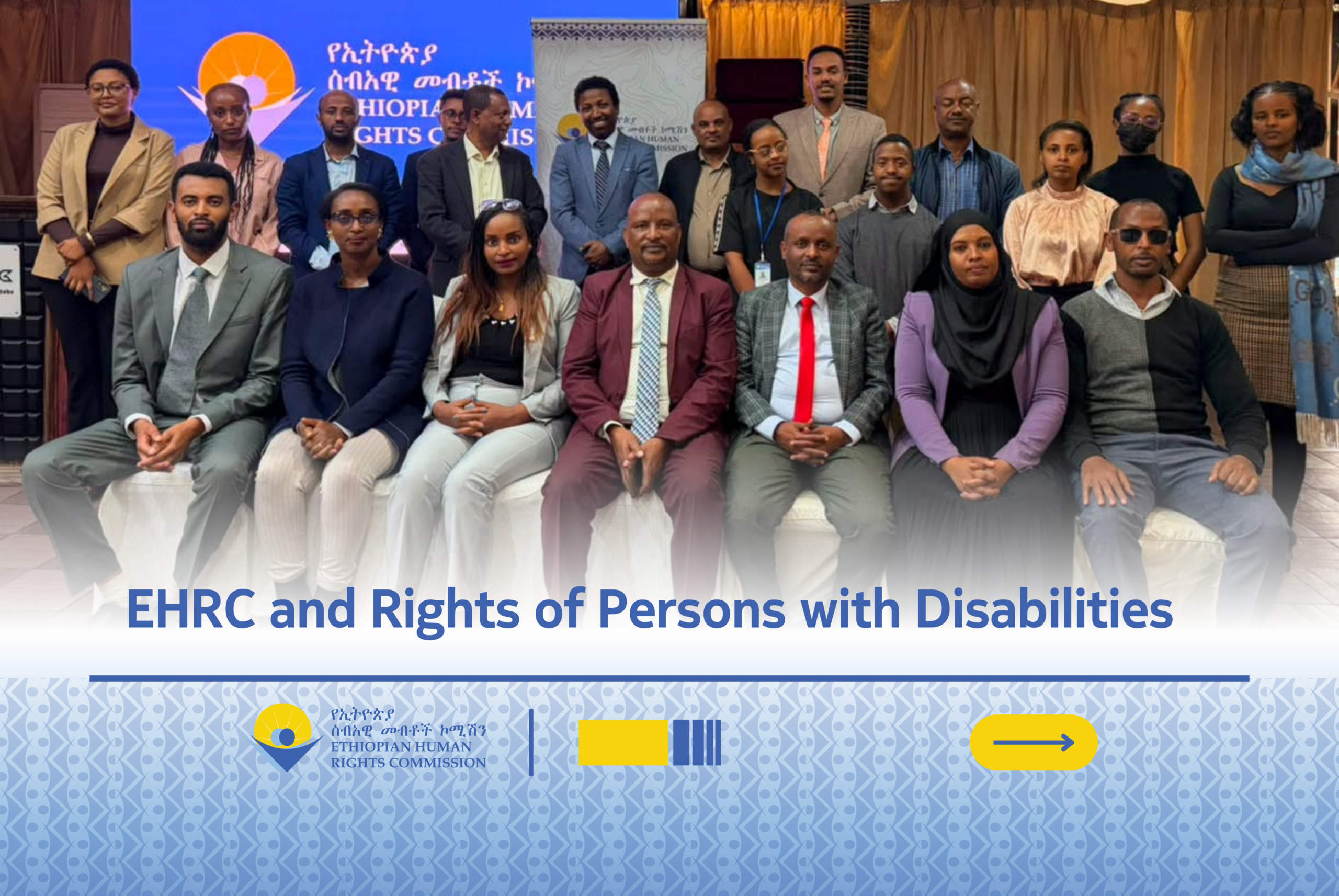
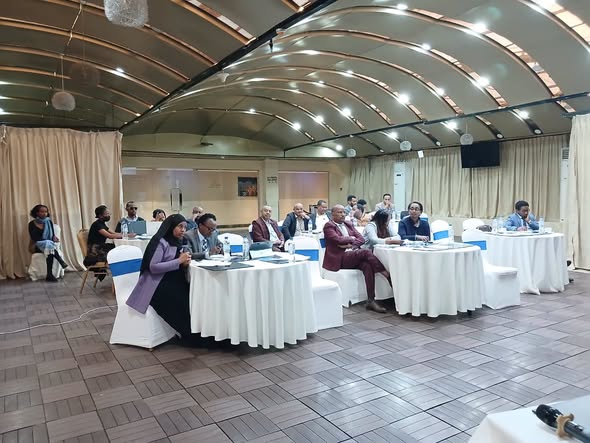
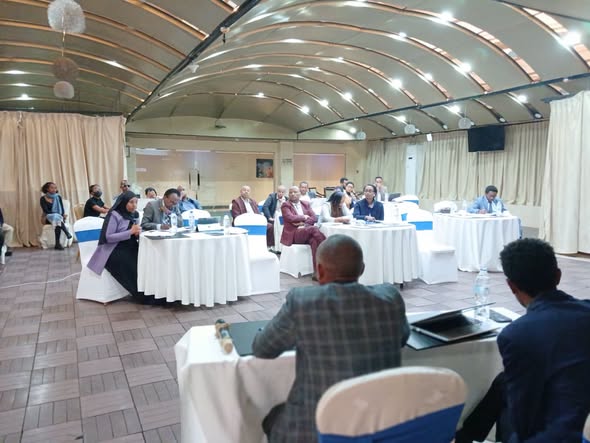
The Ethiopian Human Rights Commission (EHRC) held a stakeholder consultation in Addis Ababa on July 21, 2026, regarding the necessity of designating an Independent Monitoring Mechanism pursuant to Article 33(2) of the United Nations Convention on the Rights of Persons with Disabilities (CRPD).
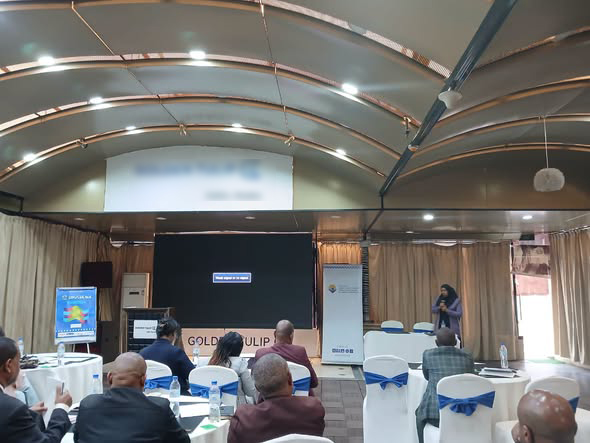
The proposed monitoring mechanism will execute key responsibilities to promote, protect, and monitor the rights established under the convention. These functions include aligning existing and draft laws and policies with convention standards, delivering technical support and capacity-building to government bodies, and investigating human rights violation complaints initiated independently or through reports. Furthermore, the mechanism will refer cases to courts, evaluate policy impacts by establishing legal execution metrics, and maintain a comprehensive database tracking convention implementation experiences.
The designated independent monitoring body operates separately from the executive organ and distinct from the focal entities established under Article 33(1) of the convention. Accordingly, organizers presented the procedural distinctions, designation processes, and international comparative experiences separating executive monitoring entities from independent oversight mechanisms.
EHRC’s founding Proclamation No. 210/2000 (as amended by Proclamation No. 1224/2020) already grants the commission the exact mandate required for an independent monitoring body. Consequently, EHRC currently promotes, protects, and monitors these rights primarily through its Disability Rights and Rights of Older Persons Department.
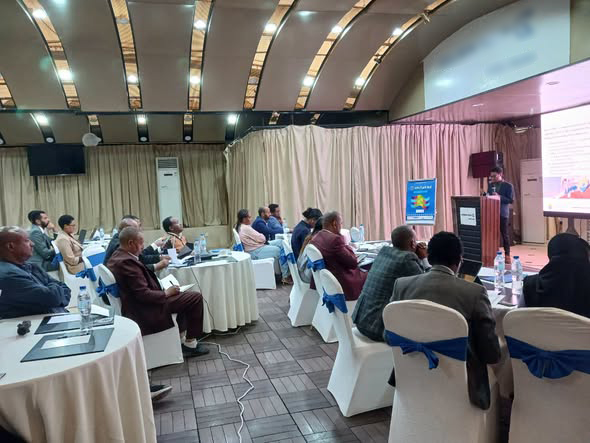
Because EHRC meets the operational and functional independence criteria set out in Article 33(2) of the UN CRPD and maintains ‘A’ status accreditation under the Paris Principles, stakeholders can directly designate EHRC as the independent monitoring body without the need for a new institution.
During the consultation, participants emphasized the need to delineate distinct institutional roles between the Ministry of Women and Social Affairs designated under Article 33(1) to implement the convention and the proposed independent mechanism under Article 33(2) to eliminate operational overlap. Attendees highlighted the importance of establishing frameworks that integrate civil society organizations and partner institutions into committee membership within the mechanism.
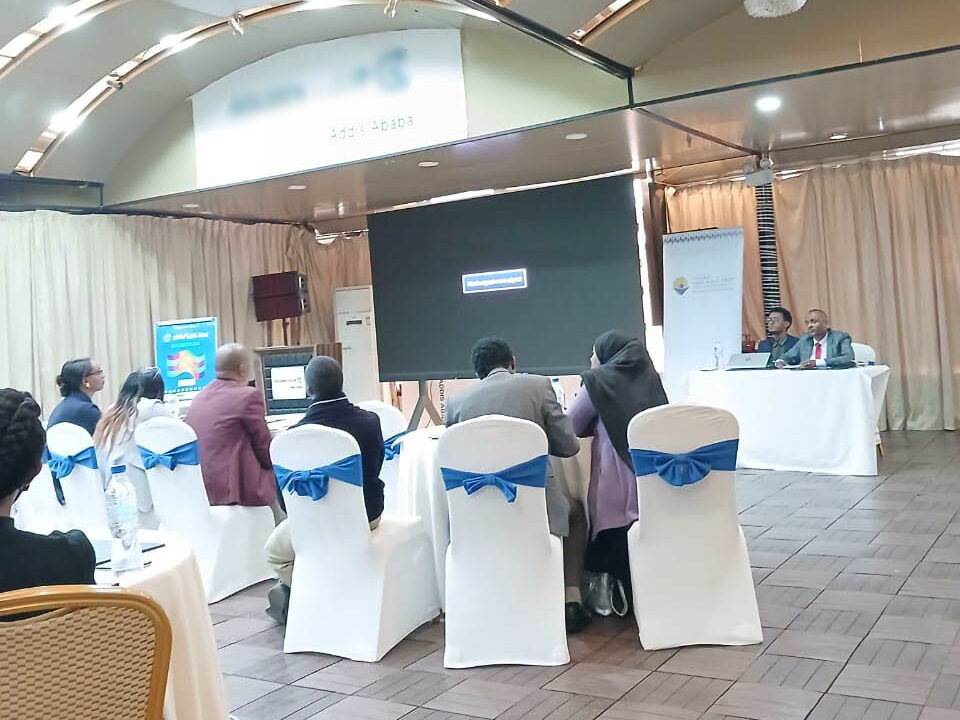
The EHRC Commissioner for the Rights of Persons with Disabilities and Older Persons, Mohamed Ahmed, stated that establishing an independent body to independently monitor government implementation remains essential for safeguarding human rights. He noted that designating EHRC as the independent monitor for the UN CRPD will significantly enhance convention implementation. Commissioner Mohamed called upon all stakeholders to collaborate closely to execute the consensus and recommendations reached during the forum, enabling EHRC to fulfill its statutory mandate to promote, protect, and monitor human rights.