

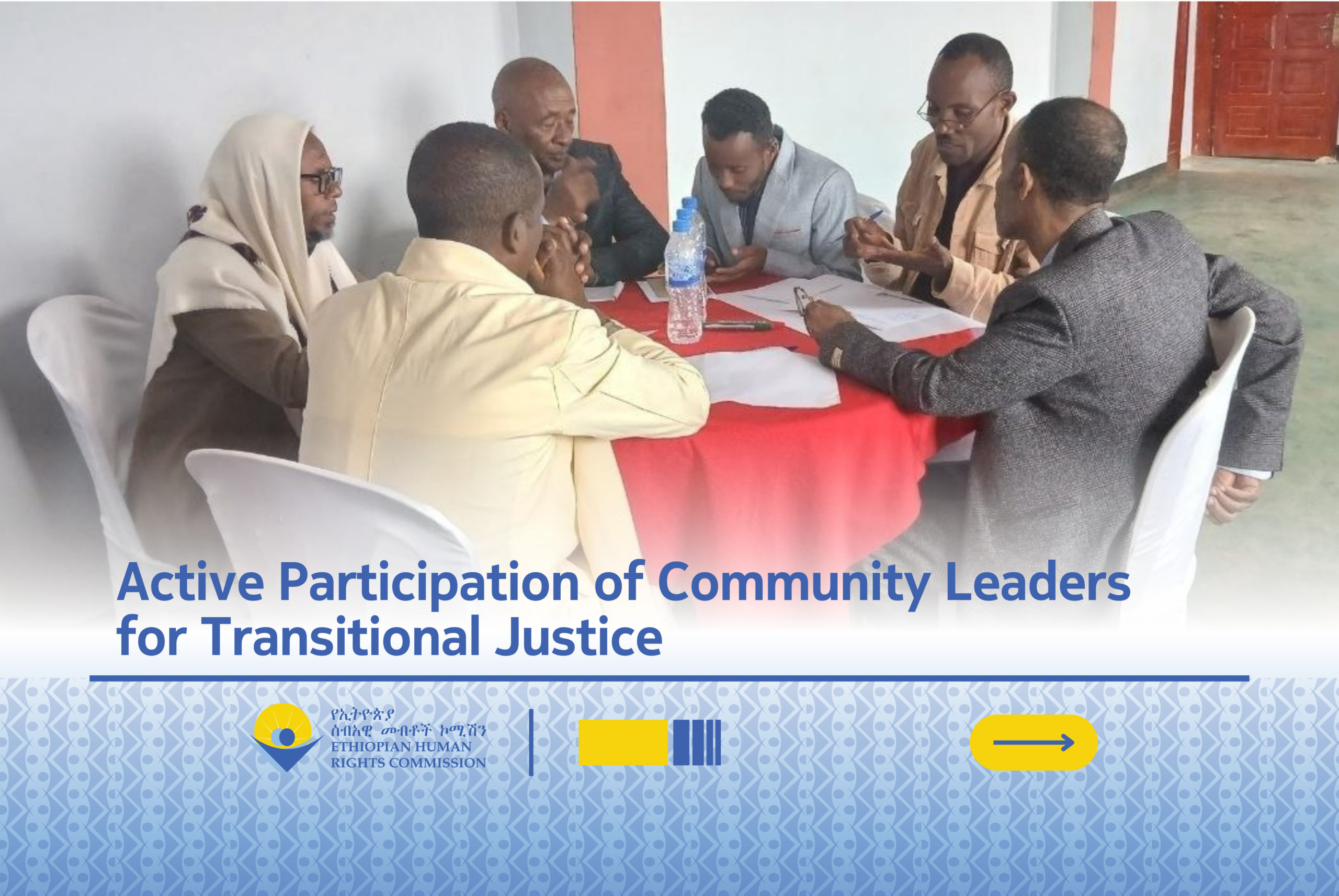
Community leaders, religious figures, and traditional elders play a decisive role in determining the success of Ethiopia’s transitional justice process. Endowed with widespread moral authority and social trust, these local leaders are uniquely positioned to bring conflict-affected communities together, foster truth-telling, facilitate forgiveness, and guide genuine reconciliation.
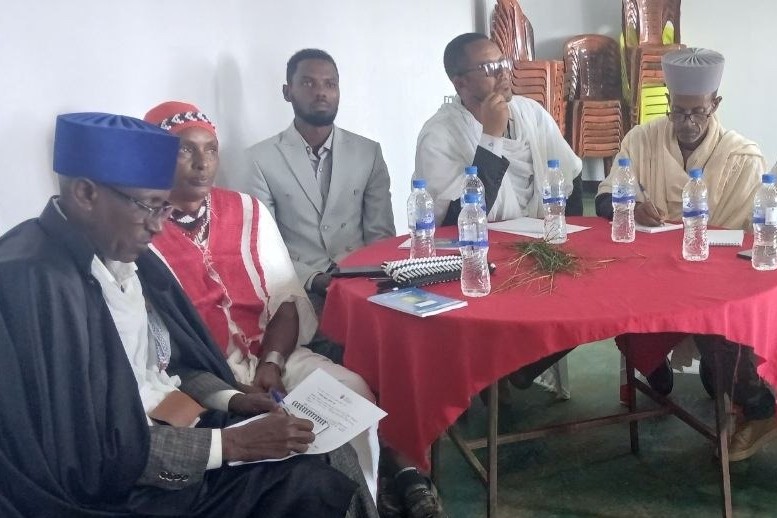
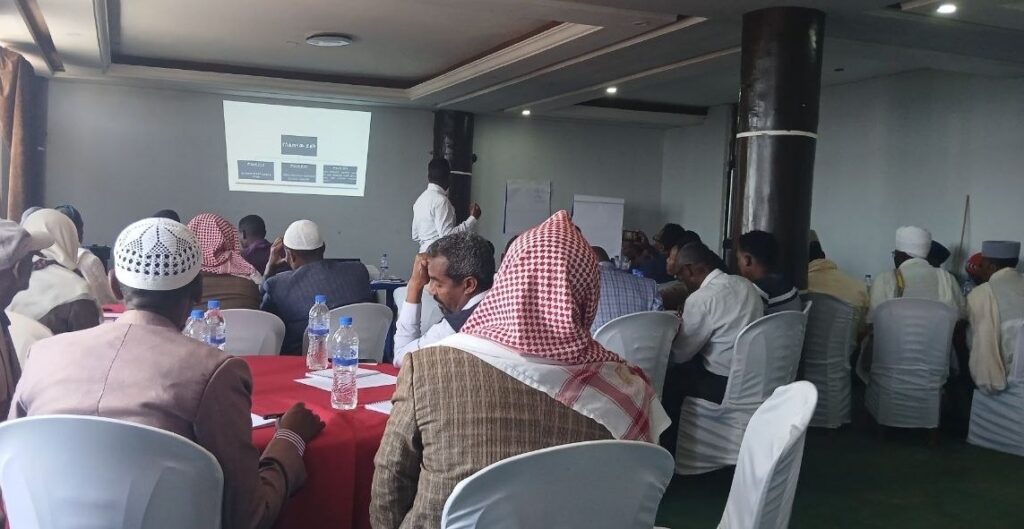
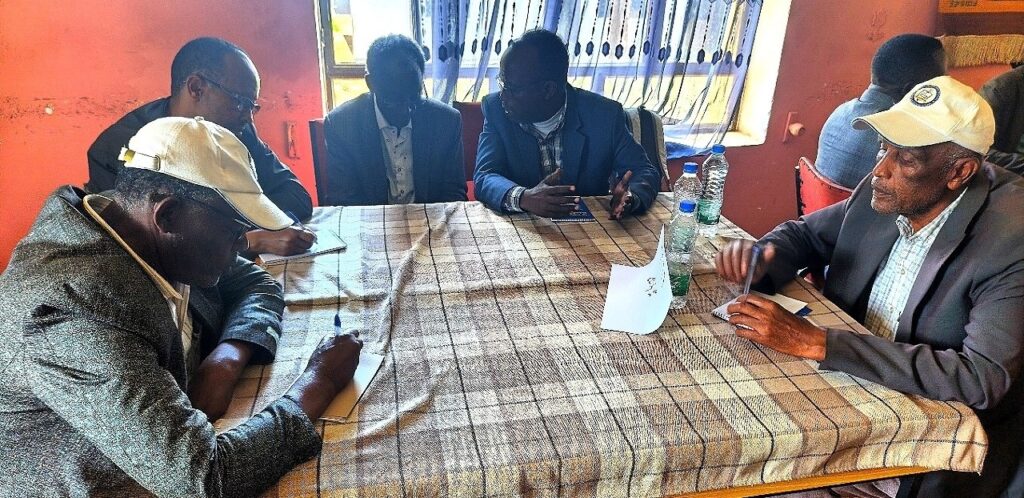
Beyond creating safe spaces for victims to share their grievances without fear, their active involvement helps ensure that transitional justice remains transparent, inclusive, and fair—laying the groundwork for lasting peace and meaningful national consensus.
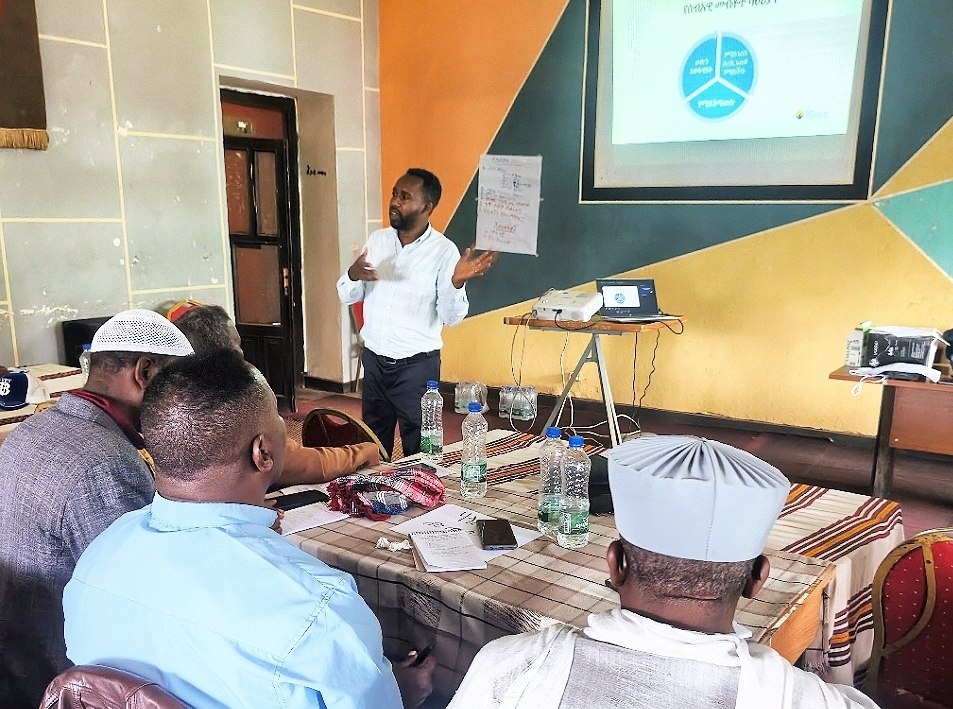
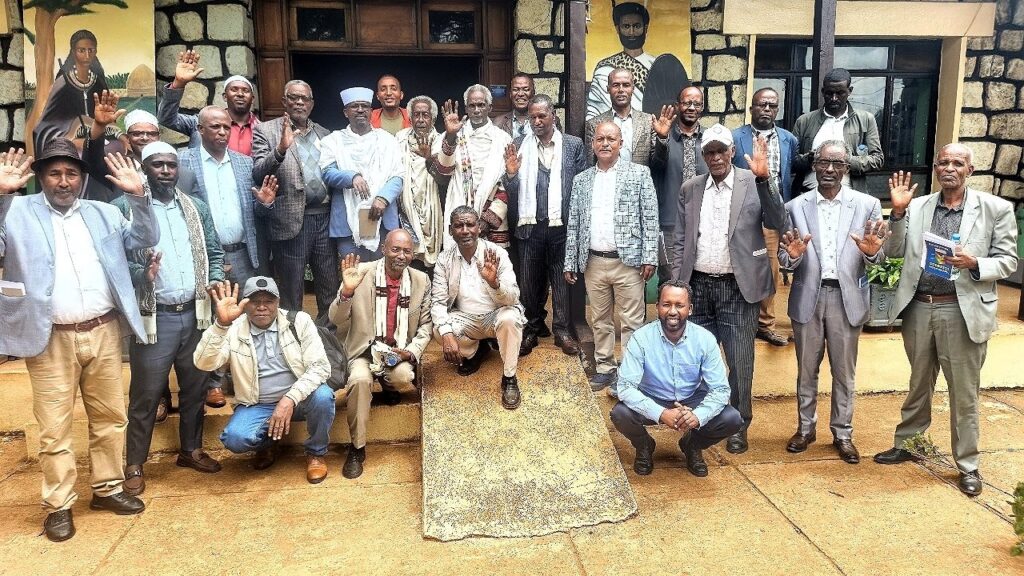
Recognizing this vital contribution, the Ethiopian Human Rights Commission (EHRC) has been conducting targeted capacity-building workshops to enhance the leadership and participation of traditional and religious figures in the ongoing process. As part of this effort, EHRC recently concluded a series of training sessions in Bedele and Yirgalem.
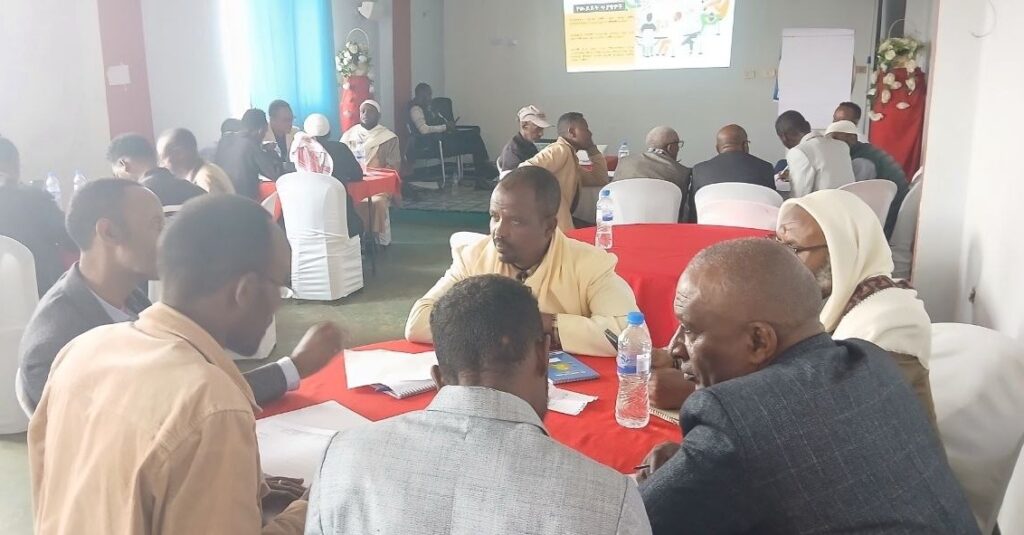
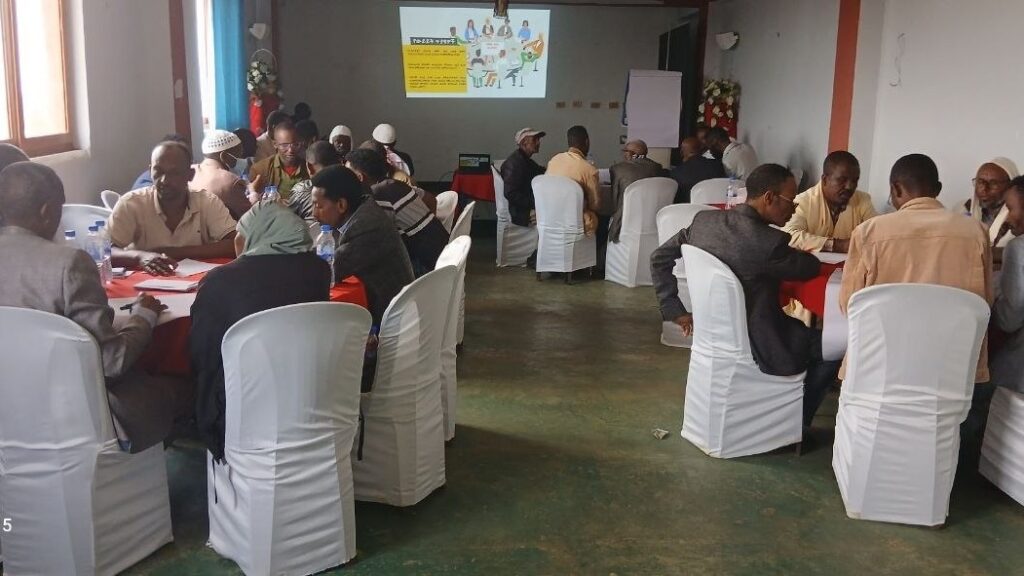
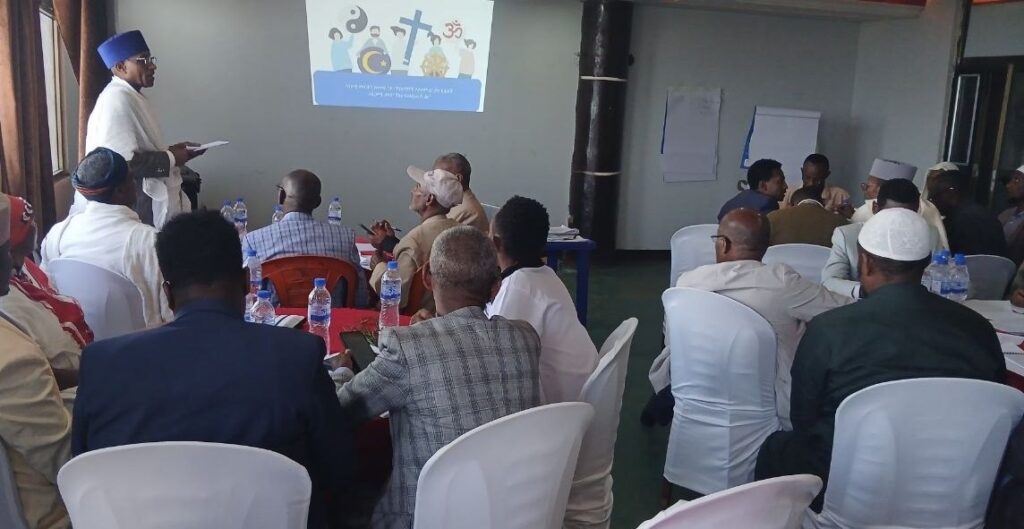
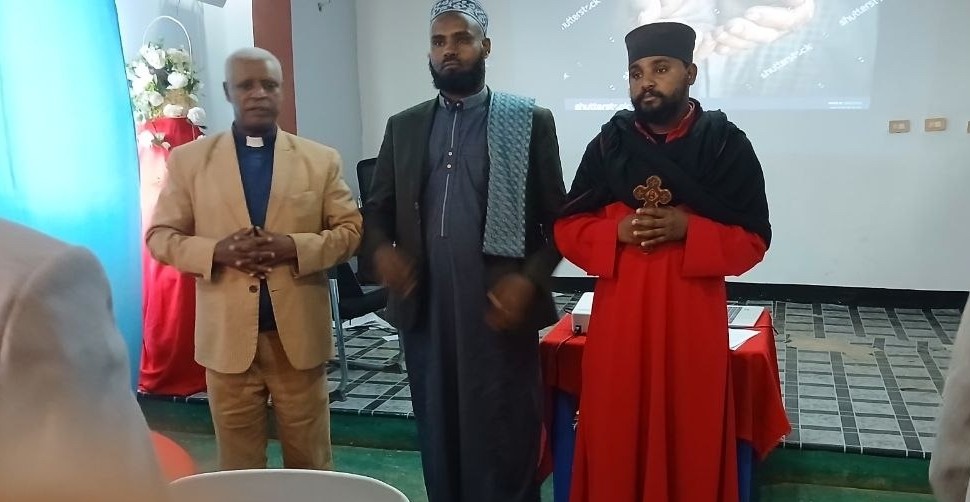
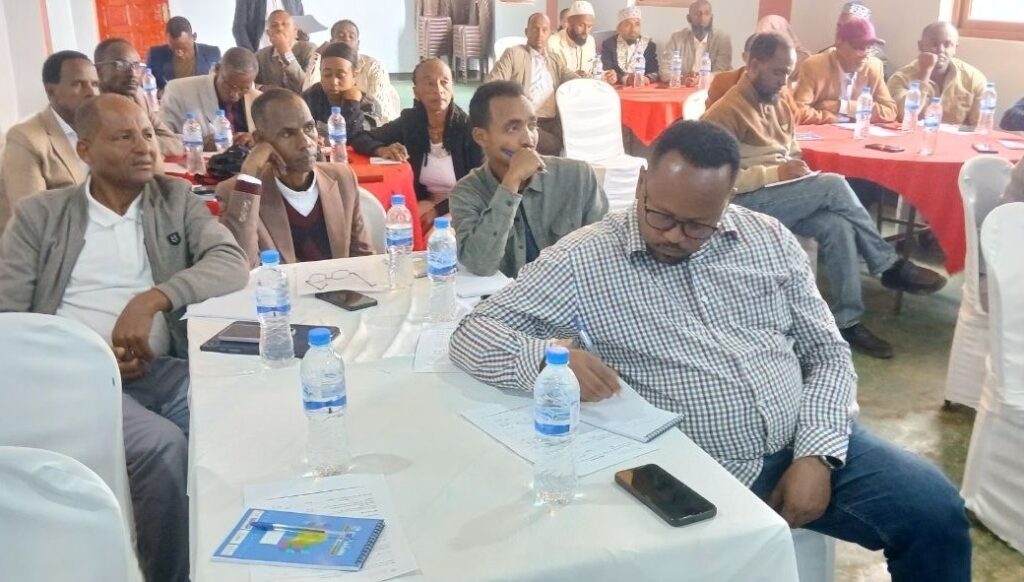
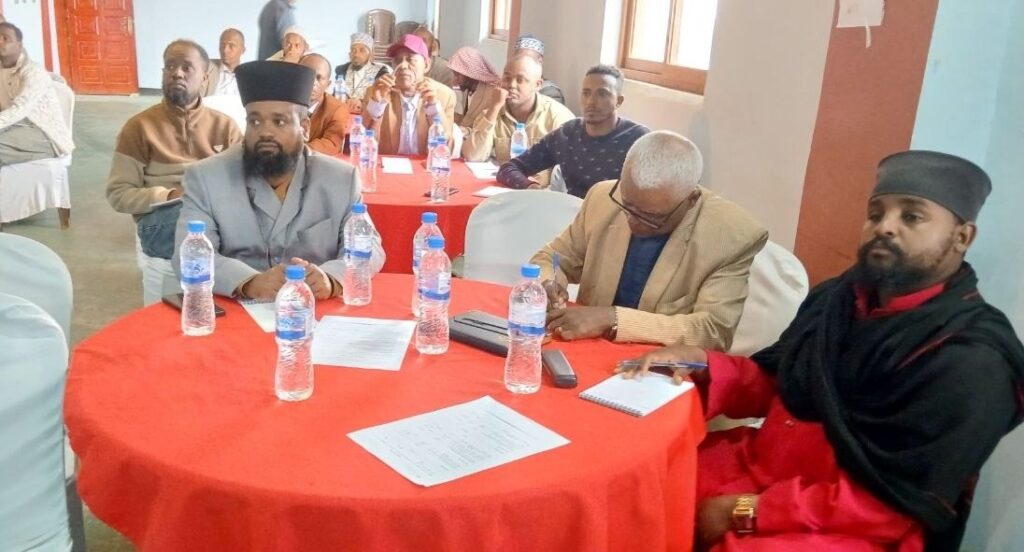
Organized by EHRC’s Human Rights Education Directorate from September 14 to 19, 2026, the workshops gathered religious leaders, elders, and community representatives from Buno Bedele, Ilu Aba Bor, East Wollega, and West Wollega zones in Bedele, alongside participants from the Eastern, Southern, Central, and Northern zones of the Sidama Region in Yirgalem.
The program focused on deepening participants’ understanding of core human rights concepts, the objectives of transitional justice, and current national implementation efforts. Through interactive discussions, the sessions equipped leaders to recognize their strategic role and actively shape the process within their respective communities.
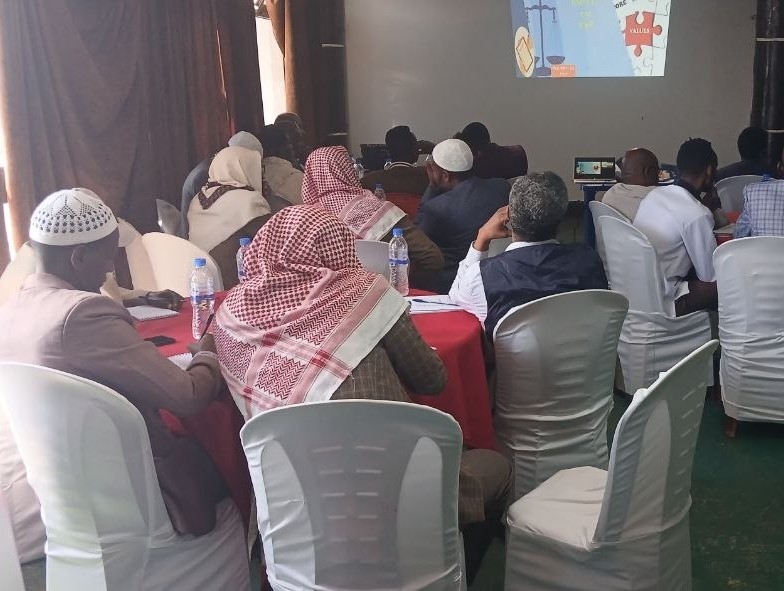
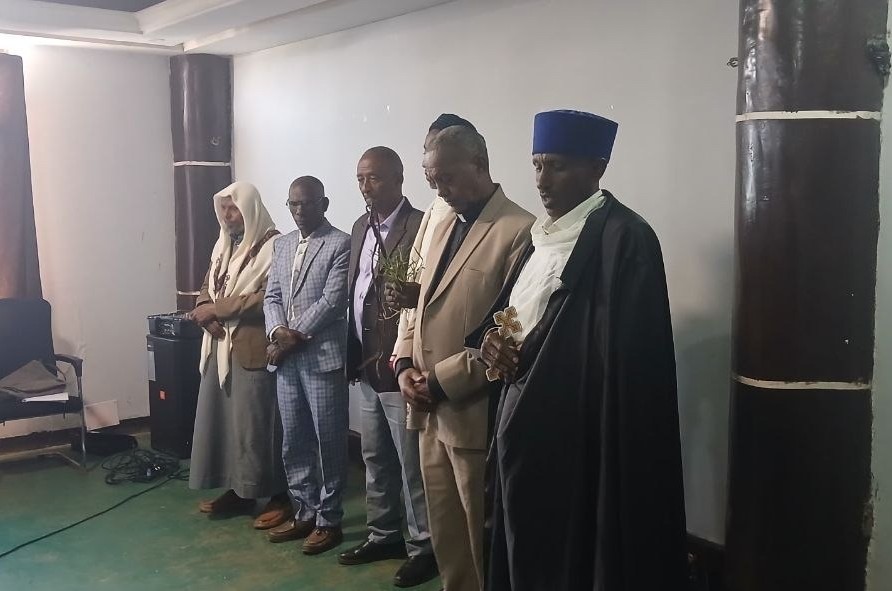
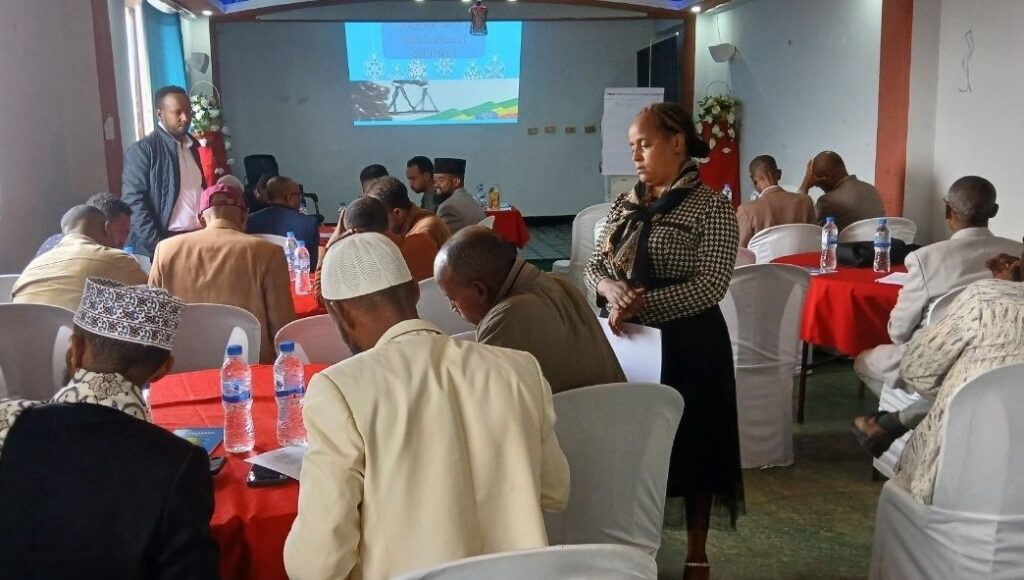
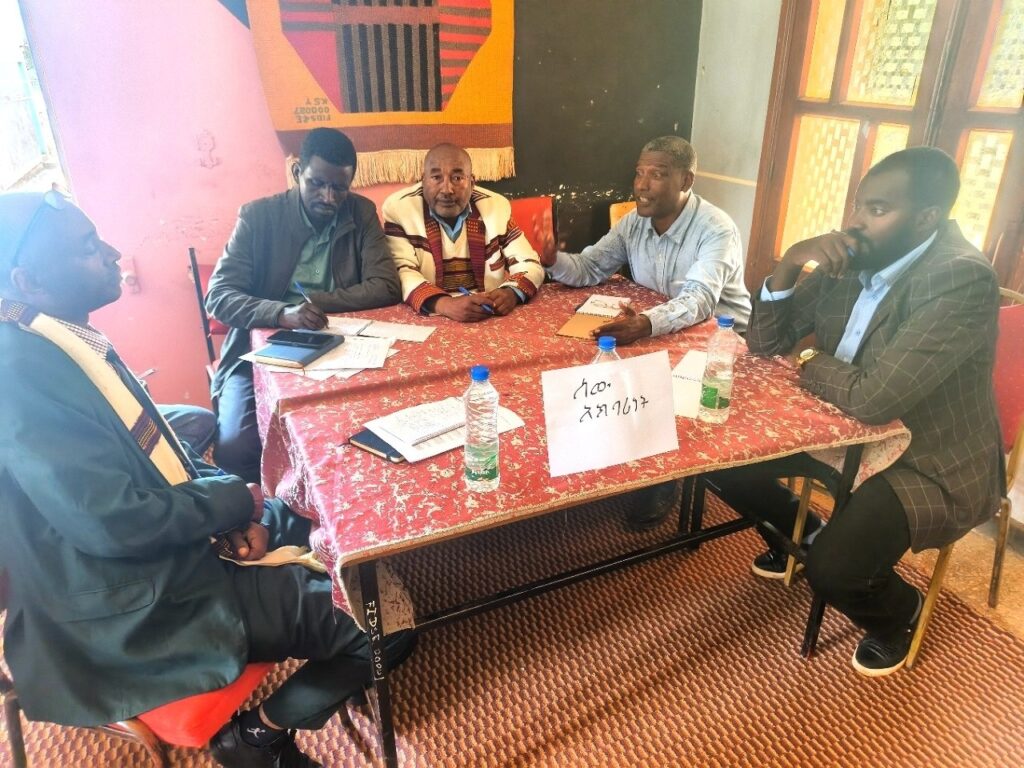
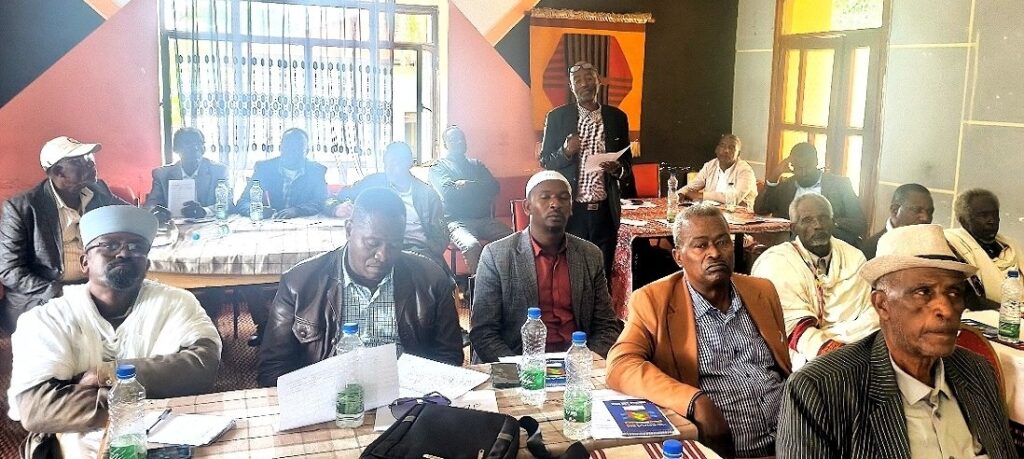
Spanning eight zones, the workshops fostered dialogue on the intersection of human rights and transitional justice, victim-centered protection, and community-level reconciliation mechanisms.
Leveraging the deep-rooted expertise of elders and religious figures in traditional and faith-based dispute resolution, EHRC emphasizes that anchoring transitional justice in human rights principles is essential for equitable and sustainable peace. The Commission plans to expand these capacity-building initiatives to other regions across the country.