

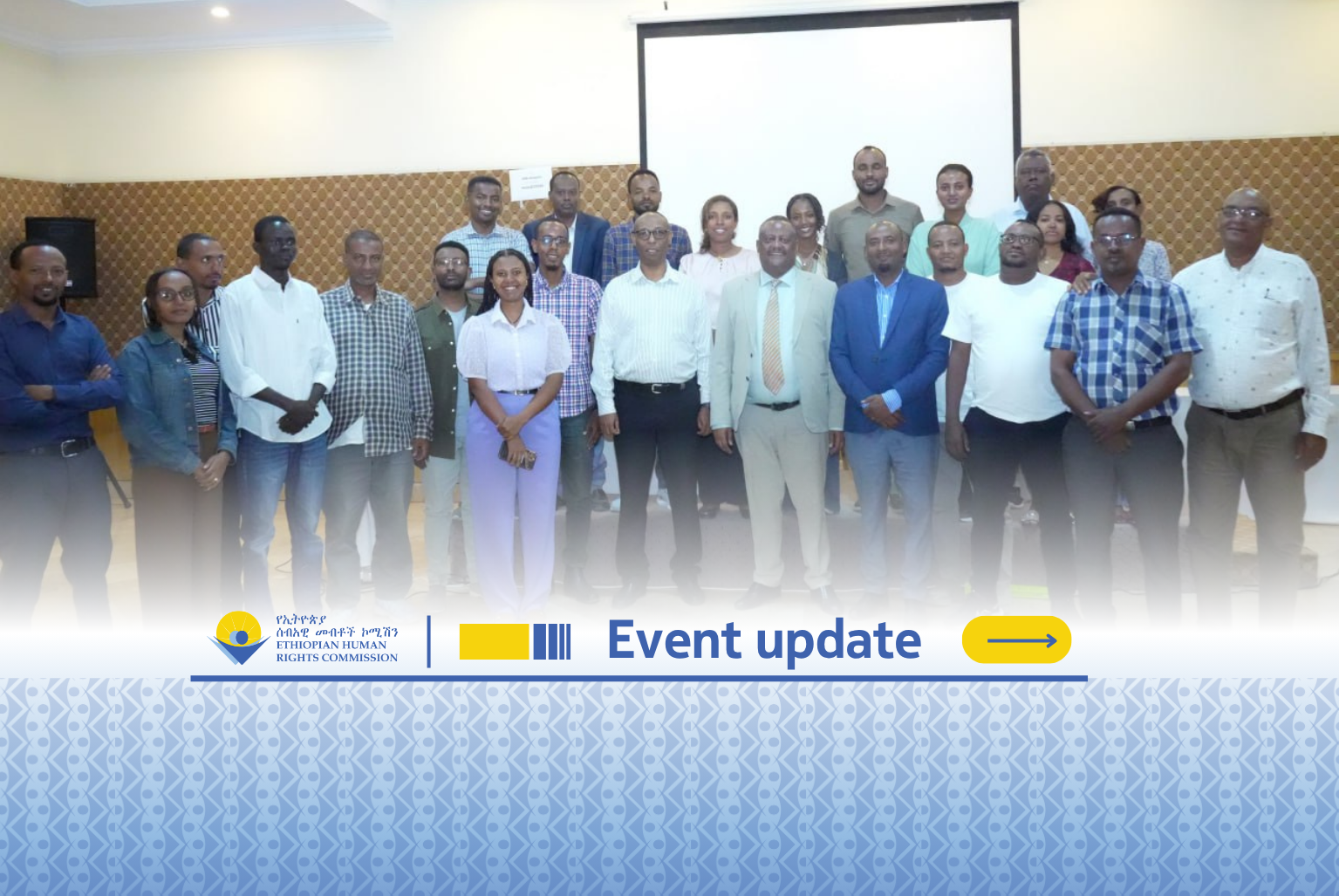
The Ethiopian Human Rights Commission (EHRC) conducted consecutive capacity-building training sessions in Adama on the complaint handling procedure directive and Open-Source Intelligence (OSINT) investigation strategies for newly recruited and existing monitoring and investigation (MONID) experts from its headquarters and city offices.
The training on the complaint handling procedure directive, organized from May 20 to 23, 2026, in collaboration with Project Expedite Justice (PEJ), aimed to enhance the skills of newly recruited experts in both the newly opened and existing EHRC city offices. The training was delivered by EHRC Deputy Chief Commissioner Dr. Mizanie Abate, thematic Commissioners, and MONID Directors. The training featured extensive discussions and practical exercises on the directive’s objectives, complaint management procedures, pre-investigation processes, use of the Electronic Case Management System (CMS), and report writing.
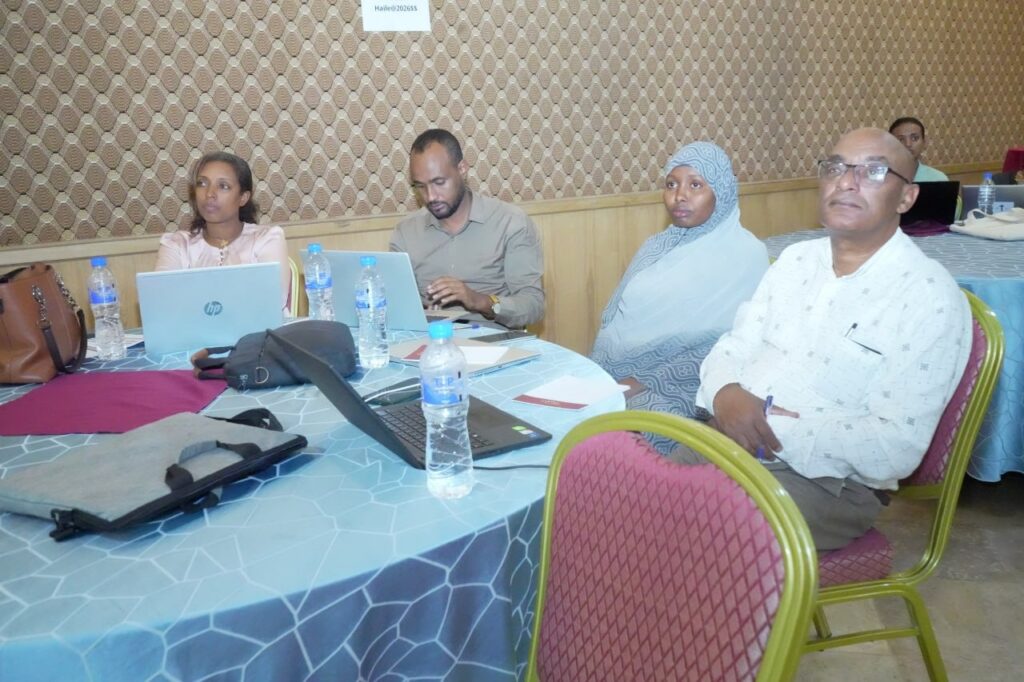
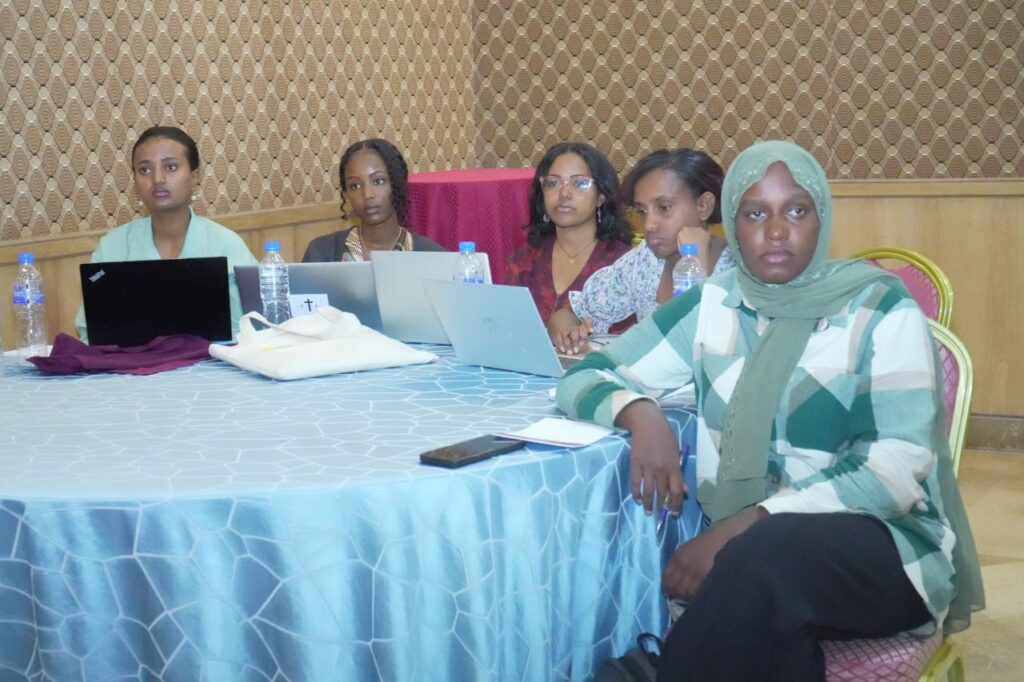
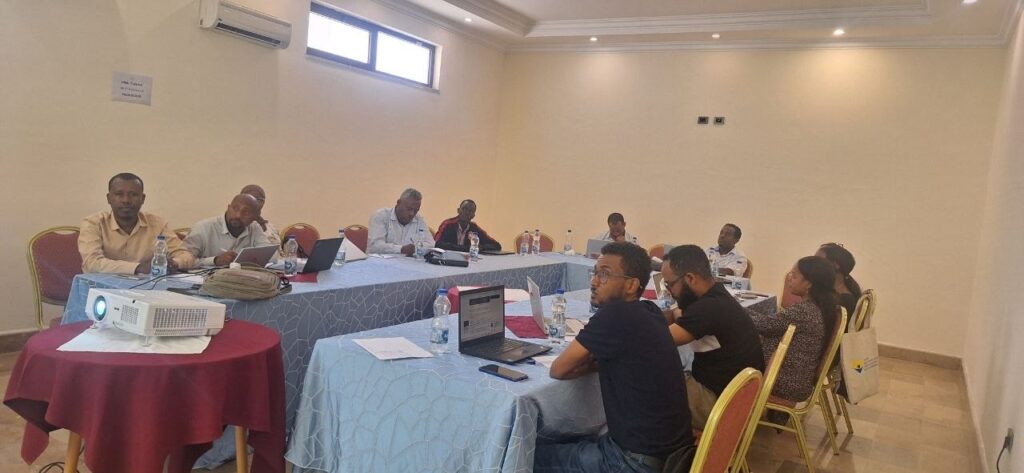
Launching the training, EHRC’s Chief Commissioner Berhanu Adello noted that the training contributes significantly to enabling professionals to develop the necessary knowledge and skills to perform their work effectively. He further called upon the trainees to use the newly acquired skills to advance the protection of human rights.
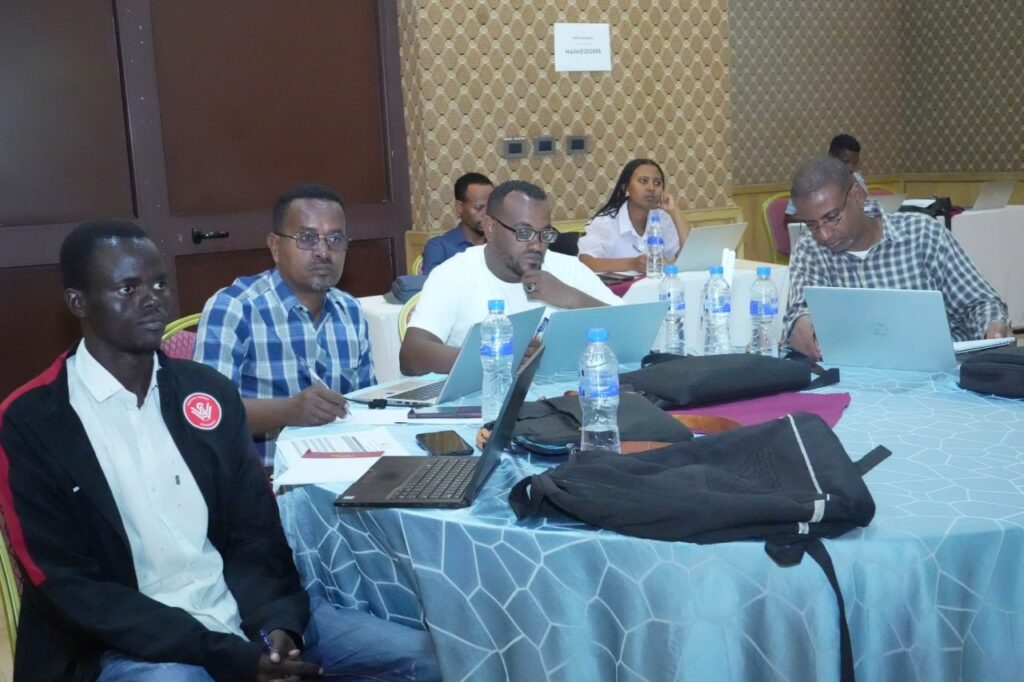
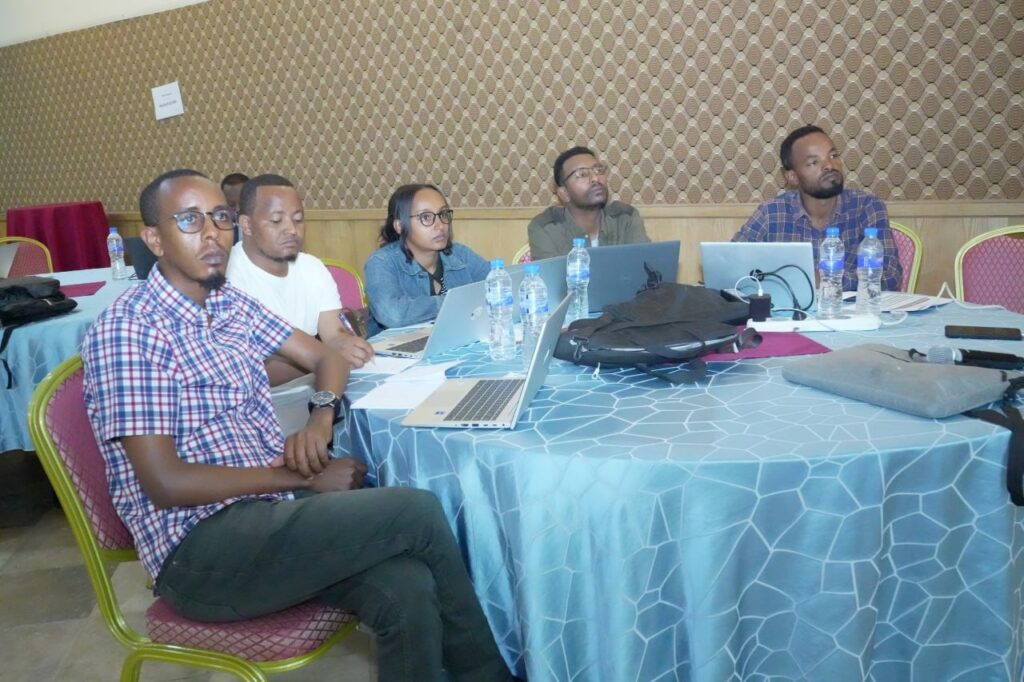
The second training, designed to enable the verification of human rights violations through digital methodologies in areas under ongoing conflict was delivered in two rounds: from May 4 to 8 and from May 11 to 14, 2026. The sessions fostered a comprehensive understanding of open-source information gathering, digital data security, social media analysis, core principles of media content verification, image and video geolocation and chrono-location techniques, and management of vicarious trauma encountered during investigations.
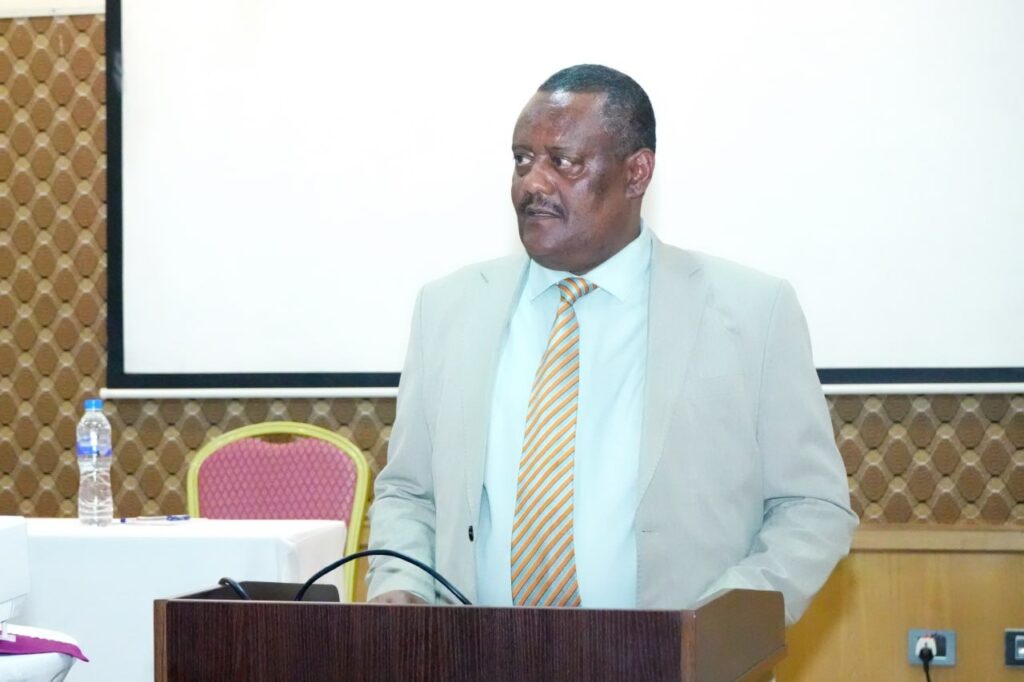
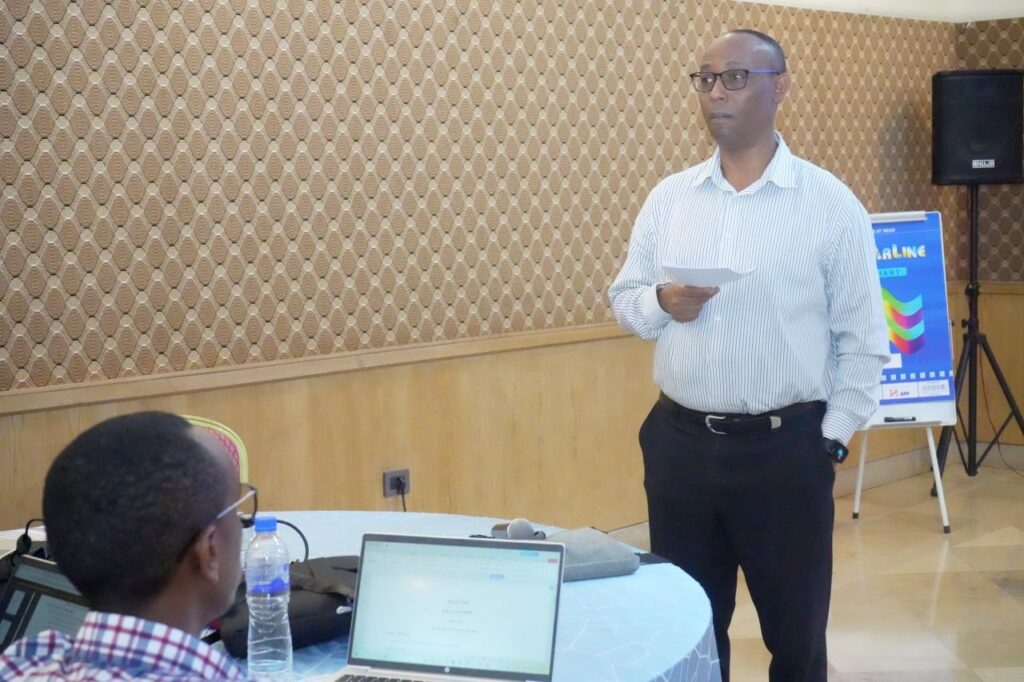
Participating experts stated that the training significantly enhanced their digital investigation skills and requested the Commission to continue strengthening such capacity-building initiatives.
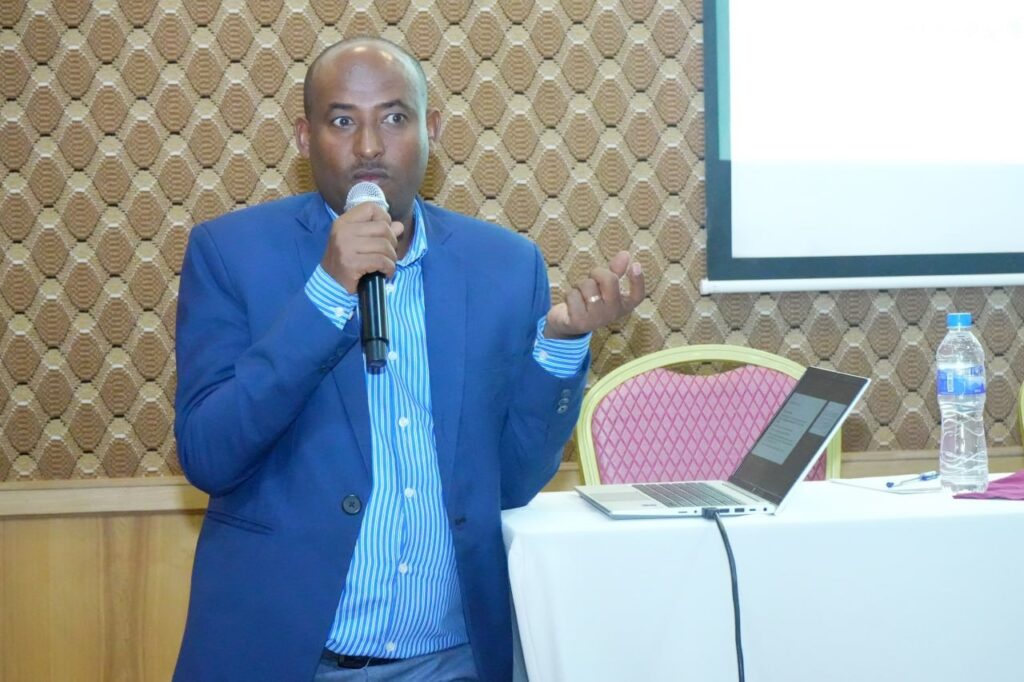
EHRC Commissioner for Human Rights Education and Training, Badassa Lamessa, stated that digital investigation is a key component of the EHRC complaint handling guidelines. He stressed that, in an era of pervasive artificial intelligence and misinformation, verifying the authenticity of digital information is critical to the protection of human rights and called upon the trainees to apply their newly acquired knowledge and skills in digital investigation work.