

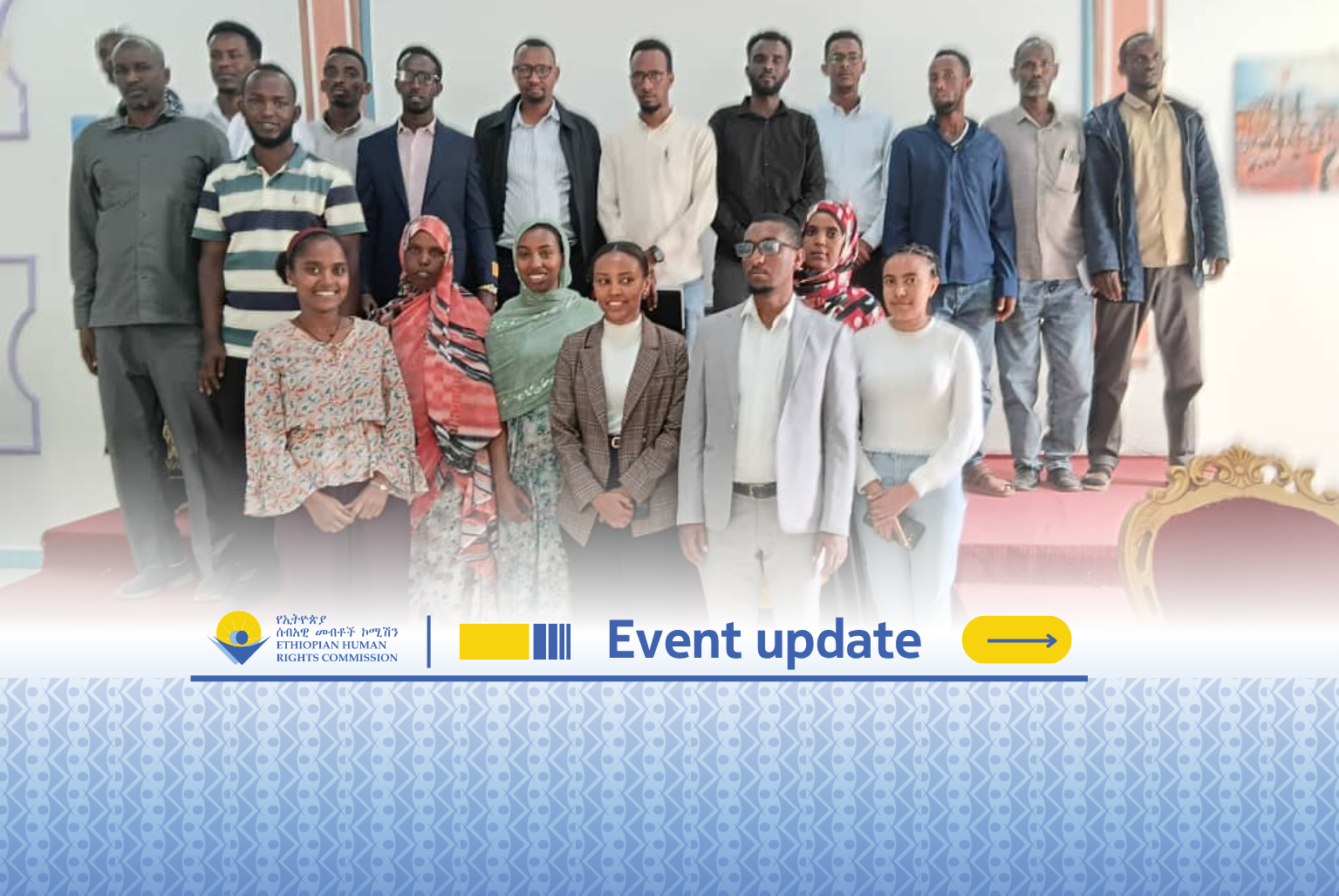
The Ethiopian Human Rights Commission (EHRC) convened a stakeholder consultation in Jigjiga on April 7, 2026, to discuss findings and recommendations from its human rights monitoring of the right to education in selected pastoralist areas of the Somali Region. The discussion brought together representatives from the Somali Region’s Bureaus of Education, Irrigation and Lowland Areas; Women and Children’s Affairs; and Disaster Risk Management, as well as officials from various Woreda education offices.
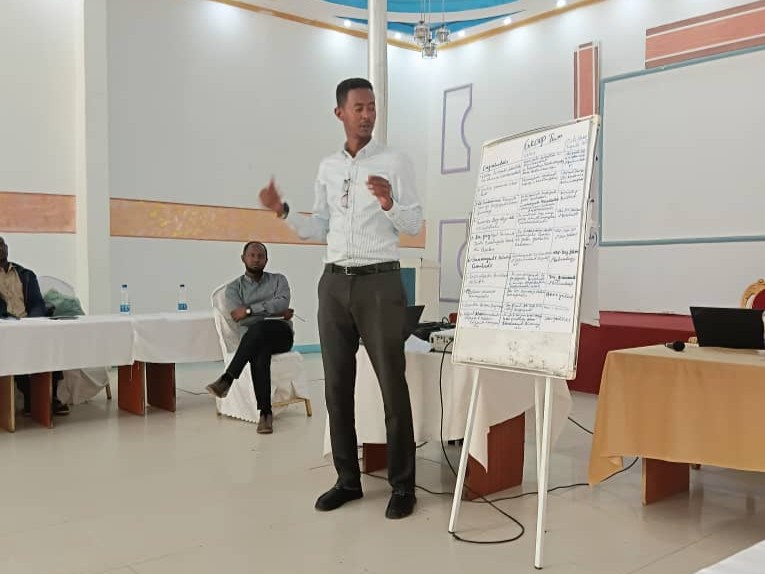
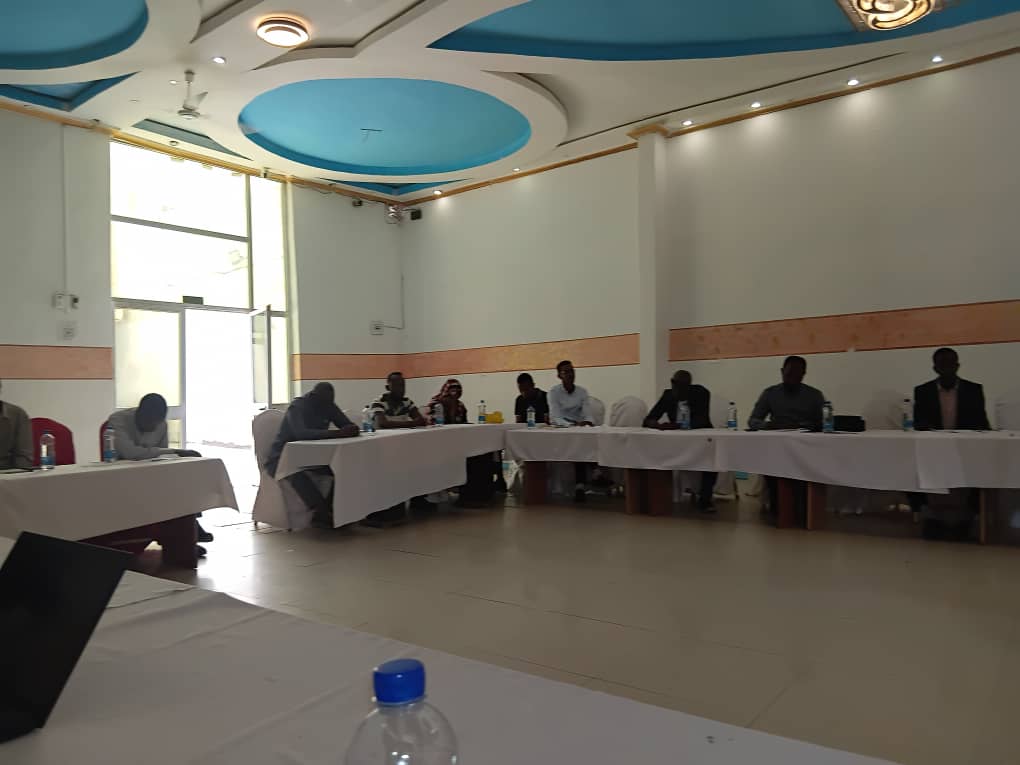
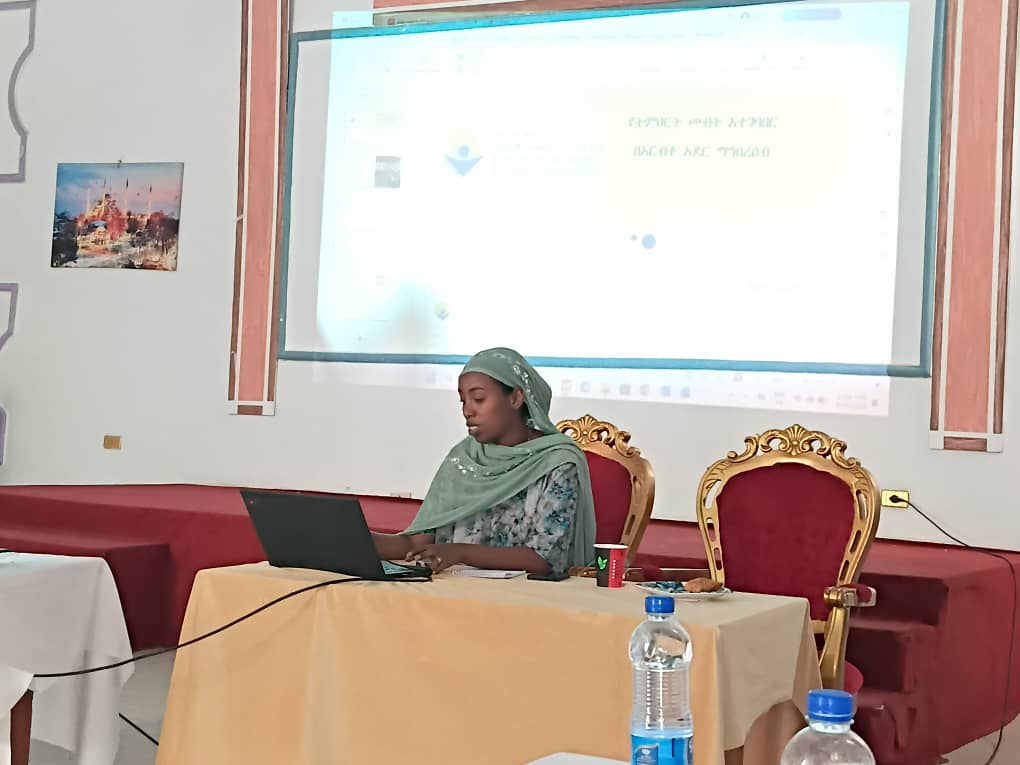
During the session, EHRC presented findings from its monitoring of the right to education in pastoralist areas, including the protections granted under international and national legal frameworks, which was followed by an extensive discussion.
During the consultation, the need to rehabilitate schools damaged by heavy winds, expand infrastructure, and provide continuous training to enhance teachers’ knowledge and skills was highlighted. Furthermore, it was noted that emphasis should be placed on designing educational strategies that align with the pastoralist lifestyle, including the expansion of mobile and boarding schools.
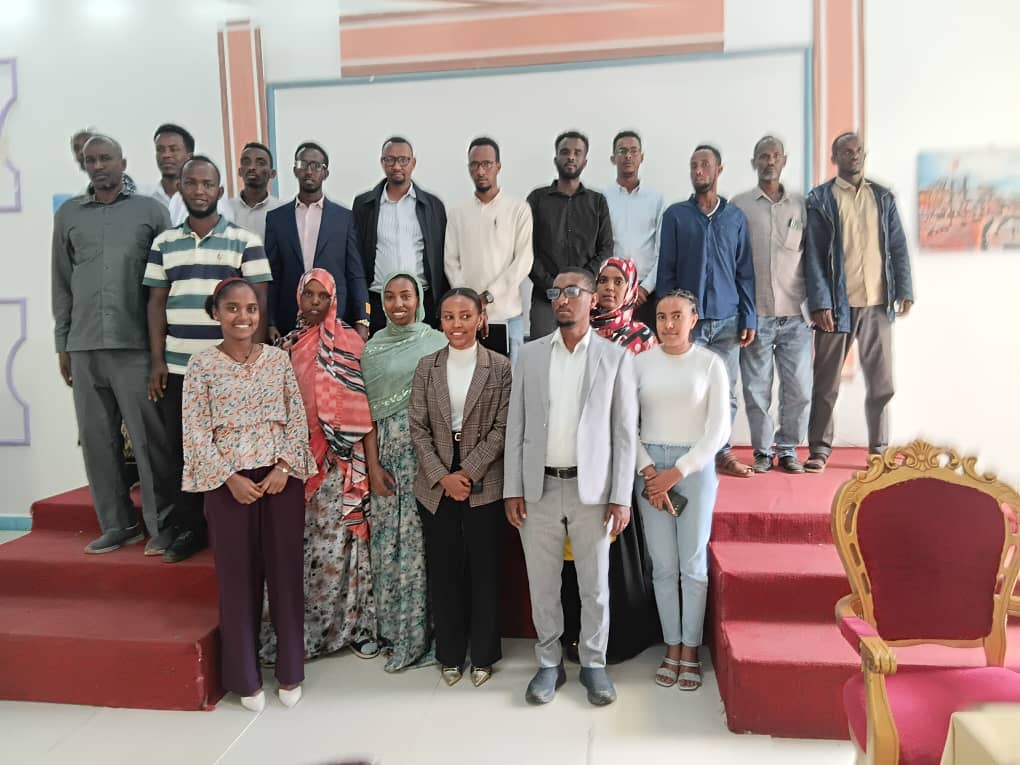
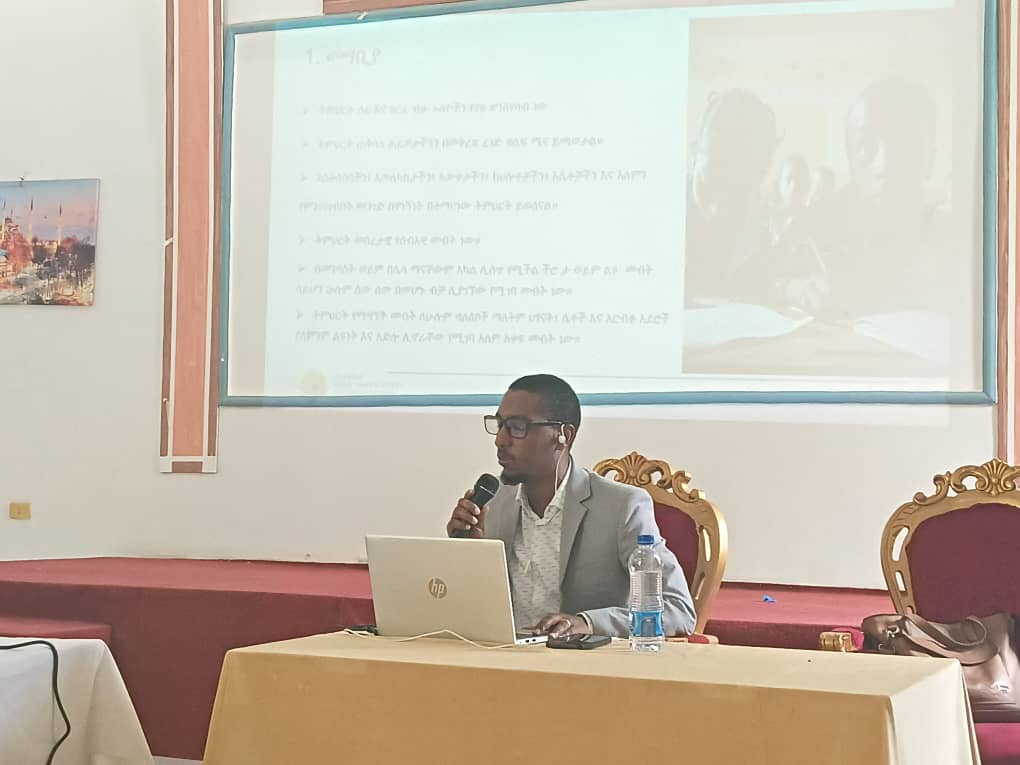
Participants stated that a coordinated effort among government entities at all levels, civil society organizations, and other relevant stakeholders is essential to sustainably address the challenges faced by pastoralist communities.
Hawi Asfaw, EHRC’s Director of Social and Economic Rights, stated that harmonizing education with the community’s way of life and guaranteeing its accessibility is crucial to ensuring the right to education in pastoralist areas. She further called upon all stakeholders to undertake coordinated efforts and remedial measures to address infrastructure gaps and other challenges.