

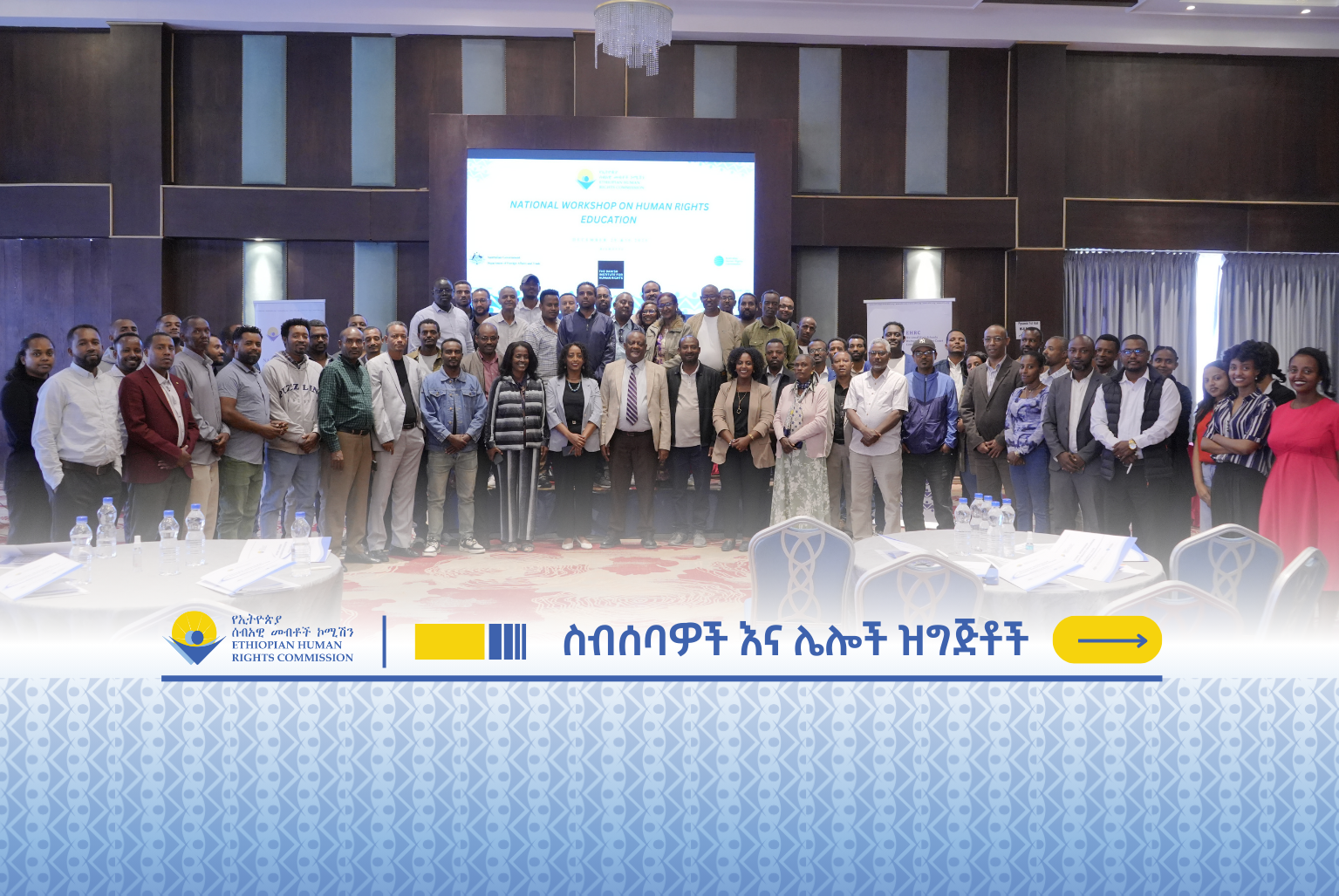
The Ethiopian Human Rights Commission (EHRC) organized a national workshop on human rights education from December 29 – 30, 2025 in Bishoftu. The workshop brought together representatives from the Ministry of Education, regional education bureaus, law schools, human rights centers, and Civil Society Organizations (CSOs).
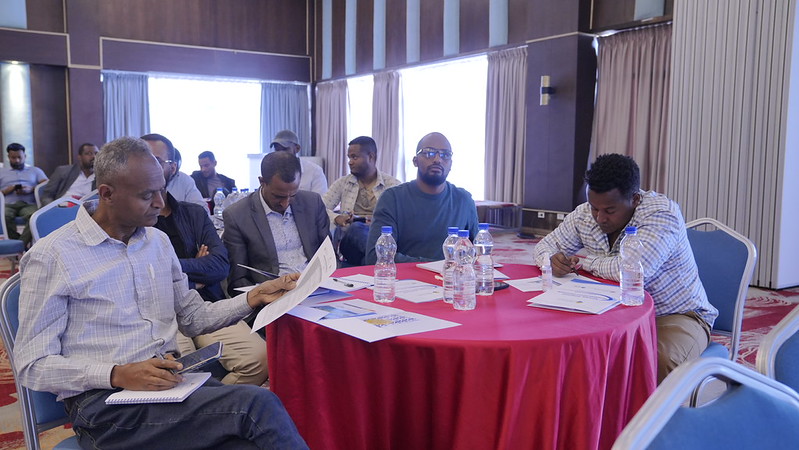
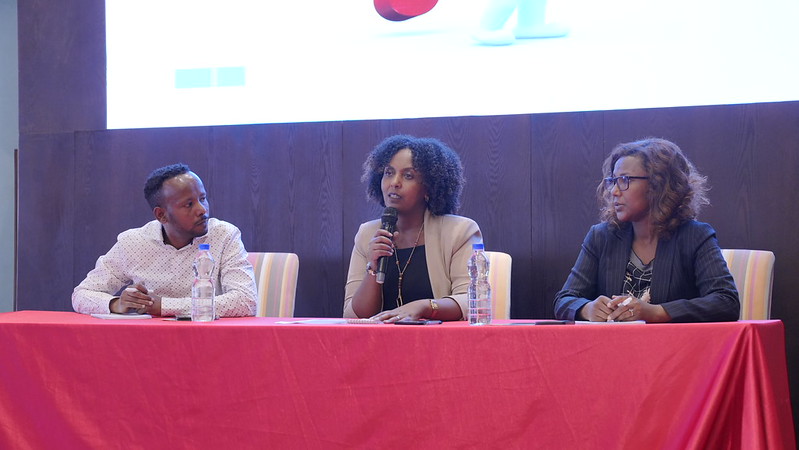
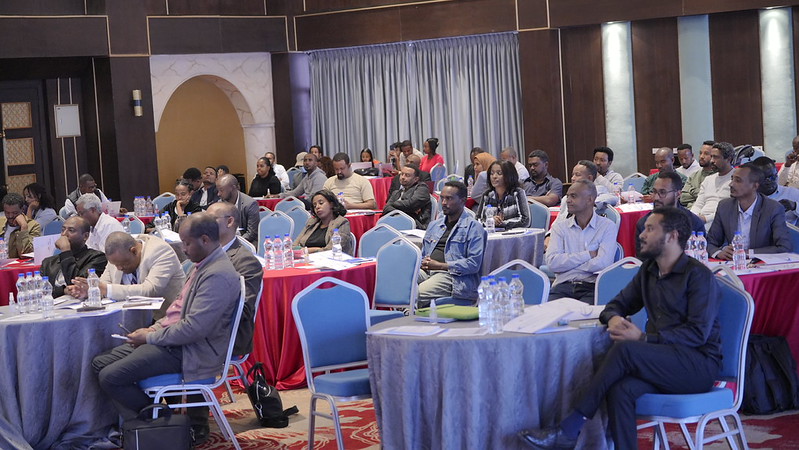
The workshop aimed to foster a common understanding of human rights education and current trends and to share assessment findings on the mainstreaming of human rights education in Ethiopia’s primary and secondary school education system. Dr. Felisa Tibbitts, Chair in Human Rights Education, Utrecht University, the Netherlands, and UNESCO Chair in Human Rights and Higher Education, delivered a presentation on the role of human rights education within Ethiopia’s Moral Education and Citizenship Education, while Ministry of Education experts presented a brief assessment on the translation and contextualization of moral education textbooks in selected regions.
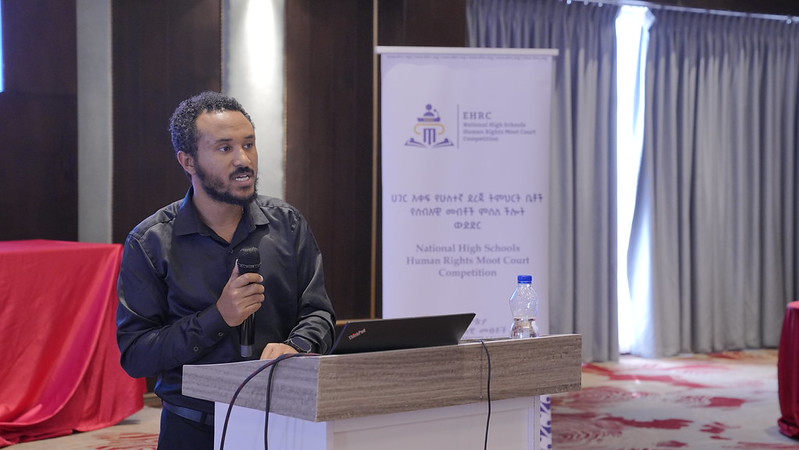
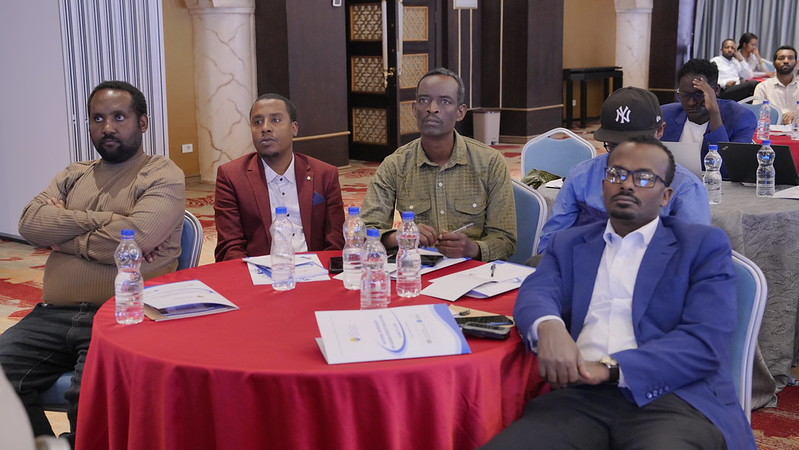
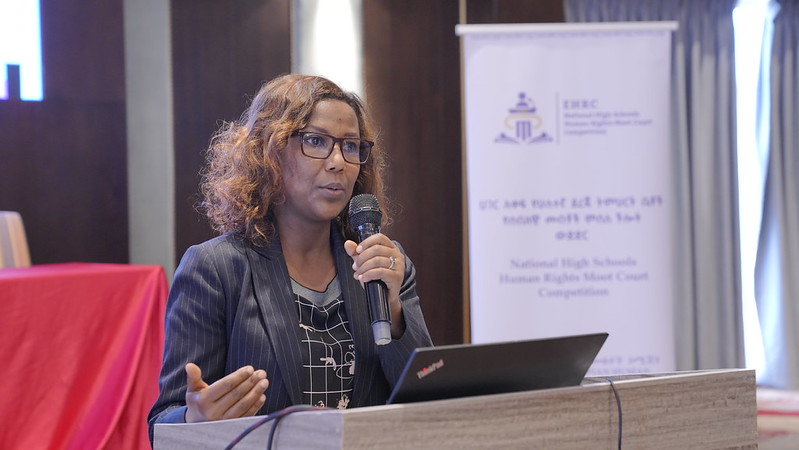
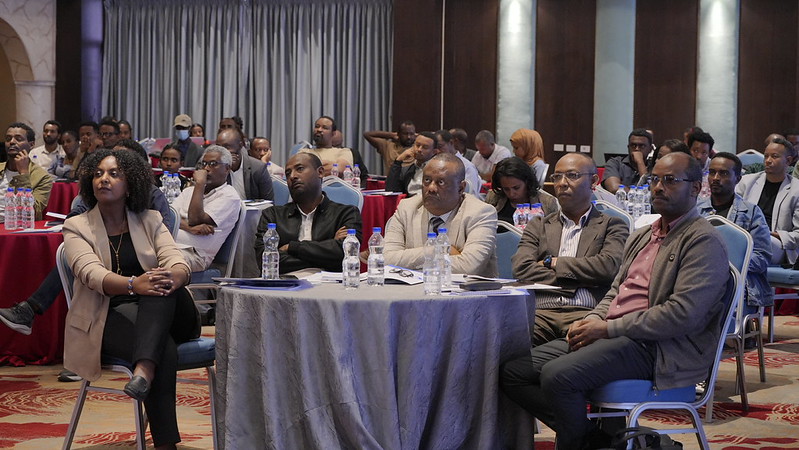
The workshop further focused on partnership building through parallel sessions involving various stakeholders. The Ministry of Education and regional education bureaus representatives discussed lessons from the 5th National High School Human Rights Moot Court Competition, introduced updated competition rules, and officially launched the Human Rights Club Manual. In a parallel session, the Addis Ababa University Center for Human Rights (AAU-CHR), the Ethiopian Law Schools Association (ELSA) and EHRC presented and shared their institutional experiences. Participants welcomed EHRC’s Partnership Policy and expressed strong interest in expanding joint initiatives in human rights education.
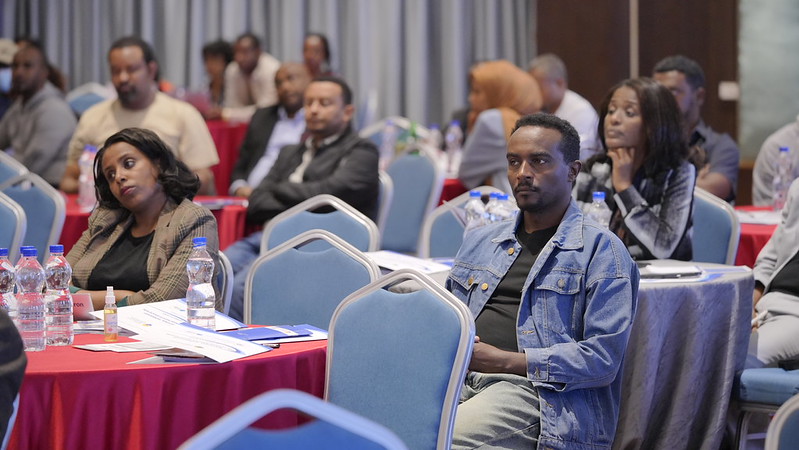
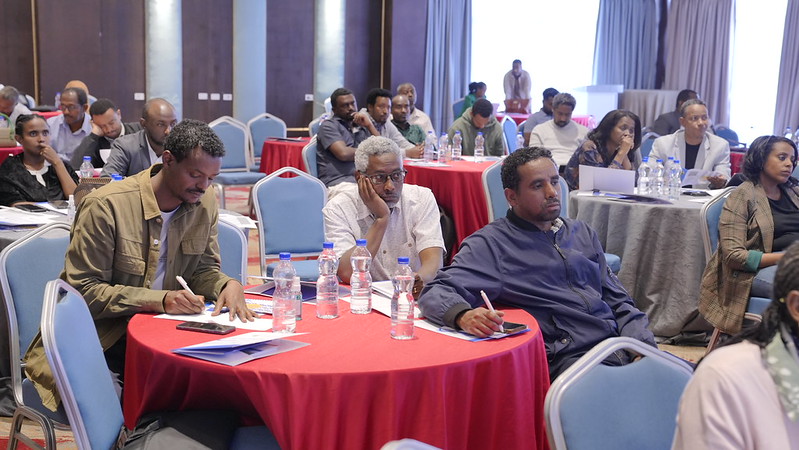
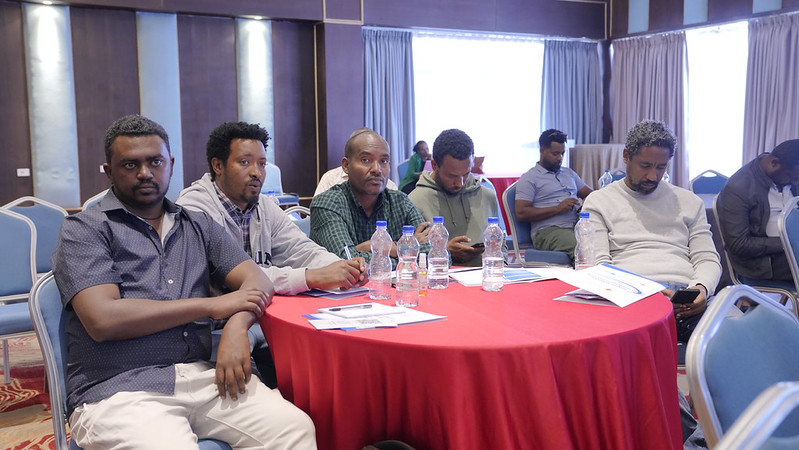
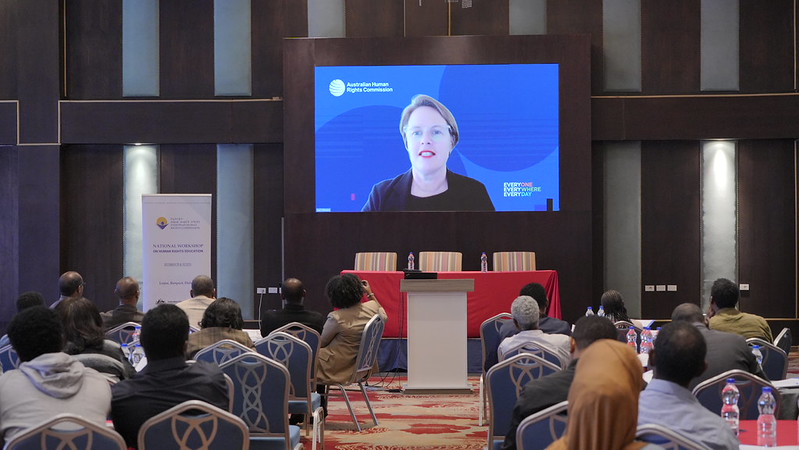
In her keynote address, Suzi Chinnery, Senior Director for Partnerships Projects and Education at the Australian Human Rights Commission, emphasized the importance of embedding human rights within existing subjects such as citizenship education, history, and social studies. She further underscored that human rights education is most effective when it moves from curriculum to culture, from content to capability, and from knowledge to agency. She also highlighted that its most profound impact is achieved when students not only learn about their rights but also experience them within respectful and inclusive learning environments.
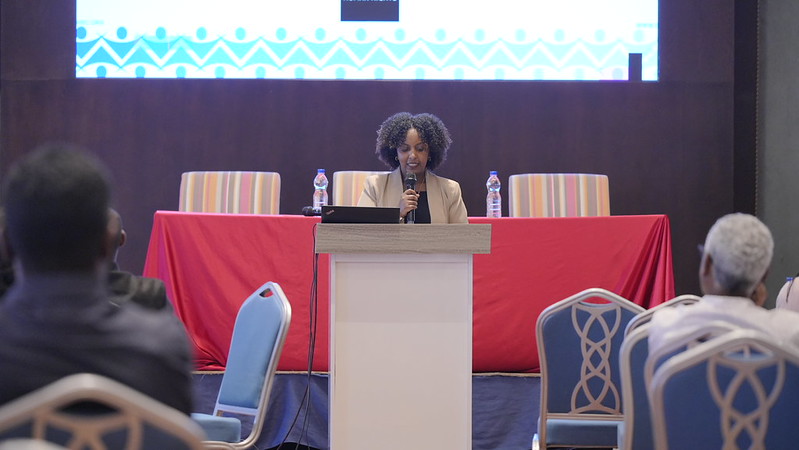
The workshop concluded with participants reaffirming their commitment to strengthening collaboration, enhancing institutional partnerships, and advancing human rights education as a cornerstone of inclusive, equitable, and quality education. They particularly appreciated the practical recommendations outlined in the assessment and emphasized the importance of strengthening coordination between education authorities and human rights institutions. Valuable inputs were provided to refine indicators, strengthen contextual analysis, and enhance alignment with national education policies and curriculum frameworks.

EHRC Chief Commissioner Berhanu Adello highlighted EHRC’s ongoing efforts to integrate human rights education into Ethiopia’s formal education system. These efforts include signing memoranda of understanding with the Ministry of Education, providing expert support during textbook development, and offering human rights training for teachers. He reaffirmed EHRC’s commitment to strengthening partnerships with all stakeholders engaged in human rights education.