

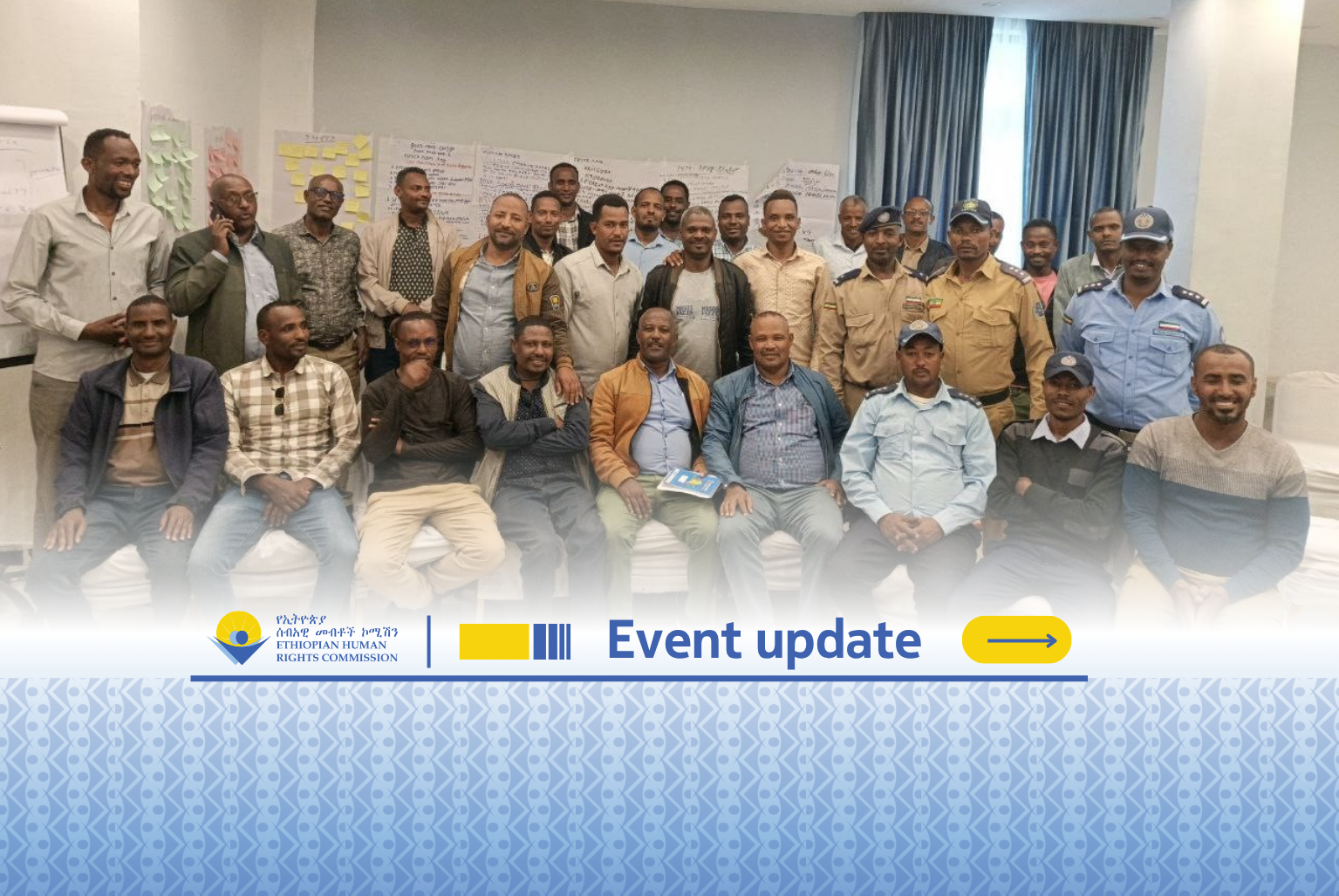
The Ethiopian Human Rights Commission (EHRC) conducted a series of Training of Trainers (ToT) sessions focusing on human rights and transitional justice in various cities during the third quarter of the budget year, from January 1 to April 8, 2026.
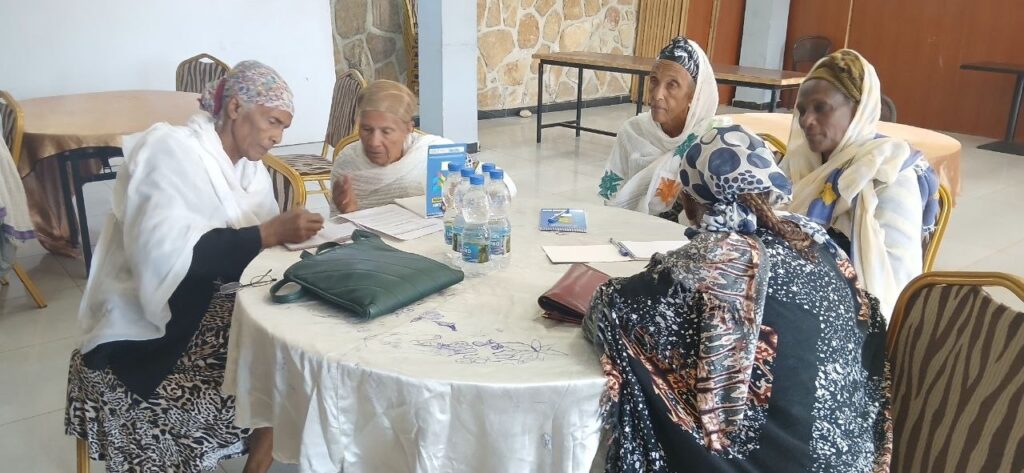
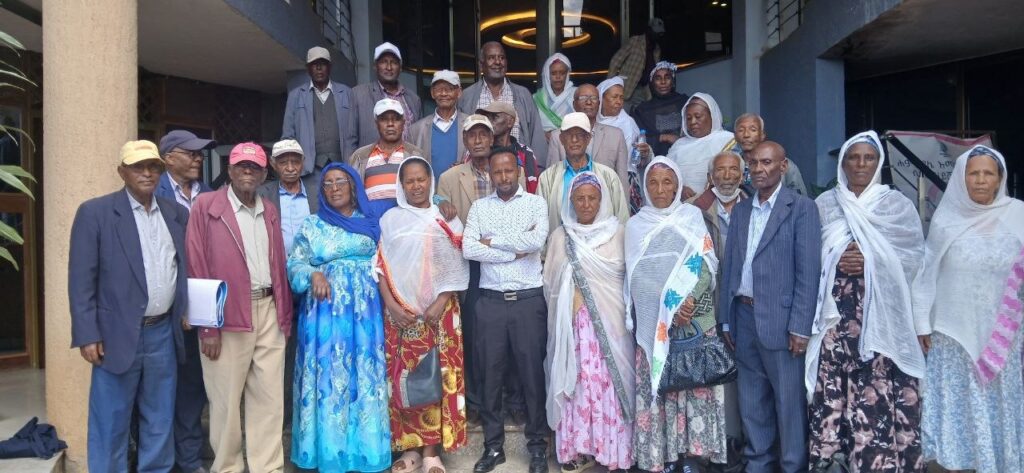
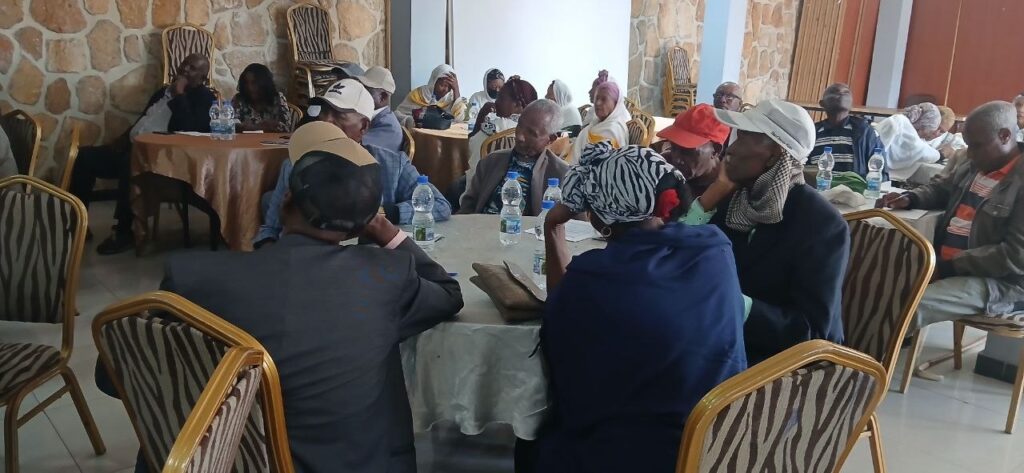
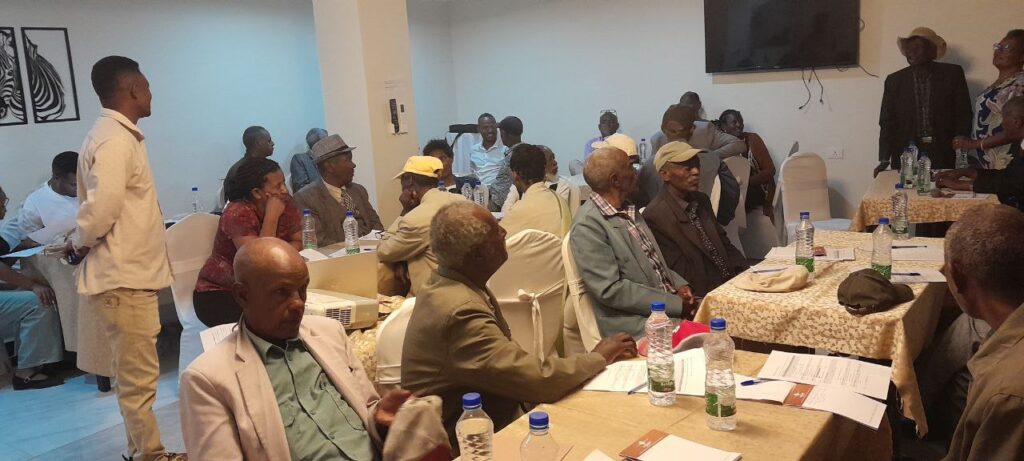
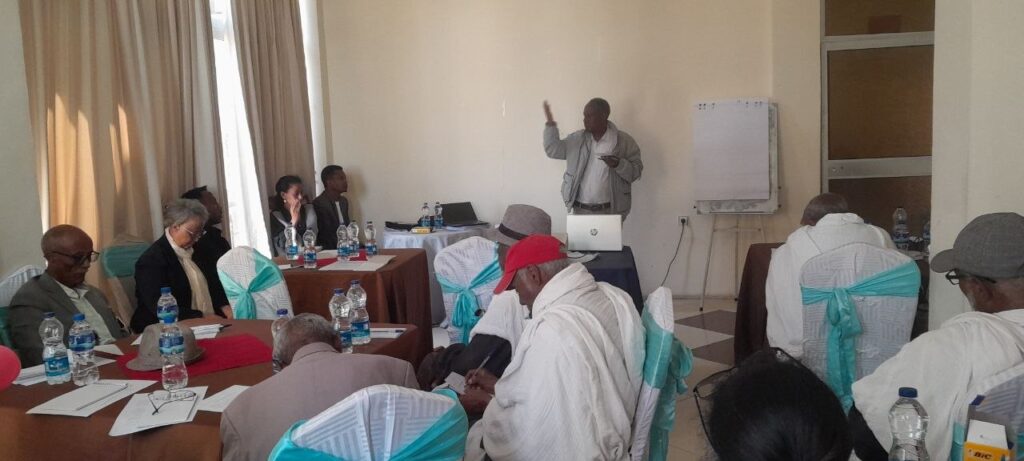
As part of its effort to promote and protect the rights of the elderly, trainings were conducted between February 9 and 13, 2026 in Hawassa and Arba Minch for leaders and members of elderly and pensioners’ associations drawn from the Sidama and South Ethiopia Regions. Similar trainings were conducted in Mekelle from March 23 to 26, 2026, for members of the Tigray Elderly Association, and in Harar from March 30 to April 2, 2026, for associations in the Harari Region. These sessions incorporated practical exercises aimed at strengthening participants’ skills in identifying, reporting, and advocating against human rights violations affecting older persons.
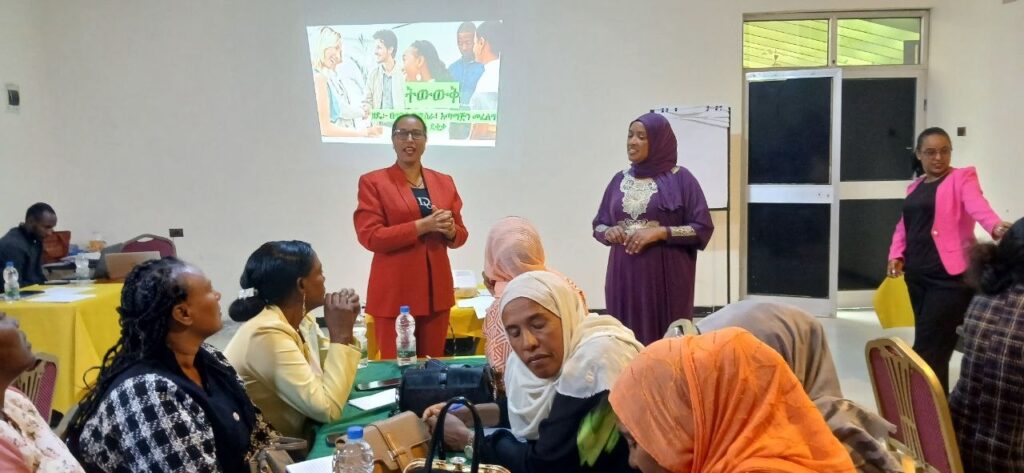
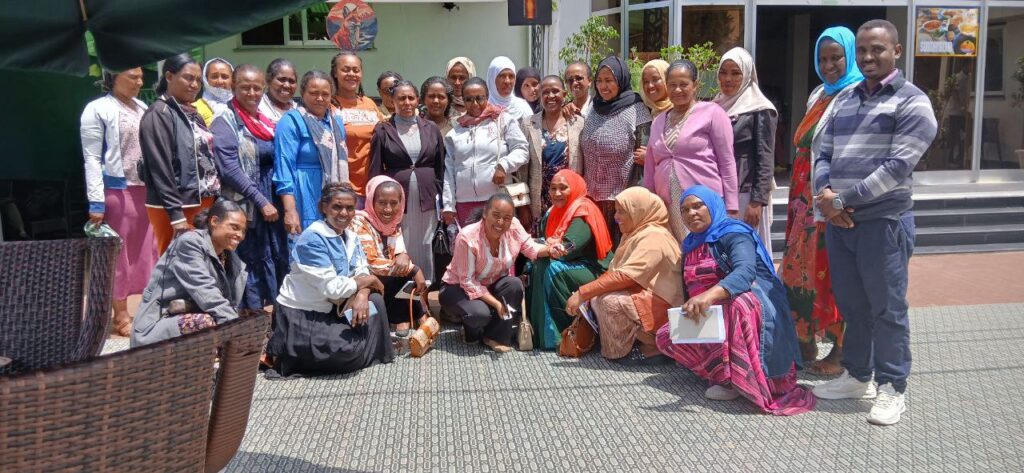
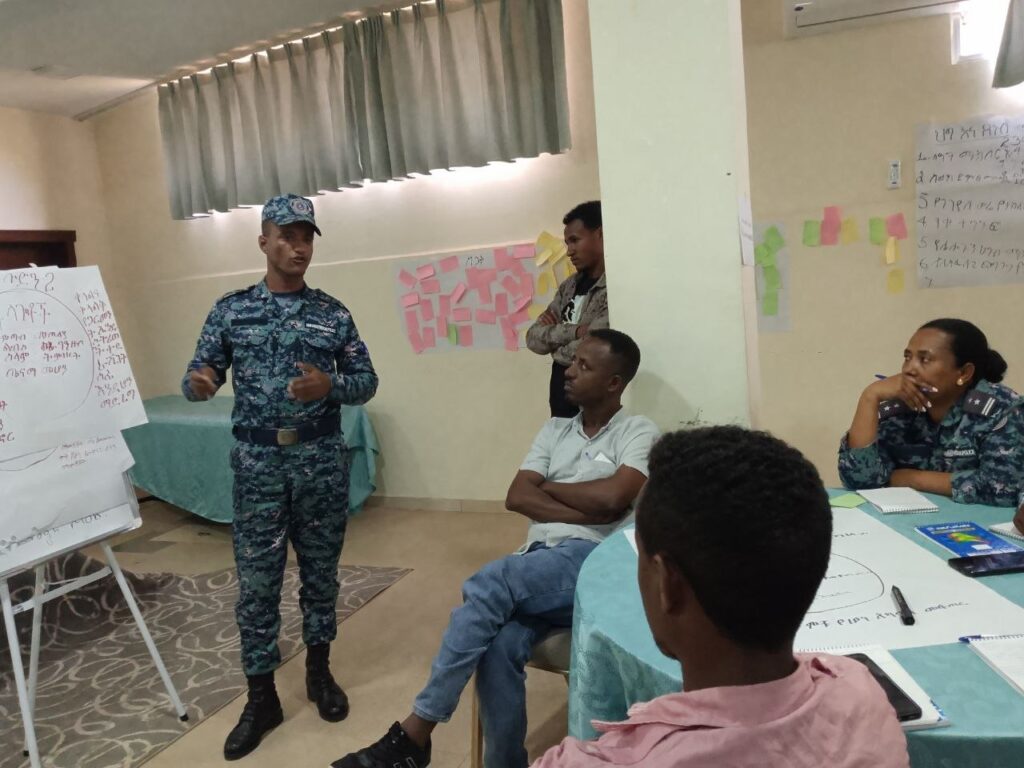
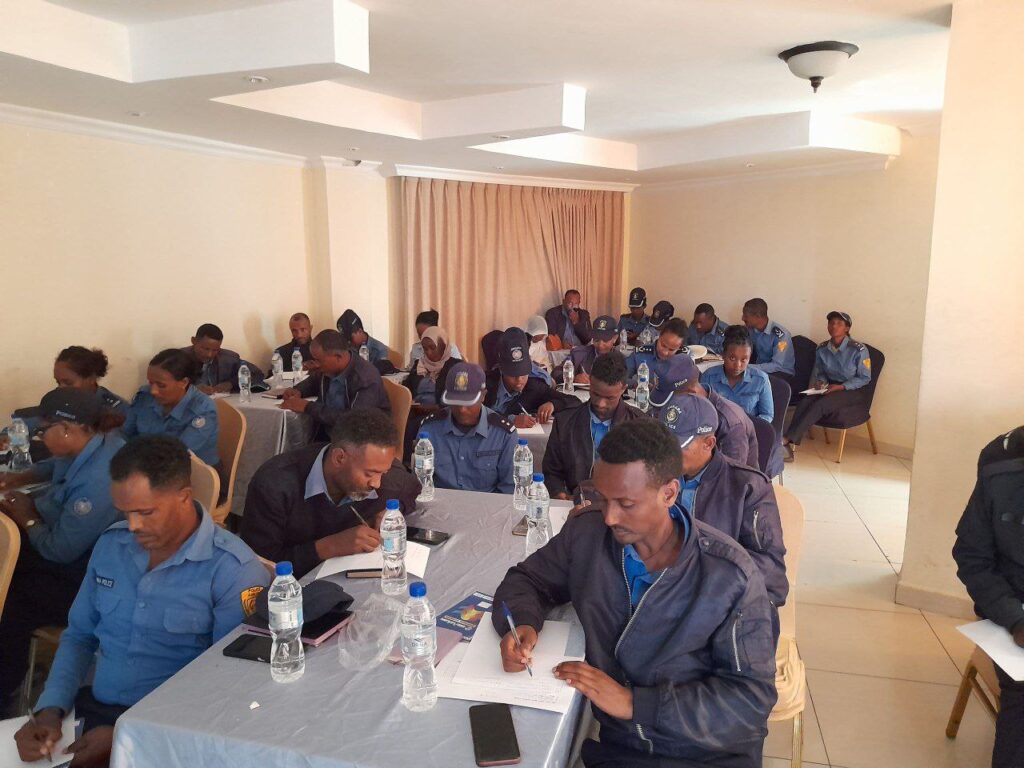
Furthermore, EHRC provided training on the protection of children’s rights to members and officials of the Addis Ababa Police from February 17 to 20, 2026, in Bishoftu. This training aimed to enhance stakeholders’ awareness of the rights of children involved in criminal activities, whether as perpetrators or victims, and featured group discussions where participants shared practical experiences. Additionally, a training session focusing on women’s rights was conducted in Robe from March 9 to 13, 2026, for professionals drawn from the Women and Children’s Affairs offices of the Bale Zone and Robe City administration.
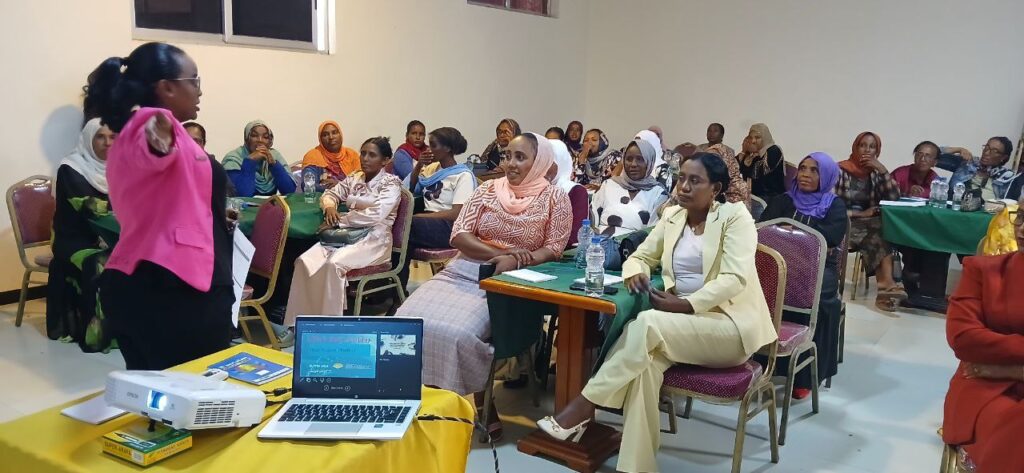
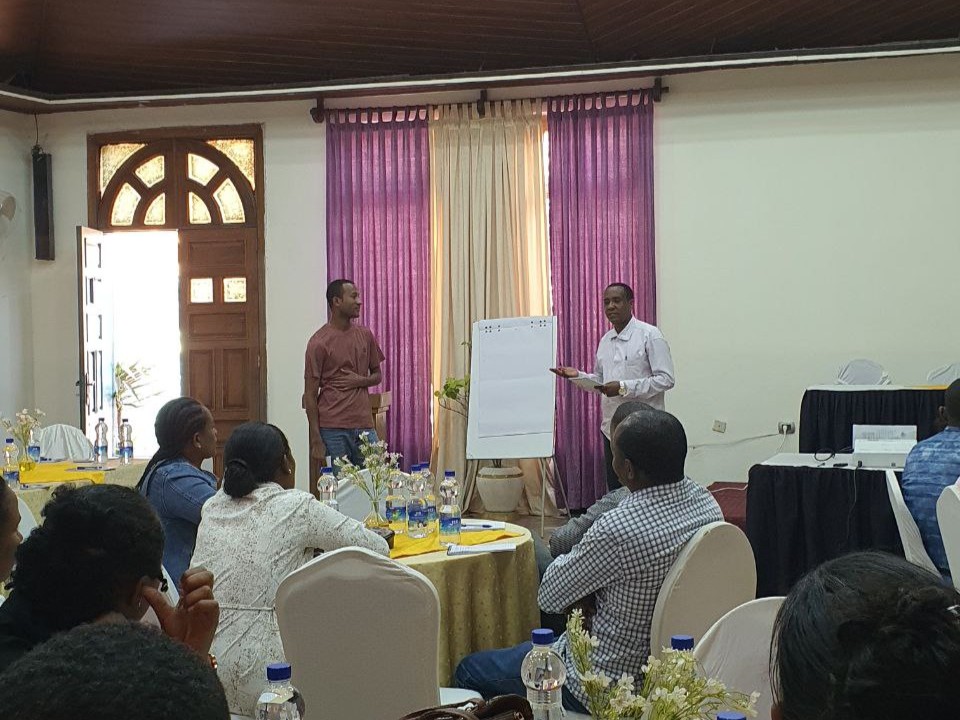
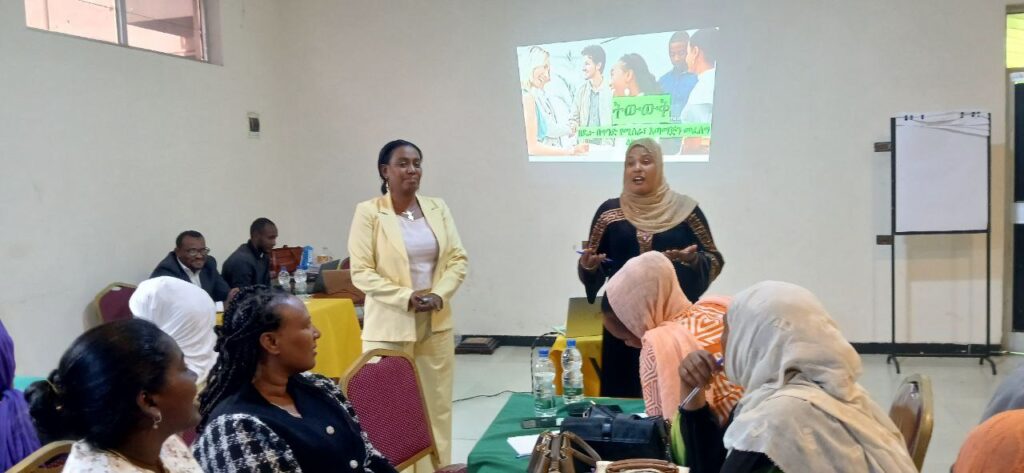
Trainings on the treatment of prisoners were conducted in Hosanna from February 16 to 20, 2026, for officials drawn from various prisons and the Bureau of Justice of the Central Ethiopia Region; to members of the prison police from the Amhara Region prison Commission and six correction centers from March 30 to April 3, 2026, in Bahir Dar and Kombolcha. Furthermore, trainings aimed at building the capacity of police members to respect and enforce human rights were provided to crime prevention and investigation personnel from February 16 to 20, 2026, in Hosanna; from February 23 to 27, 2026, in Dessie; and from March 23 to 26, 2026, in Bishoftu. These training sessions aimed to enhance knowledge, attitudes, and practices regarding the human rights of detainees and suspects.
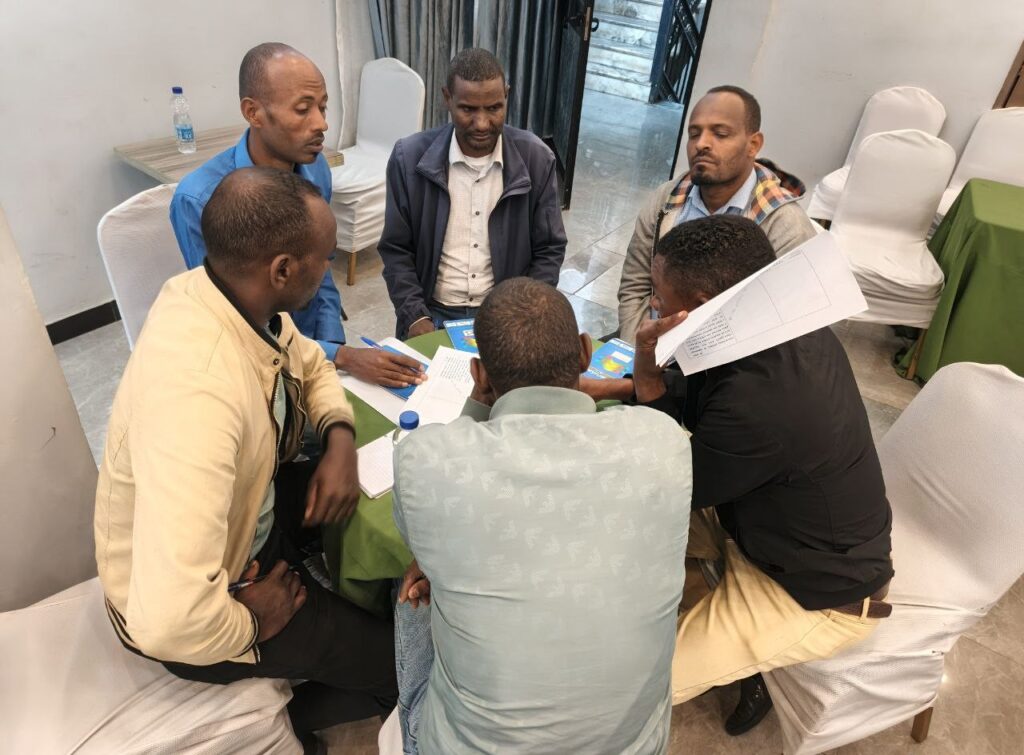
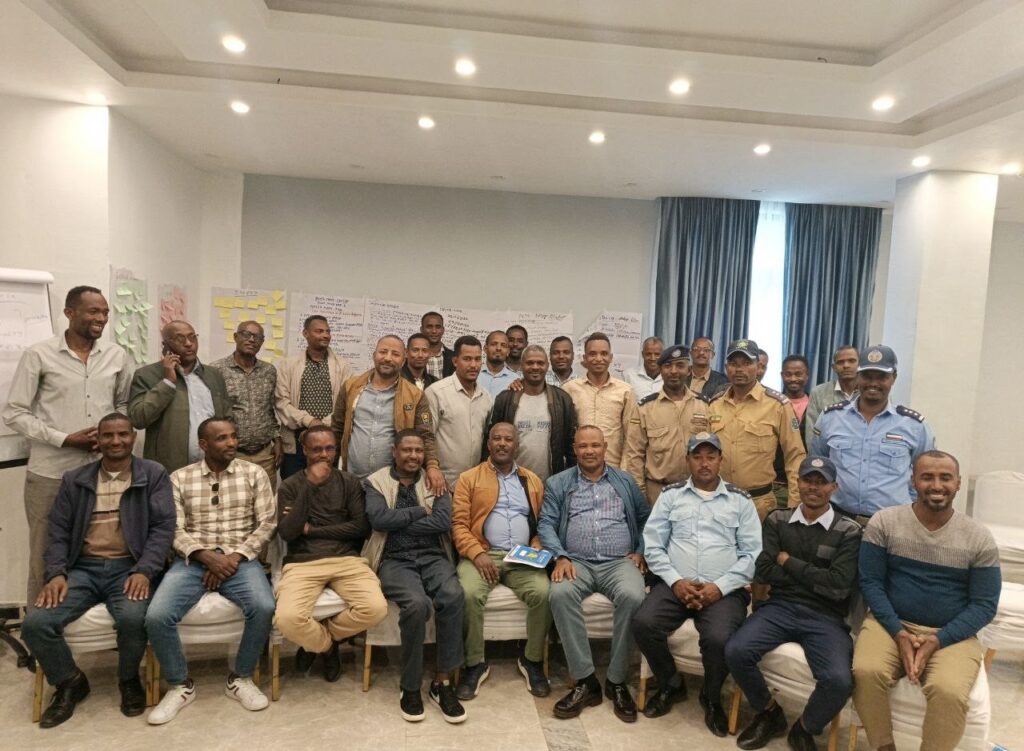
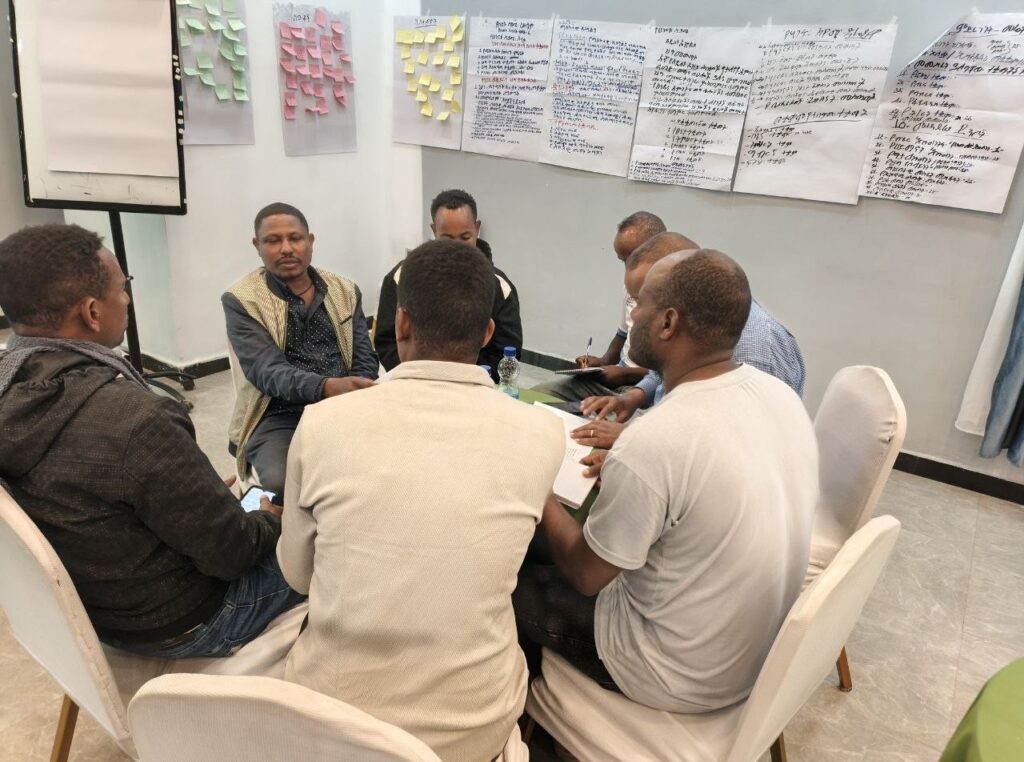
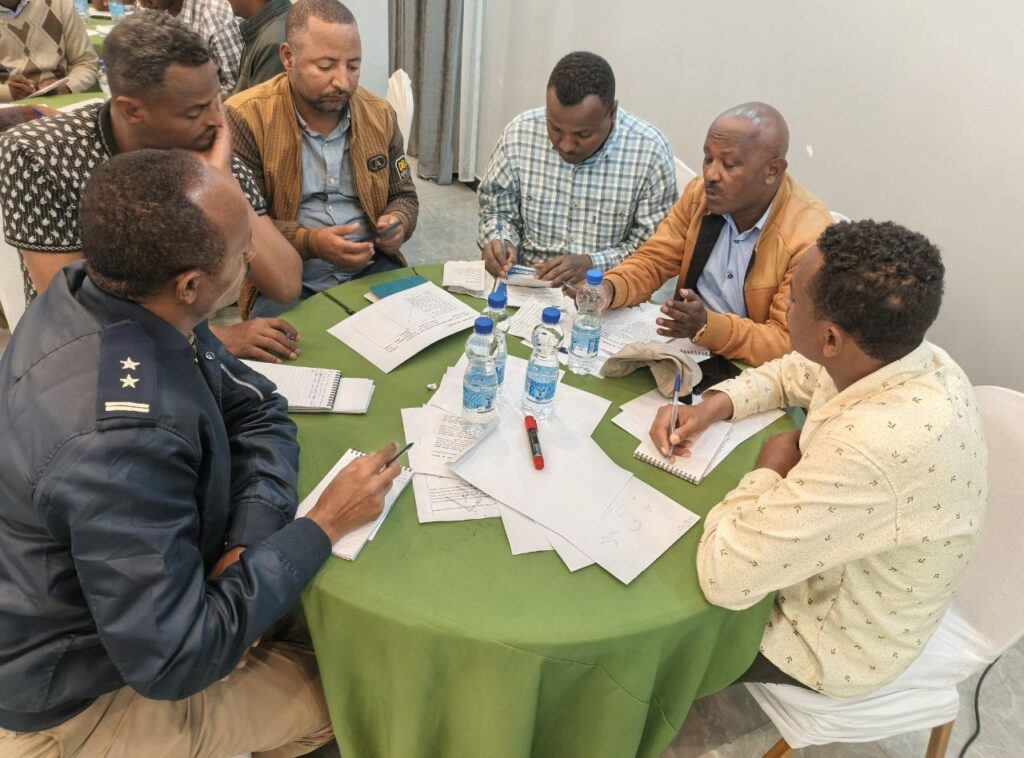
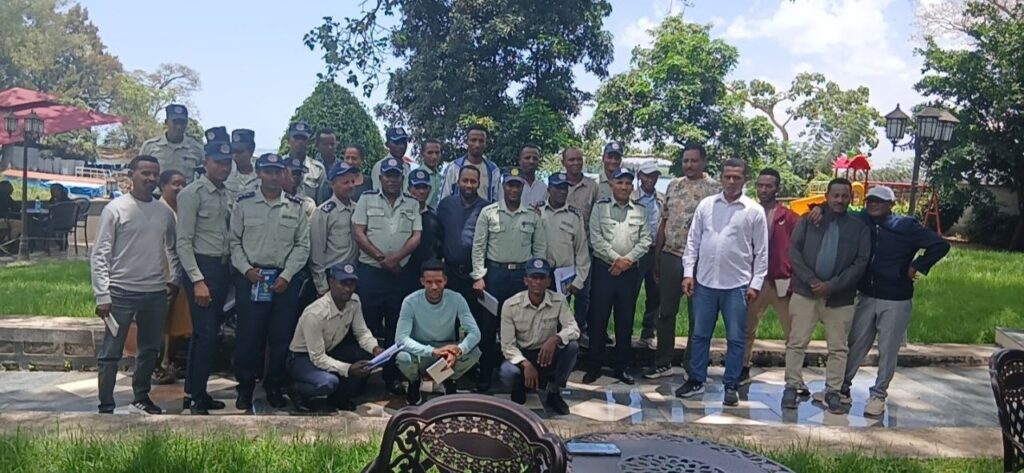
In addition, EHRC provided training on the rights of internally displaced persons (IDPs) from March 9 to 13, 2026, in Harar and Assosa parallelly. The sessions were conducted for officials from institutions that provide services to IDPs, drawn from the Harari and Benishangul-Gumuz regions. Participants expressed their commitment to taking practical action by applying the human rights knowledge and skills acquired during the sessions.
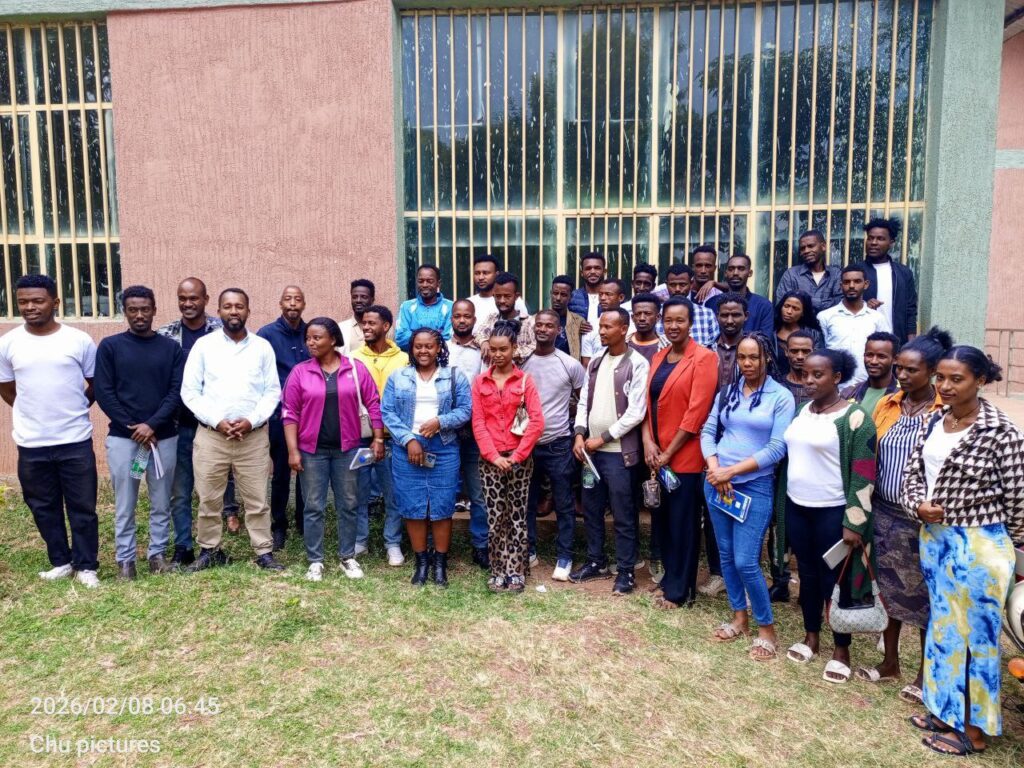
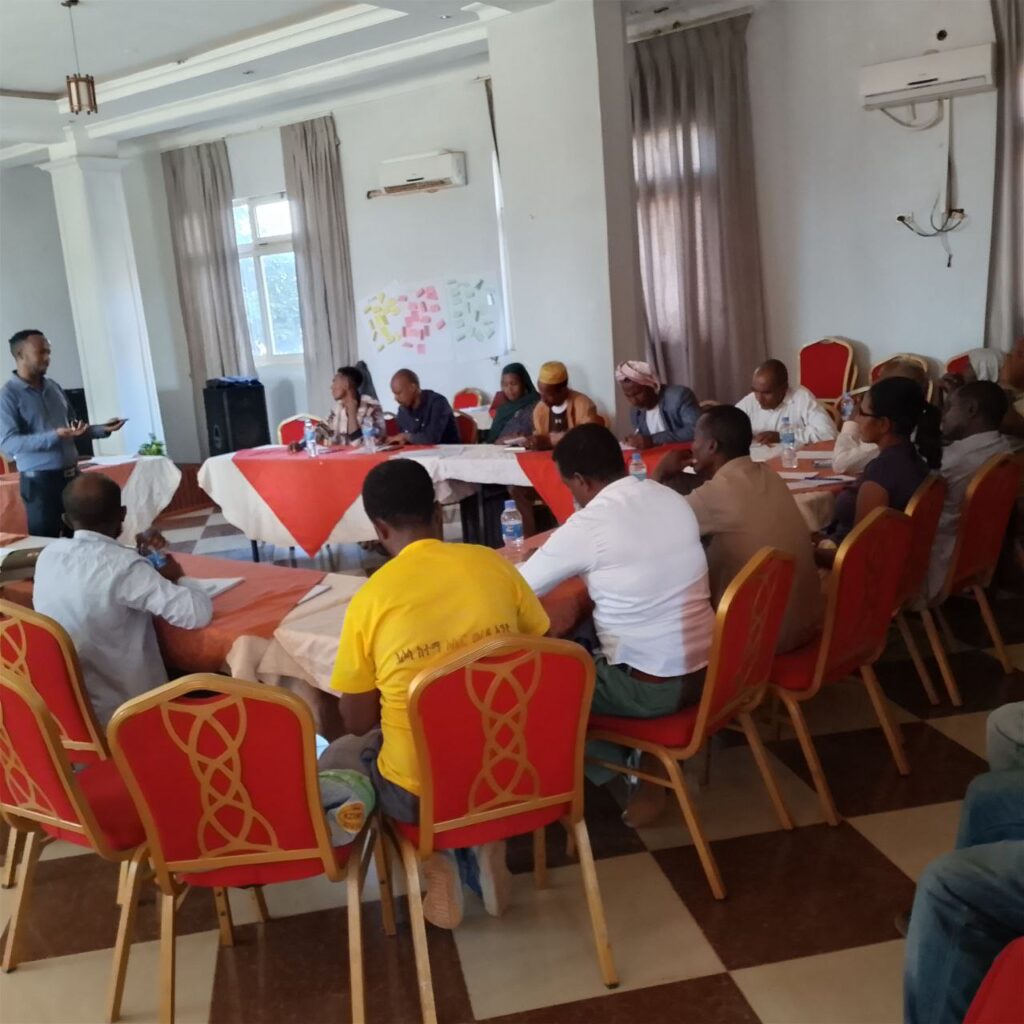
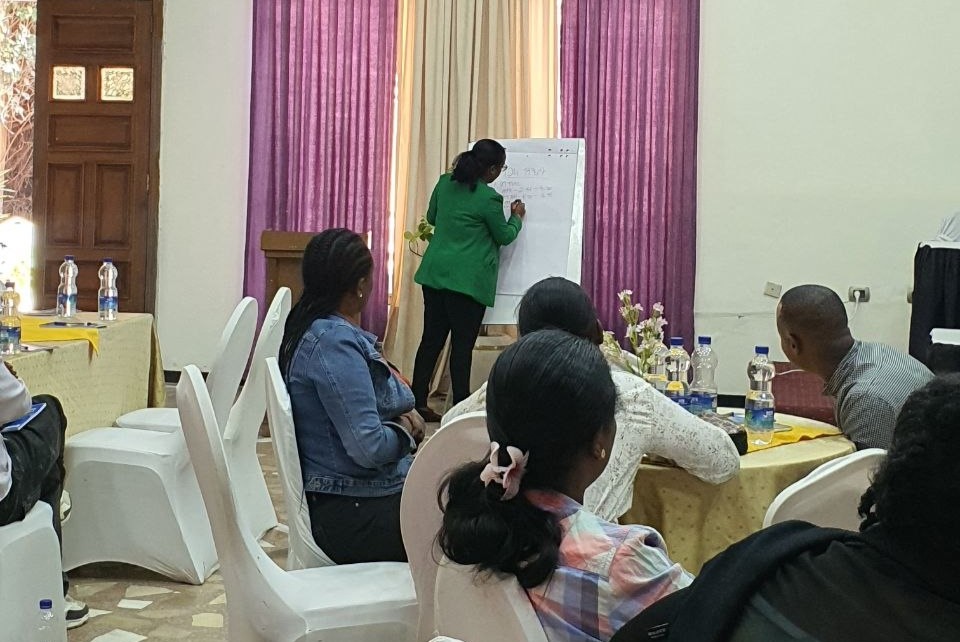
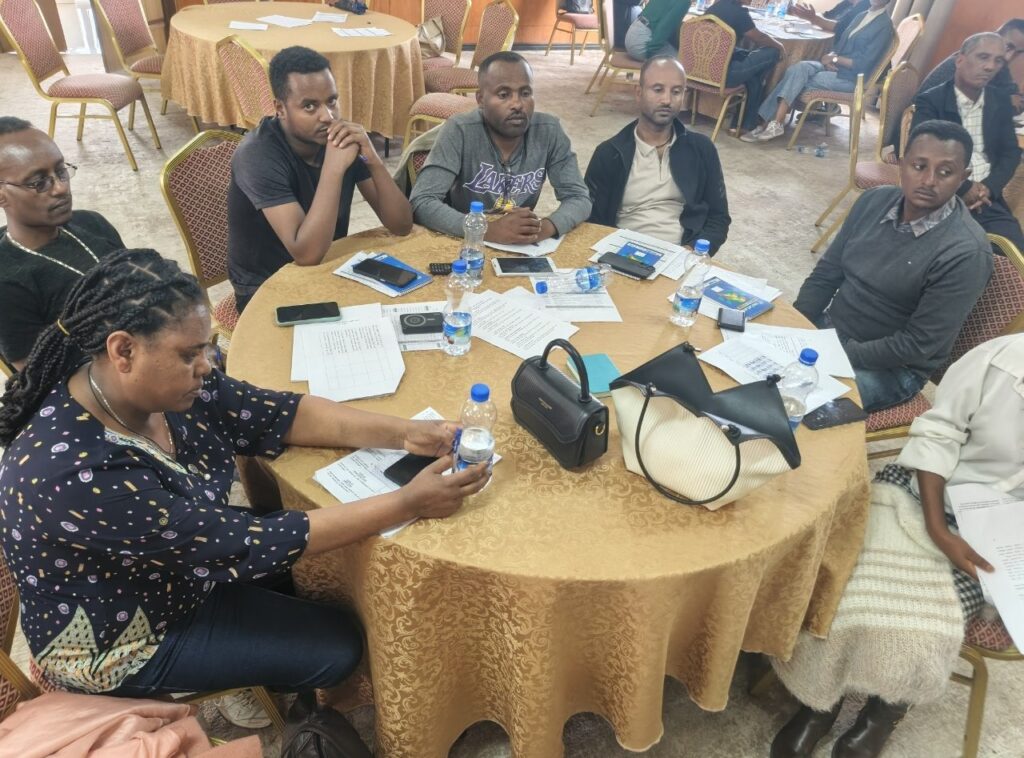
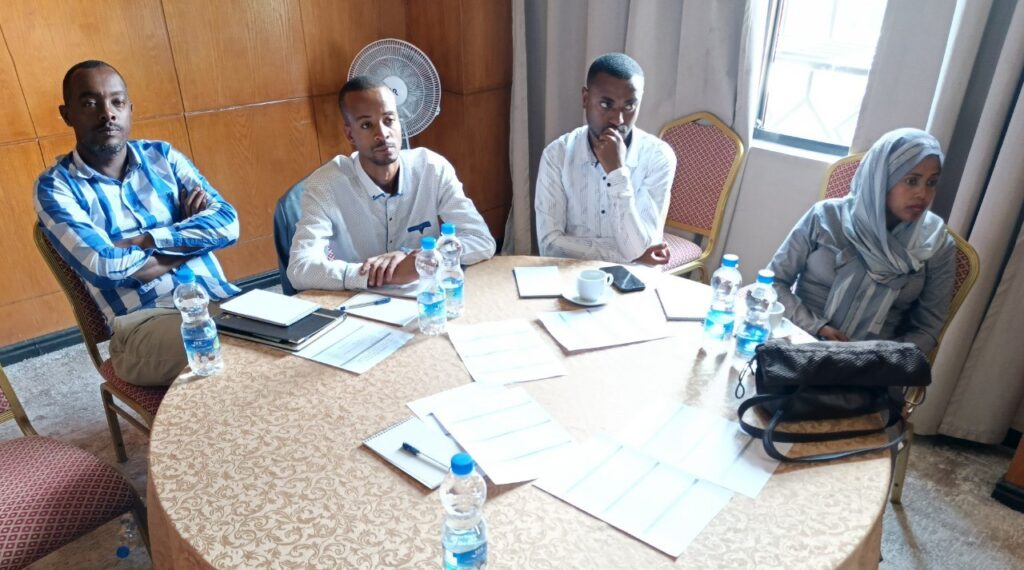
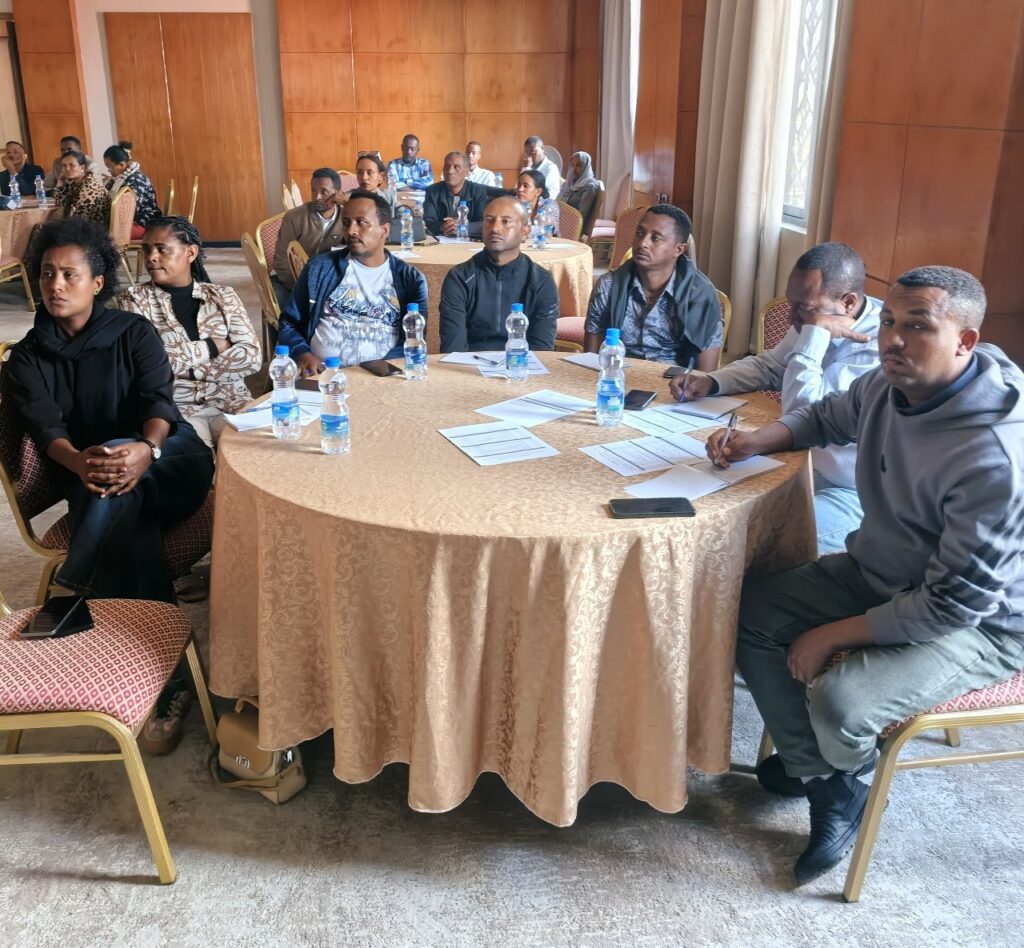
EHRC, in collaboration with Project Expedite Justice, conducted a training in Adama from January 12 to 16, 2026, for civil society organizations drawn from the Amhara Region. The program was designed to strengthen the transitional justice process and to enable civil society organizations to effectively play their roles in its implementation. Similarly, training on the role of artistic and creative professionals during the implementation of transitional justice were conducted for professionals drawn from Dire Dawa and Harari from February 3 to 7, 2026, in Dire Dawa. Additionally, sessions were held for similar group of professionals from Jimma and Agaro from February 23 to 27, 2026.
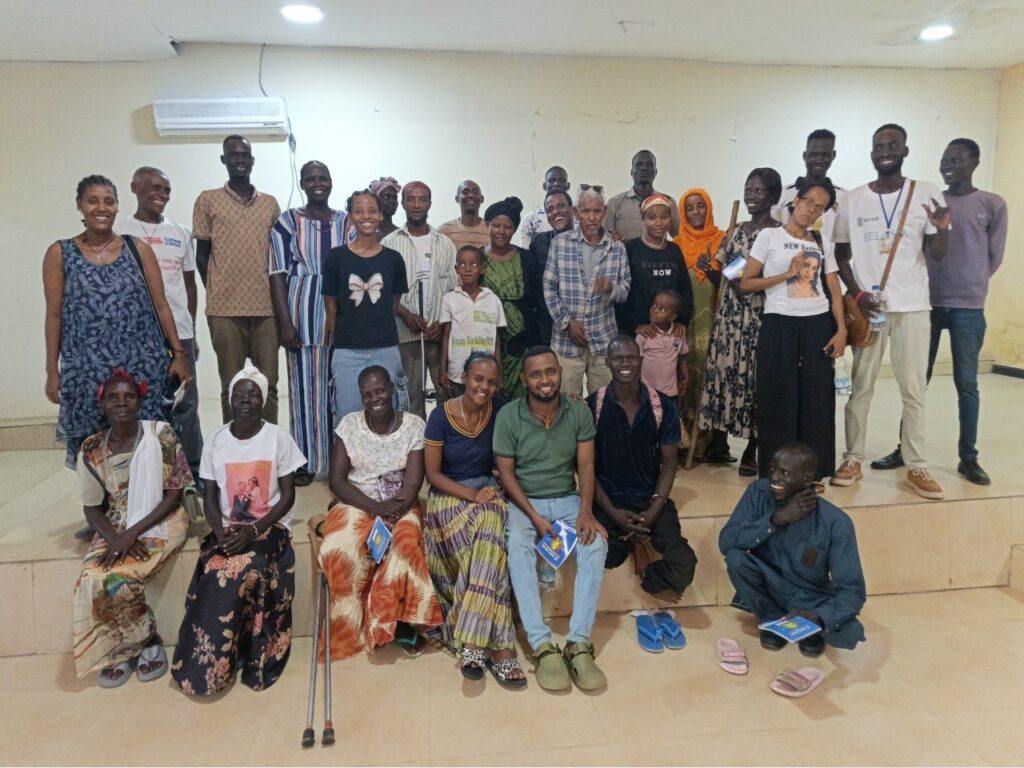
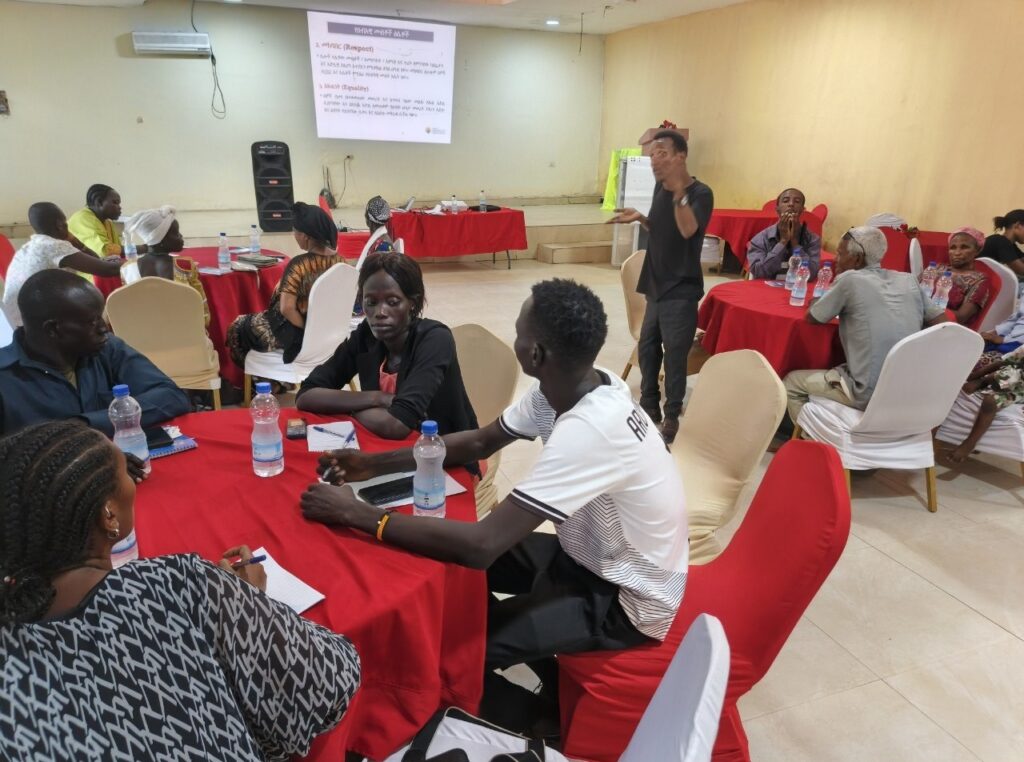
Furthermore, to enhance the role of youth in human rights and transitional justice, youth associations members and leaders from Sodo City, who had previously completed a ToT session, conducted training for 40 of their members in Sodo City from February 5 to 7, 2026. Additionally, training on the rights of persons with disabilities was conducted in Gambella from March 31 to April 2, 2026, for leaders and members of associations of persons with disabilities.