Skip to content
Facebook XYouTube Linkedin Flicker Instagram WhatsApp Telegram
Ethiopian Human Rights Commission – EHRC
  • About
    • Who We Are
    • Our Team
    • Careers
    • Contact Us
  • Regions
        • Regions

          EHRC is an independent federal institution tasked with the promotion and protection of human rights in Ethiopia.

        • Addis Ababa
        • Afar
        • Amhara
        • Benishangul Gumuz
        • Gambella
        • Oromia
        • Somali
        • Tigray
        • Central Ethiopia
        • Dire Dawa
        • Harari
        • Sidama
        • South Ethiopia
        • South West Ethiopia Peoples'
  • Areas of Work
        • Areas of Work

          We are an independent national human rights institution tasked with the promotion & protection of human rights in Ethiopia.

        • Economic, Social & Cultural Rights
        • Civil & Political Rights
        • IDPs, Refugees & Migrants’ Rights
        • Rights of Persons with Disabilities & the Rights of Older Persons
        • Women’s & Children’s Rights
        • Human Rights Education
        • Human Rights Monitoring & Investigation
        • Human Rights Film Festival
        • Human Rights Moot Court Competition
        • EHRC–CSO Coordination Platform
        • Transitional Justice
  • Press Releases
  • Reports
  • Media
    • EHRC on the News
    • EHRC Newsletters
    • EHRC Videos
    • EHRC Visuals
  • Latest
    • Expert Views
    • Explainers
    • Event Updates
    • Annual Ethiopia Human Rights Situation Reports
  • Resources
 
Ethiopian Human Rights Commission – EHRCEthiopian Human Rights Commission – EHRC

South Ethiopia: Consultation on Implementation of the Right to Education in Pastoralist Areas

July 15, 2026July 15, 2026 English, Event Update

A context-specific response and coordinated stakeholder efforts are essential to enhance the implementation of the right to education in pastoralist areas

Twitter Facebook Telegram Email Whatsapp Print

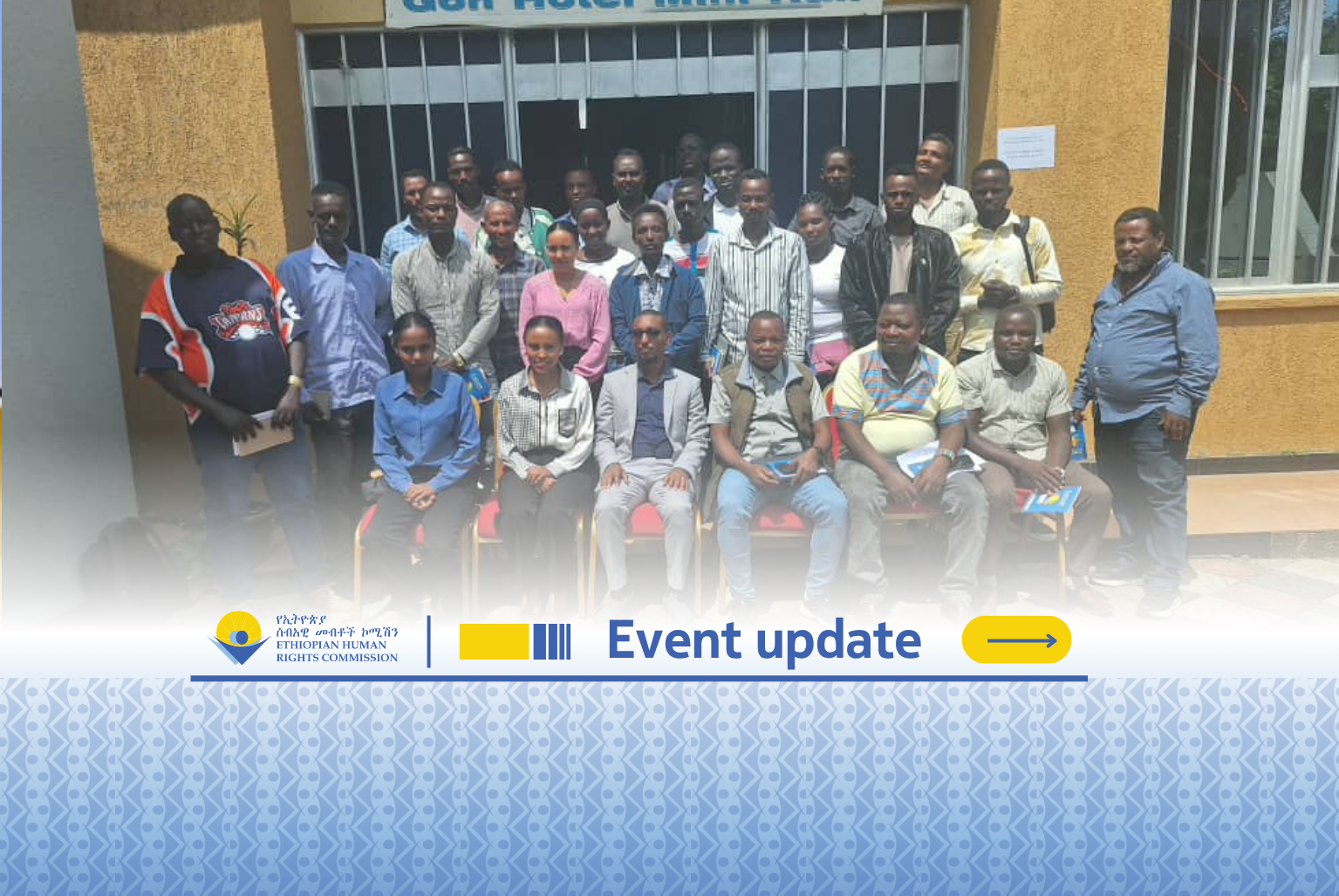
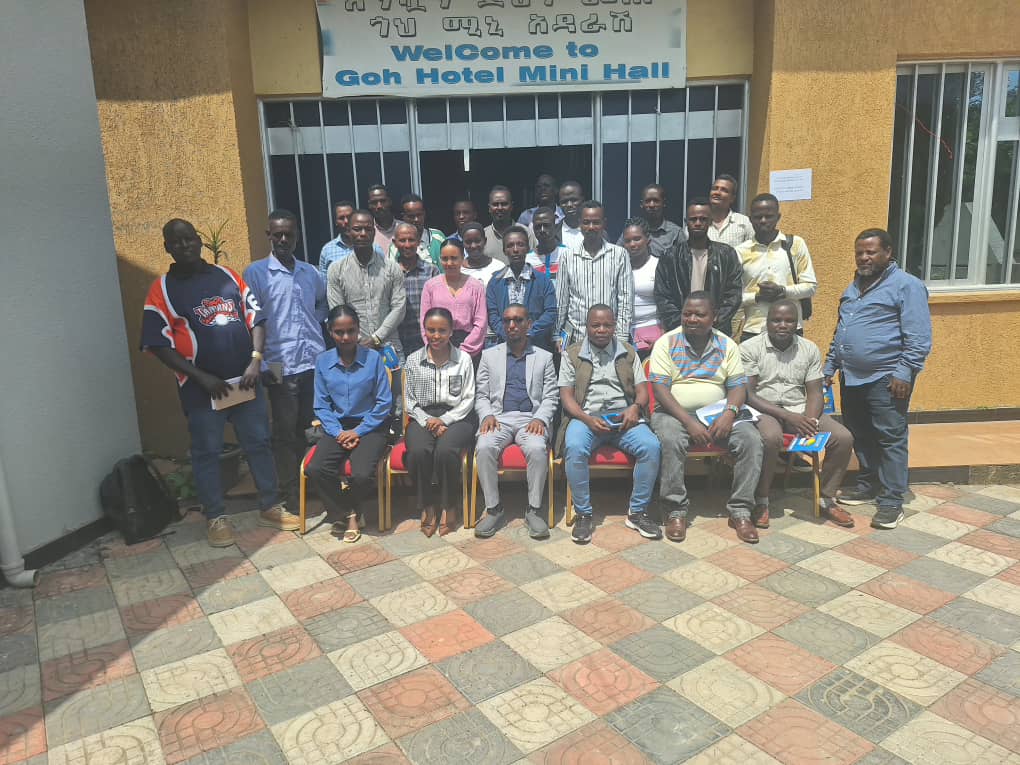
The Ethiopian Human Rights Commission (EHRC) held a stakeholder consultation to discuss findings and recommendations from its monitoring of the implementation of the right to education in selected pastoralist areas of the South Omo Zone on June 30, 2026, in Jinka town. The consultation brought together representatives from the South Omo Zone Education Bureau, Irrigation and Lowland Areas Development Directorate, the Turmi Town Administration, and education offices and schools from the Nyangatom, Male, and Banna Tsemay woredas.
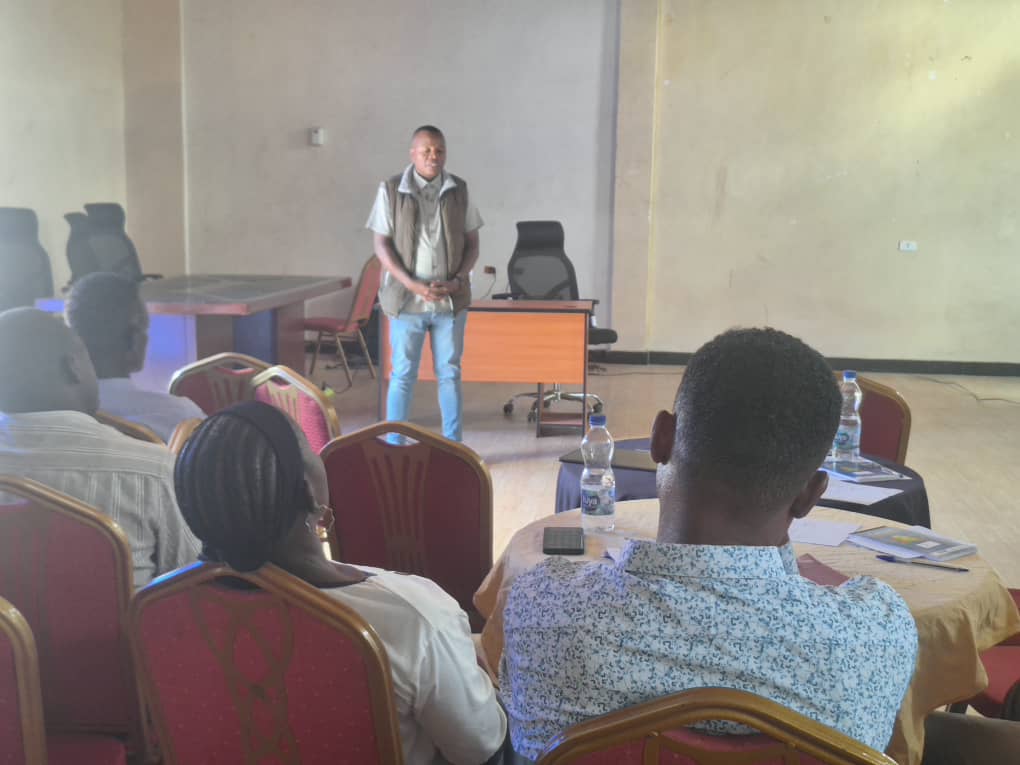
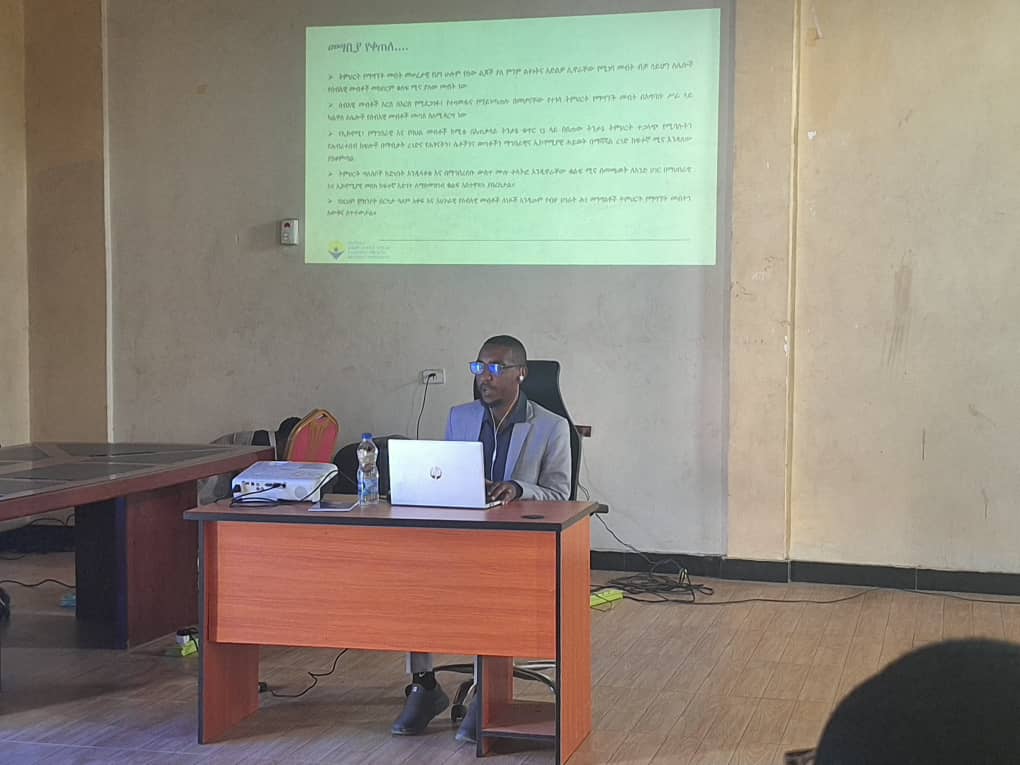
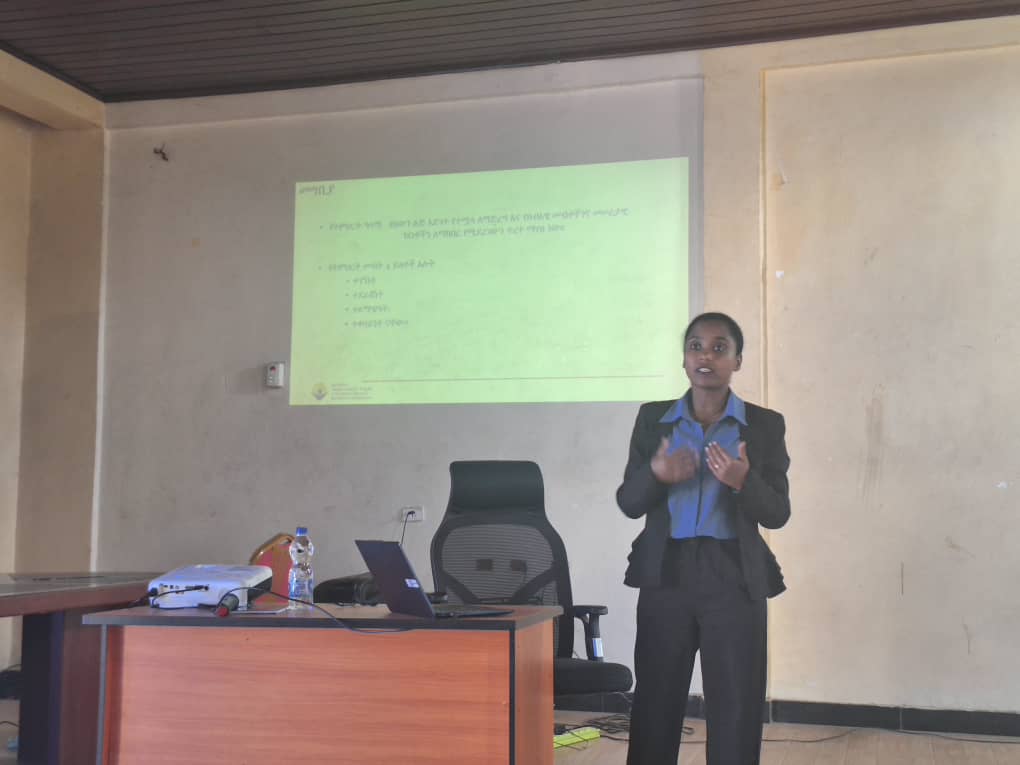
The consultation featured EHRC’s presentation on its monitoring findings regarding the implementation of the right to education in pastoralist areas and the protections afforded to this right under international and national legal frameworks, which were subsequently the subject of extensive discussion. During the discussion, it was highlighted that despite ongoing measures to improve the implementation of the right to education in the area, numerous challenges persist. These include structural damage to several schools caused by floods and strong winds—most notably in Dasenech Woreda, where more than 20 schools have been submerged—high teacher turnover and migration, low participation rates among female students, and the inadequacy of the budget support (Block Grant) for the education sector relative to current market realities.
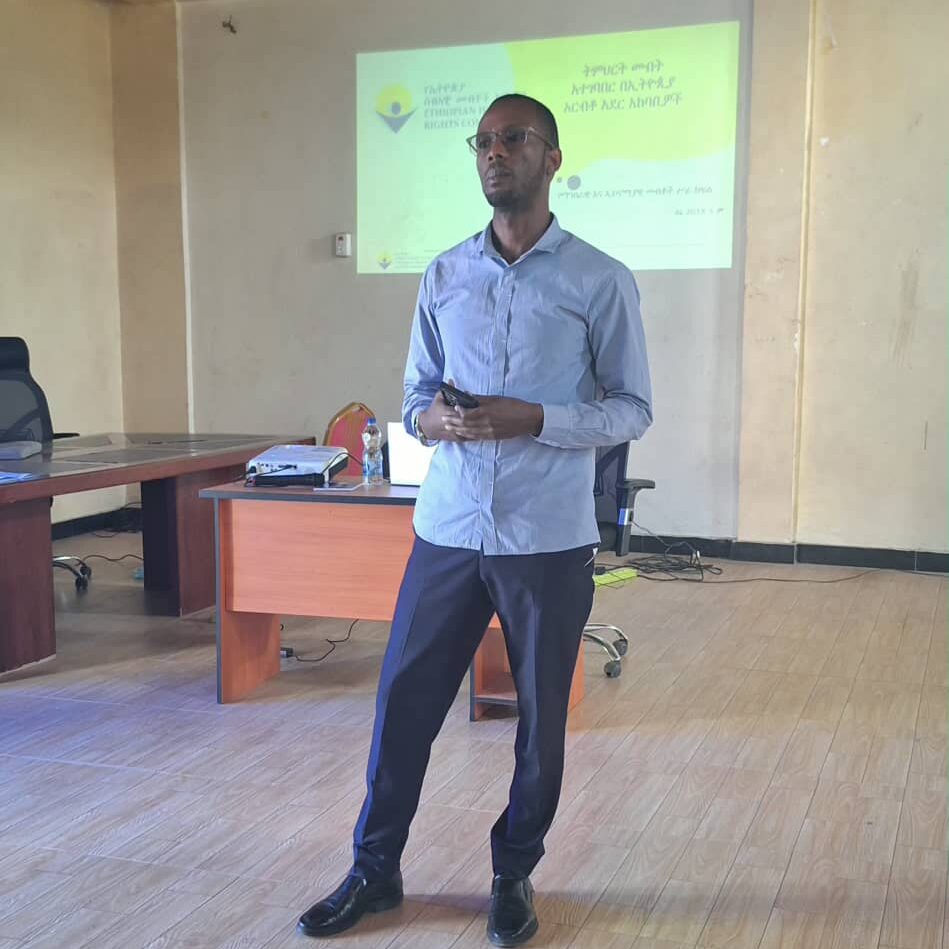
Participants of the discussion underscored the need to raise awareness of the importance of education, increase female student enrollment, facilitate training opportunities for teachers, and expand mobile schools and boarding schools (hostels). They further highlighted the necessity of allocating the required budget to meet essential resource needs in schools.
Hawi Asfaw, Director of the Socio-Economic Rights Department at the EHRC, stated that addressing gaps in the implementation of the right to education in pastoralist areas demands a context-specific response and coordinated efforts of all stakeholders. She further emphasized that ensuring accessibility, availability, acceptability, and adaptability—the core standards for the realization of the right to education—is critical.

Related posts

May 4, 2026May 4, 2026 English
Somali: Consultation on the Implementation of the Right to Education in Pastoralist Areas
January 27, 2025January 28, 2025 Event Update
Consultation: Protection of Refugees’ and Asylum Seekers’ Rights in Awbare, Shedder and Kebribeyah Refugee Camps
July 3, 2026July 5, 2026 English
Afar: Consultative Workshop on the Rights of Arrested Persons and Prisoners
December 25, 2020December 3, 2025 Press Release
Konso Zone: Recurring conflict and Human rights crisis

Signup for the Latest Update from EHRC

Submit your email to singup
Facebook Like us on FacebookXFollow us on XYouTube Follow us on YouTubeLinkedin Follow us on LinkedinWhatsApp WhatsAppTikTok TikTokTelegram TelegramInstagram InstagramFlicker Flickr

Useful Links

  • NANHRI
  • GANHRI
  • OHCHR
  • ACHPR

Get Involved

  • Jobs
  • Events
  • Contact Us
  • Telegram Bot
  • Subscribe to our newsletter

Connect with Us

  • Facebook
  • Twitter
  • LinkedIn
  • YouTube
  • Flickr
  • Instagram
Descriptive Text

We are an independent
national human rights
institution tasked with
the promotion and protection of human
rights in Ethiopia.

Submit your email to get the latest update from EHRC

Address: Sunshine Tower No. 5, Meskel Square, on Bole Road next to Hyatt Regency Hotel, Addis Ababa, Ethiopia
Tel: +251115504031 | Fax: +251 11 550 4125 | PO Box 1165 Addis Ababa | Email: info@ehrc.org


The contents of this website, excepting third party content for which the Commission bears no responsibility,
may be freely used and copied for educational and other non-commercial purposes, provided that any such reproduction is accompanied by an acknowledgement of the Ethiopian Human Rights Commission (EHRC). Source of images used in the content of this website: EHRC Media and Communications Department Archive and Creative Common License.

This website is managed by the Media and Communications team of the Ethiopian Human Rights Commission (EHRC).

Accessibility Adjustments

Powered by OneTap

How long do you want to hide the toolbar?
Hide Toolbar Duration
Select your accessibility profile
Vision Impaired Mode
Enhances website's visuals
Seizure Safe Profile
Clear flashes & reduces color
ADHD Friendly Mode
Focused browsing, distraction-free
Blindness Mode
Reduces distractions, improves focus
Epilepsy Safe Mode
Dims colors and stops blinking
Content Modules
Font Size

Default

Line Height

Default

Color Modules
Orientation Modules

We are using cookies to give you the best experience on our website.

You can find out more about which cookies we are using or switch them off in .

Scroll to top
  • About
    • Who We Are
    • Our Team
    • Careers
    • Contact Us
  • Regions
    • Addis Ababa
    • Afar
    • Amhara
    • Benishangul Gumuz
    • Gambella
    • Oromia
    • Somali
    • SNNP (formerly)
    • Tigray
  • Areas of Work
    • Economic, Social & Cultural Rights
    • Civil & Political Rights
    • IDPs, Refugees & Migrants’ Rights
    • Rights of Persons with Disabilities & the Rights of Older Persons
    • Women’s & Children’s Rights
    • HR Monitoring & Investigation
    • Human Rights Education
    • Human Rights Film Festival
    • Human Rights Moot Court Competition
  • Press Releases
  • Reports
  • Media
    • EHRC on the News
    • EHRC Videos
    • Newsletters
    • EHRC Visuals
    • Events
  • The Latest
    • Expert View
    • Explainer
    • Event Update
    • Annual Ethiopia Human Rights Situation Report (June 2024 – June 2025)
  • Resources
Facebook XYouTube Linkedin Flicker TikTok Instagram WhatsApp Telegram
Search
Ethiopian Human Rights Commission - EHRC
Powered by  GDPR Cookie Compliance
Privacy Overview

This website uses cookies so that we can provide you with the best user experience possible. Cookie information is stored in your browser and performs functions such as recognising you when you return to our website and helping our team to understand which sections of the website you find most interesting and useful.

Strictly Necessary Cookies

Strictly Necessary Cookie should be enabled at all times so that we can save your preferences for cookie settings.