

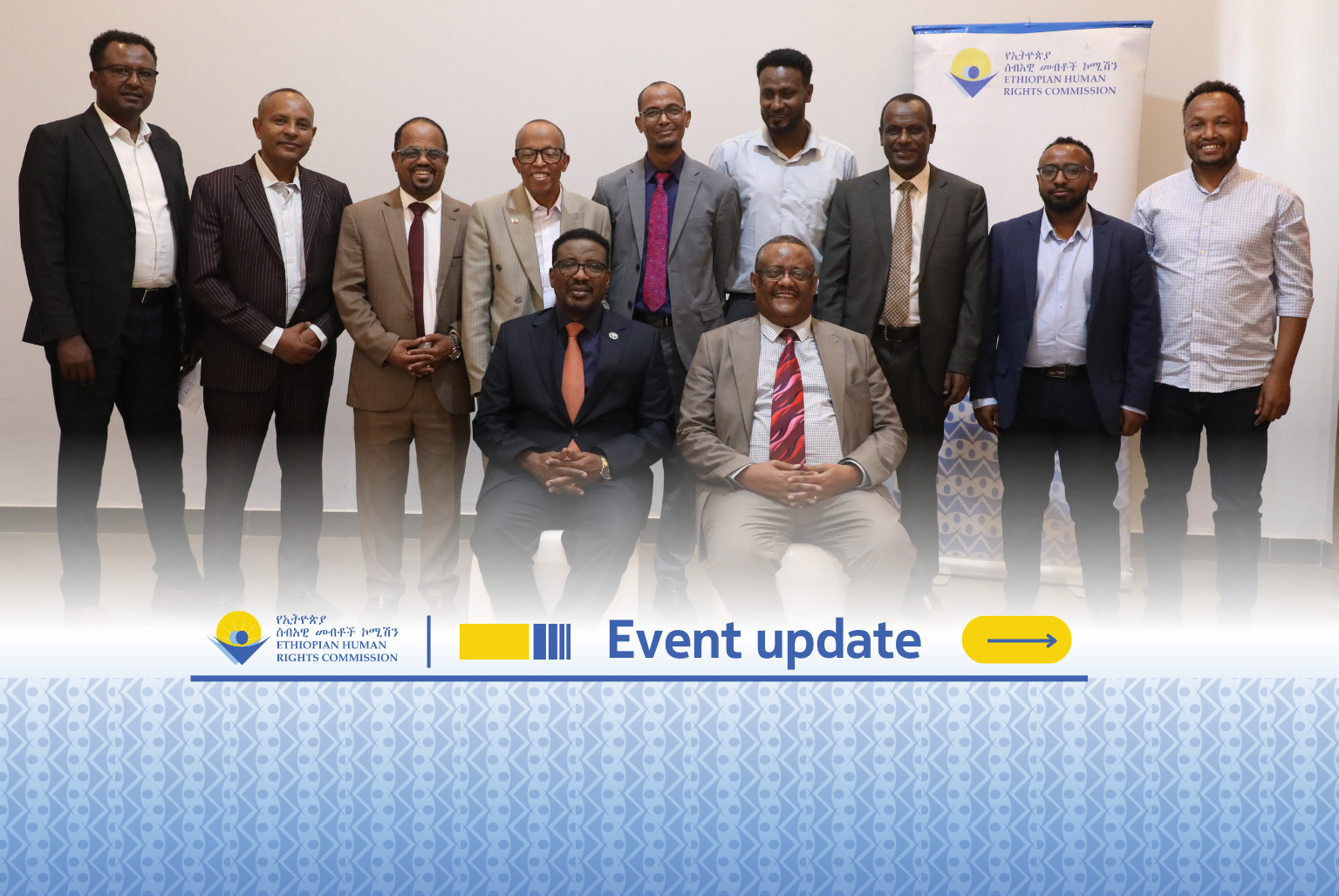
The Ethiopian Human Rights Commission (EHRC) held a consultative discussion with the Inter-Religious Council of Ethiopia (IRCE) on the role of religious institutions in human rights protection and peace building on February 26, 2026, in Jimma. The discussion explored strategic areas of collaboration between EHRC and the Council and brought together EHRC Chief Commissioner Berhanu Adello and IRCE President Liqe Tiguhan Qesis Tagay Taddele, alongside senior leaderships from both institutions.
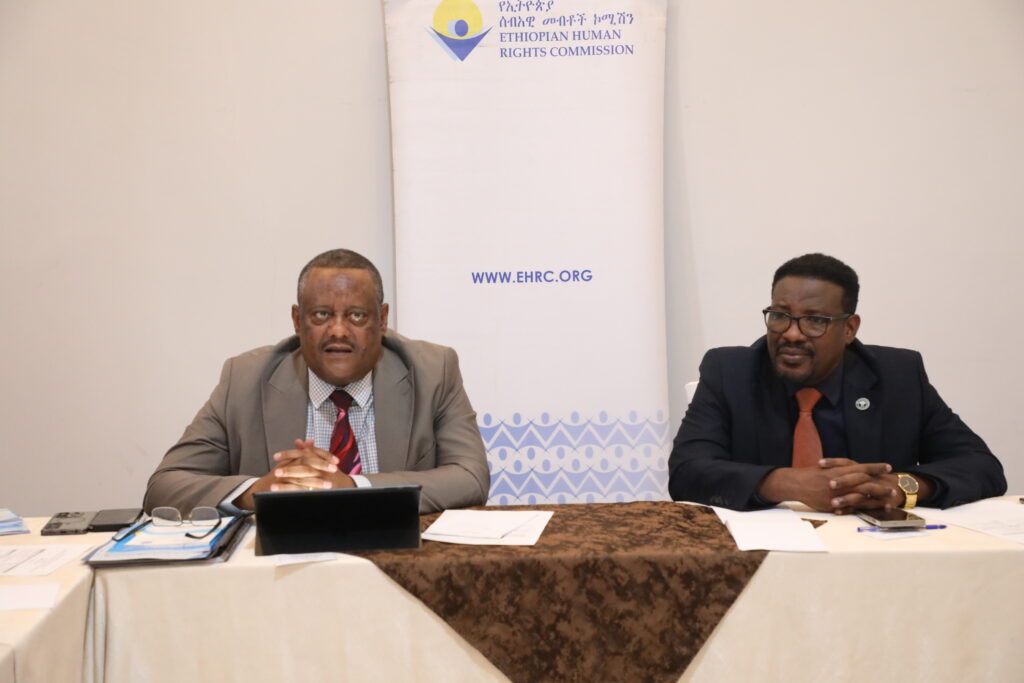
During the workshop, a presentation highlighted the role of religious institutions in the protection of human rights and peace building, drawing on comparative experiences from various countries. Religious institutions’ significant roles in conflict prevention, resolving disputes through dialogue, restoring relationships severed by conflict, and ensuring that victims receive recognition, apologies, and reparations were detailed. Among the examples discussed were the mediation efforts of Sant’Egidio, a Rome-based Catholic lay association, which successfully resolved conflicts in several countries including Mozambique, and the ways in which religious institutions in Sierra Leone leveraged their commitment to social justice to resolve conflicts among communities that once lived together in harmony.
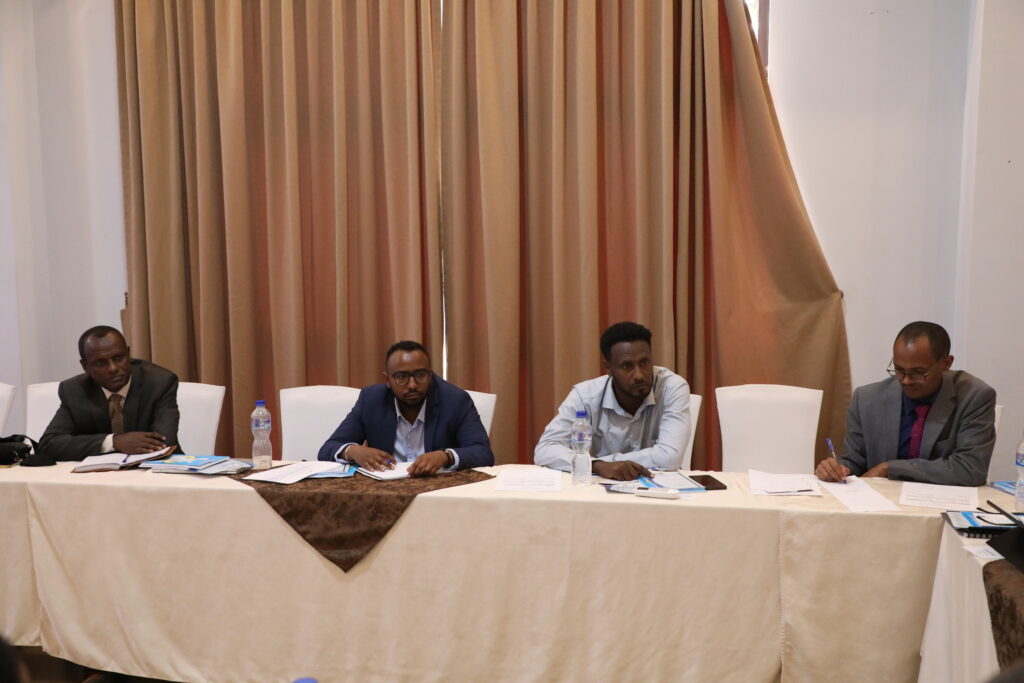
During the discussion, a brief overview was provided on IRCE’s achievements, challenges, and areas of cooperation, with a particular emphasis on the comprehensive support and collaboration extended by EHRC since 2010 toward the establishment of the Council.
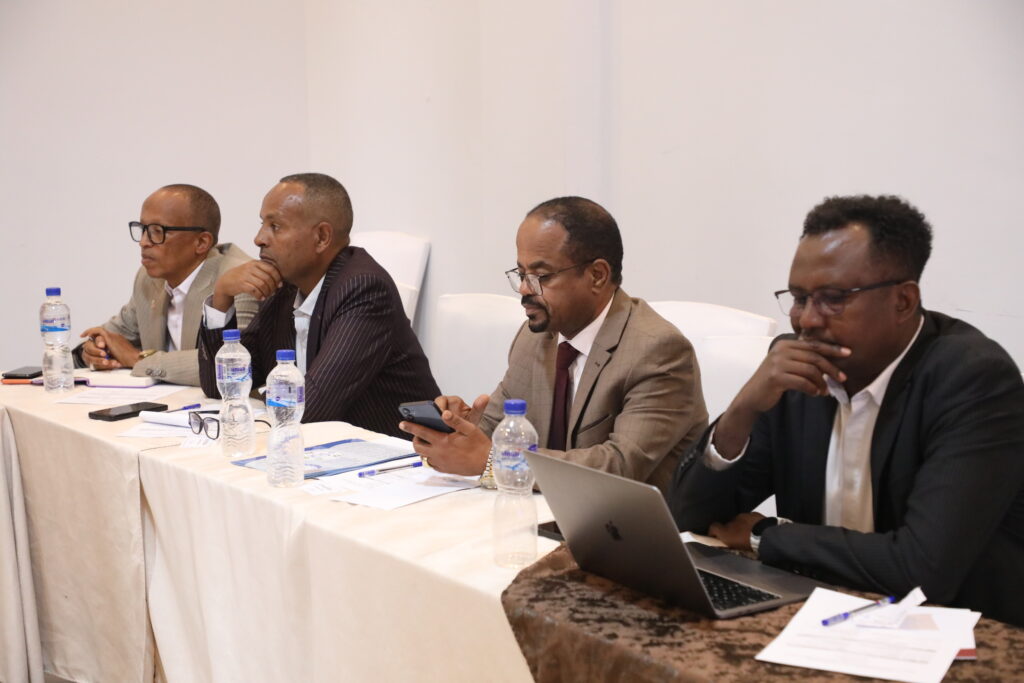
It was noted that, following a previous conflict in the Jimma area of the Oromia region, the Ethiopian Orthodox Tewahdo Church, the Ethiopian Islamic Affairs Supreme Council and Evangelical Churches collaborated on stabilization efforts. Convinced that institutionalizing the cooperation, which enabled them to effectively fulfill their mission of religious leadership and public service, would provide an opportunity for lasting peace in the area, they established “the Ethiopian Religious Institutions’ Joint Council for Peace” in 2011. Taking into account the Council’s contribution to national peacebuilding and collaborative work on shared issues, and following national consultations among religious leaders in 2015, it was noted that the Council evolved into a nationwide entity renamed the ‘Inter-Religious Council of Ethiopia (IRCE).
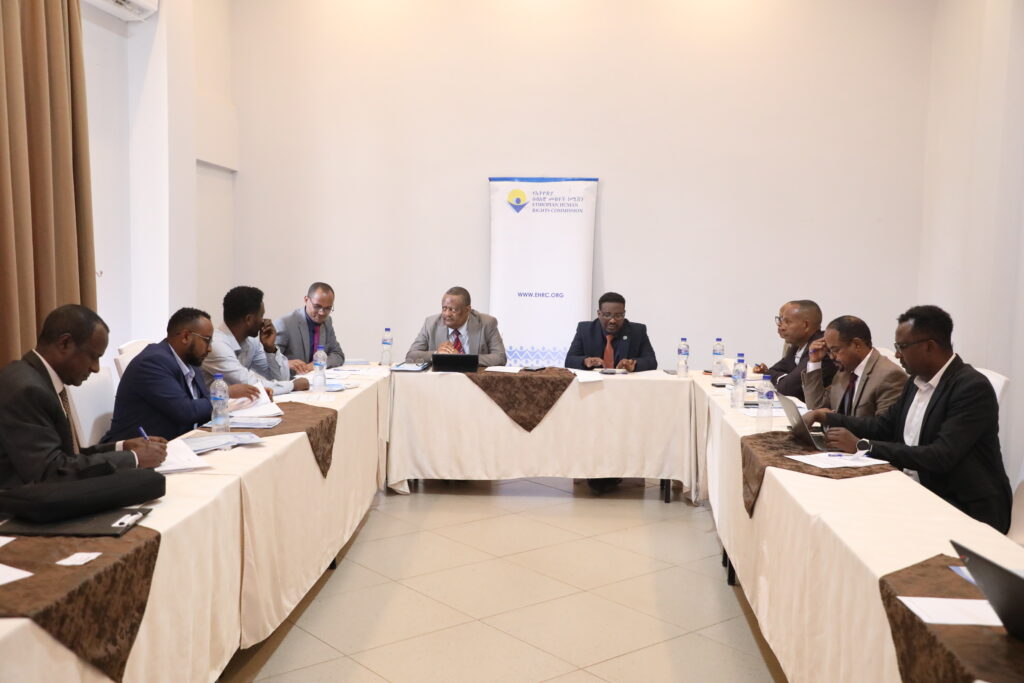
Participants highlighted that collaboration between the two institutions would sustain their long-standing mutual support and enable them to work together on issues beneficial to humanity, thereby enhancing the effectiveness of activities in the areas of human rights protection and peace building.
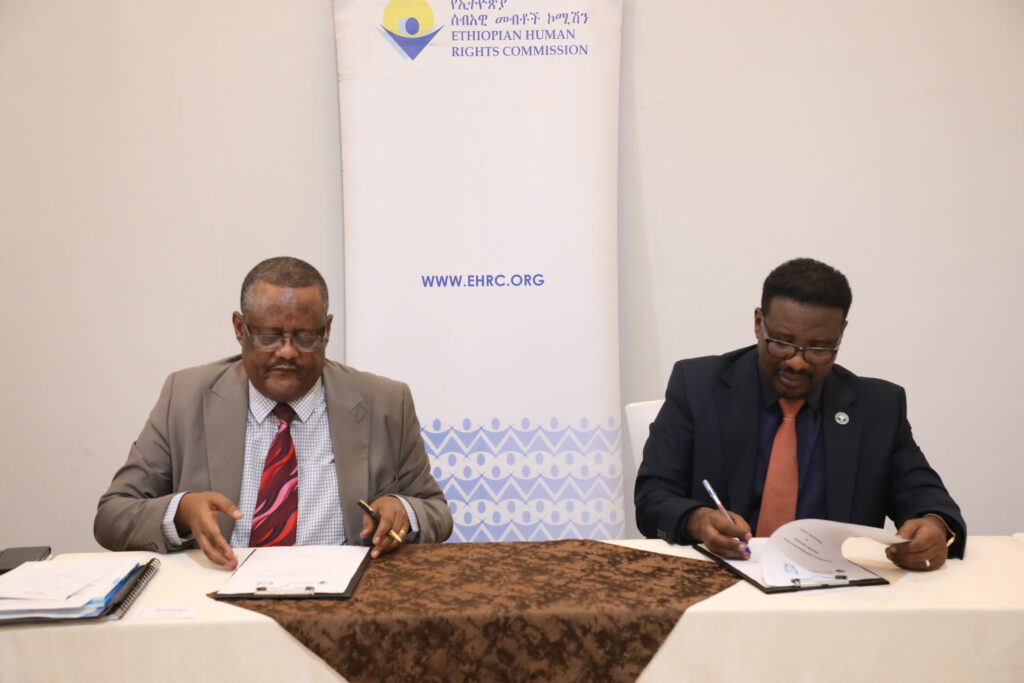
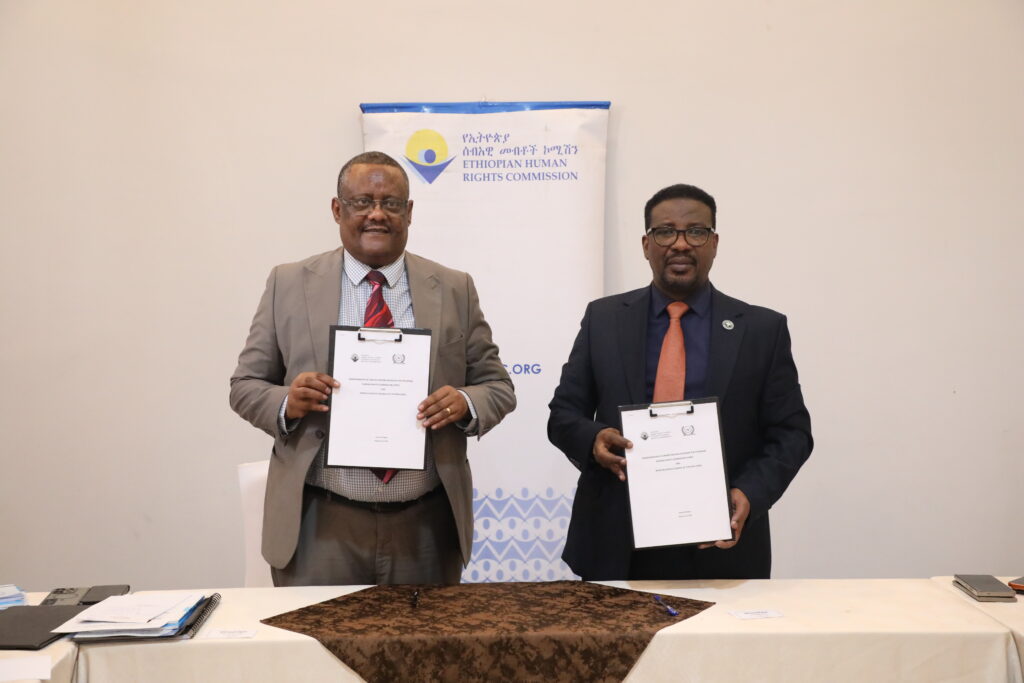
Following the discussion EHRC and IRCE officially signed a cooperation agreement (‘’The Jimma Agreement”). Chief Commissioner Berhanu Adello and Liqe Tiguhan Qesis Tagay Taddele signed the agreement on behalf of their respective institutions. Furthermore, a joint team composed of representatives from both institutions was established to identify and implement short-, medium-, and long-term activities under the agreement.
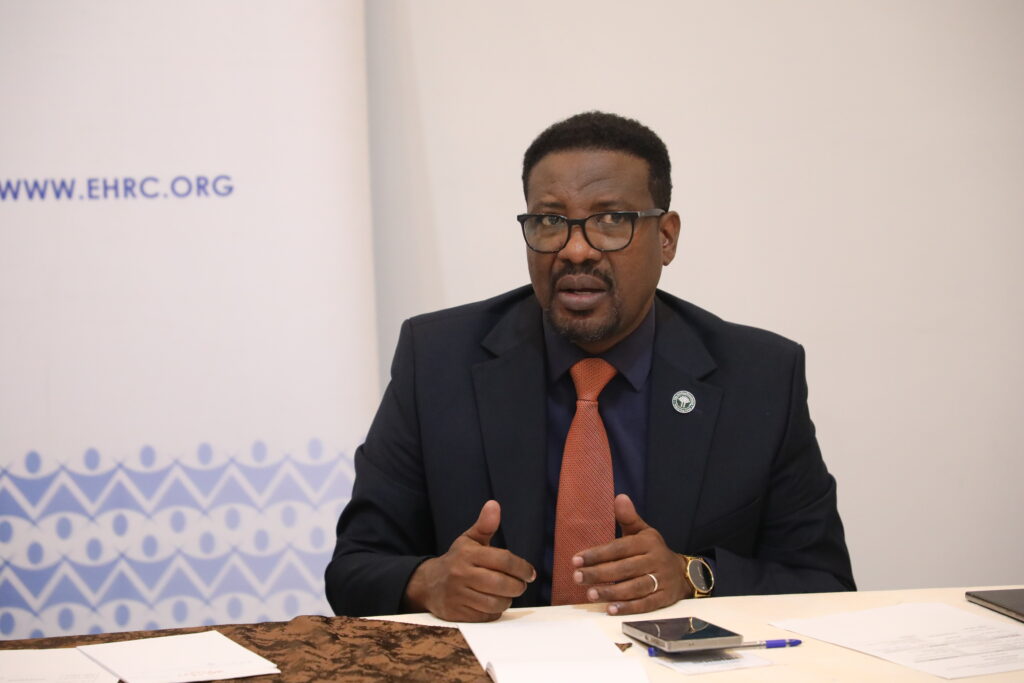
The President of IRCE, Liqe Tiguhan Qesis Tagay Taddele, emphasized that the realization of human rights protection remains inherently constrained in the absence of peace. He stated that religious institutions are instrumental in cultivating moral character and ethical conduct, thereby fostering measurable behavioral change, and explained that the agreement will facilitate collaborative efforts to address complex societal challenges.
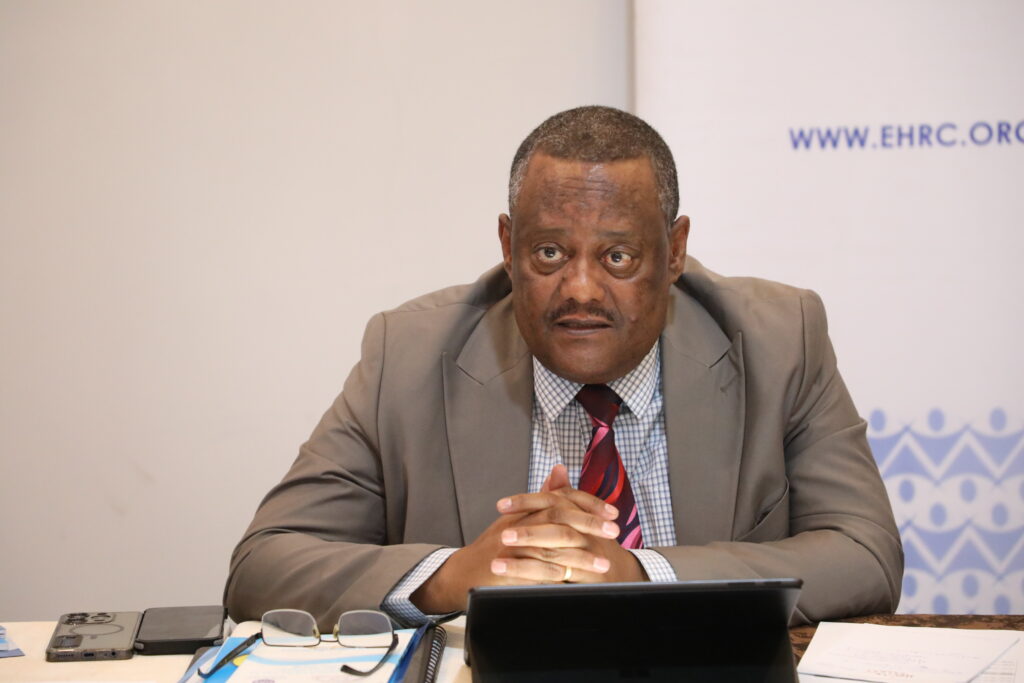
EHRC Chief Commissioner Berhanu Adello underscored that the essence of human rights is embedded, in one form or another, across religious teachings. He noted that convening the dialogue in Jimma city was a deliberate measure to acknowledge and honor the historic role of the area and EHRC in the establishment and subsequent achievements of IRCE. Expressing his confidence for concrete progress through peacebuilding initiatives and efforts advancing the rights of vulnerable groups, he reaffirmed EHRC’s commitment to this end through the facilitation of awareness-raising and capacity-building training, consultative forums, and various support options.