


The Ethiopian Human Rights Commission (EHRC), in collaboration with Addis Ababa University School of Law (AAU-SoL) and the Ethiopian Law Schools Association (ELSA), convened an international research conference on transitional justice (TJ) under the theme ‘’Integrating Research and Policy for Sustainable Peace’’ in Addis Ababa, from March 27 to 28, 2026. The conference aimed to reinforce the critical linkage between research, policy, and implementation, at this critical juncture of Ethiopia’s TJ process.
The conference brought together policymakers, researchers, legal scholars, practitioners, civil society organisations, and various international institutions.


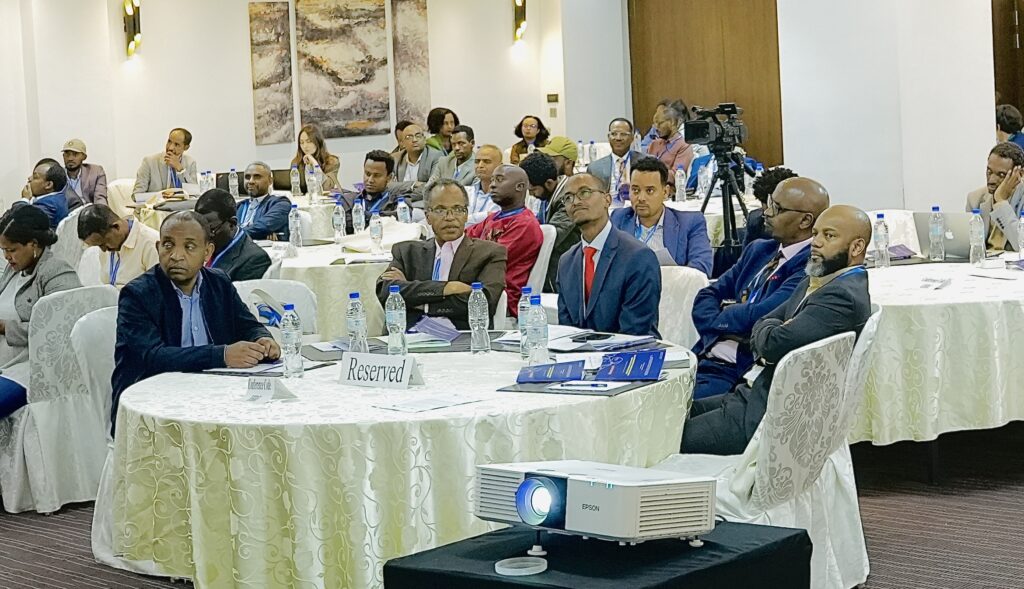
The conference featured parallel sessions exploring, criminal accountability, truth-seeking, reparations, institutional reform, participation and inclusivity, and the role of stakeholders in building legitimacy and sustainability. These breakout discussions were supplemented by formal peer review discussions, situating Ethiopia’s TJ process within comparative regional and global contexts. During these forums, 20 draft research papers—prepared for inclusion in a special issue of the AAU-SoL’s Ethiopian Human Rights Law Series—were presented and subjected to rigorous peer review by domestic and international experts. This process provided valuable inputs to enhance both the academic quality and the policy relevance of the research papers.
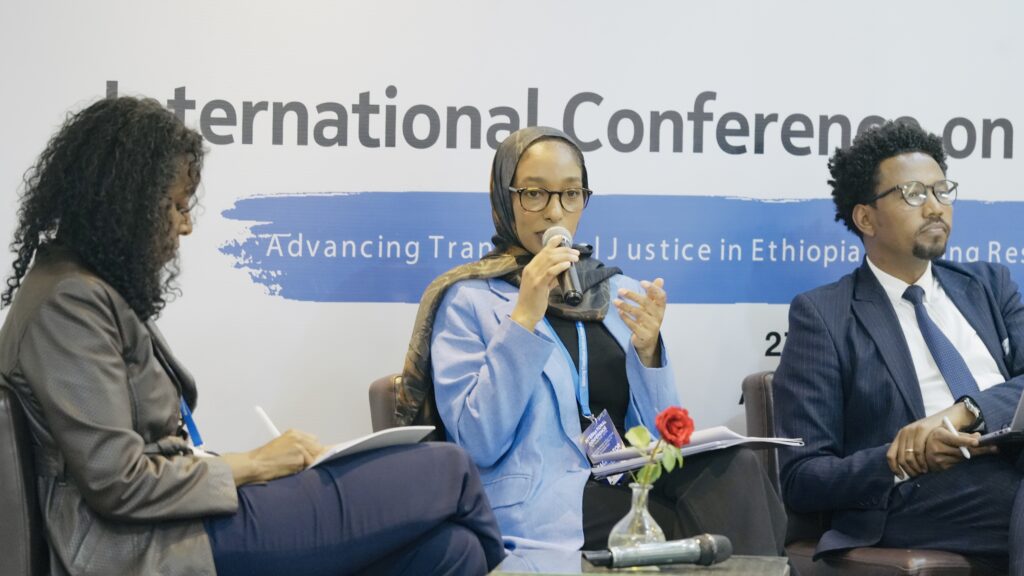
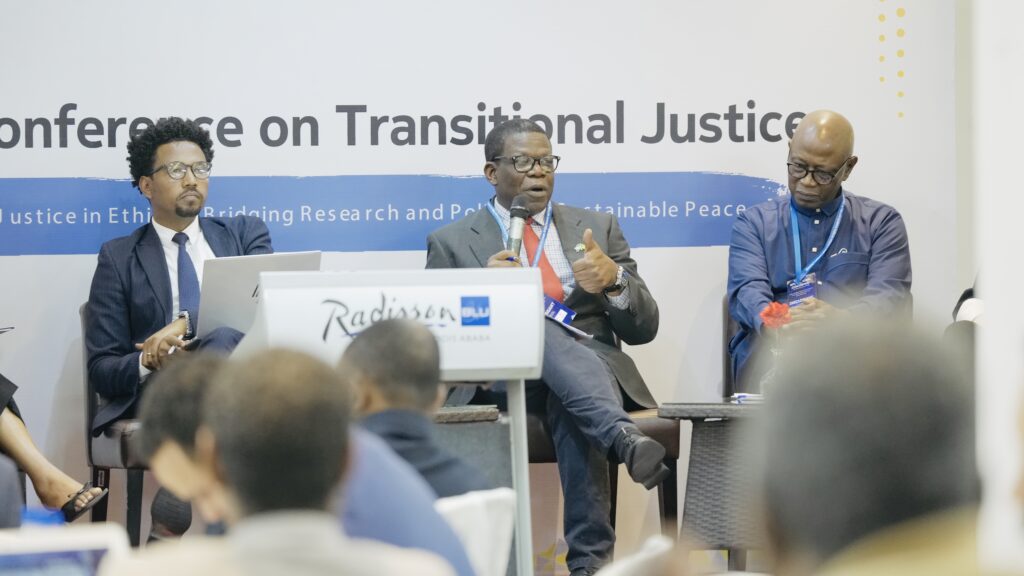
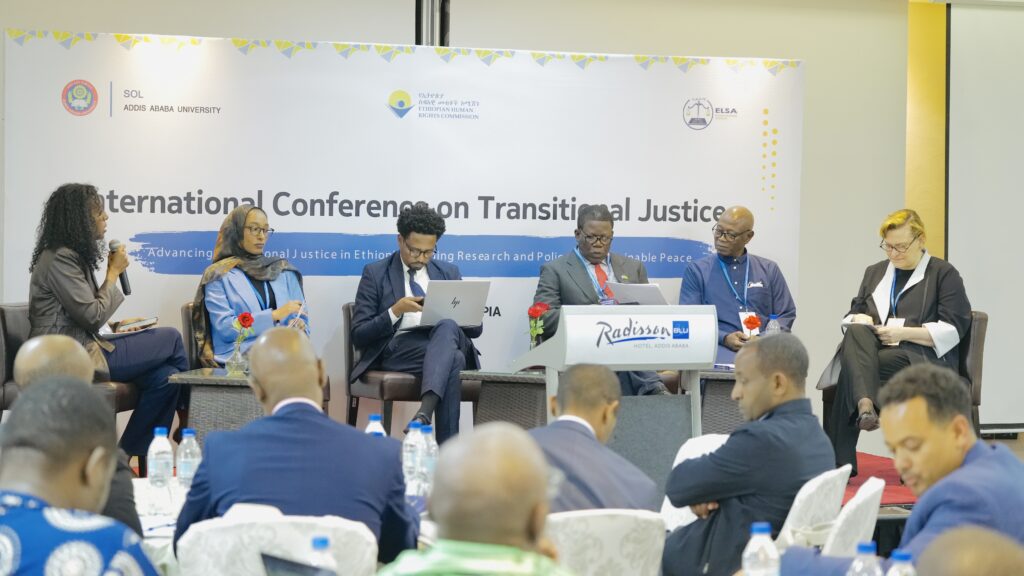
One of the key features of the conference was the reflective nature of the discussions, which critically examined the journey undertaken so far in Ethiopia’s transitional justice process allowing Participants to reflect on the policy development process, drawing key lessons to inform and shape the way forward. This included moments of pause and critical assessment to ensure that the process remains aligned with its intended direction and foundational principles.
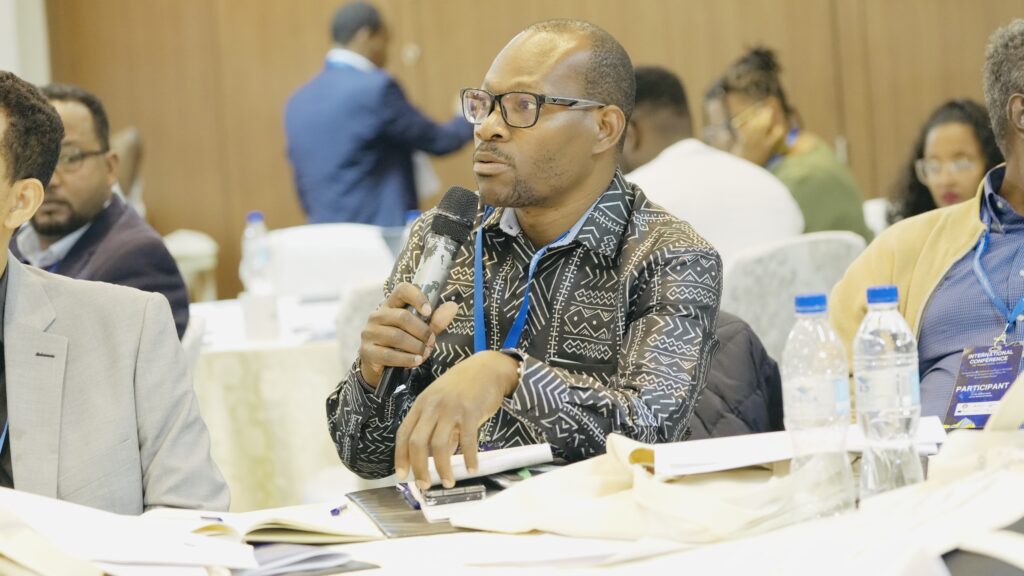
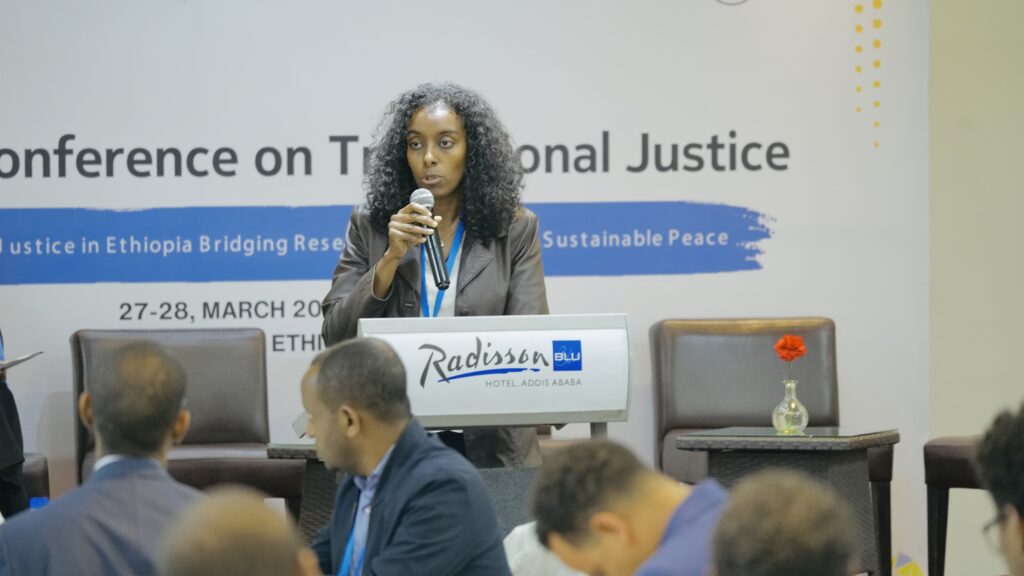

Furthermore, the discussions emphasized peacebuilding mechanism, with particular attention to the role of National Human Rights Institutions (NHRIs) and the African Union (AU) in supporting credible, context-sensitive, and sustainable TJ processes. The discussions underscored the importance of learning from ongoing experiences to strengthen future implementation pathways and institutional coherence.

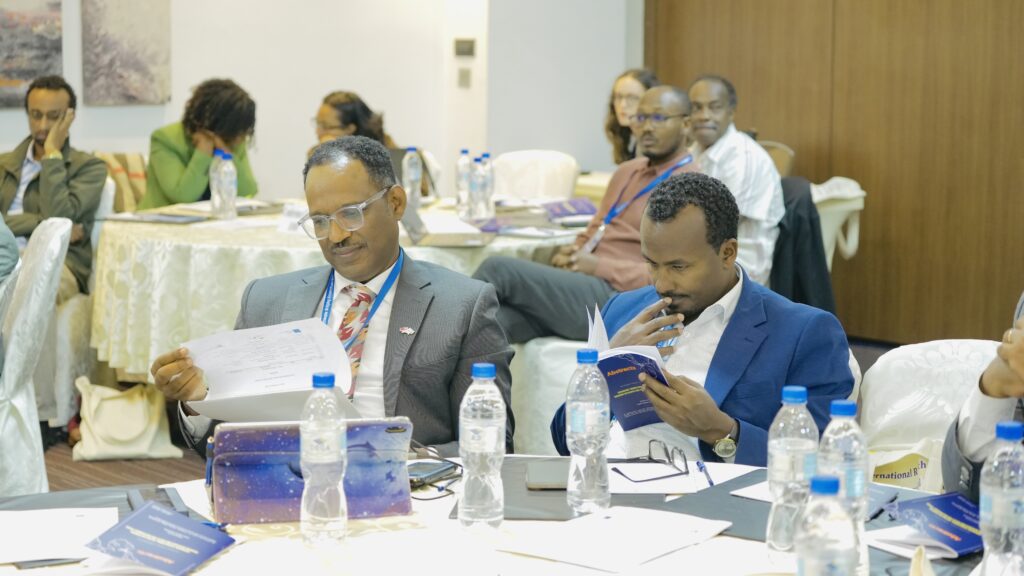
Participants emphasised that full implementation of the National Transitional Justice Policy requires coordinated efforts, institutional readiness, sustained stakeholder engagement, and robust cooperation.

Professor Muradu Abdo, Dean of the Addis Ababa University School of Law, emphasised the importance of sustained academic–policy collaboration and learning from comparative experiences to support Ethiopia’s ongoing TJ process.
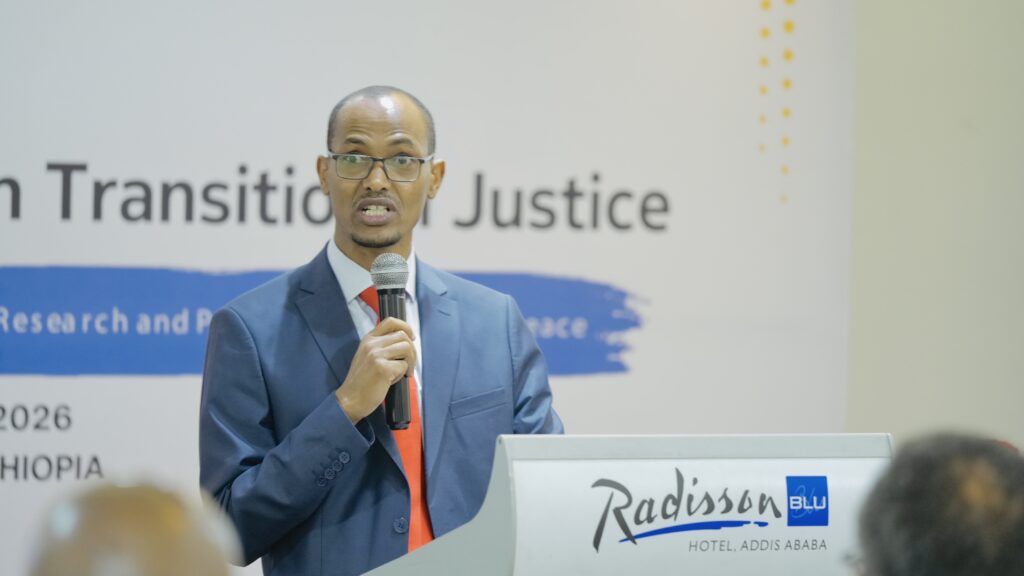
Dr. Abdi Jibril, Commissioner for Civil, Political, and Socio-Economic Rights at EHRC, stated that while the adoption of the FDRE TJ policy marks an important milestone, the primary focus moving forward must be on effective implementation, institution building, maintaining public trust, and ensuring responsiveness to victims’ needs and expectations. He also highlighted that rigorous, context-sensitive research and inclusive dialogue are essential to bridge the gap between policy and practice and reaffirmed EHRC’s commitment to foster collaboration with all stakeholders to ensure the TJ process upholds human rights and remains victim-cantered.