

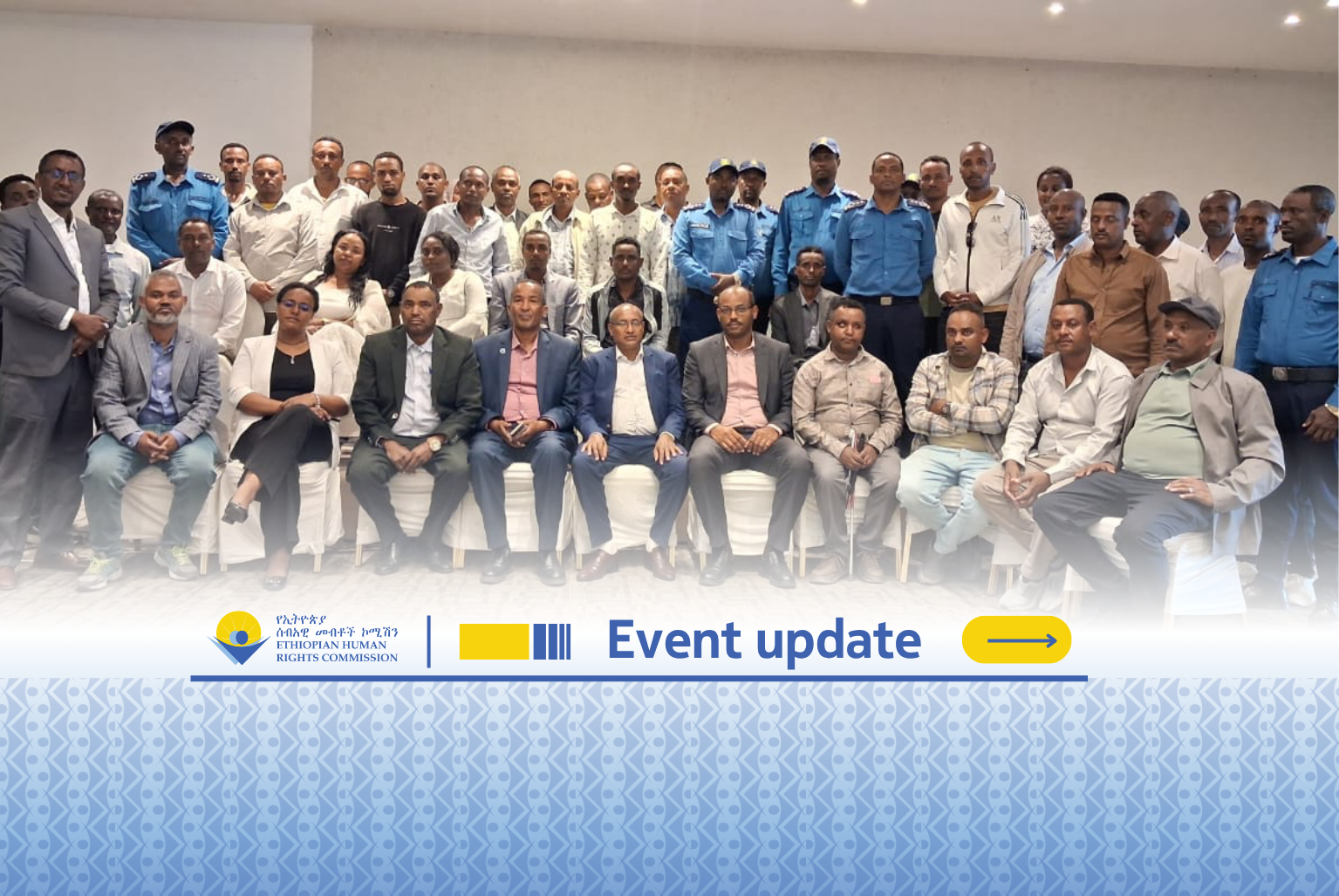
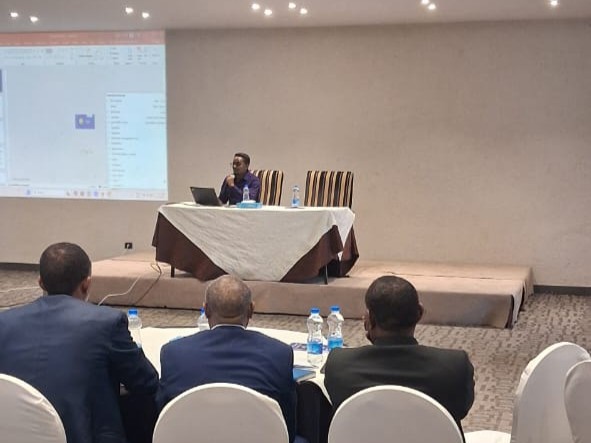
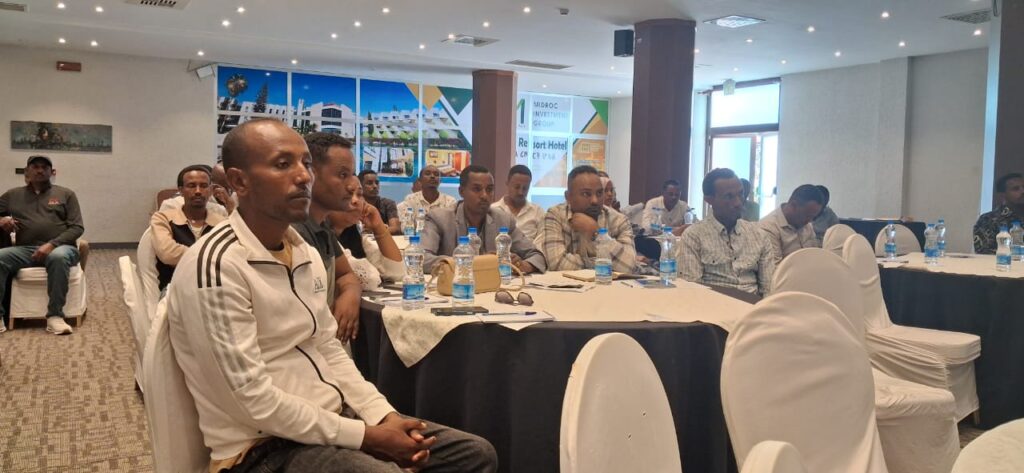
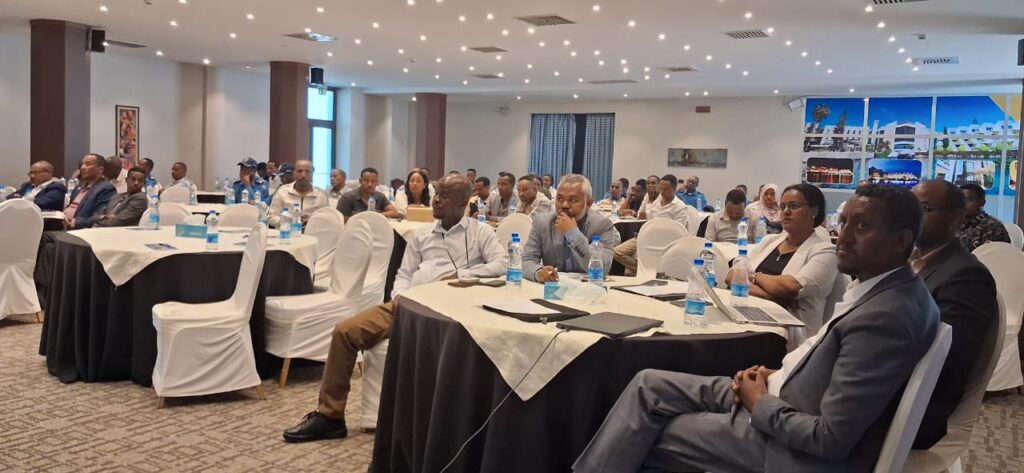
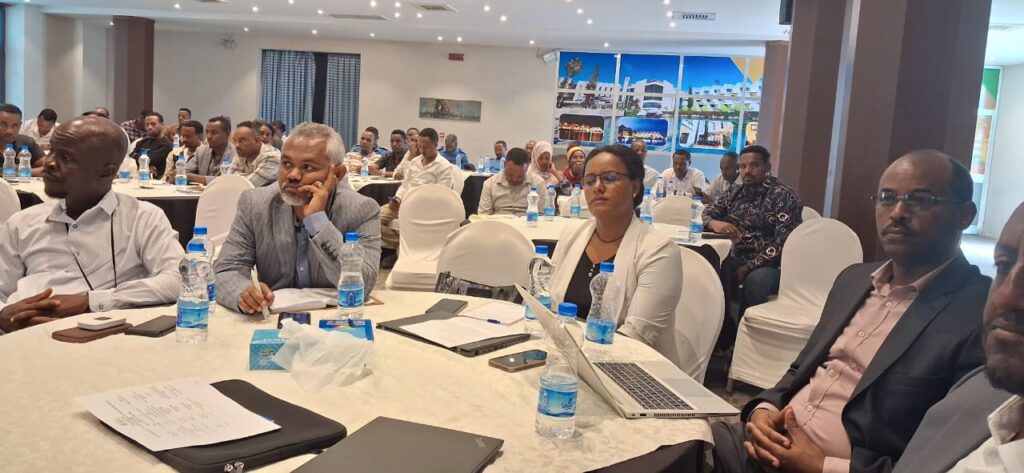
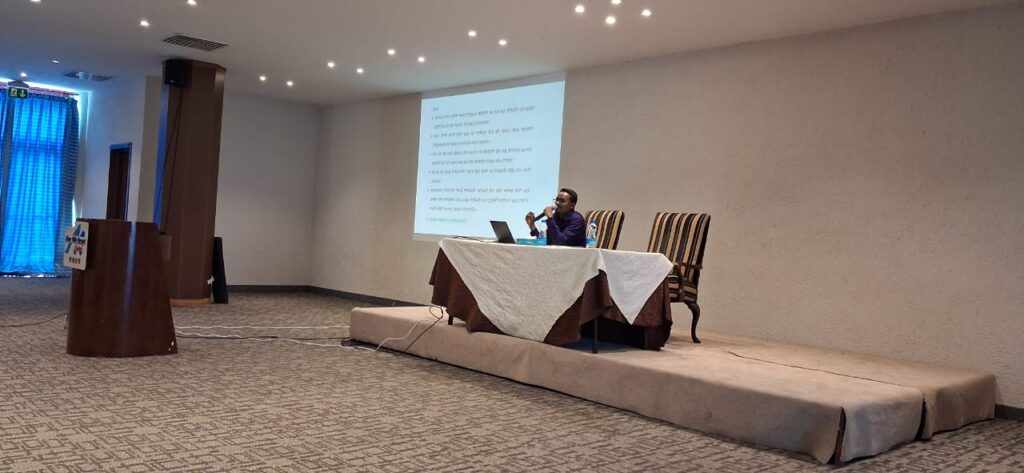
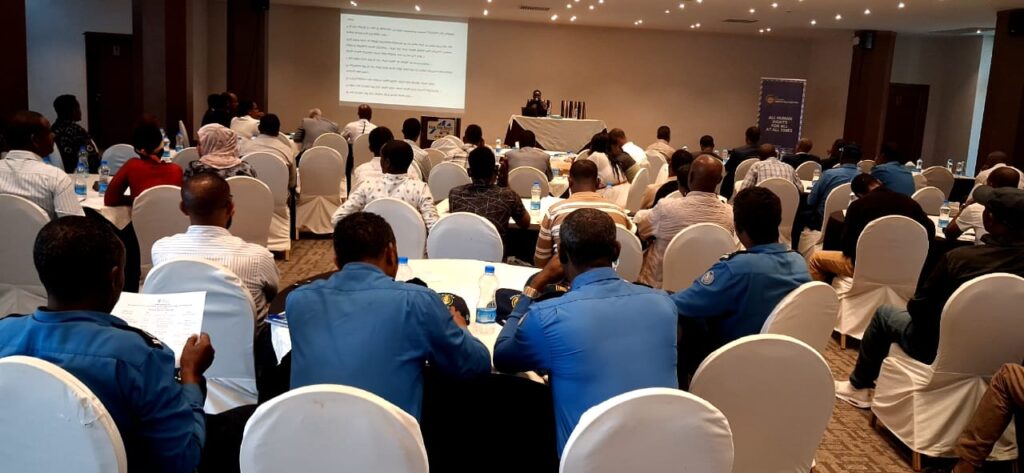
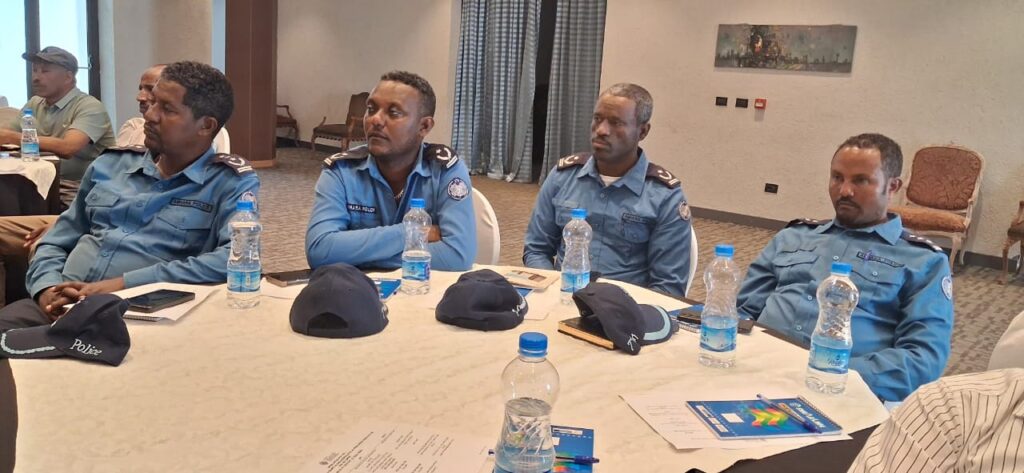
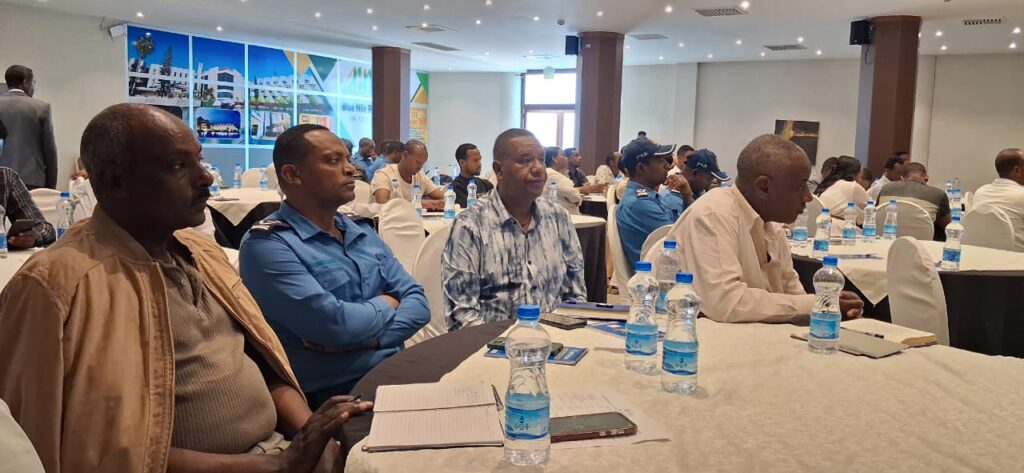
The Ethiopian Human Rights Commission (EHRC) conducted a discussion with stakeholders on the findings of its human rights monitoring conducted in 32 police stations across various zones and city administrations of the Amhara region on May 13, 2026, in Bahir Dar. The discussion brought together Deputy Commissioner of the Regional Police Commission, and Head of the Crime Investigation Office; members of the Legal, Justice, and Administrative Affairs Standing Committee of the Regional Council; an official of the Regional Supreme Court, representatives of the region’s Justice Bureau, Peace and Security Bureau and Militia Commission; representatives from the Office of the United Nations High Commissioner for Human Rights (OHCHR) Bahir Dar Office and the Bahir Dar University School of Law, as well as zonal police departments heads and police station commanders. The discussion provided an opportunity to review both encouraging practices and persistent human rights concerns identified through EHRC’s human rights monitoring.
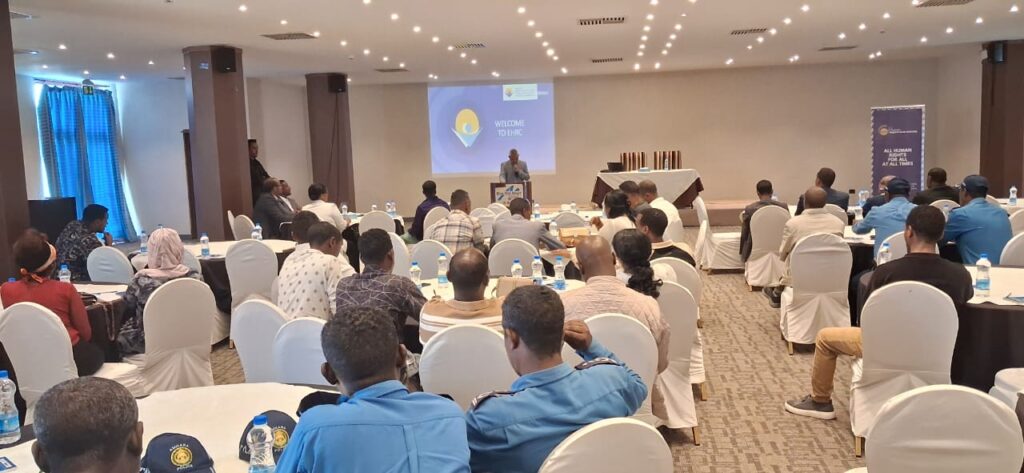
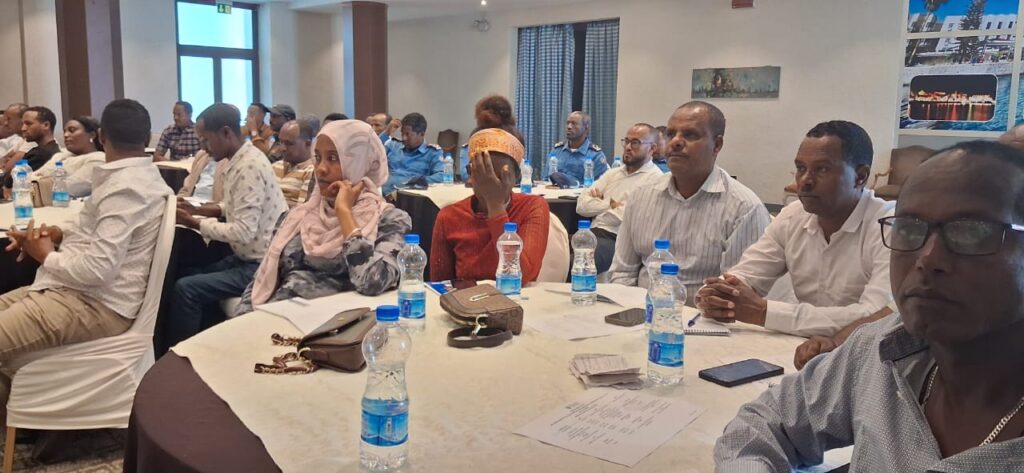
Following EHRC’s advocacy efforts, 172 individuals across various areas of the region were freed from arbitrary detention. The fact that a great majority of the detainees in South Wollo Zone, as well as Dessie, and Kombolcha cities, were brought before a court within the legally prescribed 48-hour period was raised as an encouraging finding. Other recorded progresses include the establishment of flexible procedures allowing suspects to be visited by their spouses, family members, close relatives, friends, and religious or legal advisors throughout the week; the conduct of criminal investigations in accordance with the provisions of the Criminal Procedure Code; and the improvement of detention facilities in some police stations.
On the other hand, the arrest of individuals without court orders and failure to bring them before a court within 48 hours; instances in which suspects detained in connection with what is described as “current/ongoing situation” remained in prolonged detention for up to 7 months without appearing before a court; and physical punishment, intimidation, threats, verbal and physical abuse by police officers as well as the denial of visitation rights were noted to be among the persistent human rights concerns in Bahir Dar, Gonder, North Gojam as well as police stations z in Shoa ones. Moreover, the lack of tailored support and protection measures for vulnerable groups in detention; the absence of a consistent grievance-handling mechanism and the practice of confining suspects in locked detention cells during daytime hours are among the several concerning issues requiring urgent attention.
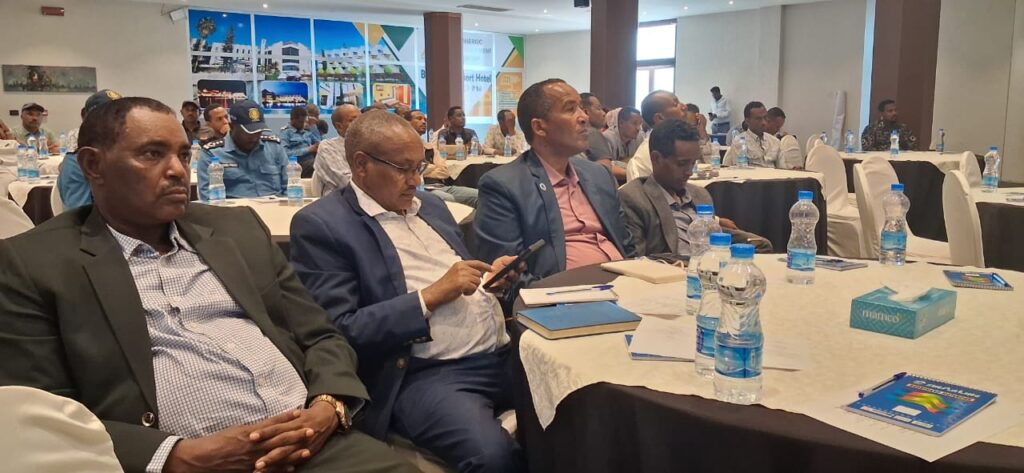
Deputy Commissioner of the Regional Police Commission and Head of the Crime Investigation Office, Deputy Commissioner Tadesse Ayalew, acknowledged that EHRC’s observations reflected realities encountered on the ground. He further noted that efforts to improve the protection of suspects’ rights require coordinated institutional efforts of relevant stakeholders, highlighting that the Commission has developed and begun implementing internal standards aimed at strengthening compliance and improving practices.
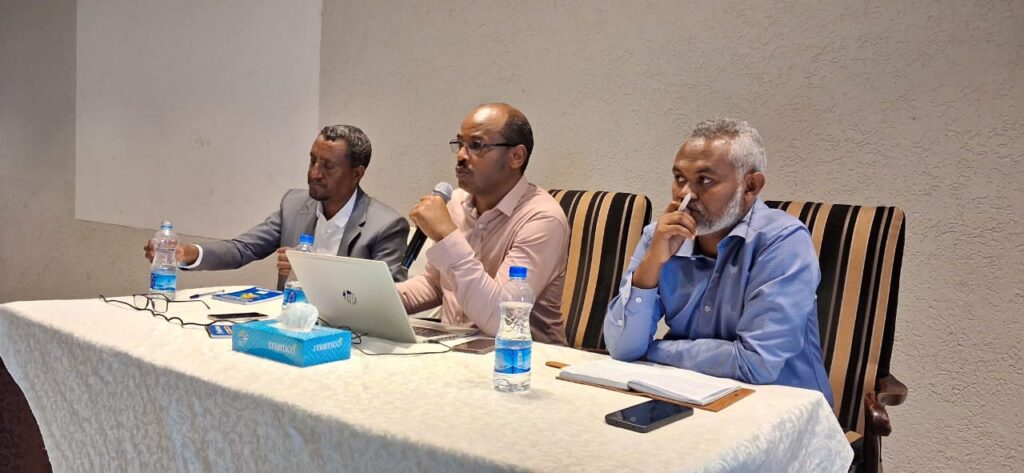
Yonas Mulugeta, EHRC’s Regional Director for Human Rights Monitoring and Investigation, emphasized that challenges arising from conflict and security concerns do not diminish the obligation of law enforcement institutions to uphold the rule of law and respect human rights standards. He reaffirmed EHRC’s commitment to continued engagement with relevant stakeholders to safeguard the dignity and rights of persons deprived of their liberty and to improve the overall human rights situation in the region.