

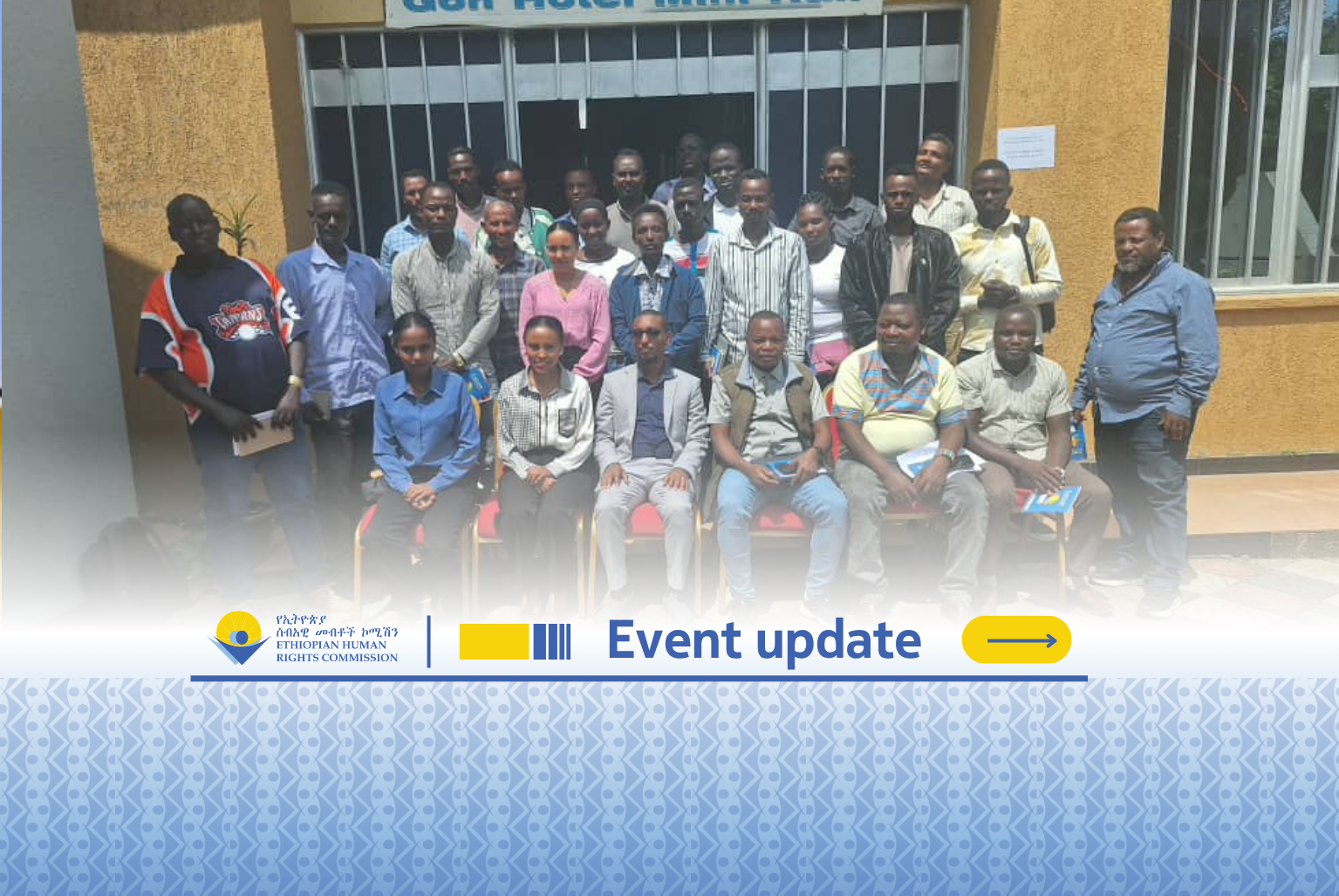
The Ethiopian Human Rights Commission (EHRC) held a stakeholder consultation to discuss findings and recommendations from its monitoring of the implementation of the right to education in selected pastoralist areas of the South Omo Zone on June 30, 2026, in Jinka town. The consultation brought together representatives from the South Omo Zone Education Bureau, Irrigation and Lowland Areas Development Directorate, the Turmi Town Administration, and education offices and schools from the Nyangatom, Male, and Banna Tsemay woredas.
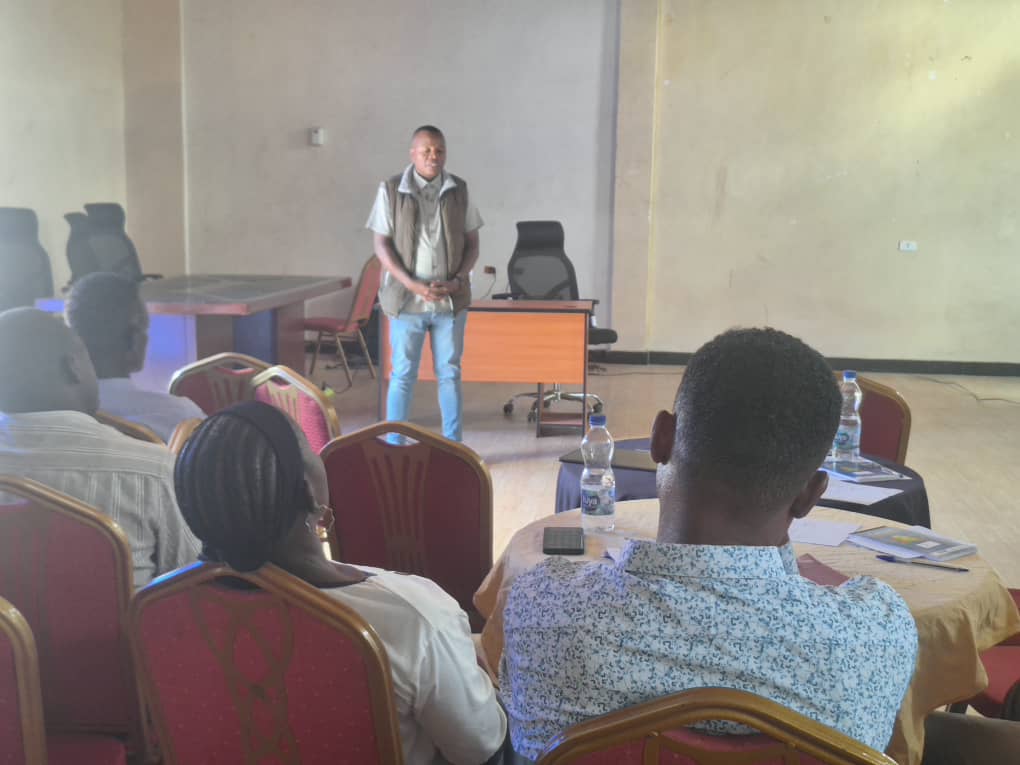
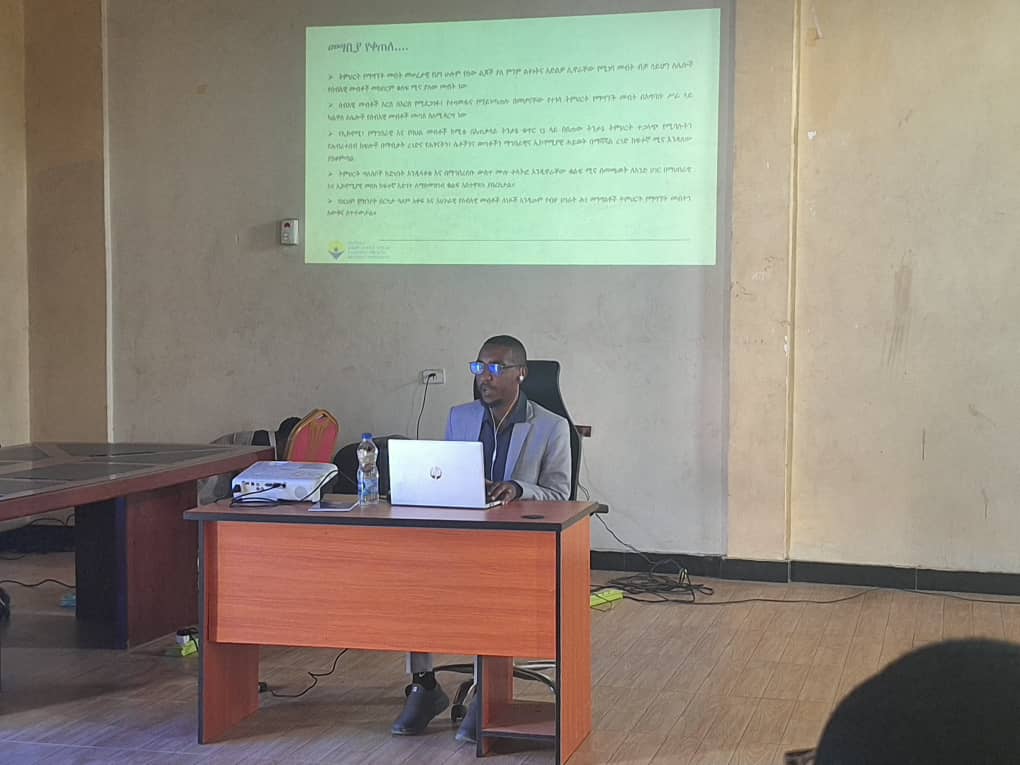
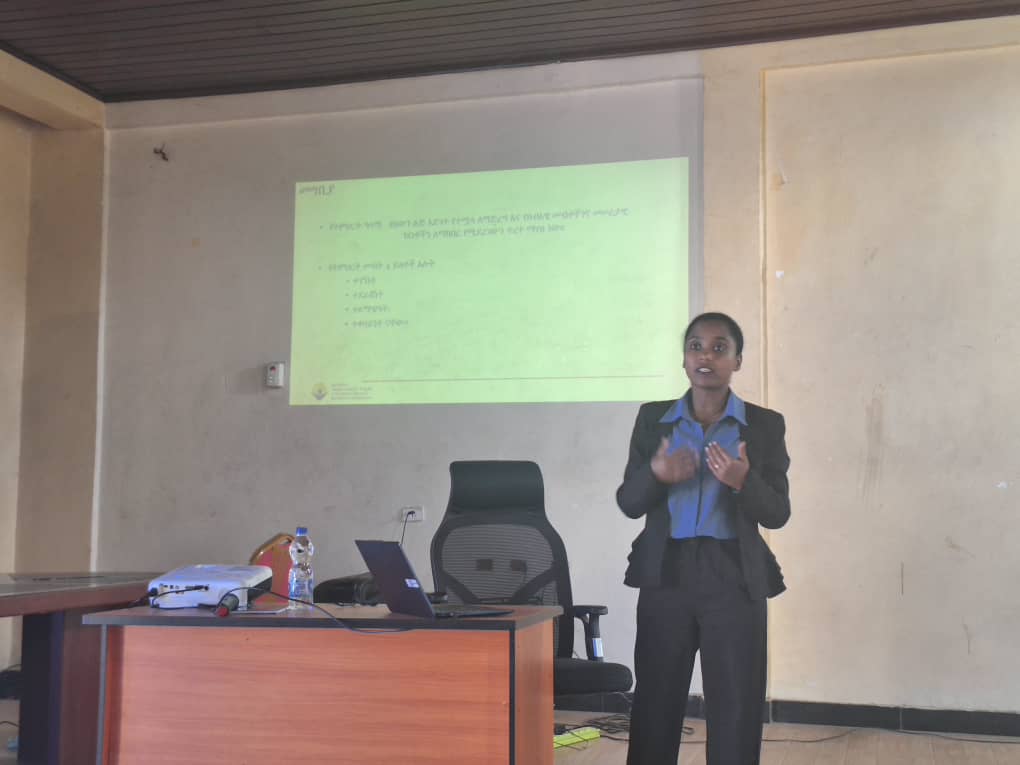
The consultation featured EHRC’s presentation on its monitoring findings regarding the implementation of the right to education in pastoralist areas and the protections afforded to this right under international and national legal frameworks, which were subsequently the subject of extensive discussion. During the discussion, it was highlighted that despite ongoing measures to improve the implementation of the right to education in the area, numerous challenges persist. These include structural damage to several schools caused by floods and strong winds—most notably in Dasenech Woreda, where more than 20 schools have been submerged—high teacher turnover and migration, low participation rates among female students, and the inadequacy of the budget support (Block Grant) for the education sector relative to current market realities.
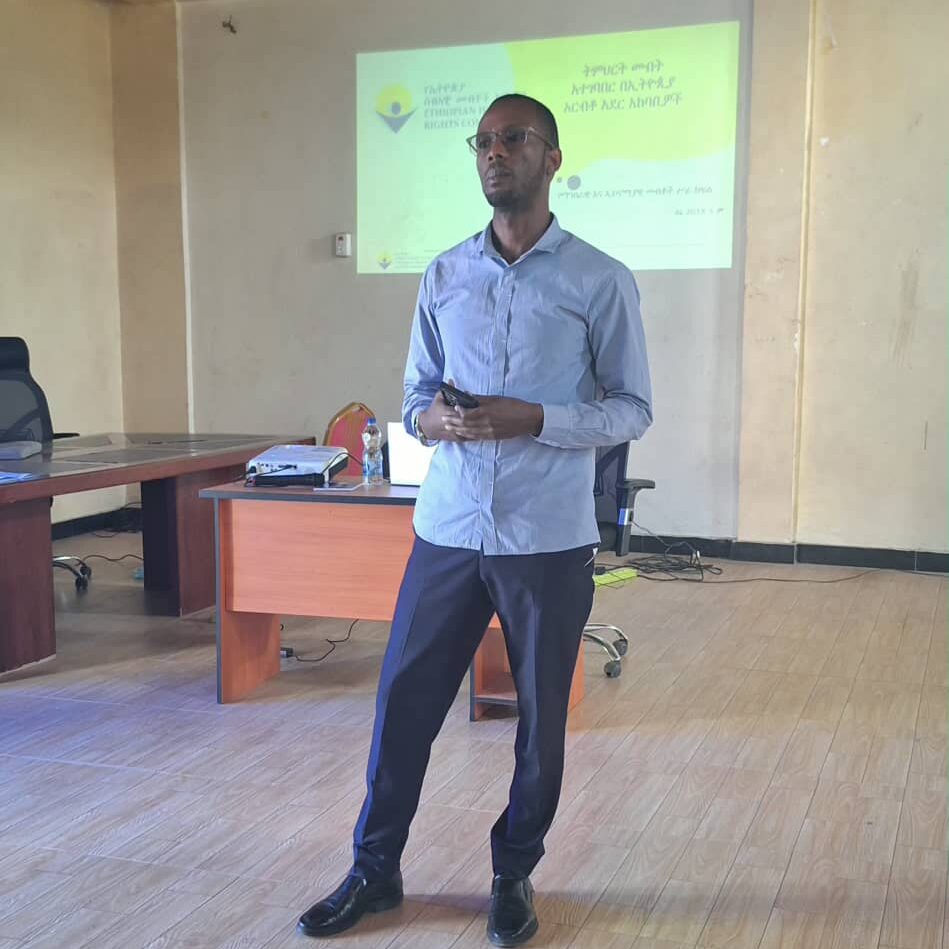
Participants of the discussion underscored the need to raise awareness of the importance of education, increase female student enrollment, facilitate training opportunities for teachers, and expand mobile schools and boarding schools (hostels). They further highlighted the necessity of allocating the required budget to meet essential resource needs in schools.
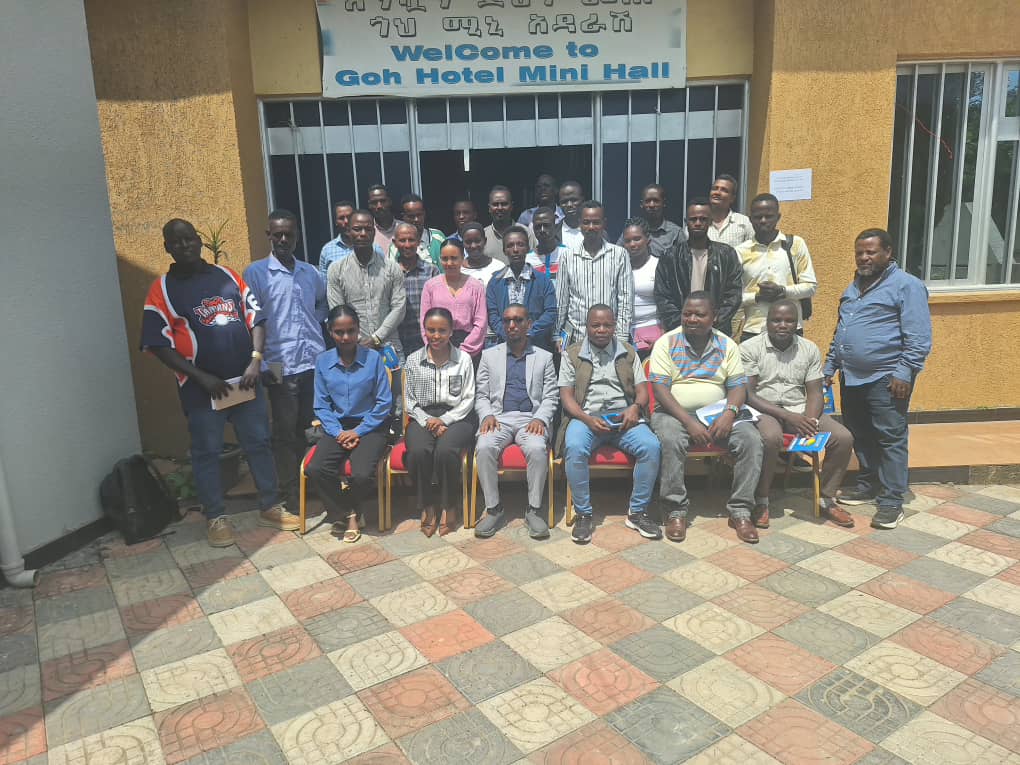
Hawi Asfaw, Director of the Socio-Economic Rights Department at the EHRC, stated that addressing gaps in the implementation of the right to education in pastoralist areas demands a context-specific response and coordinated efforts of all stakeholders. She further emphasized that ensuring accessibility, availability, acceptability, and adaptability—the core standards for the realization of the right to education—is critical.