

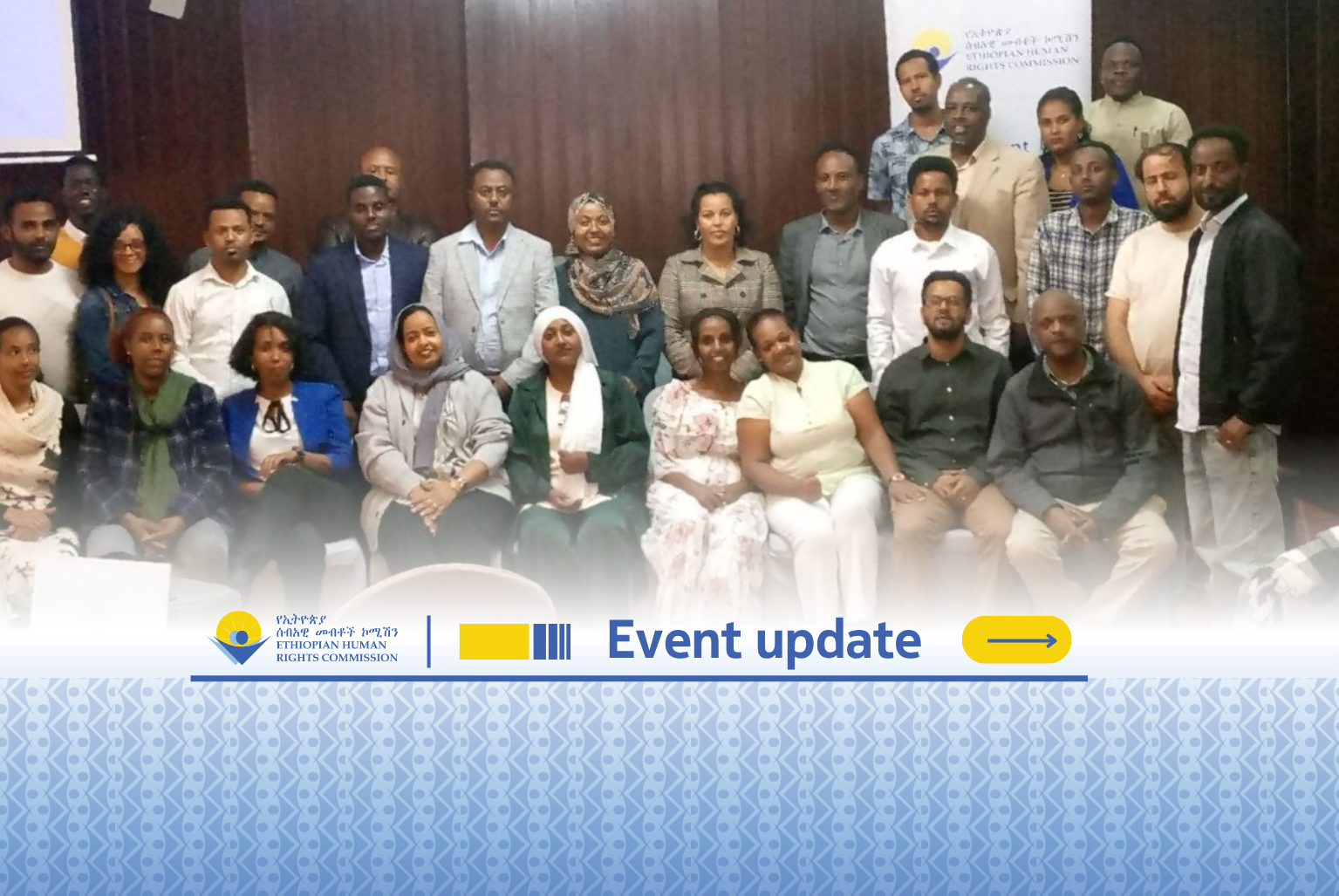
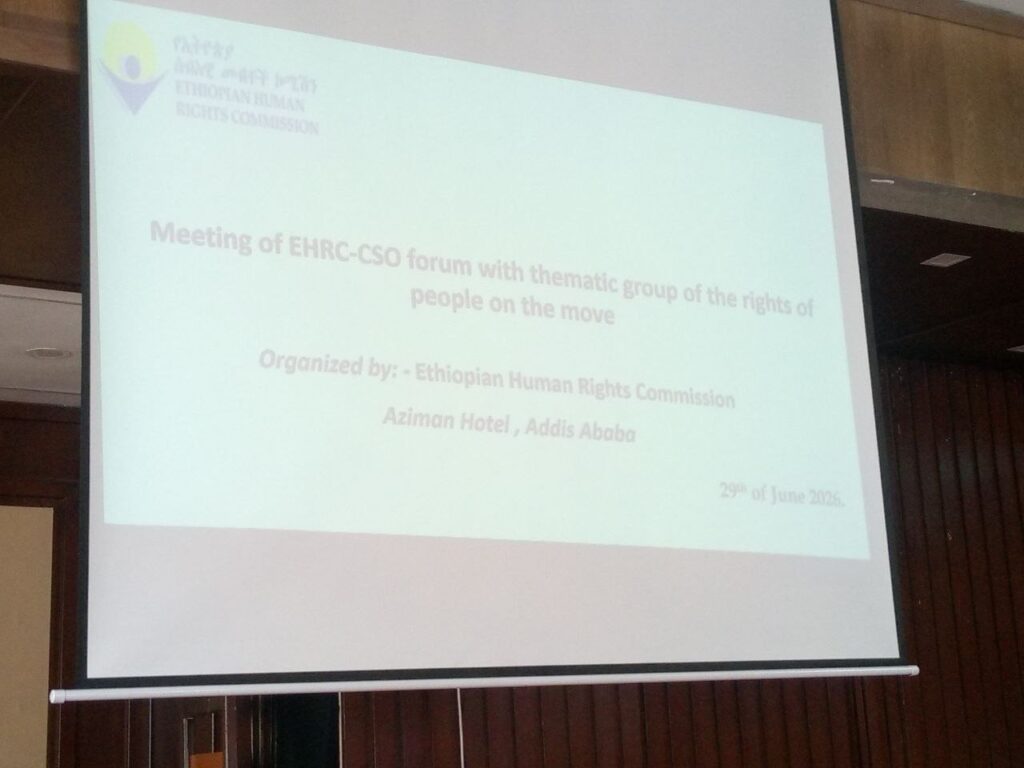
The ‘EHRC-CSO Coordination Platform Sub-Group on the rights of displaced persons,’ co-chaired by the Ethiopian Human Rights Commission (EHRC) and Tomorrow is Better, a local civil society organization, held a consultative forum on strengthening their collaboration mechanisms on June 29, 2026, in Addis Ababa. The forum convened civil society organizations (CSOs) actively engaged in the protection of IDPs, refugees, and migrants’ rights, drawn from Addis Ababa as well as the Afar and Amhara regional states.
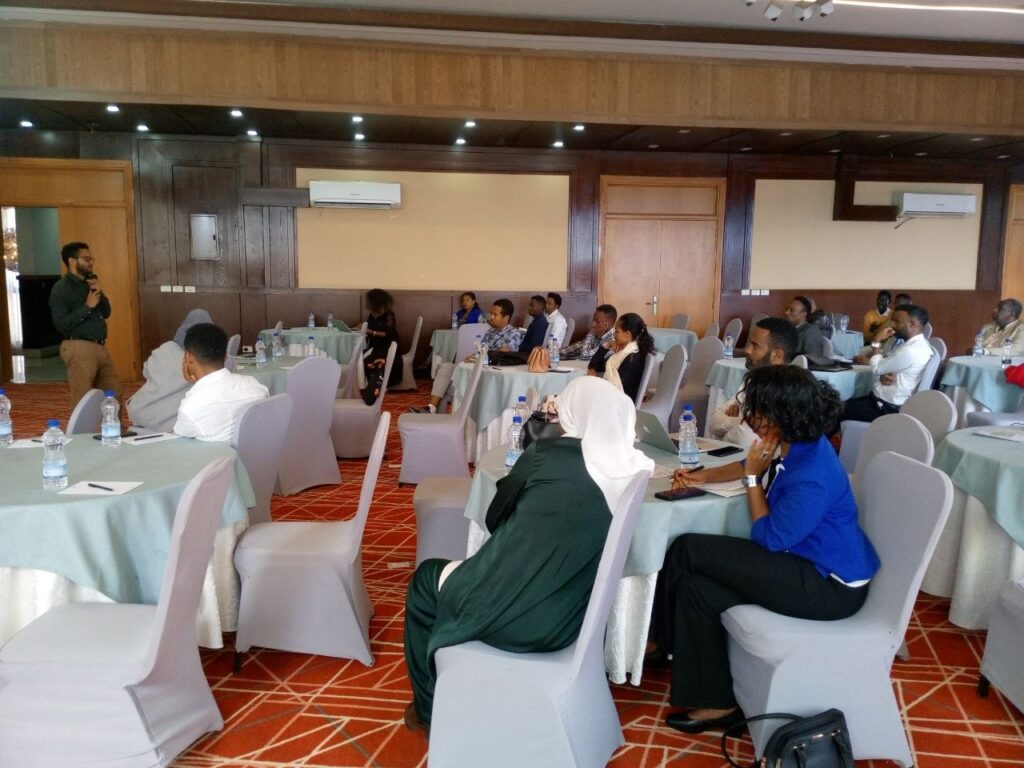
During the forum, the absence of a comprehensive legal framework and institutional structure governing the protection of IDPs, systemic gaps in displacement prevention, severe shortfalls in humanitarian assistance, and operational bottlenecks in implementing durable solutions were highlighted as key challenges. Concurrently, the forum assessed the systemic protection gaps encountered by refugees and asylum-seekers regarding registration, documentation, freedom of movement, and the right to work. Furthermore, extensive deliberations focused on the critical human rights violations endured by migrants traversing irregular border-crossing routes.
During the forum, consensus was reached on the primary strategic priorities earmarked for joint execution during the 2019 Ethiopian Fiscal Year. Furthermore, stakeholders deliberated on institutional mechanisms to optimize the platform’s operational efficacy and ensure systematic, periodic information exchange.
Mehreteab Gebremeskel, Director of the EHRC’s Department for the Rights of IDPs, Refugees, and Migrants and Chairperson of the Collaborative Platform’s Sub-Group on Persons in the Context of Displacement, stated that the core objective of effectively promoting, respecting, and protecting the rights of the IDPs, refugees, and migrants cannot be realized by a single institution alone. Highlighting CSOs as indispensable partners in achieving this mission, he further emphasized the critical necessity of sustaining and strengthening the collaborative platform to ensure the efficacy of future joint interventions.