

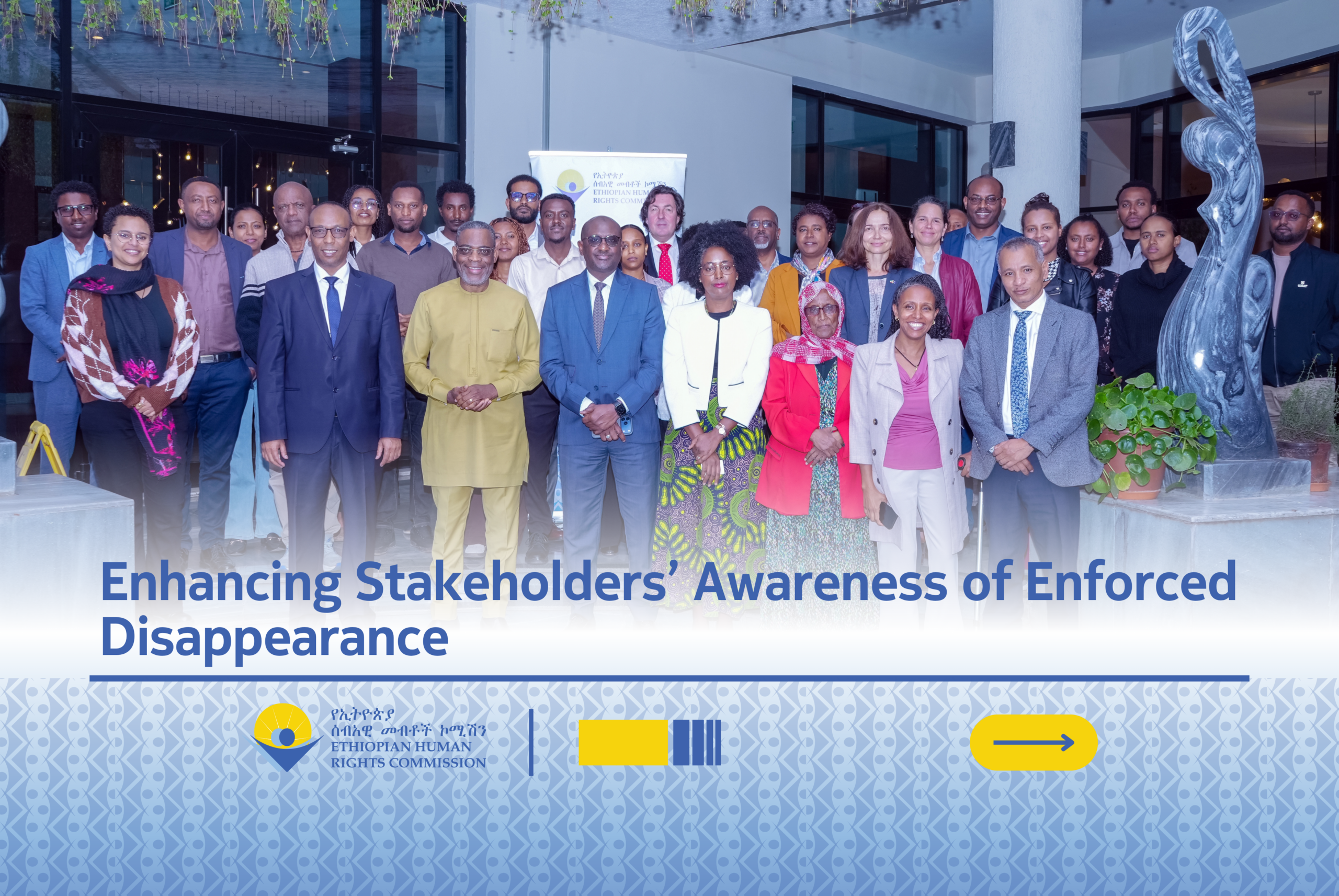
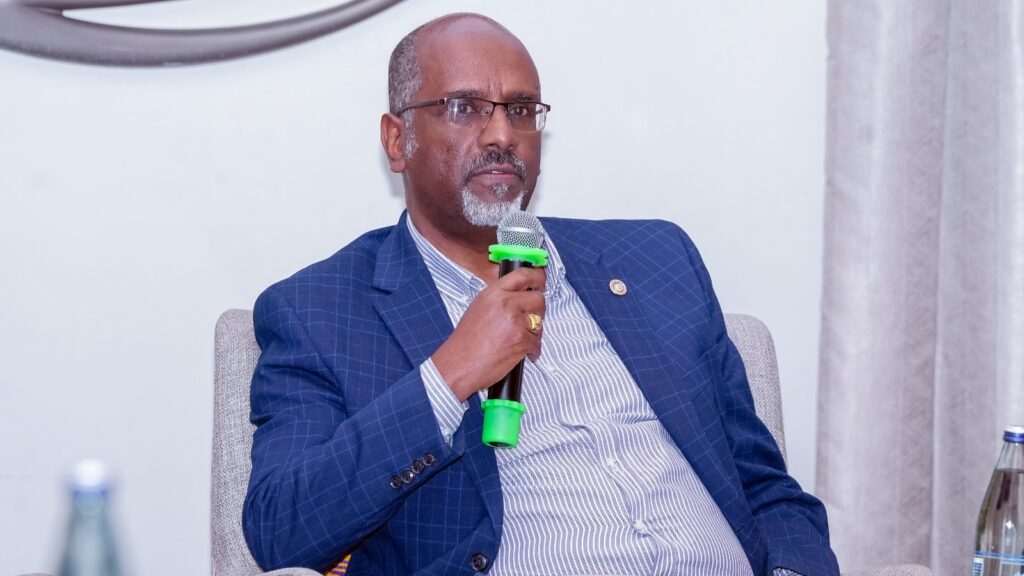
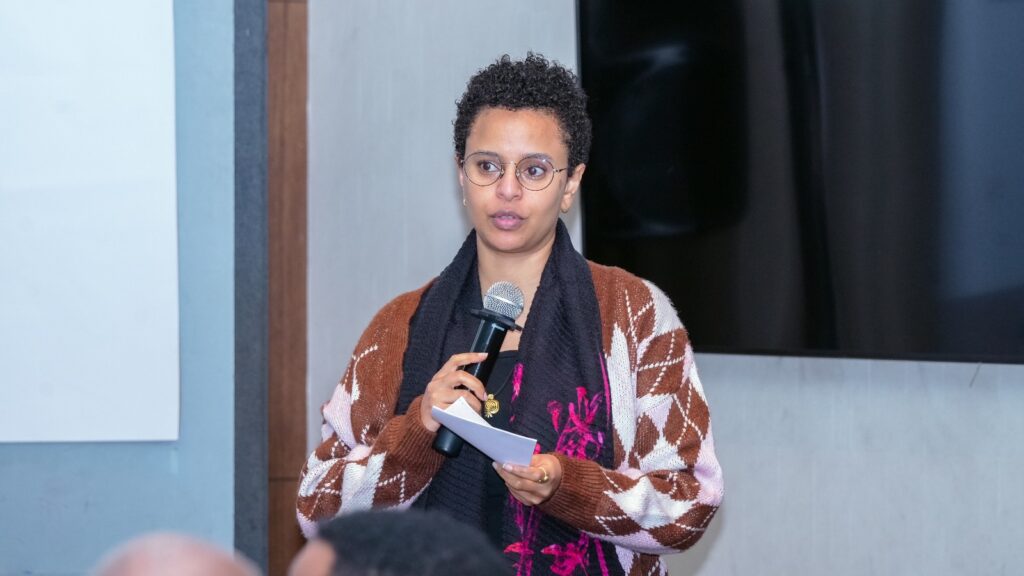
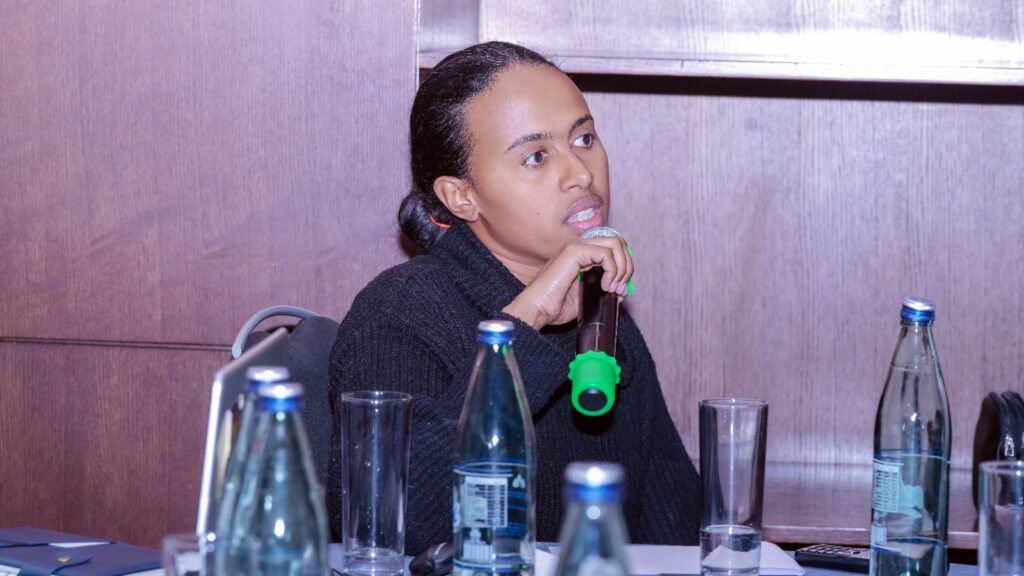
The Ethiopian Human Rights Commission (EHRC), in collaboration with the African Commission on Human and Peoples’ Rights (ACHPR) and the United Nations Working Group on Enforced or Involuntary Disappearances (WGEID), convened a seminar on August 31, 2026. The event brought together representatives from government bodies, inter-governmental organisations, development partners, civil society organisations, and academia.
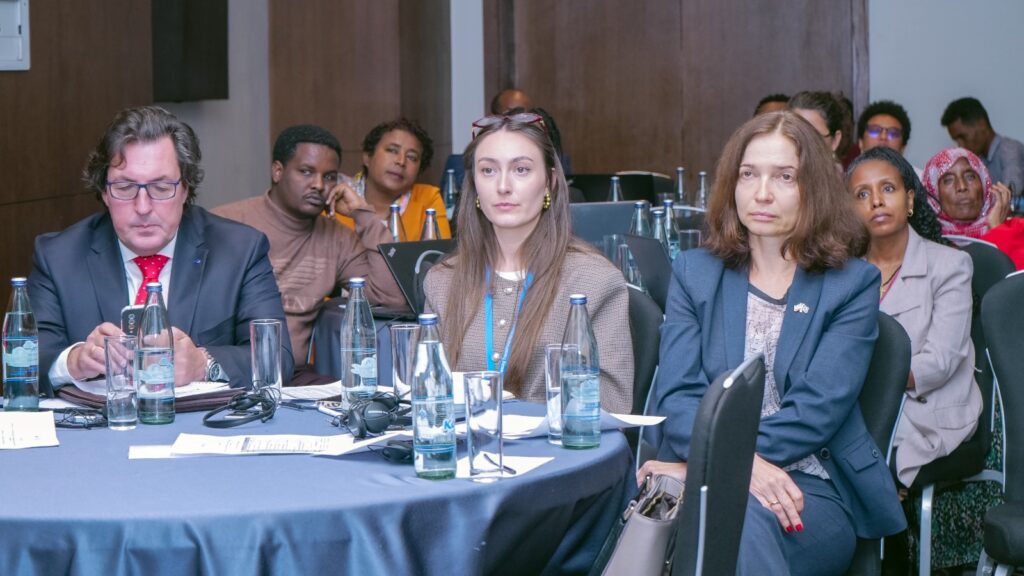
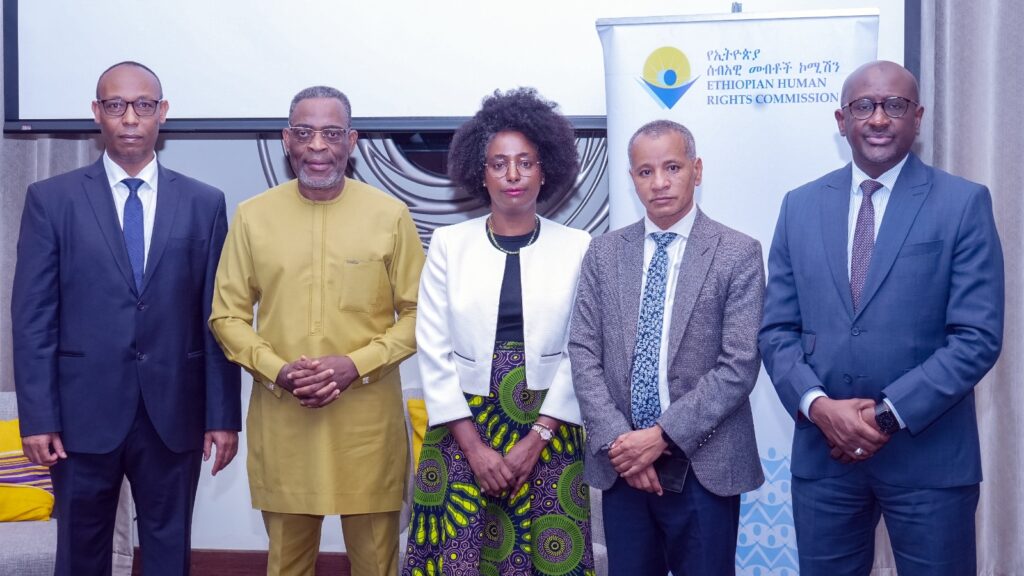
The central objective of the seminar was to enhance stakeholders’ awareness of enforced disappearance from regional and international perspective and to mark the International Day of the Victims of Enforced Disappearances (observed annually on August 30). Throughout the deliberations, participants examined key regional and international frameworks, including the ICPPED and the African Commission’s 2022 Guidelines on Enforced Disappearances. During the seminar regional and international experts shared practical insights to strengthen domestic advocacy and presented the mandates of both the UN WGEID and the African Commission’s Working Group on Death Penalty, Extrajudicial, Summary or Arbitrary Killings and Enforced Disappearances in Africa. Furthermore, the experts emphasized the importance of Ethiopia’s ratification of the International Convention for the Protection of All Persons from Enforced Disappearance (ICPPED).

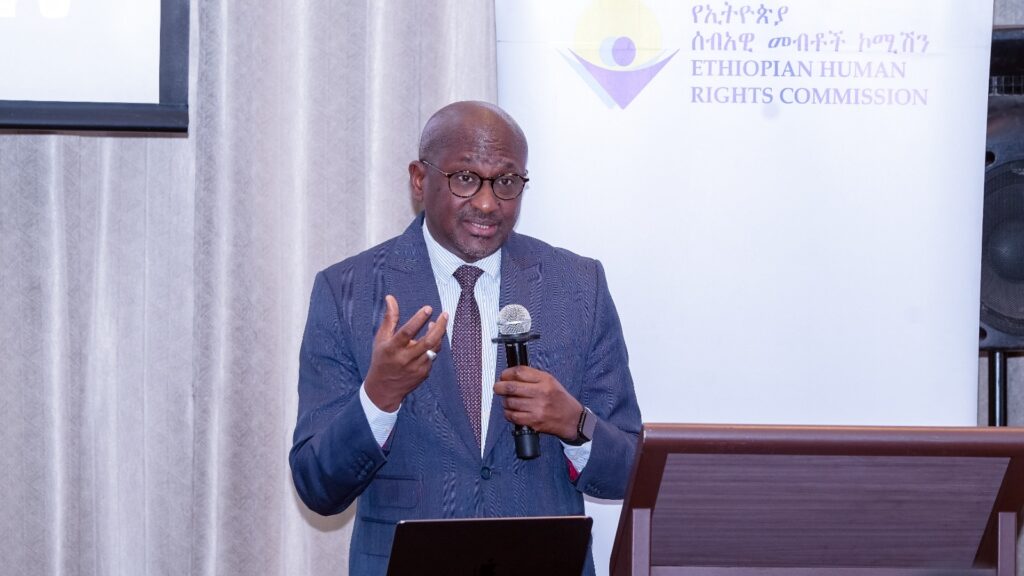

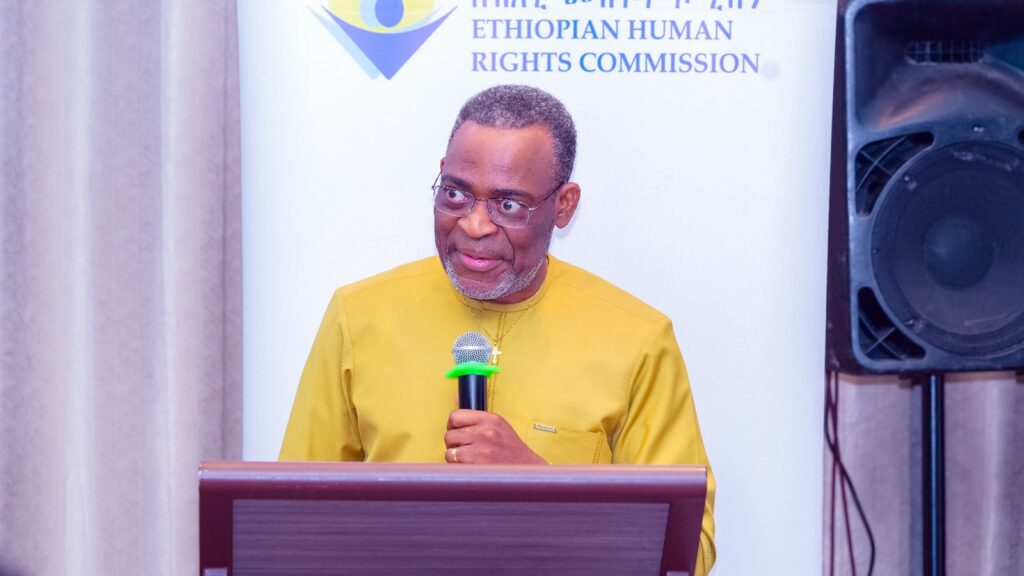
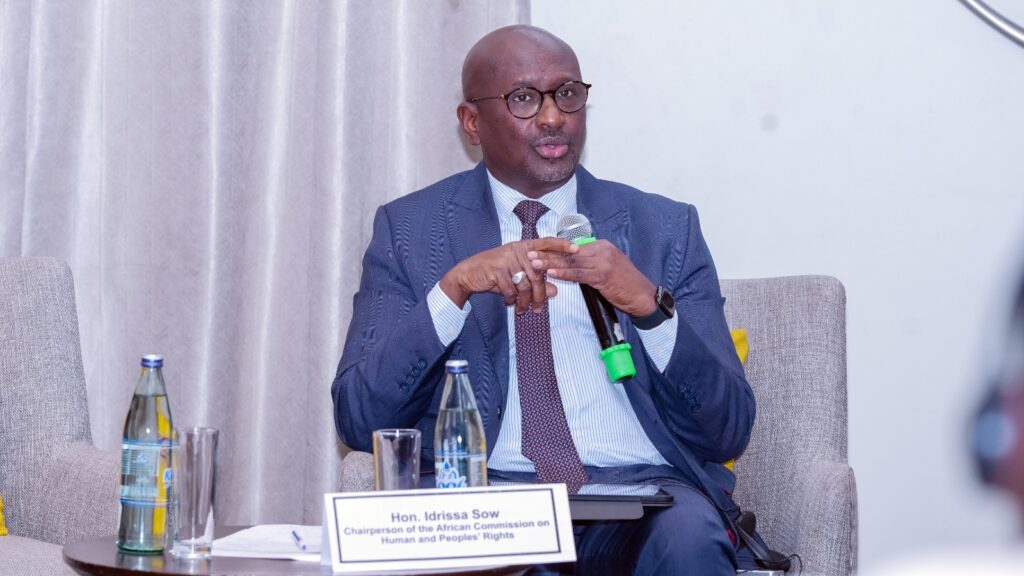
Honourable Idrissa Sow, Chairperson of the African Commission as well as Chairperson of its Working Group on Death Penalty, Extrajudicial, Summary or Arbitrary Killings and Enforced Disappearances in Africa, described enforced disappearance as a “degrading crime”. He highlighted its most pernicious dimension” the involvement of public authority in the commission of the offense, the very entity entrusted with ensuring the victim’s protection.” Pointing to Ethiopia’s ongoing transitional justice process, Honourable Sow urged all stakeholders to build strong alliance, reinforce legal protections, and support country’s potential ratification of the ICPPED.

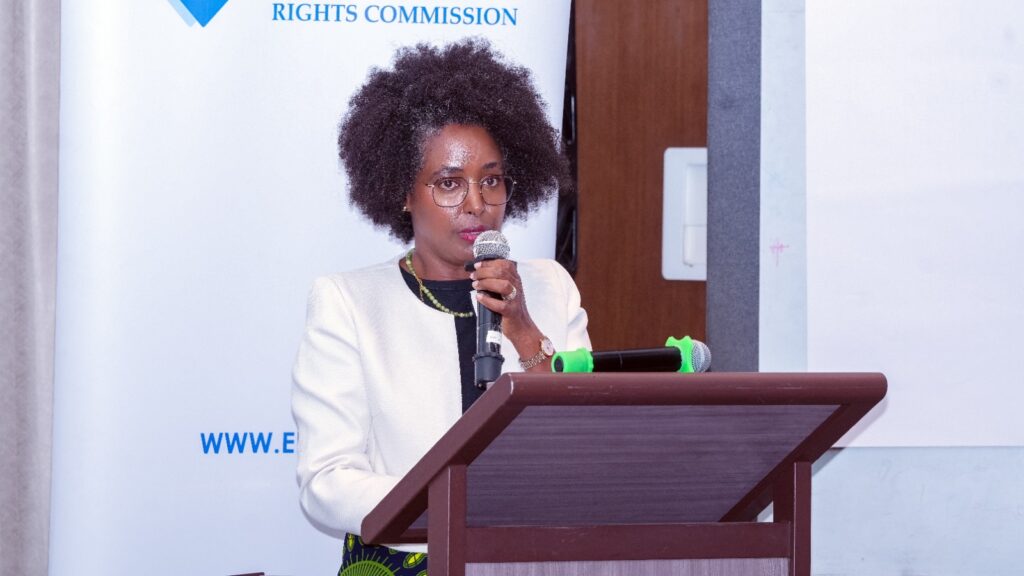
Dr. Aua Baldé, Member of the UN WGEID, emphasized that the commemorative day is first and foremost a day for the victims whose suffering is multidimensional and often transgenerational. She briefed participants on the constituent elements of enforced disappearance, as well as the mandate and working methods of the Working Group which include conducting country visits, reporting to the Human Rights Council, monitoring human rights situations, and exercising its humanitarian mandate. Furthermore, Dr. Baldé reaffirmed the Working Group’s solidarity with all disappeared persons and their families across Africa, and throughout the world.
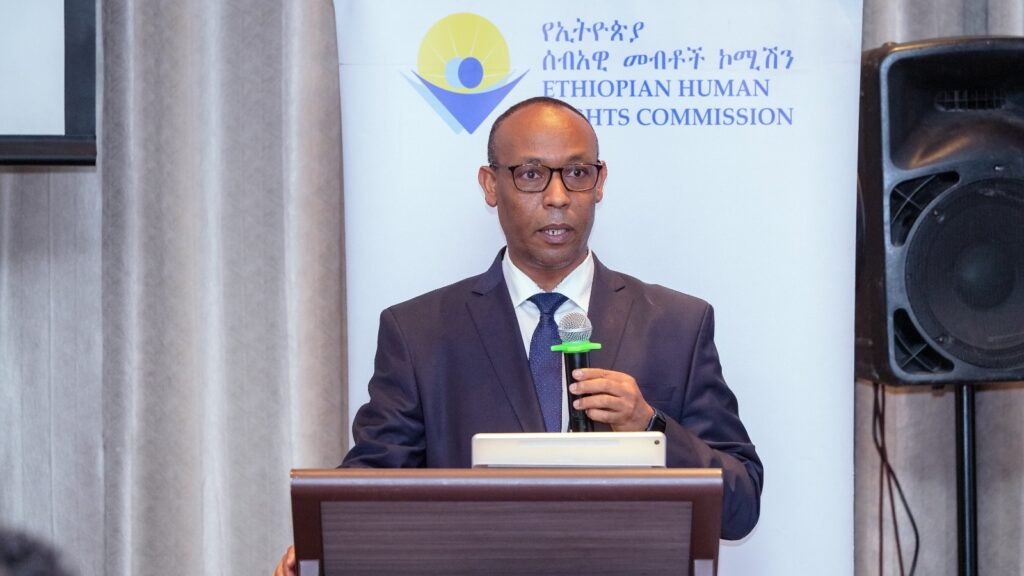
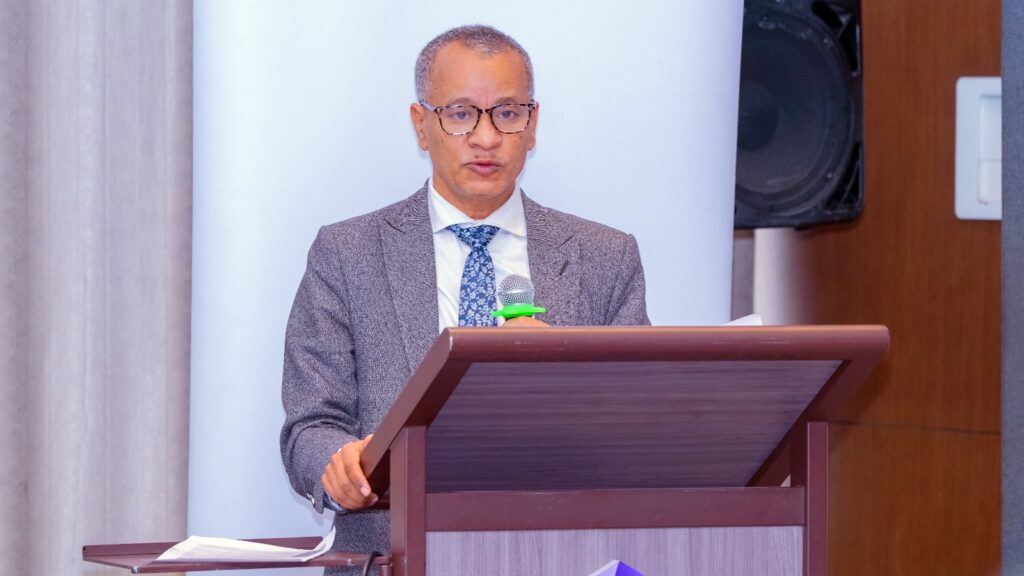
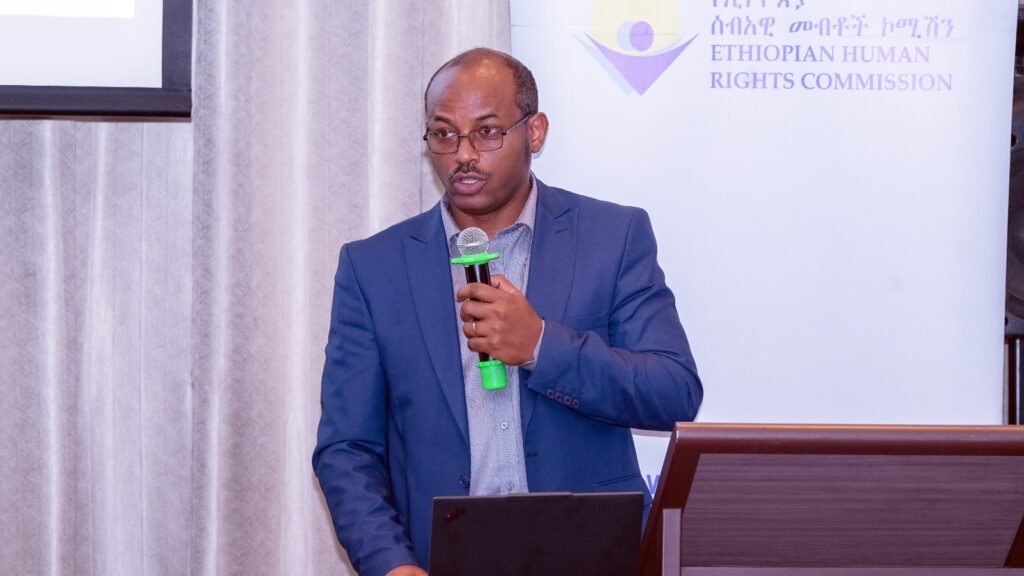
Dr. Mizanie Abate, Deputy Chief Commissioner of the EHRC, reiterated that since the absolute prohibition of enforced disappearance is a cornerstone of international human rights law, ratifying the ICPPED would further strengthen the national legal framework and demonstrate a renewed commitment to prevention, investigation, accountability and reparation for victims and their families. He stated that “the observance serves to stand in solidarity with the victim’s families and communities, and to renew our collective commitment to ensuring that no person is placed outside the protection of the law”.
The seminar concluded by with a joint call to action, urging all participants to uphold their respective responsibilities in preventing enforced disappearances, ensuring justice and reparations for victims, and establishing robust domestic and international legal safeguards.