

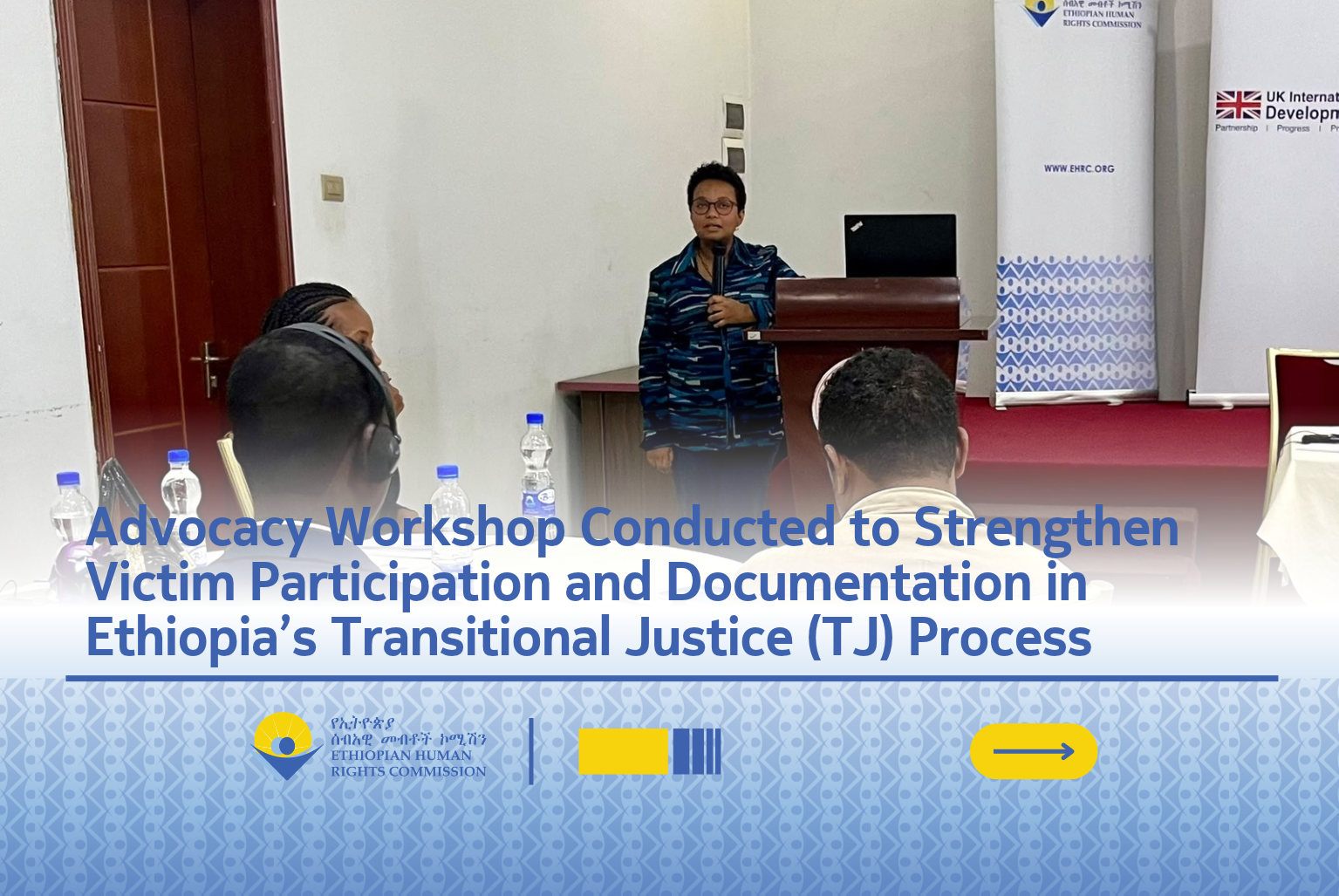
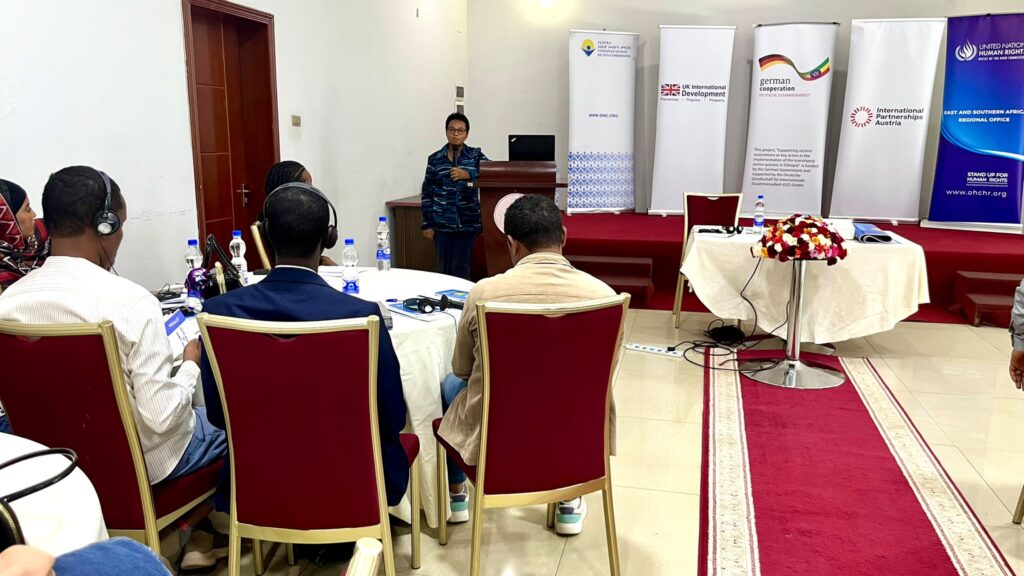
The Ethiopian Human Rights Commission (EHRC), in collaboration with the United Nations Office of the High Commissioner for Human Rights East and Southern Africa Regional Office (OHCHR ESARO), held a two-day capacity-building and advocacy workshop for victim associations on October 8 and 9, 2026, in Addis Ababa. The workshop brought together 44 representatives of victim associations from Afar, Amhara, Benishangul-Gumuz, Gambella, Harari, Somali, and Tigray regions.
The workshop aimed to strengthen victim associations’ capacity to conduct ethical and human rights-compliant victim mapping and documentation, while providing a platform for them to share experiences, strengthen coordination, and articulate their priorities for engagement in Ethiopia’s TJ process.
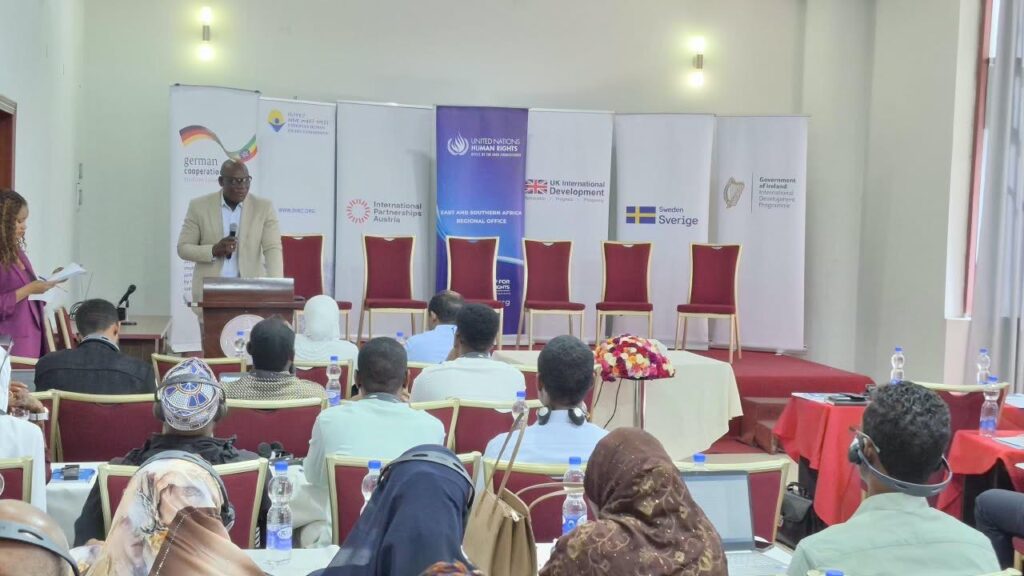
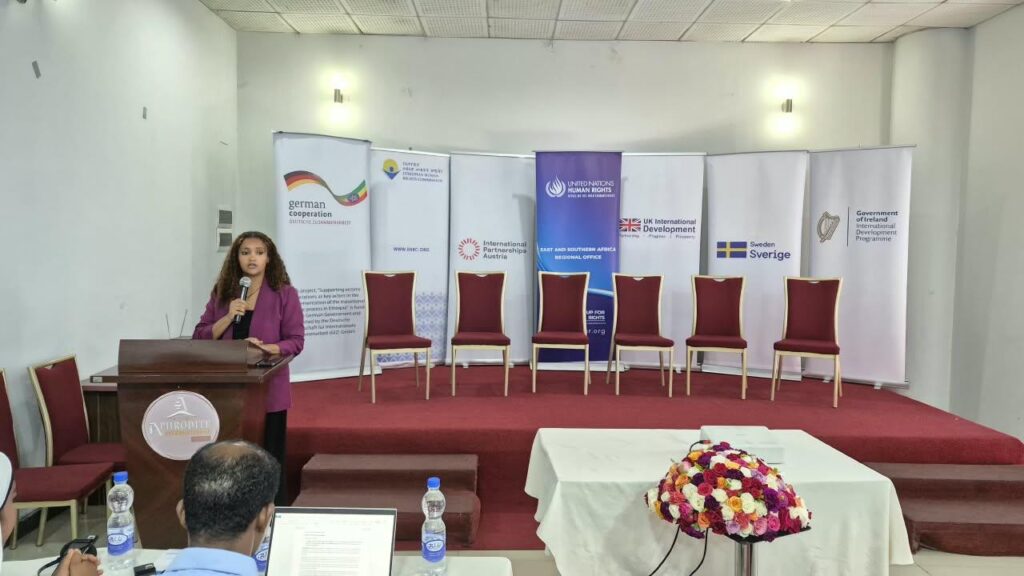
Following the adoption of Ethiopia’s Transitional Justice Policy (ETJP) in April 2024, victim associations have expressed strong interest in contributing to the process through victim mapping, documentation of human rights violations and the development of a victims’ database. However, many associations continue to face challenges, including limited technical capacity, the absence of standardised documentation practices, and concerns regarding the safety, privacy and psychosocial well-being of victims and survivors. These challenges underscore the importance of ensuring that documentation is conducted in accordance with applicable human rights standards and ethical principles.
During the workshop, EHRC presented its Victim Mapping and Documentation Guide, introducing participants to the objectives, methodologies and standards underpinning ethical and human rights-compliant documentation. Representatives of victim associations from the Somali Region shared their experiences in screening and mapping victims, using the Kobo Toolbox, the approaches they have adopted, and the challenges and drawn lessons. Participants also engaged in group discussions on victim mapping practices and the applicable human rights standards, followed by presentations of their discussion outcomes.
An OHCHR expert-led session focused on integrating gender-responsive and trauma-informed approaches into the work of victim associations. The discussions highlighted the importance of addressing the specific needs and experiences of women victims and survivors, including survivors of conflict-related sexual violence, and ensuring their meaningful participation in the TJ process.
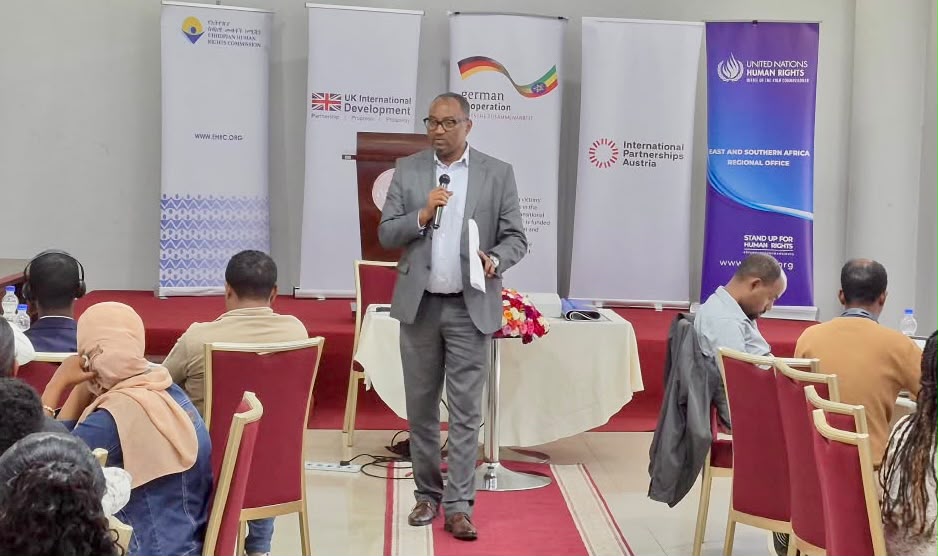
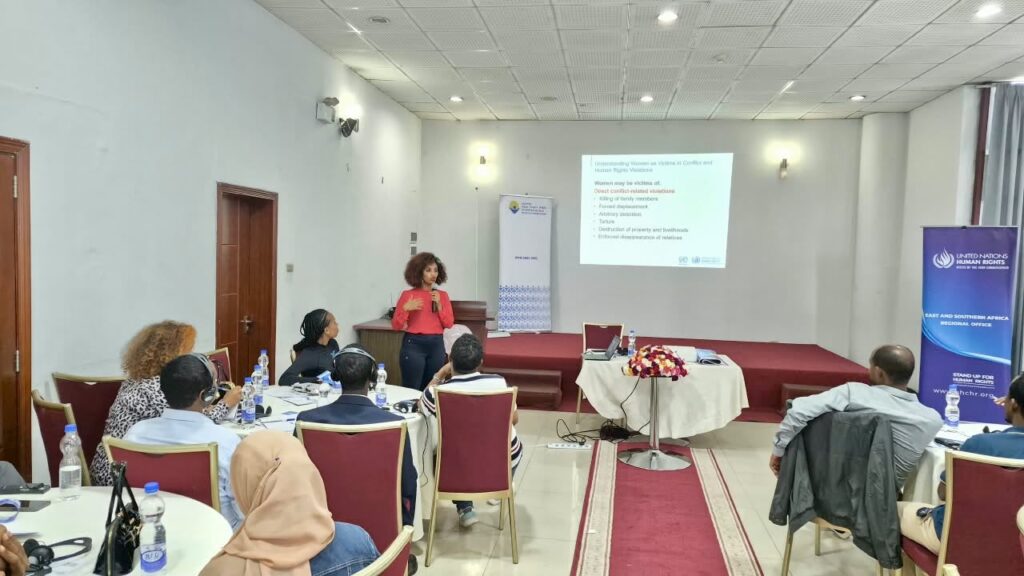
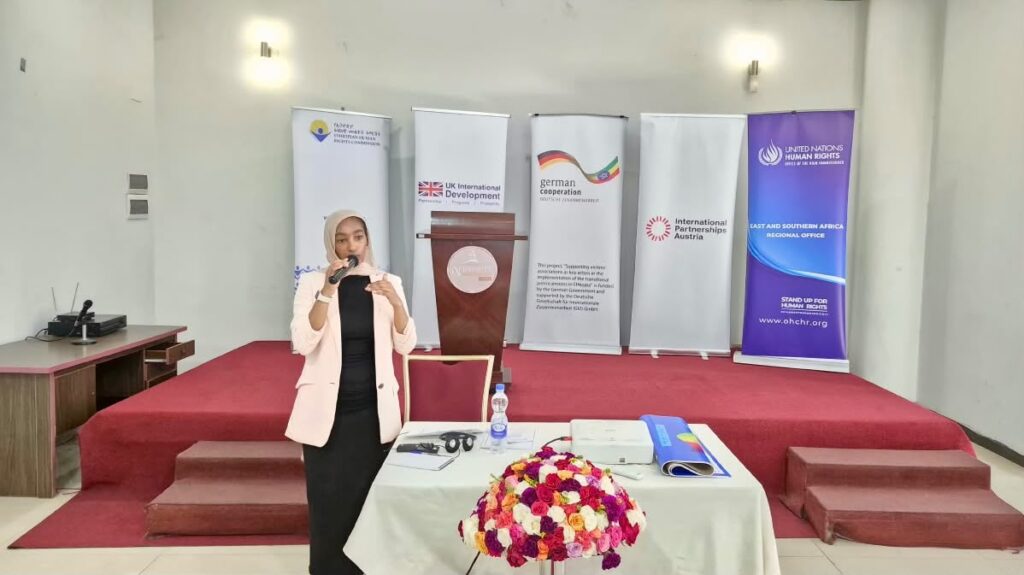
The second day of the workshop brought together victim associations and approximately 30 representatives of civil society organisations and government institutions based in Addis Ababa. A panel discussion provided an opportunity for victim associations to reflect on their establishment, development, achievements and continuing challenges. The discussion also addressed gender mainstreaming in victim-led initiatives and the experiences of associations in organising collectively. The Alliance of Victims’ Associations also presented its objectives and action plan, highlighting areas in which support and collaboration from relevant stakeholders are needed.
Additionally, the workshop provided a strategic dialogue between victim associations and other stakeholders on strengthening coordination, supporting victims’ initiatives and creating opportunities for more structured engagement in the TJ process. The discussions underscored the importance of ensuring that victims’ experiences, needs and priorities inform TJ initiatives; and their participation is safe, inclusive and meaningful.
Ethical victim mapping and documentation are important to advance victims’ rights to truth, justice, effective remedy and reparation. They also help protect victims’ privacy and security, prevent further harm and support the credibility and responsible use of information by relevant TJ institutions. Applying a consistent, victim-centred approach is therefore essential to ensuring that documentation efforts respect the dignity and rights of victims and survivors.
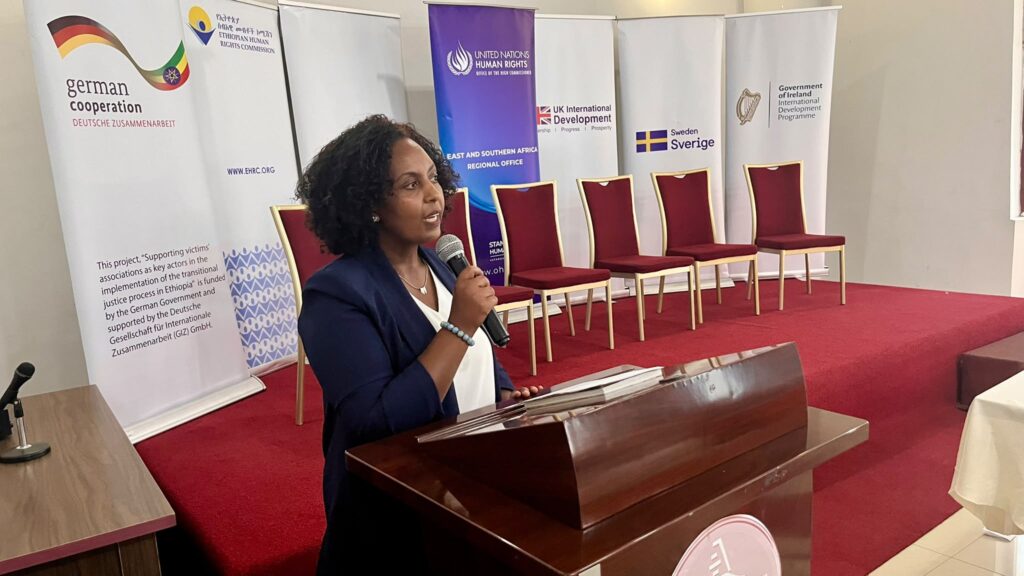
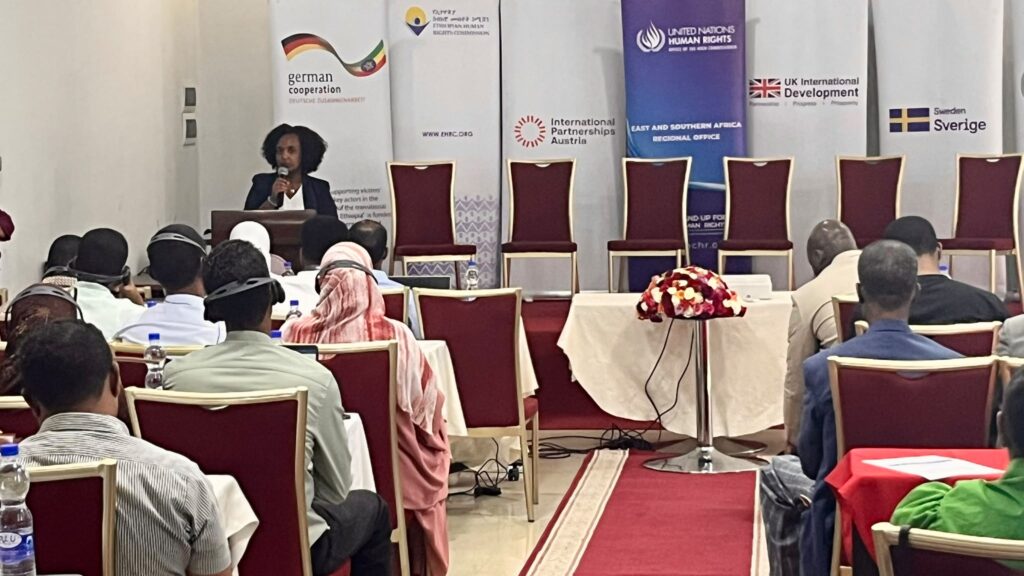
EHRC pledges to continue supporting victim associations in strengthening their technical and advocacy capacities, including through the application of the Victim Mapping and Documentation Guide preparation and engagement on the victims’ database initiative. In collaboration with OHCHR, civil society organisations and relevant government institutions, the EHRC continues promoting meaningful victim participation and advocate for a human rights-compliant and victim-centred TJ process in Ethiopia.