

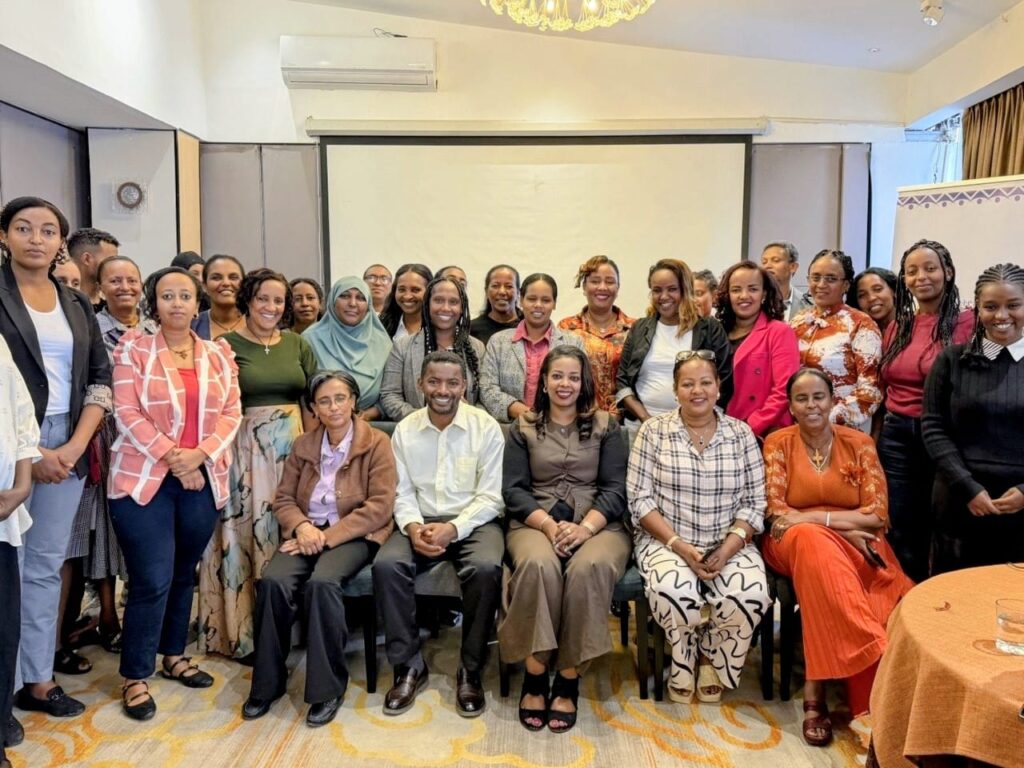
The Ethiopian Human Rights Commission (EHRC) held an awareness-raising workshop on the reception and handling of gender-based violence complaints for women and social affairs inclusion executives from higher education institutions in Addis Ababa on June 26, 2026. The workshop brought together women and social affairs inclusion offices executive from higher education institutions in the Addis Ababa, Amhara, Central Ethiopia, Oromia, South Ethiopia, and Tigray region.
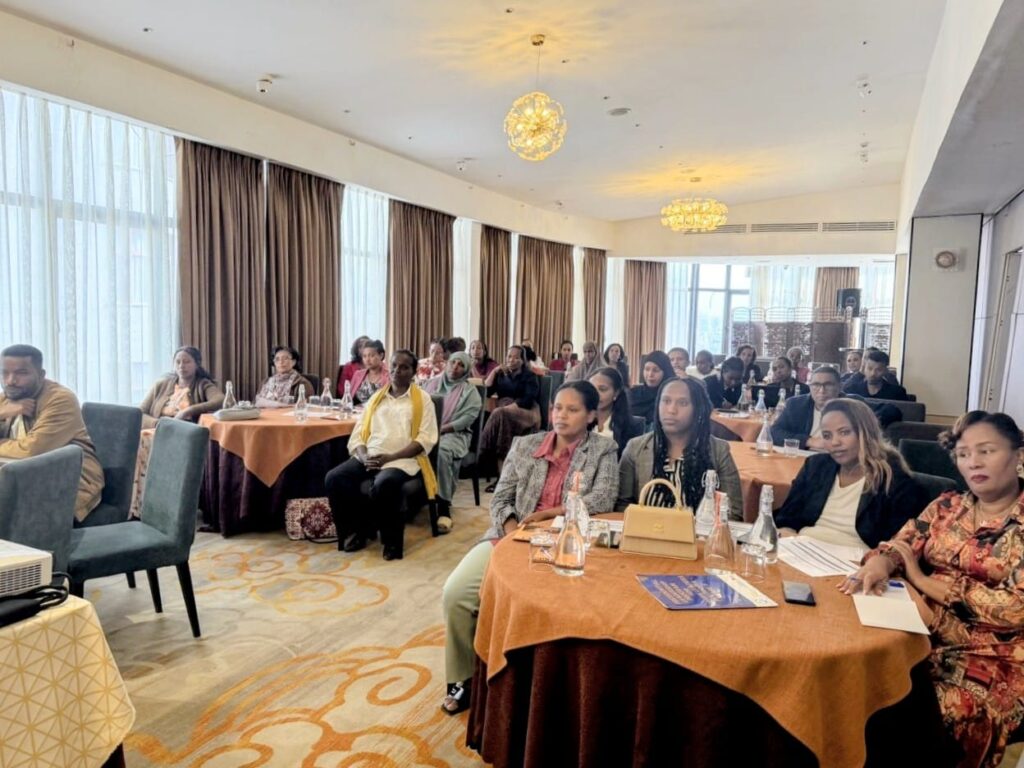
The workshop featured a briefing focused on gender-based violence, women’s rights, and gender-sensitive complaint-receiving and handling principles. Participants also evaluated the existing mechanisms established within their respective universities to prevent and address gender-based violence, support and referral systems for victims, and procedures implemented to ensure accountability and justice. They also shared experiences on best practices, gaps requiring improvement, and measures to be taken moving forward.
Participants also shared the challenges they encounter in the process of preventing and responding to gender-based violence committed within their respective universities. Among these challenges absence of harmonized policies, directives, and operational systems; awareness gaps; lack of confidentiality; inaccessible complaint handling mechanisms; and the tedious, protracted, and distressing nature of the justice process for victims were highlighted. Furthermore, they identified limitations in data management, referral systems, psychosocial support services, and technology utilization, as well as stakeholders’ weak coordination, as key challenges.
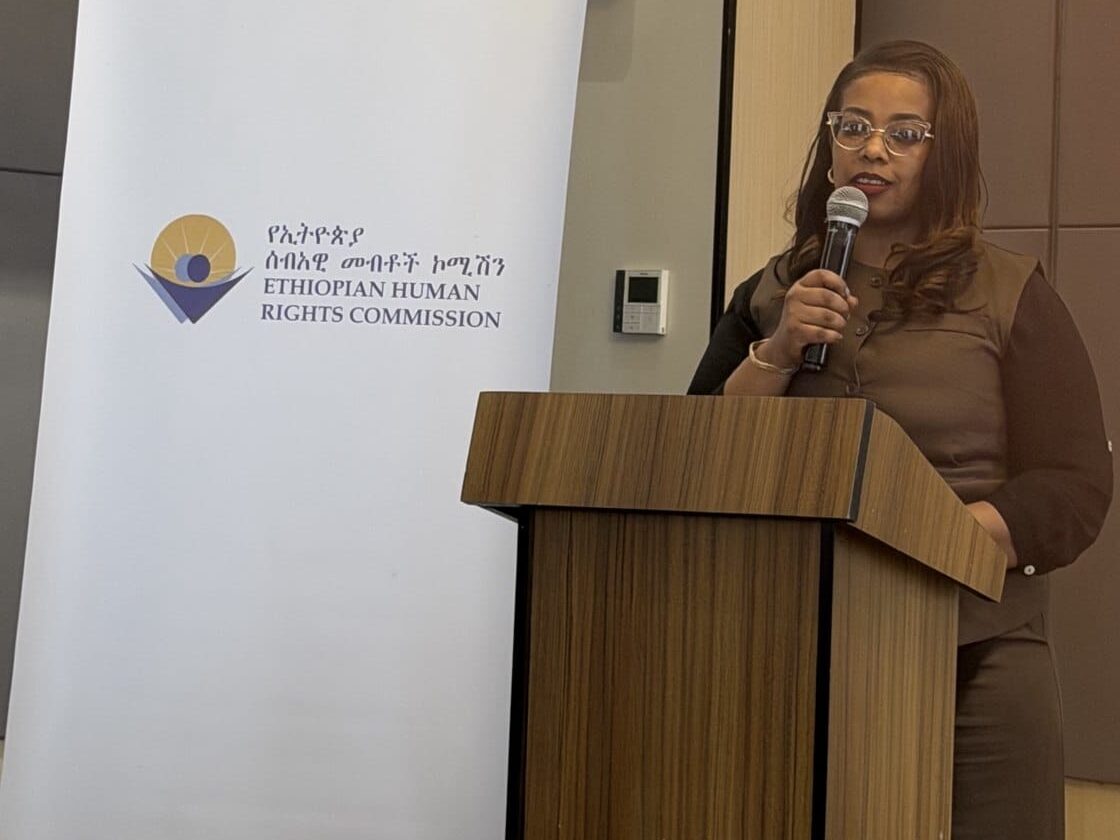
EHRC’s Commissioner for Women and Children’s Rights, Ashenefech Abebe, noted the necessity of creating a free and safe learning environment to prevent human rights violations women face in various settings, including educational institutions. She further emphasized that gender offices established within higher education institutions play a significant role in upholding the rights of female students and ensuring accountability.