

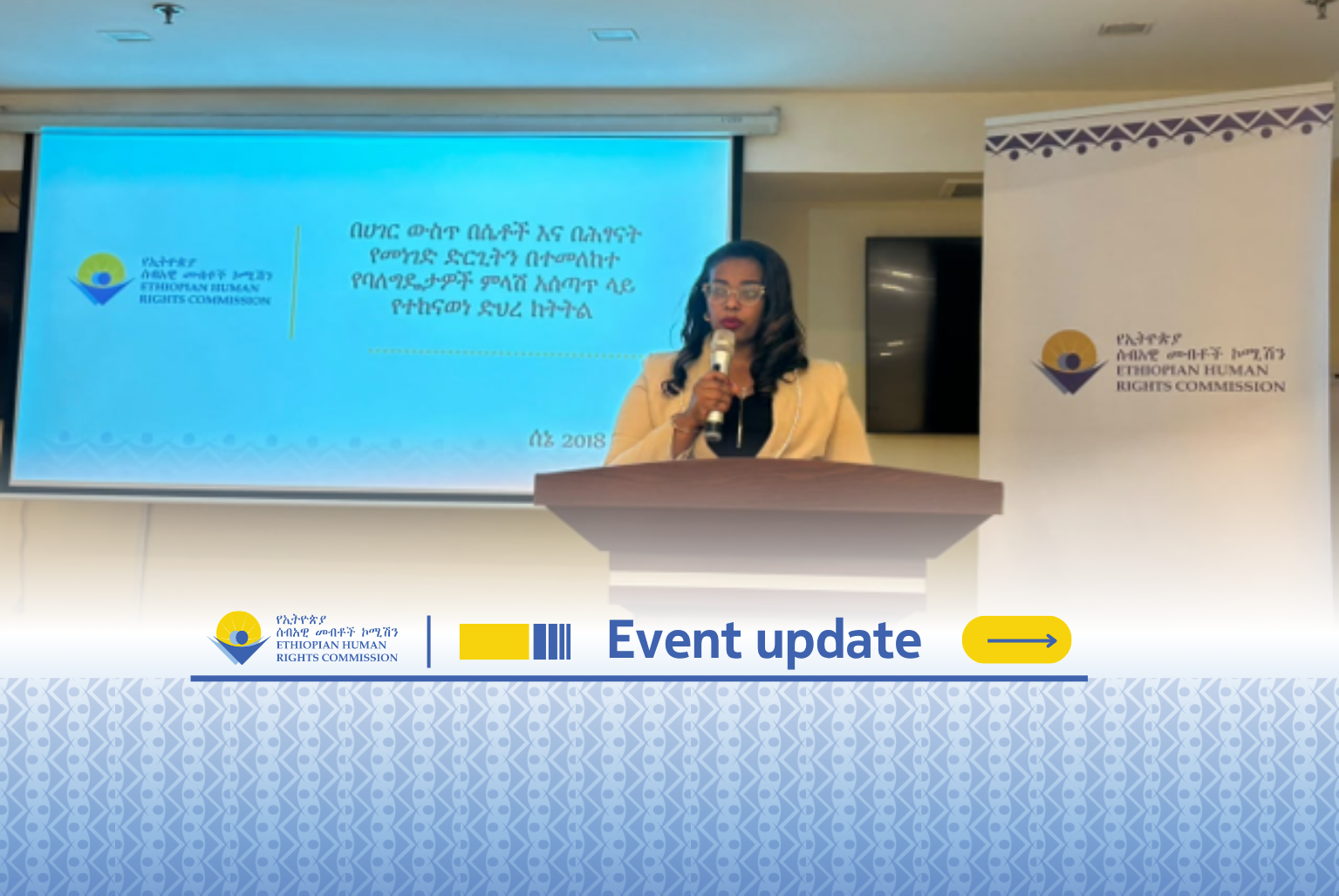
The Ethiopian Human Rights Commission (EHRC) conducted a consultation on the implementation of recommendations issued following its monitoring of efforts to curb the internal trafficking of women and children on June 12, 2026, in Addis Ababa. The consultation brought together relevant stakeholders from federal and regional institutions, including heads and representatives of justice sector actors, executive bodies, officials, and representatives from Addis Ababa, Adama, Bahir Dar, Hawassa, and Wolaita Sodo city administrations, as well as the East Shewa Zone.
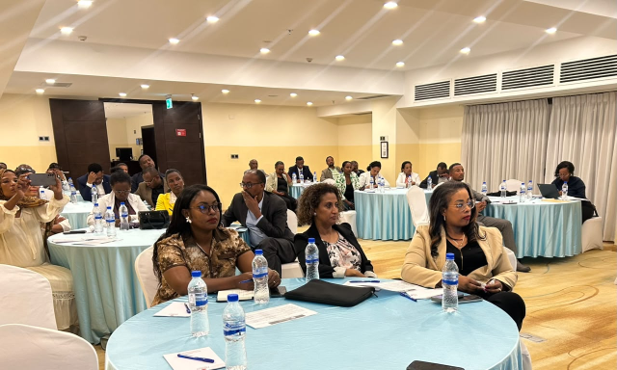
The forum featured presentations and deliberations on the implementation of recommendations concerning coordinated counter-trafficking efforts and other priority issues identified during the monitoring. These encompassed awareness-raising initiatives, job creation, research and study, the implementation of action plans and directives, complaint and reporting systems, criminal investigations, prosecution and accountability, and the protection and rehabilitation of victims.
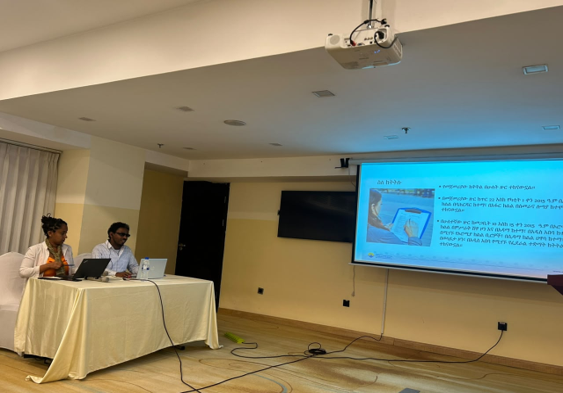
Discussions highlighted positive developments in the implementation of job creation and awareness-raising initiatives to prevent human rights violations, the monitoring of informal employment sectors, the successful establishment of a reporting system, and measures taken towards capacity-building and rehabilitation. Conversely, persistent gaps in organized data management, criminal investigation and prosecution, and research and study activities were noted as concerns.
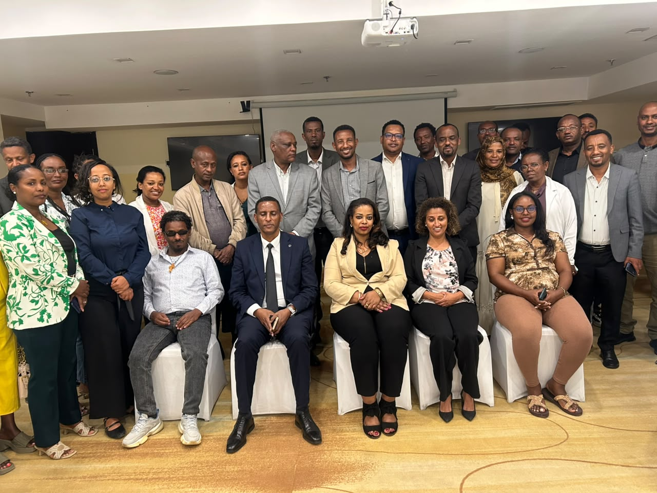
Participants in the discussion underscored that sustaining positive initiatives and addressing persistent challenges sustainably require extensive efforts to shift societal attitudes, close legal gaps, expand job creation, and strengthen stakeholder coordination. They further stressed the necessity of providing capacity-building training for justice sector actors, as well as approving and implementing the draft victims’ fund and migration policy.
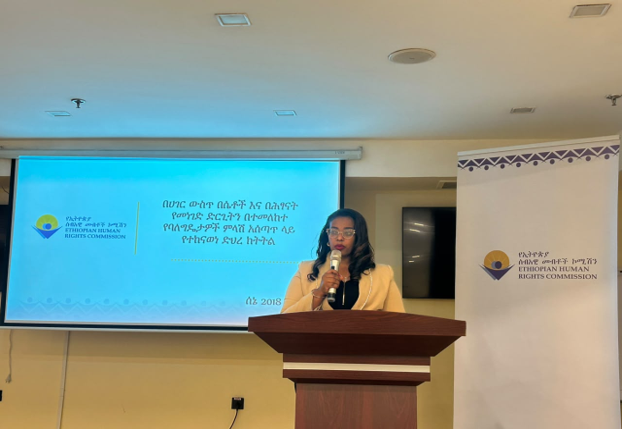
EHRC Commissioner for Women and Children’s Rights, Ashenefech Abebe, stated that the measures taken, laws enacted, and coordination centers established to curb the internal trafficking of women and children represent encouraging initiatives. She emphasized, however, that given the scale of the problem, rigorous enforcement of laws, addressing existing gaps, and strengthening stakeholders’ coordinated efforts remain critical. She further added that consolidating and sustaining the efforts initiated requires the collective commitment of all, and she called upon all stakeholders to fulfill their respective responsibilities.