


The Ethiopian Human Rights Commission (EHRC) conducted a consultation on the findings and recommendations of its first-of-its-kind human rights monitoring of the right to health of persons with psychosocial disabilities on May 20, 2026, in Addis Ababa. The monitoring covered 13 public hospitals and private medical centers across the Addis Ababa city administration, as well as the Amhara, Oromia, and Tigray regions. The monitoring aimed to assess the conditions of healthcare services for individuals experiencing functional limitations and social barriers due to long-term mental health conditions, including severe depression, bipolar disorder, schizophrenia, and anxiety, identify gaps, and provide recommendations.
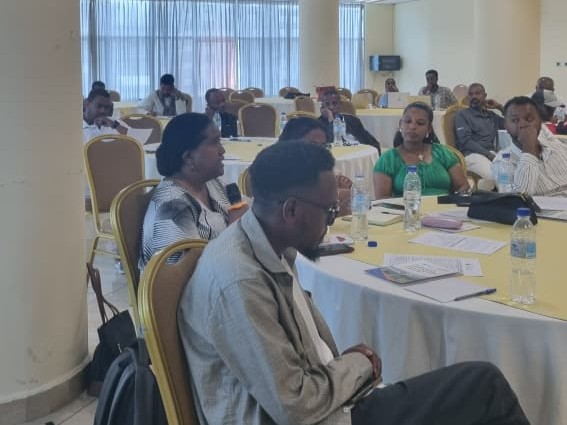
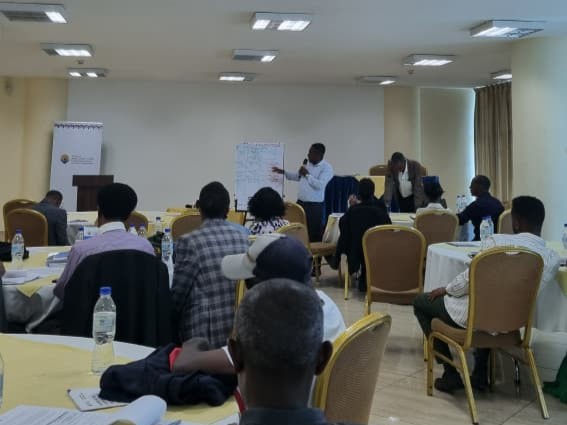
The consultation brought together officials and experts from the Ministry of Women and Social Affairs, the Ministry of Education, and the Ministry of Health, as well as representatives of regional health and women and social affairs bureaus, organizations of persons with disabilities, medical institutions, and other key stakeholders.
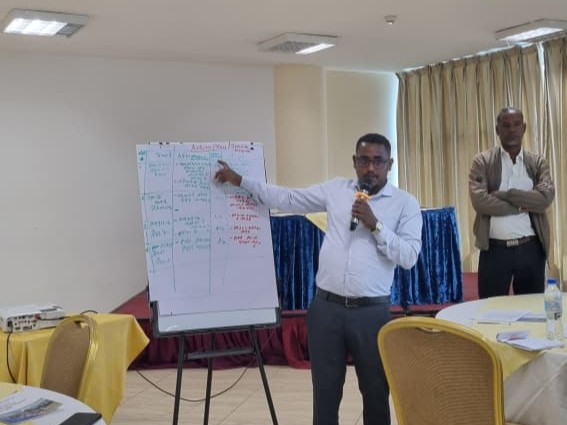
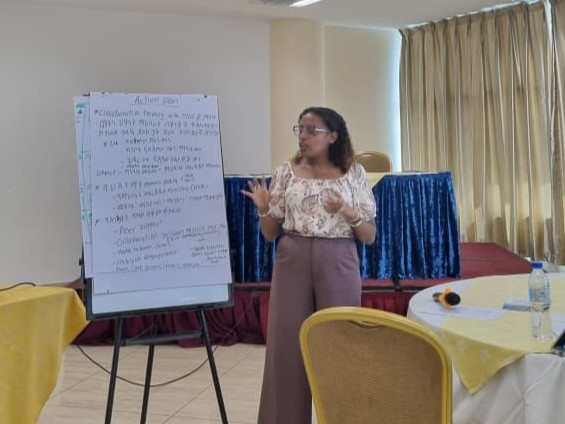
The workshop featured an extensive discussion on the key achievements, areas of concern, and recommendations identified through EHRC’s monitoring. Participants highlighted existing gaps in psychosocial health services, detailed proactive measures being implemented within their respective institutions, and outlined ongoing operational challenges.
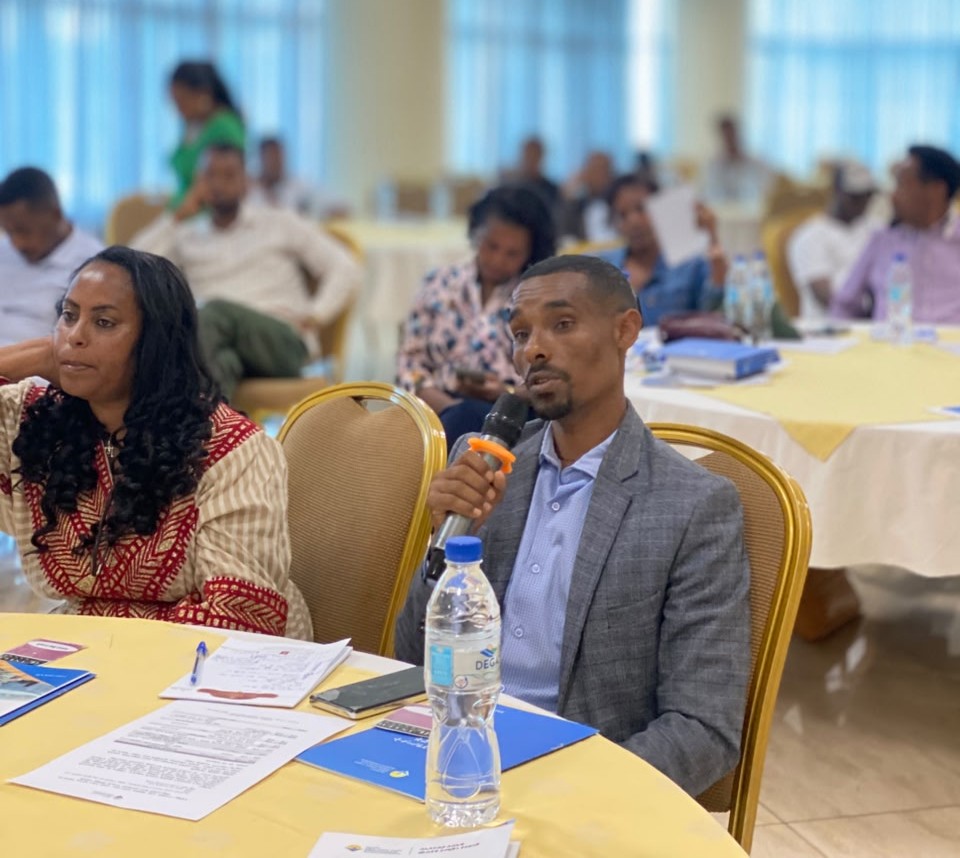
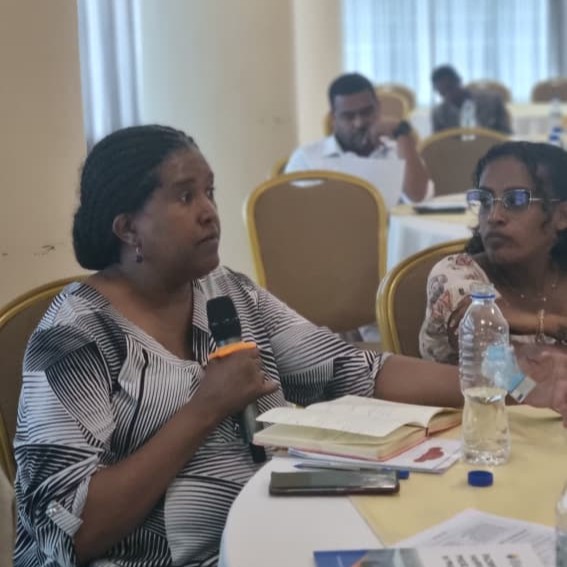
The most notable positive development identified by the monitoring was, the decentralization of psychiatric care. Unlike previous years, mental health services are no longer confined to a single specialized hospital but are now provided across various referral and teaching hospitals, enabling patients to access mental healthcare closer to their vicinity. The monitoring also positively noted that medical professionals in the facilities observed treat patients with a high degree of ethical conduct and care, and that mental health treatments and medications are covered under the community-based health insurance scheme in public healthcare institutions, with the exception of addiction therapy.
Critical areas of concern include: severe shortages of essential psychiatric medications in public health facilities; a lack of necessary therapeutic technologies, such as Electroconvulsive Therapy (ECT); a specific deficit in pediatric-formulated psychiatric dosages and medications nationwide; an exponential increase in the number patients seeking psychosocial support in conflict-affected regions, compounded by a limited number of qualified mental health professionals; and acute budgetary constraints across the healthcare institutions monitored.
During the conclusion, participants formulated action plans to implement the recommendations arising from EHRC’s monitoring.
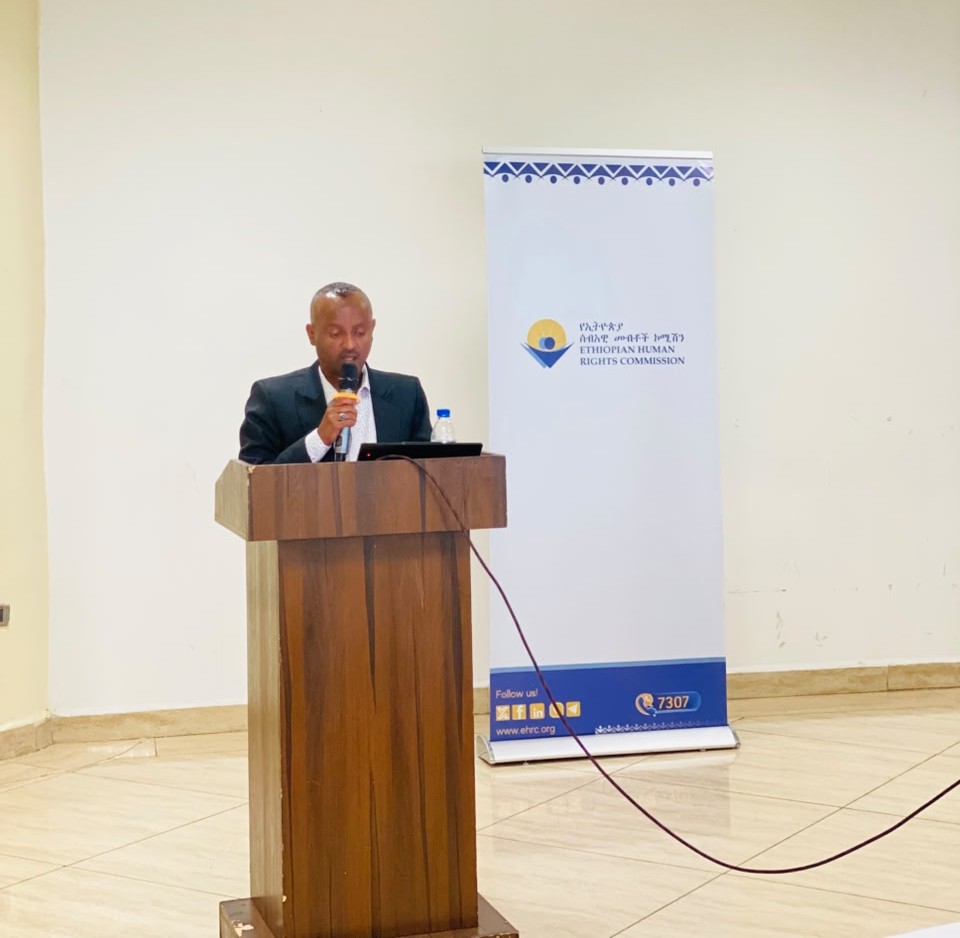
EHRC Commissioner for the Rights of Persons with Disabilities and Older Persons, Mohamed Ahmed, emphasized that mental health is a fundamental aspect of life, enabling individuals to fulfil their lives, pursue education, secure employment, and contribute meaningfully to their communities. He urged all responsible stakeholders to prioritize and work towards ensuring the accessibility, availability, and quality of mental healthcare services.