

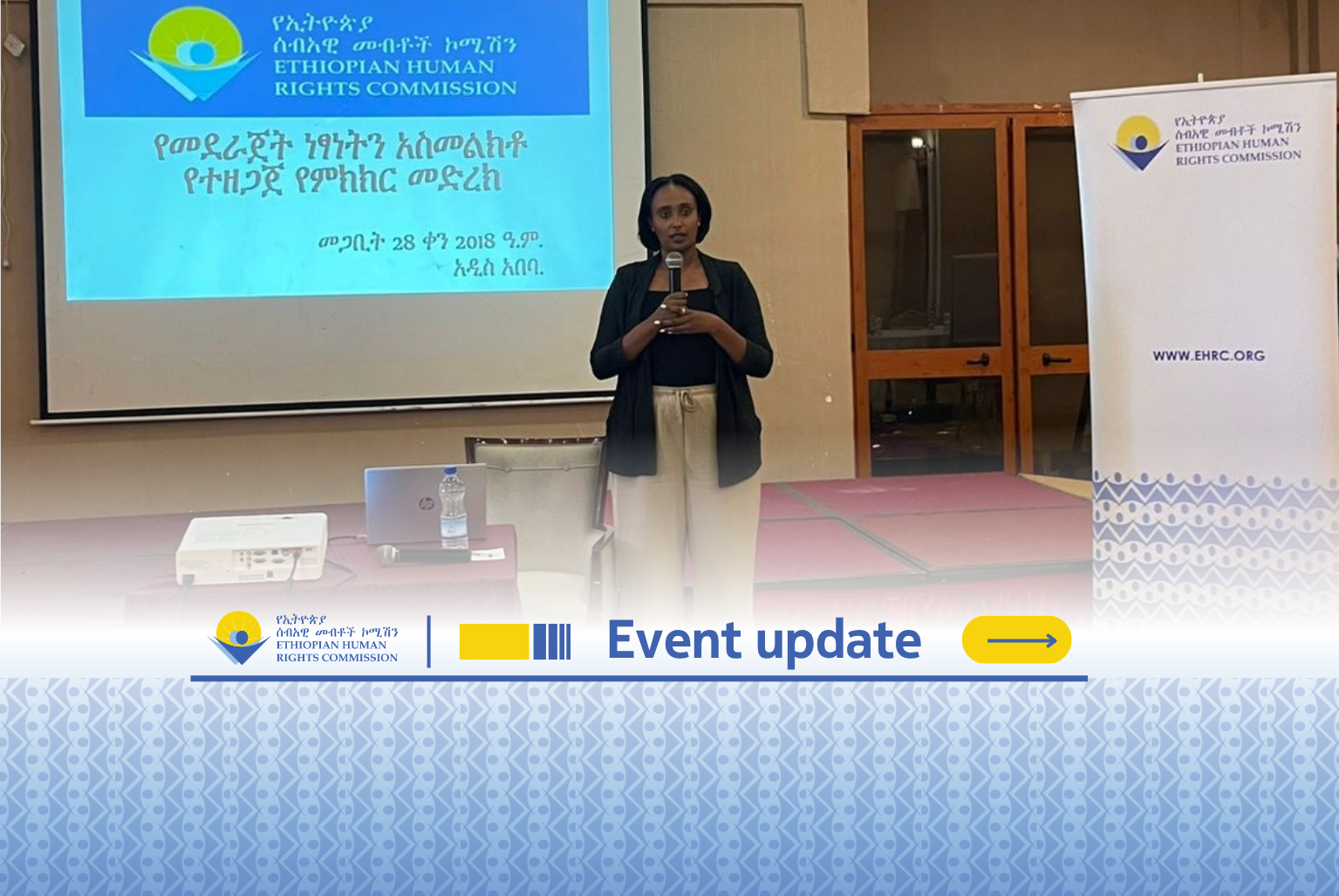
The Ethiopian Human Rights Commission (EHRC) held a stakeholder discussion on freedom of association on April 6, 2026, in Addis Ababa. Participants included representatives from civil society organizations (CSOs), regional justice bureaus, the Ethiopian Media Authority, the Confederation of Ethiopian Trade Unions (CETU), the Joint Council of Ethiopian Political Parties, and journalists.
During the discussion, international, regional, and national legal frameworks governing freedom of association, as well as findings from EHRC’s monitoring conducted in Addis Ababa, Amhara, Oromia, Sidama, Somali, and Tigray regions, were presented and discussed.
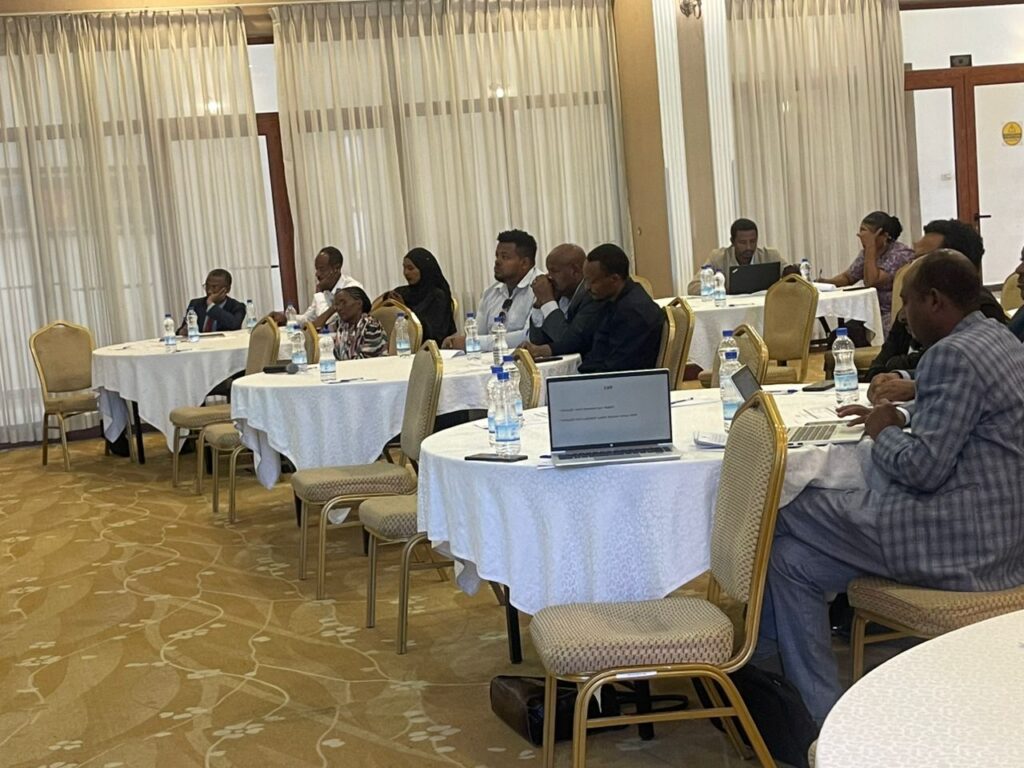
Among the key concerns raised during the discussion were the low level of workers’ awareness regarding their right to organize, which has hindered them from collectively advocating for their rights; various administrative pressures, including dismissals, faced by employees demanding their rights; and the negative impact that suspensions imposed on civil society organizations have had on the freedom of association and the broader civic space.
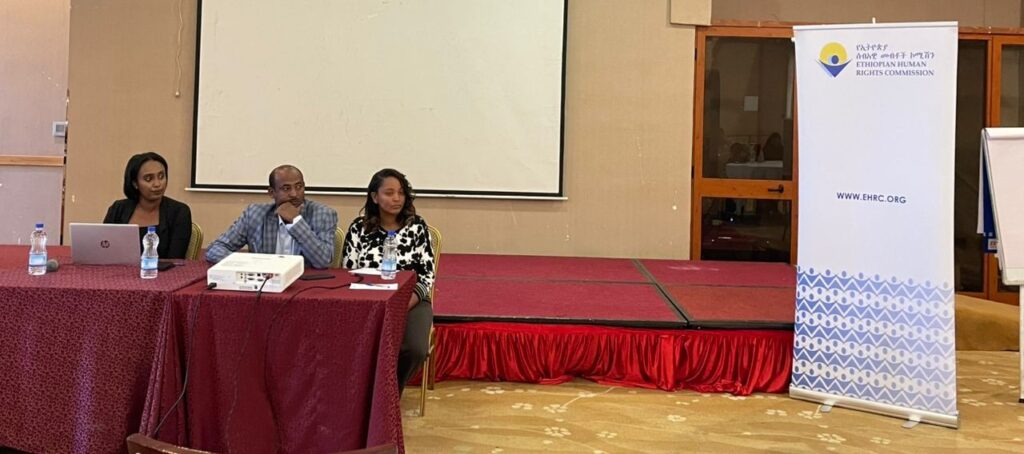
Participants emphasized that freedom of association is one of the fundamental rights protected under the Ethiopian Constitution. Noting that the law stipulates that everyone has the right to form associations for any lawful purpose, they stressed the importance of creating conducive legal and procedural frameworks for its effective implementation.
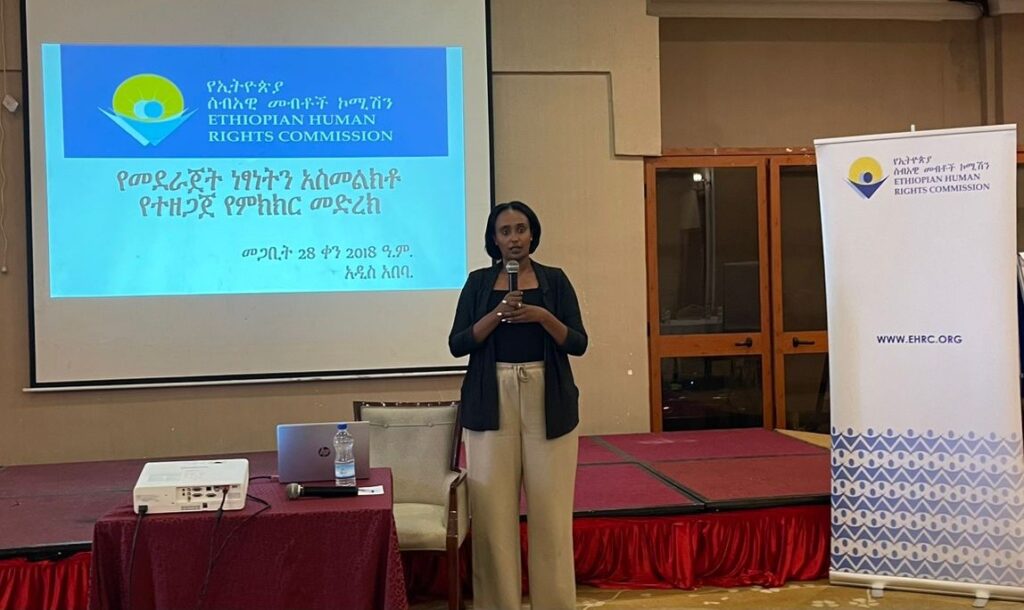
Mekdes Amenu, Director of Civil and Political Rights at the EHRC, stated that since freedom of association is the foundation of democratic participation, the government must create enabling conditions for political parties, candidates, voters and civil society organizations to organize and operate freely, particularly within the context of elections. She further explained that any limitations on the right to organize must be prescribed by law, necessary, and proportionate, in accordance with international human rights standards. To this end, she called for coordinated stakeholder efforts to ensure their effective implementation.