


The Ethiopian Human Rights Commission (EHRC) held two rounds of a high-level consultative workshop on the findings identified and recommendations forwarded in its human rights monitoring activities on 4 prisons, 19 police stations, and 4 informal detention centers found in the Gambella Region, on June 23 and 24, 2026, in Gambella City. The workshop was attended by the presidents of the Gambella Supreme and High Courts; leadership from the Regional Police Commission, the regional and zonal Prison Administrations, the Federal Police Crime Investigation Bureau (Gambella Office); zonal police department and station commanders; and senior officials from zonal justice and administrative authorities.
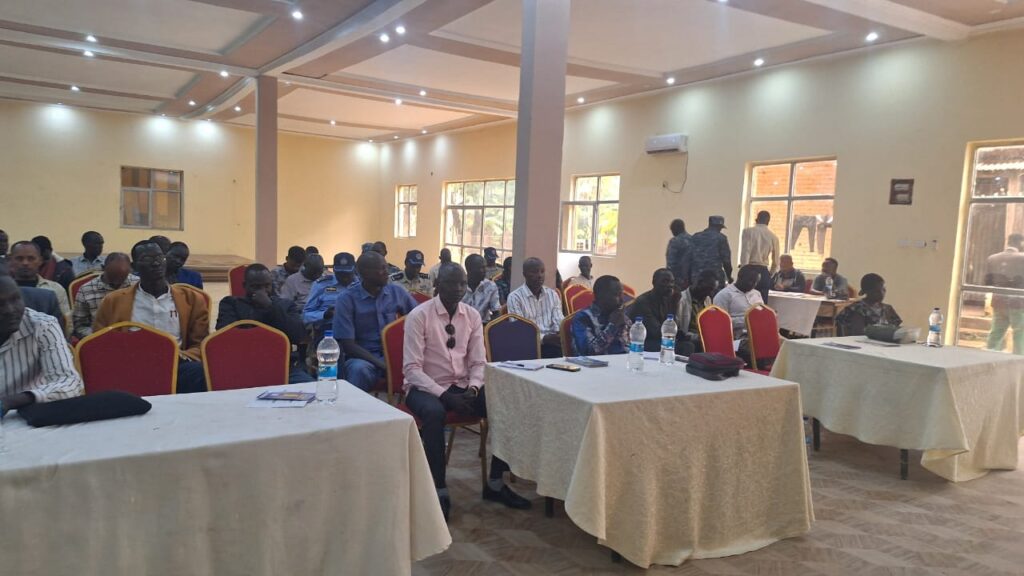
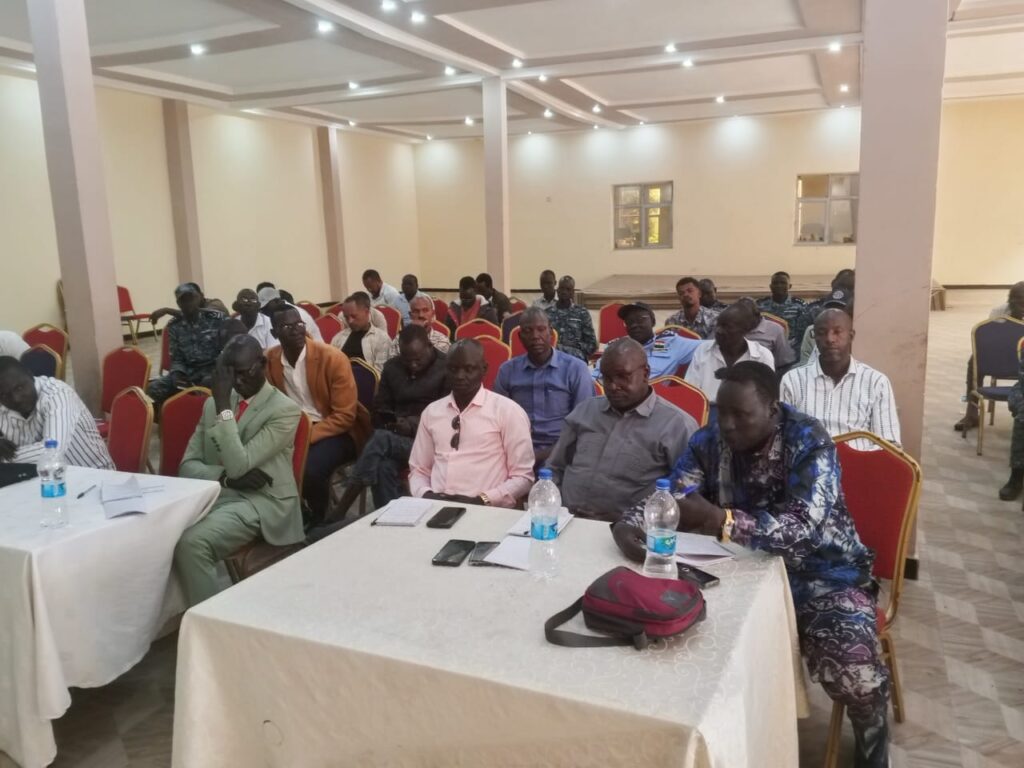
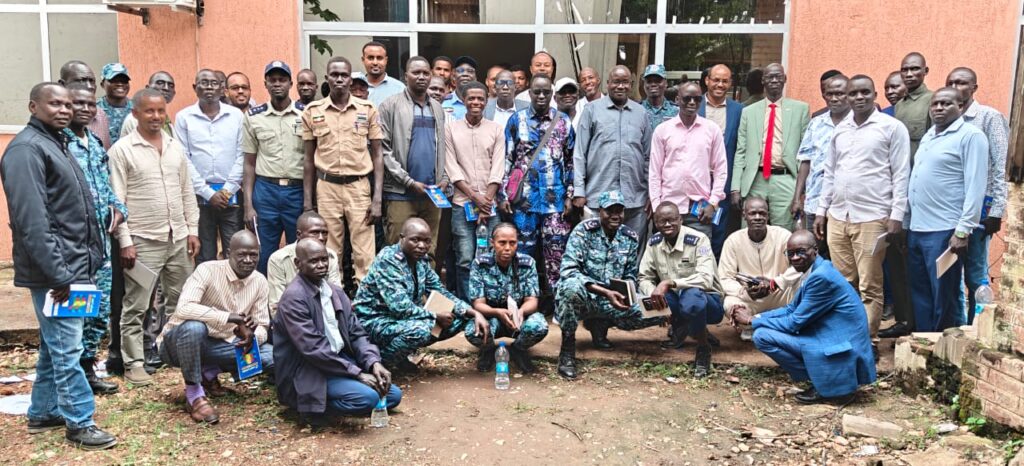
During the session, the findings identified through EHRC’s monitoring of prisons, police stations, and informal detention centers and the recommendations forwarded were presented and discussed.
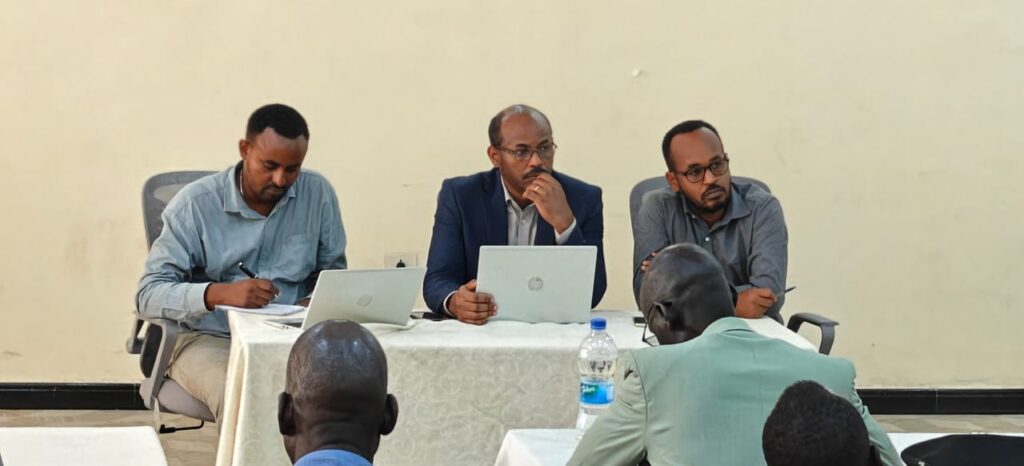
The discussion highlighted several positive developments, including full compliance with court orders by all police stations, the execution of arrests exclusively by legally mandated authorities, standard-compliant body searches in the majority of police stations, and targeted interventions undertaken in certain prisons to address bedding supply shortages. Additionally, the protection of the rights of arrested persons and inmates to be visited by family members, legal counsel, religious advisors, and other authorized entities and freedom of religion; the proper registration and secure safekeeping of personal belongings of arrested persons and prisoners that are restricted from entering prisons, were highlighted as commendable areas of positive developments.
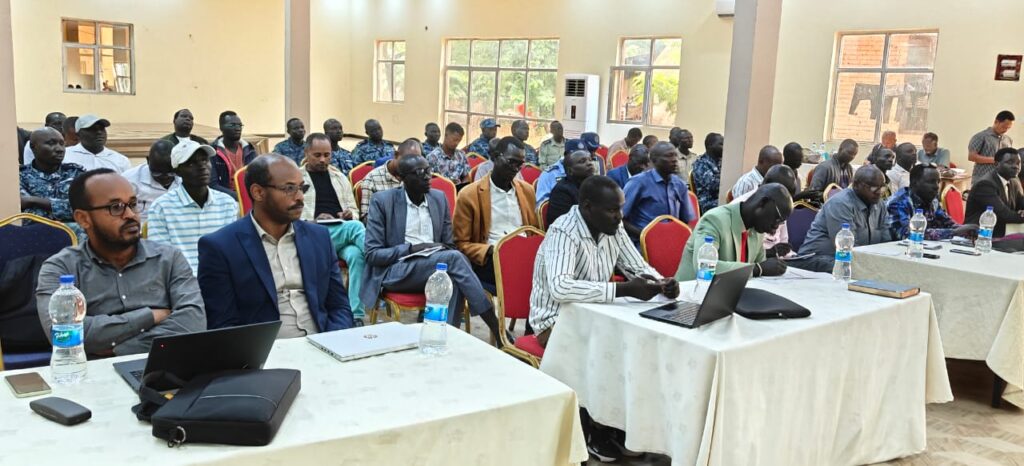
On the other hand, severe cell overcrowding across most prisons, poor hygiene conditions, and deficient bedding infrastructure, instances of physical assault against arrested persons and inmates in some police stations and prisons were noted to be among the serious human rights concerns. Moreover the lack of modern data management systems, an absence of tailored care and support measures for vulnerable groups; the lack of catering services in prisons, and inmates face significant difficulties in accessing cooking utensils, the daily inmate food allowance of ETB 75 is highly inadequate given the current high cost of living, delayed budgetary allocations, as well as severe shortages in medical care, essential pharmaceuticals, and free legal aid services are identified as concerning human rights.
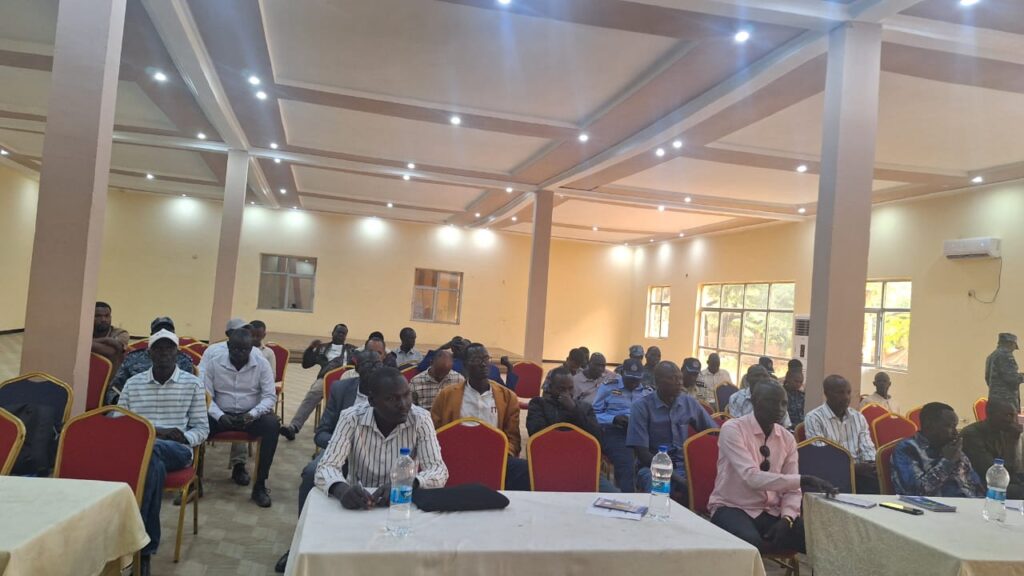
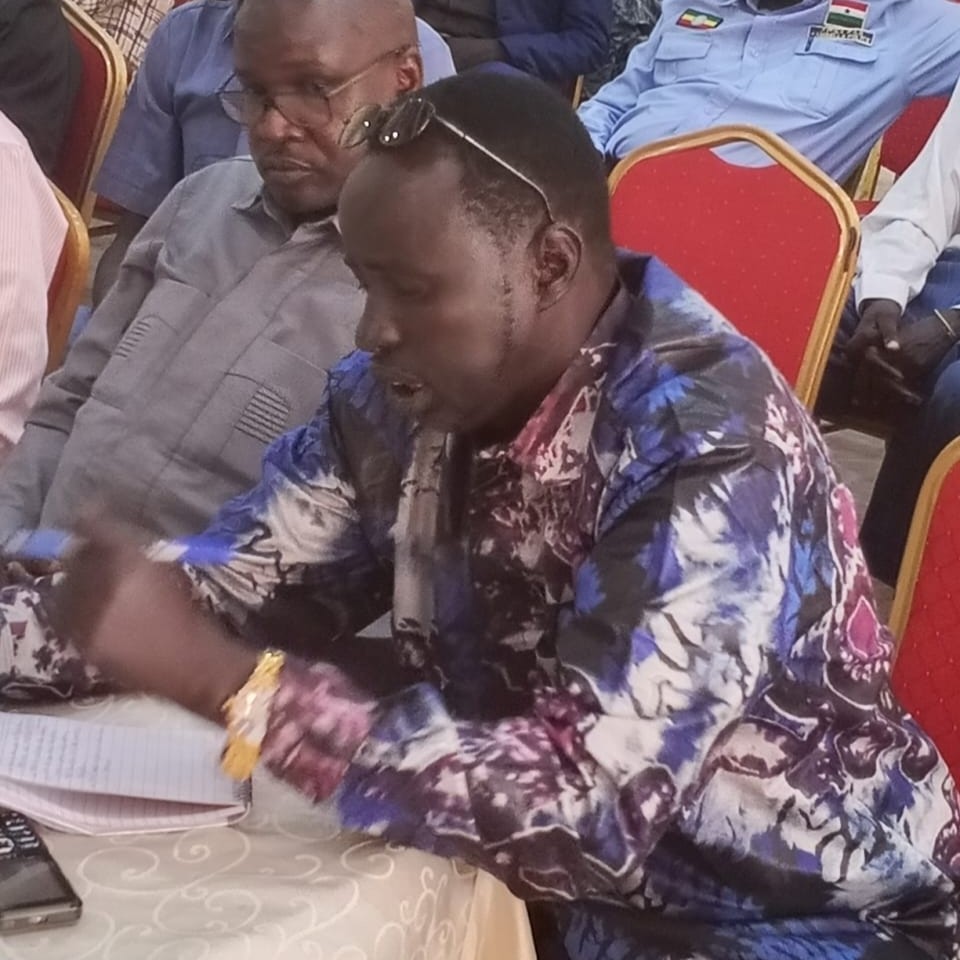
Furthermore, several issues demanding urgent attention were raised during the forum, including the arrest of individuals without a court order and failing to bring arrested persons to court within 48 hours, prolonged detention of persons in pre-trial detention without appearing before court, lack of institutional catering or nearby access to food, the absence of access to medical care, water, and proper sanitation infrastructure.
The participants acknowledged EHRC’s findings and recommendations and urged the Commission to further strengthen its ongoing monitoring and advocacy initiatives. They underscored that addressing the concerning human rights situations of arrested persons and prisoners identified by the monitoring requires due attention, a coordinated intervention of all stakeholders, and close collaboration with the regional executive organs.
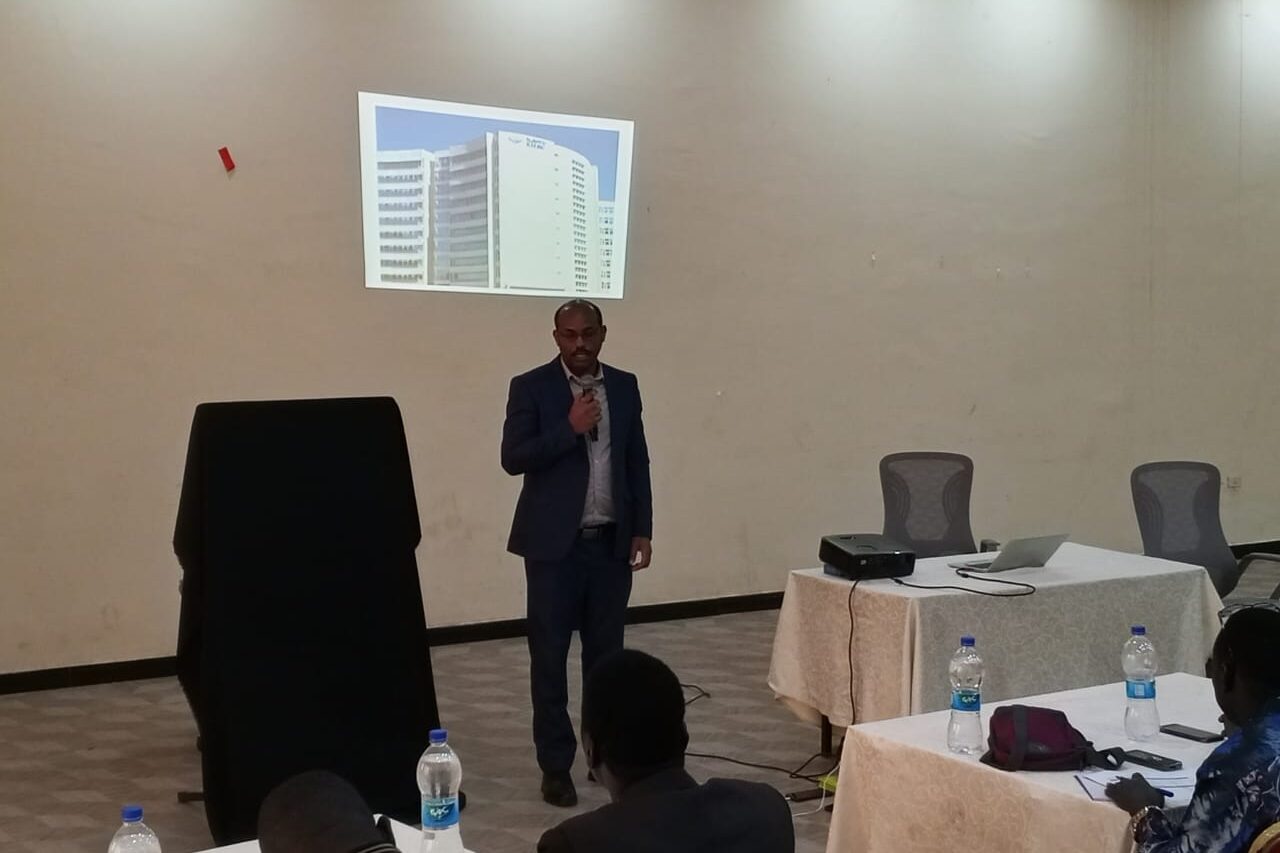
Yonas Mulugeta, EHRC’s Regional Director for Human Rights Monitoring and Investigation, emphasized the urgent need to prioritize improving the conditions and treatment of arrested persons and prisoners observed in the region. He reaffirmed that the EHRC will continue its advocacy and engagement with the region’s justice and executive organs to ensure that the critical concerns identified during the monitoring mission are effectively addressed.