

The Ethiopian Human Rights Commission (EHRC) in collaboration with the United Nations Office of the High Commissioner for Human Rights (OHCHR) and the Ministry of Justice of the Federal Democratic Republic of Ethiopia, organized a workshop from February 16 to 19, 2026 in Bishoftu, Ethiopia. The workshop aimed to strengthen the capacity of Civil Society Organizations (CSOs) and National Mechanisms to follow-up and report on the International Convention on the Elimination of All Forms of Racial Discrimination (ICERD).
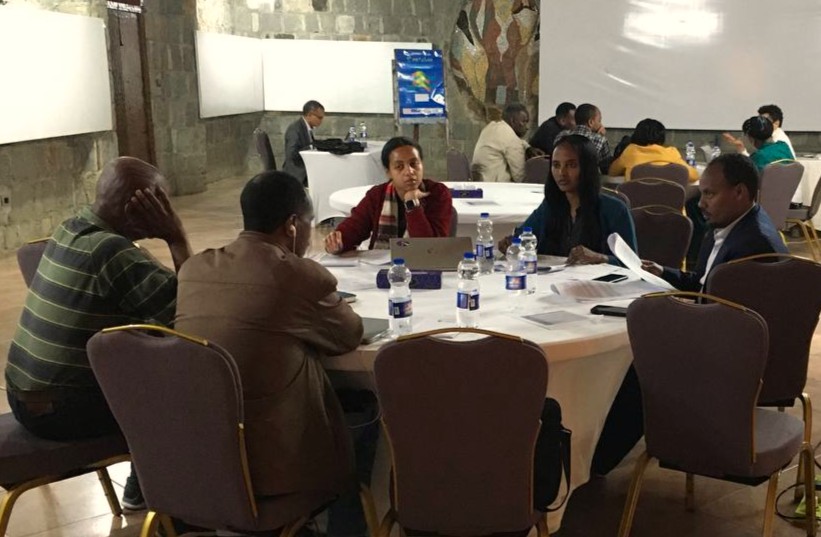
The overall objective of the workshop was to improve the monitoring of treaty body recommendations addressed to Ethiopia and to facilitate reporting on overdue reports with the active participation of civil society. The workshop brought together various CSOs and members of the National Mechanism for Reporting and Follow-up (NMRF) Inter-Ministerial Committee, including representatives from the Federal Police Commission, the Refugees and Returnees Service and the Ministries of Justice, Foreign Affairs, Women and Social Affairs, Education and Planning and Development.
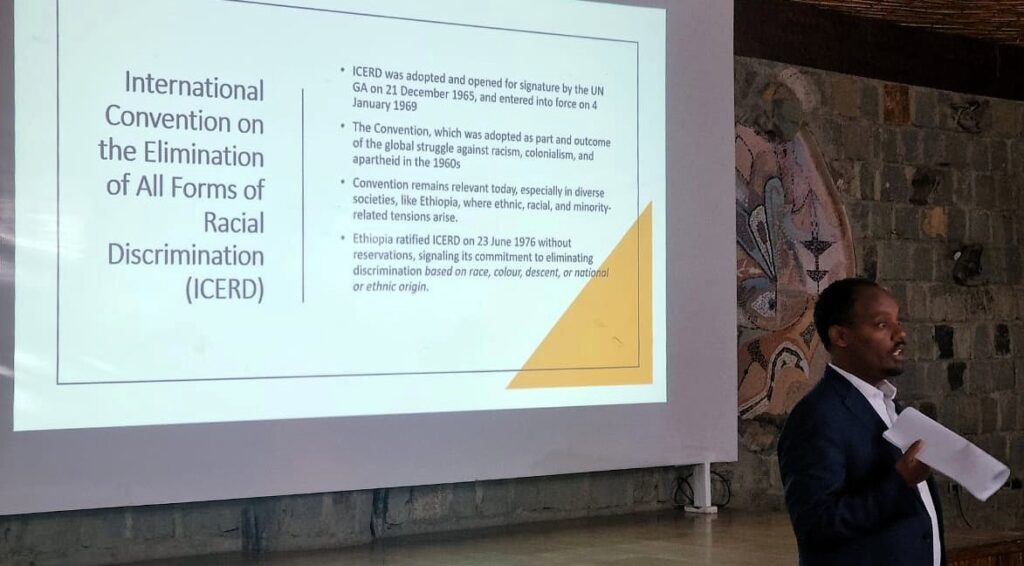
The sessions for CSOs featured interactive presentations and discussions on States reporting obligations and Ethiopia’s current reporting status and overview of the 2009 Concluding Observations adopted by the Committee on the Elimination of Racial Discrimination (CERD) following Ethiopia’s 2008 report. Participants also discussed the role of CSOs in reporting and follow-up and received an update from the Ministry of Justice on the preparation of the draft ICERD report. Throughout the workshop, the critical role of CSOs in the reporting cycle was underscored including submission of alternative reports, participation in state-led consultations, and the provision of informal briefings and updated information to CERD.
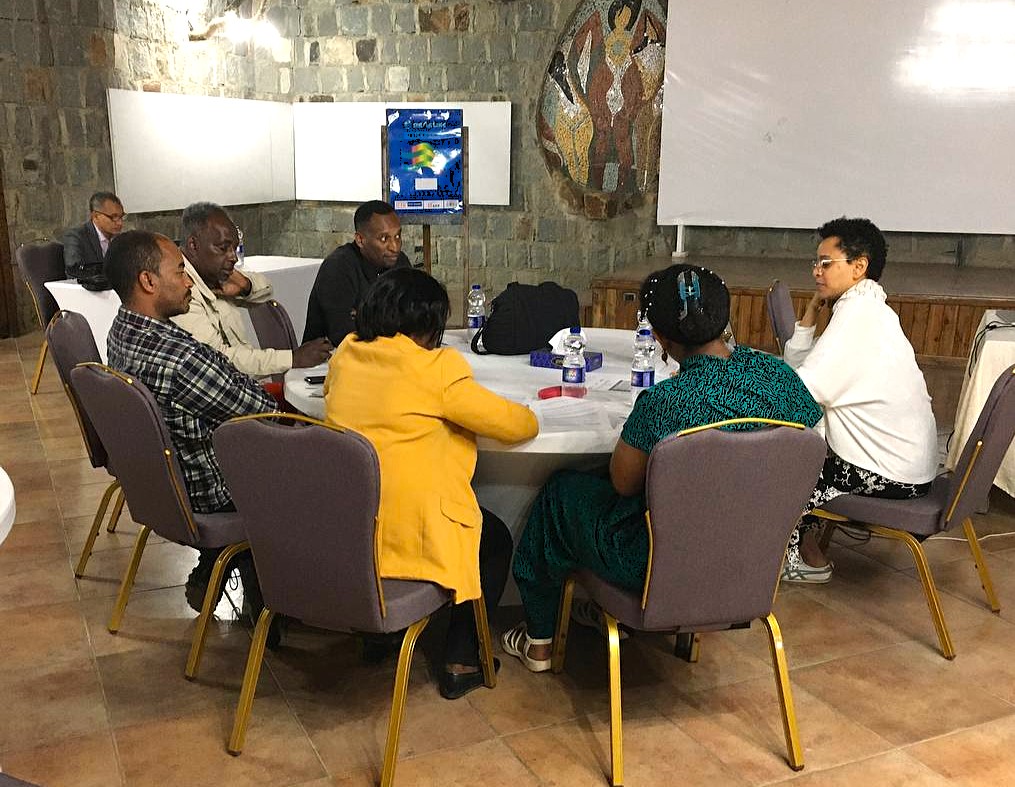
The CSOs took part in breakout group discussions, CSOs focusing on specific provisions of ICERD and the 2009 CERD Concluding Observations, during which they identified key positive developments and areas of concern on the status of implementation of ICERD in Ethiopia.
The workshop enhanced CSOs’ understanding of the different stages of engagement in the reporting cycle, including their roles prior to State reporting, during the CERD review process, and following the adoption of Concluding Observations, as well as their role in contributing alternative (parallel) reports and in follow-up, including monitoring implementation, advocating for reforms, and raising awareness.
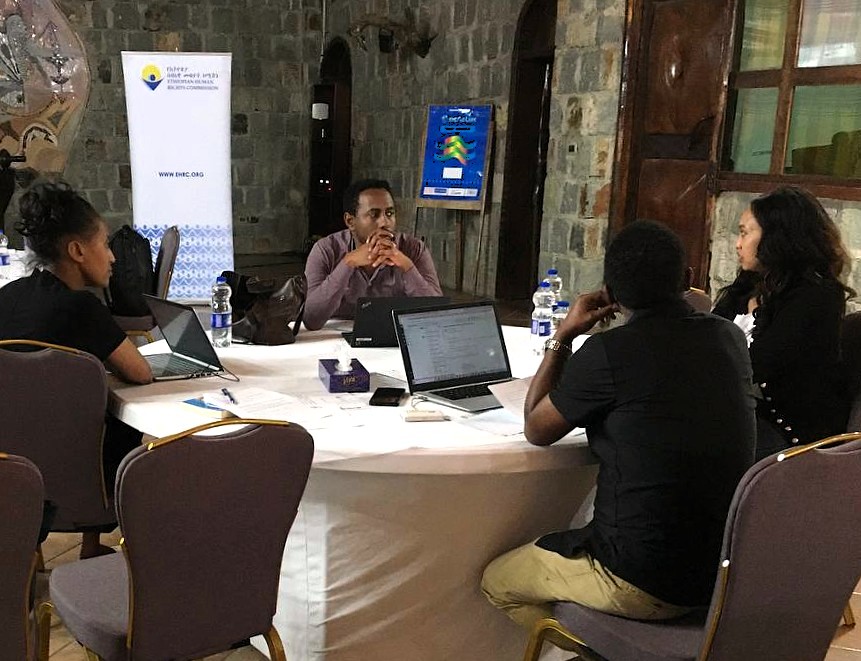
During the workshop, the NMRF’s Inter-Ministerial Committee held discussions on the challenges and progress on data collection, following the November 2025 workshop, in view of the 17-years gap since Ethiopia’s last report on ICERD in 2008. In line with the Committee’s roadmap, setting out the steps required and timeline to prepare a full draft of the ICERD report, during the workshop, the Committee finalized compiling the data it received from various stakeholders and developed a ‘zero draft for further discussion and consultations with stakeholders.