

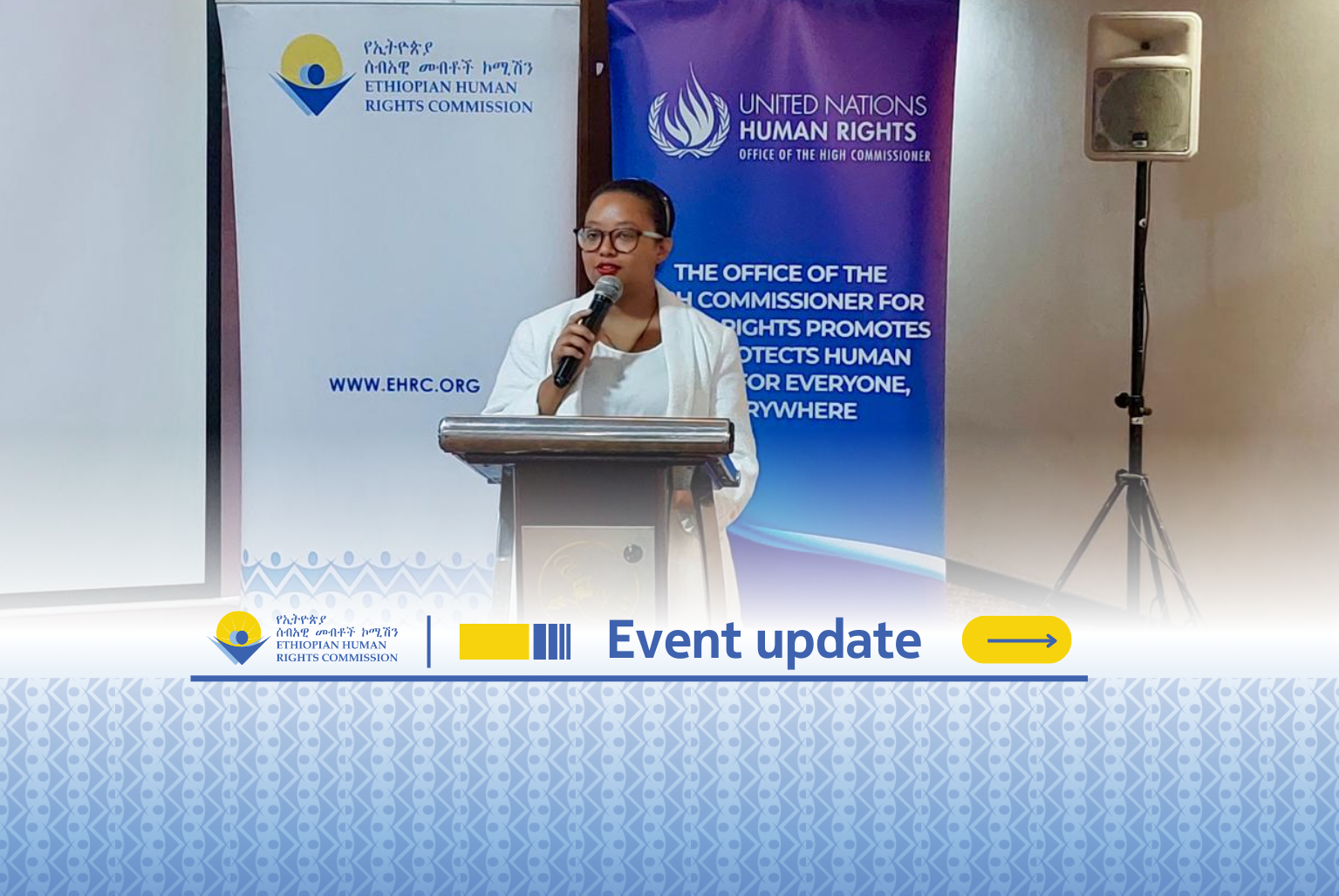
The Ethiopian Human Rights Commission (EHRC), in collaboration with the United Nations Office of the High Commissioner for Human Rights – East Africa Regional Office (OHCHR-EARO), held a three-day consultative workshop on transitional justice (TJ) from January 27 to 29, 2026 in Addis Ababa. The workshop brought together representatives of victims’ associations from the Afar, Amhara, Benishangul-Gumuz, Gambella, Harari, Somali, South Ethiopia, Southwest Ethiopia, and Tigray regions, as well as the Dire Dawa City Administration.
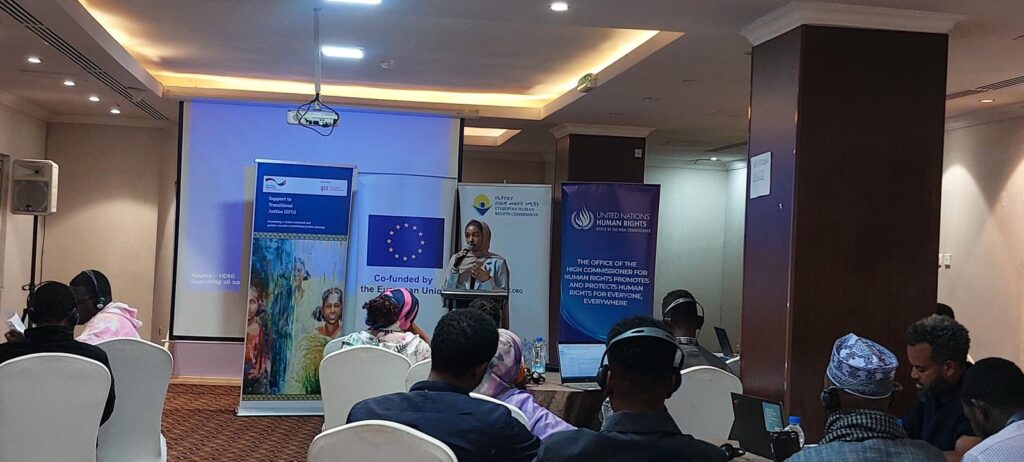
The workshop aimed to enhance the technical and advocacy capacity of victims’ associations to engage more effectively in the TJ process. The workshop built on a series of engagements conducted by EHRC and OHCHR-EARO since 2023 to support victims’ meaningful participation in Ethiopia’s TJ process. Previous peer-to-peer learning sessions, as well as ongoing outreach and sensitisation initiatives, have been instrumental in strengthening victim associations, fostering solidarity and supporting the formation of new associations in several regions.
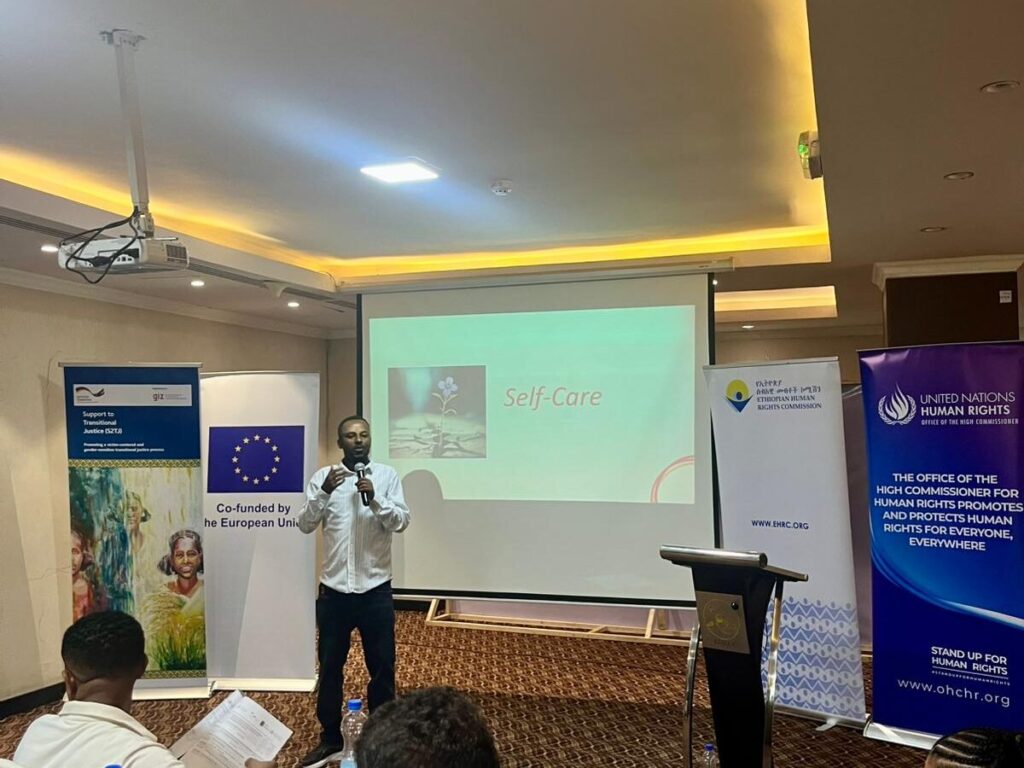
Centre for Victims of Torture (CVT) experts led sessions on the impact of human rights work on wellbeing, self-care practices, and trauma-informed care, acknowledging the emotional and psychological burden of advocacy on survivors and victims. The workshop also included training on the fundamental concepts of security risk management, threat analysis, and incident response, with a focus on the unique risks faced by victims and survivors advocating for their rights. In addition, the program featured experience-sharing session on network building and management by a representative of Ethiopian civil societies network.
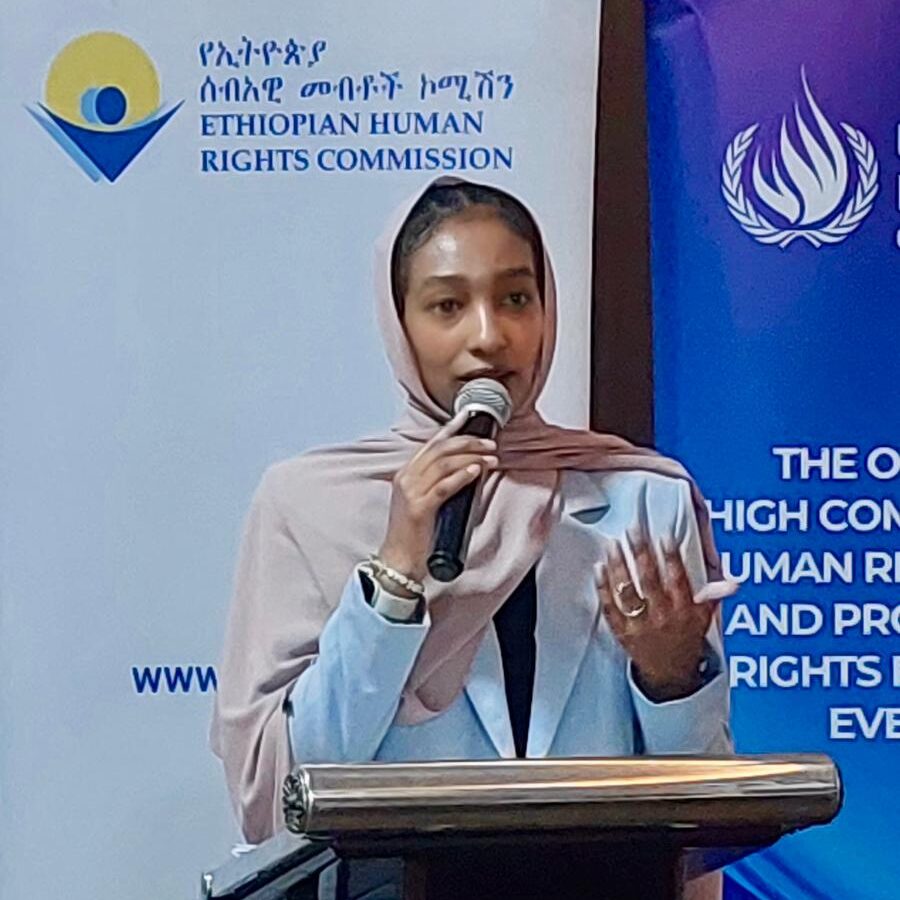
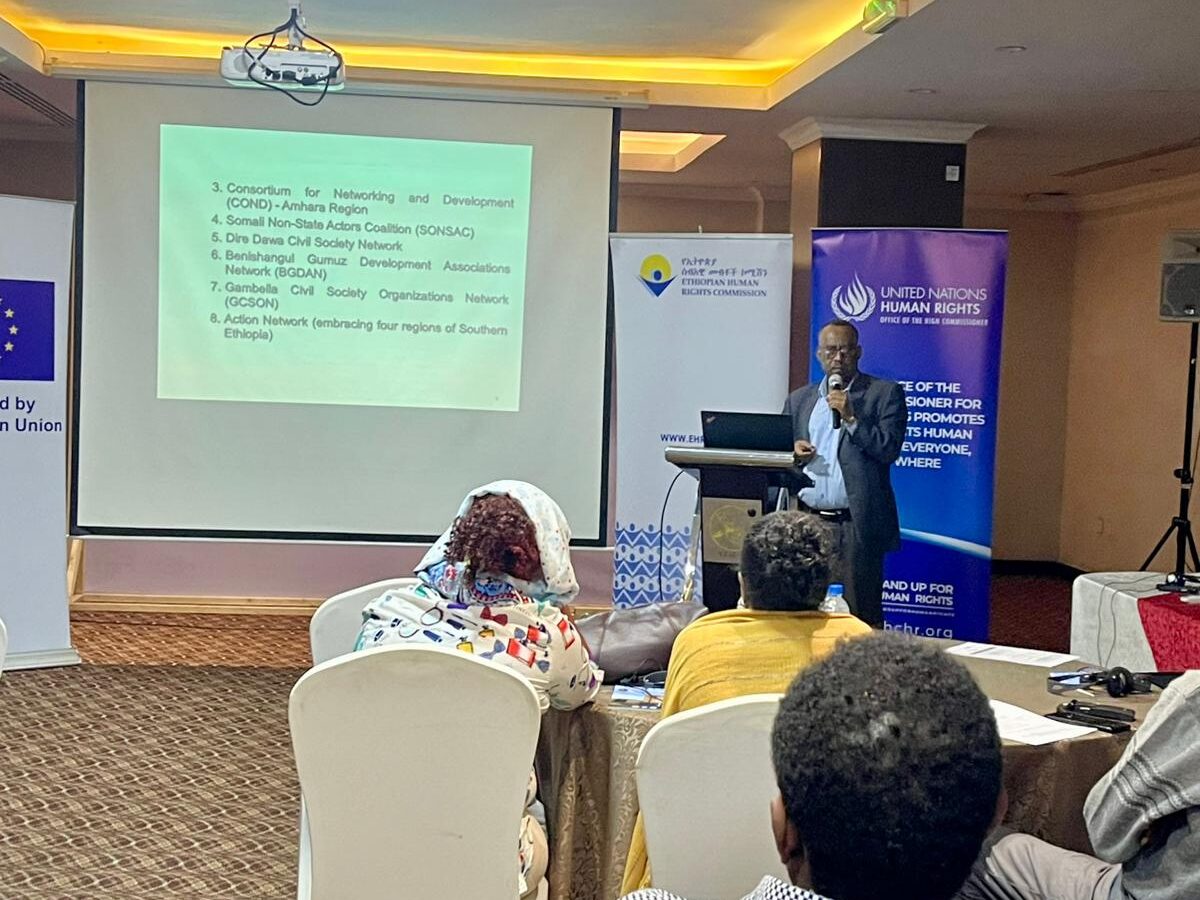
During discussion, participants repeatedly emphasised the need for further technical support, particularly in mental health and psychosocial support (MHPSS), safety and coordination mechanisms. They also shared strategies to enhance collaboration and foster closer working relationships among victims’ associations. The discussions highlighted common priorities and a growing commitment to improved coordination and joint engagement, with the aim of amplifying victims’ voices and addressing their needs and supporting more inclusive and effective participation in the TJ process.
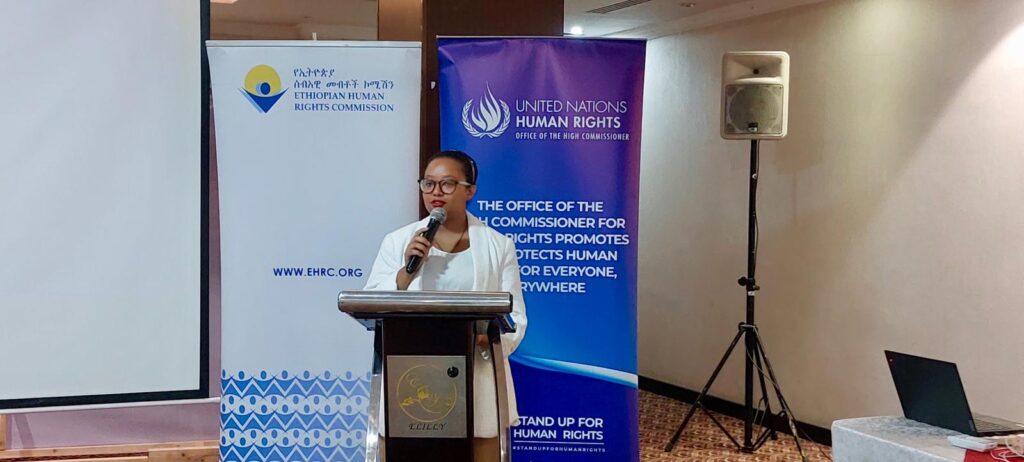
Kalkidan Dereje, EHRC Chief of Staff, highlighted EHRC’s ongoing support for victims’ associations in strengthening their technical, psychosocial, and advocacy capacities. She emphasised that through collaboration, knowledge sharing, and coordinated initiatives, these associations are increasingly able to amplify victims’ voices, address their needs, and engage meaningfully in the TJ process. She further noted that such efforts not only enhance accountability and fair justice but also foster broader social transformation. Kalkidan reaffirmed EHRC’s commitment to ensuring victims’ voices and demands remain central throughout the TJ process.