

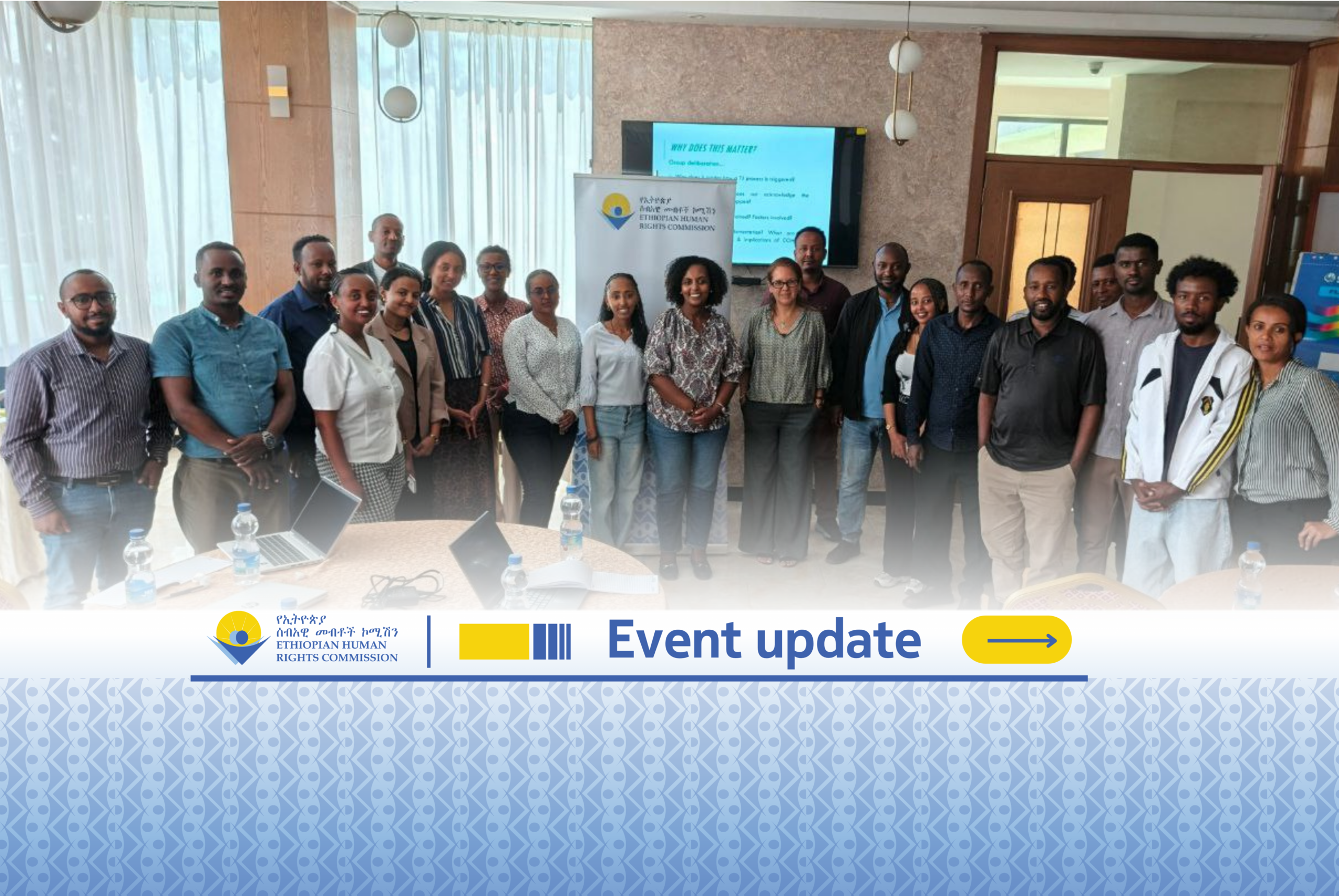
The Ethiopian Human Rights Commission (EHRC) held a two-day Training of Trainers (ToT) on transitional justice (TJ) for staff within its Human Rights Education Department (HRED) on March 17 and 18, 2026, in Bishoftu. The training was specifically designed to strengthen the Commission’s internal expertise. This capacity building initiative ensures that HRED staff are equipped with the advanced expertise required to train various target groups and stakeholders.
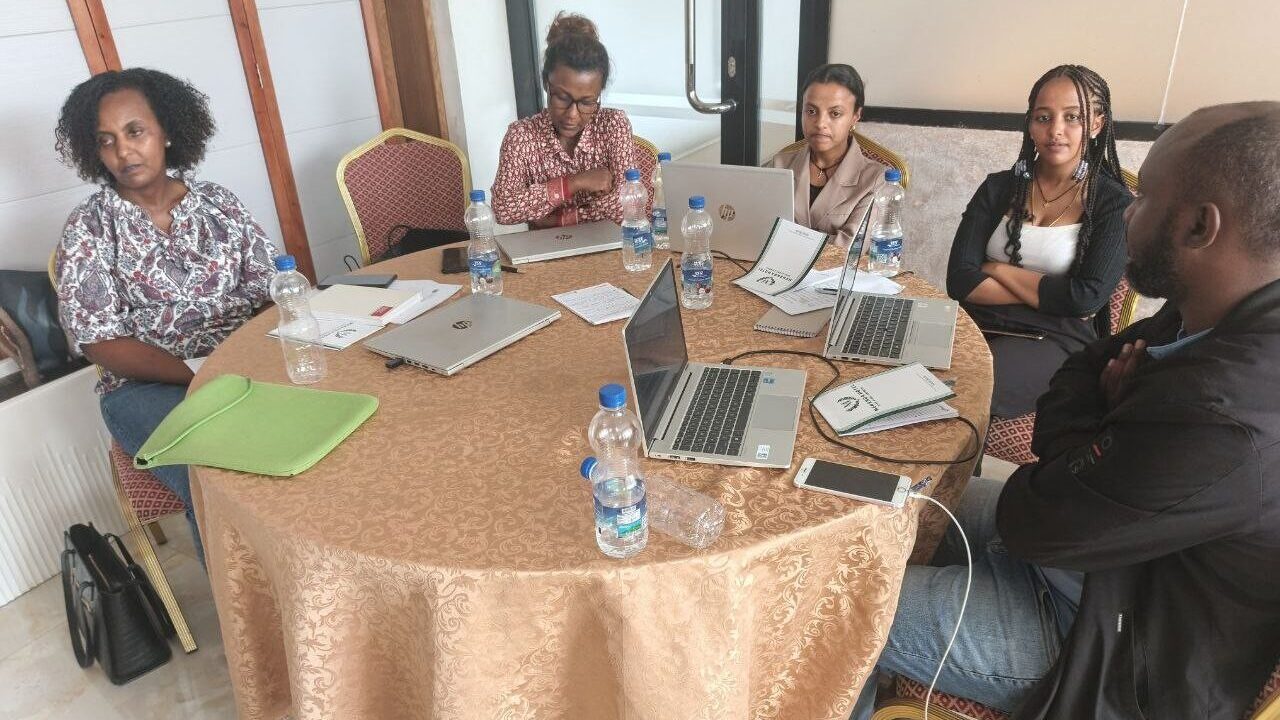
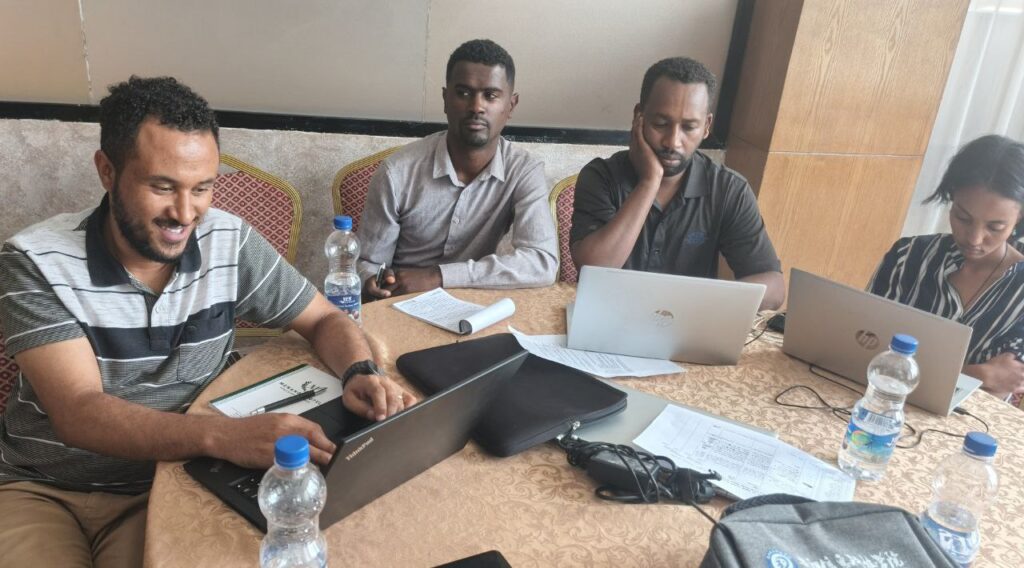
The ToT was designed to bridge the gap between foundational theory and advanced practical application. While the HRED team already possesses strong foundational knowledge, the ToT focused on the complexities of TJ implementation within local contexts. Key learning topics included TJ processes by analyzing how contextual factors and peace agreements inform the start of a process and examining TJ models to understand the practical tensions between truth, amnesty, and criminal justice. Additionally, the training addressed the integration of traditional justice mechanisms and the specific role of national human rights institutions in monitoring compliance and documenting violations.
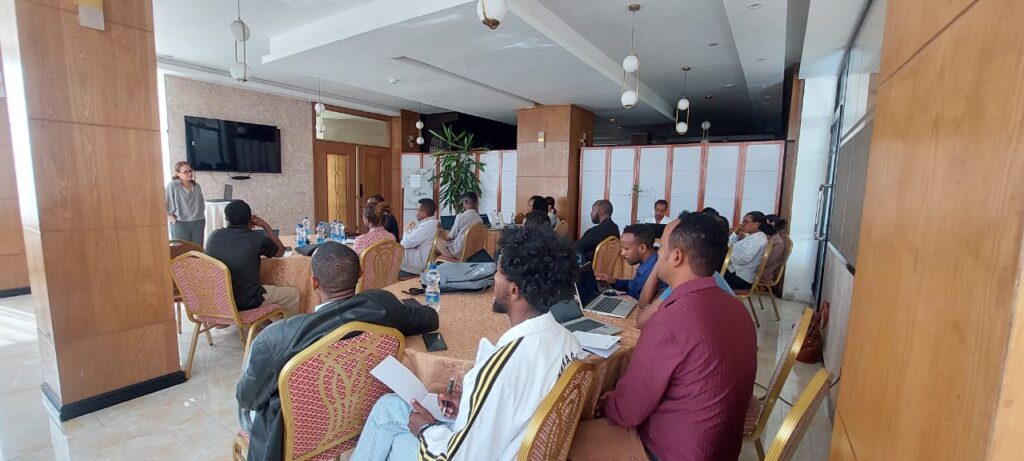
A dedicated session focused on the EHRC’s strategic intervention areas, highlighting the Commission’s ongoing work in providing recommendations to the government, supporting the preparation of victim’s and vulnerable communities’ participation strategy, and monitoring national processes. The department also reviewed future activities, including the development of a victims’ database, research on interim reparations, and the creation of specialized toolkits to mainstream TJ into thematic areas like IDPs, women, and persons with disabilities.
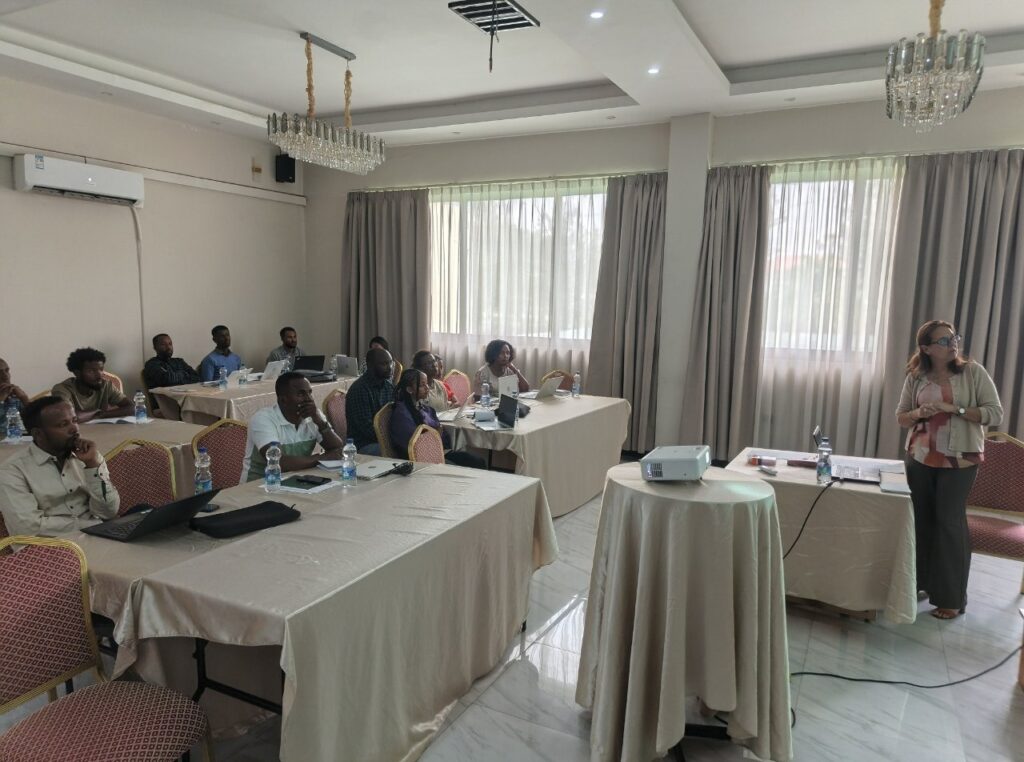
This two-day ToT adopted a highly interactive and participatory methodology, featuring expert-led sessions and collaborative experience sharing. The training integrated group discussions on practical exercises designed to apply complex theories to context-relevant hypotheticals. Furthermore, participants engaged with comparative international examples from contexts like Uganda, Gambia, and South Africa to gain a comprehensive understanding of global TJ processes.
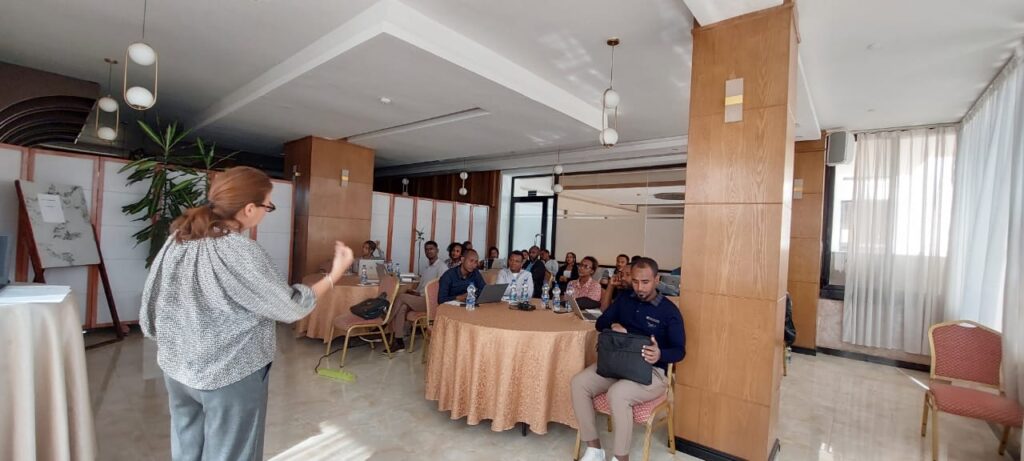
Participants also explored inclusive approaches by integrating gender-sensitive strategies and victim-led participation into the TJ framework, alongside the challenges on implementations of TJ and the roles of state and non-state stakeholders.
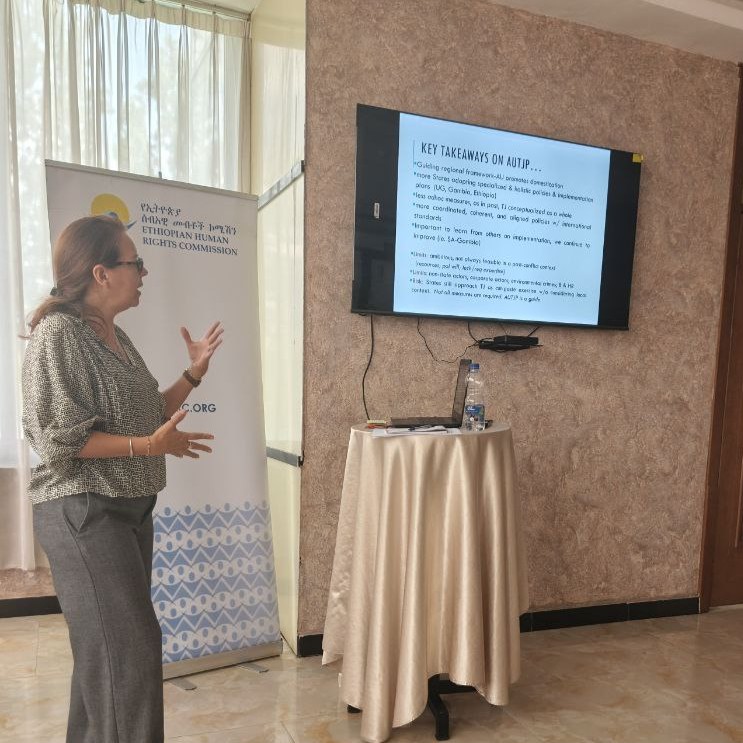
By the end of the session, trainers were equipped to confidently relate these complex themes to the training they deliver to various target groups. This initiative helps to build staff capacity on international and regional standards regarding TJ and enhances EHRC’s overall role in its process.