


The Ethiopian Human Rights Commission (EHRC) participated in the ‘’Evidence to Impact Symposium: Shaping Adolescent-Centred Policies and Programs in Eastern and Southern Africa’’, held in Nairobi, Kenya, from 9 to 11 June, 2026. The symposium brought together policymakers, researchers, civil society organizations, government agencies, youth groups, and development partners to discuss bridging the gap between evidence, policy, and program implementation with the aim of improving the well-being of adolescents, particularly girls, across Eastern and Southern Africa.
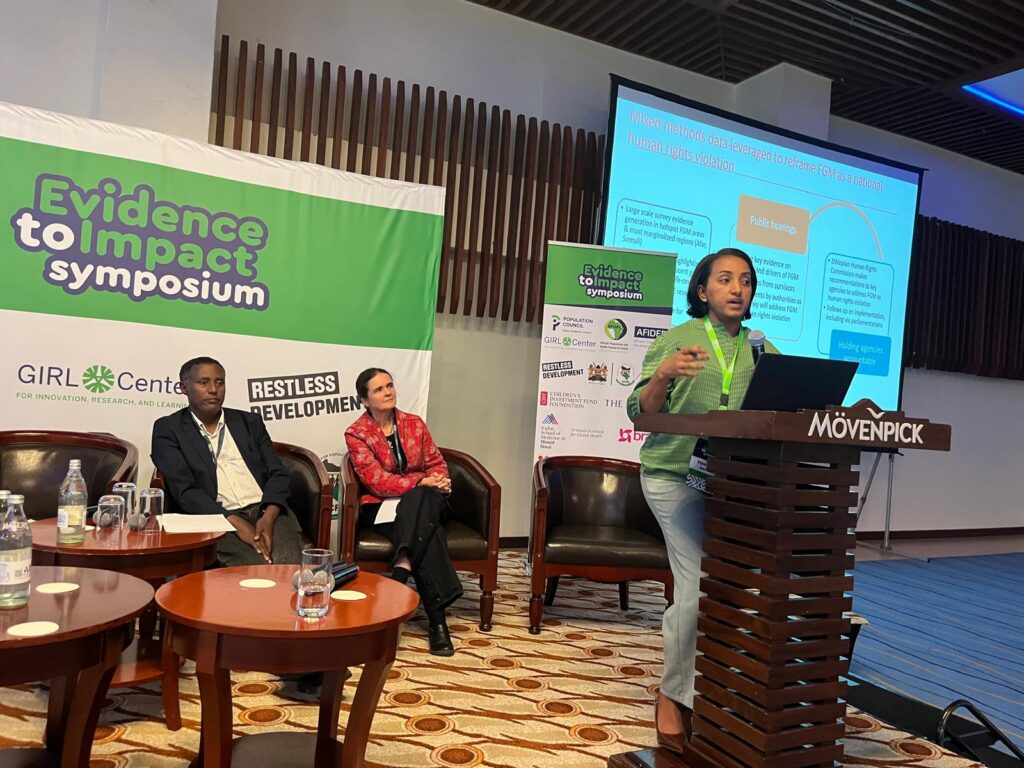
The symposium featured a presentation by Gender and Adolescence Global Evidence (GAGE) on its longitudinal research examining the impact of conflict and inequalities in Ethiopia on adolescents’ health and well-being. A further session on complementary adolescent data explored the value of longitudinal data for understanding adolescent experiences and informing effective interventions, including data on very young adolescents, child marriage, female genital mutilation (FGM), and young people’s civic and political participation.
The EHRC joined a panel discussion on the role of national human rights institutions in responding to human rights violations affecting young people during and after conflict. The discussions emphasized the urgent need for policies and programs that are evidence-based, accessible, and grounded in the lived realities of young peoples. EHRC shared findings from its monitoring and investigation work in conflict-affected areas, particularly in the Amhara and Tigray regions and highlighted priorities for protecting adolescents during conflict and recovery. Furthermore, the Commission shared its experience in conducting public hearings to strengthen accountability and human rights protection. It also demonstrated how GAGE research informed its work on FGM, contributing to the identification of systemic challenges and advocating for policy reforms.
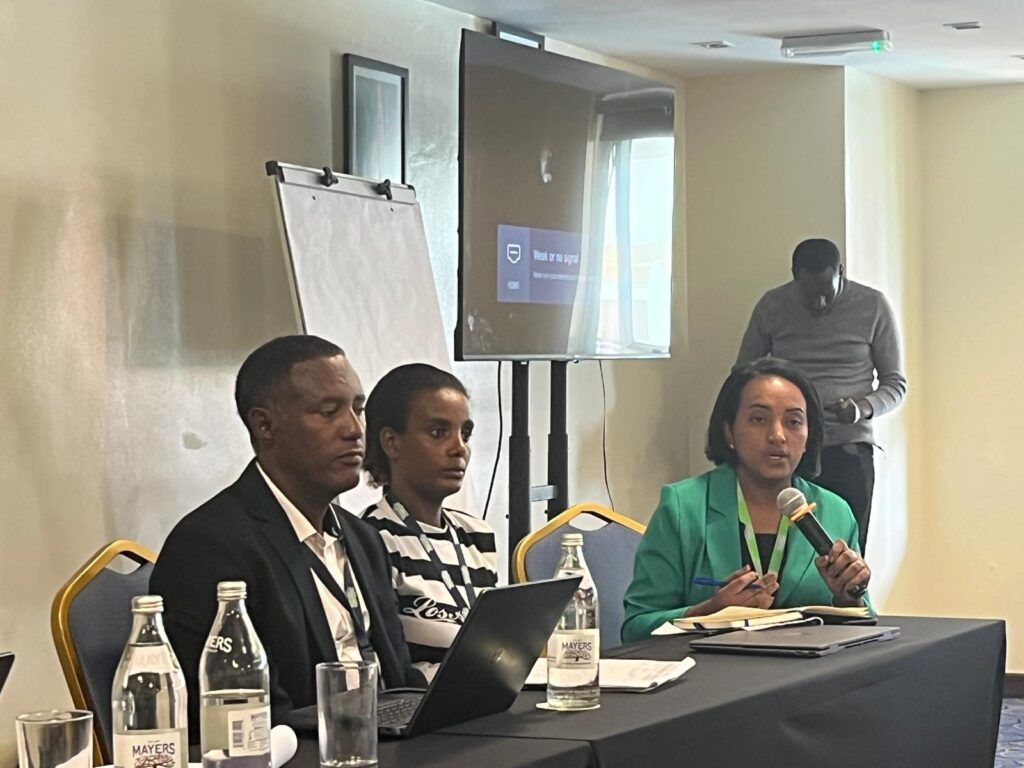
The symposium provided an important platform for EHRC to exchange experiences with researchers, policymakers, civil society actors, and youth representatives from across the region and beyond. A key lesson was the importance of moving beyond evidence generation towards evidence-informed action. The discussions reinforced the value of integrating research findings into advocacy, monitoring, investigations, public hearings, and recommendations, ensuring that evidence leads to tangible improvements in adolescents’ lives.
The symposium also underscored the importance of strengthening collaboration among research institutions, human rights bodies, governments, and communities to ensure that adolescent-centred policies and programmes are responsive, inclusive, and evidence-based. The lessons learned will support EHRC’s efforts to promote and protect the rights of children and young people, particularly in conflict-affected and vulnerable settings.