


The Ethiopian Human Rights Commission (EHRC) in collaboration with the Ethiopian National Association of the Blind and the United Nations Office of the High Commissioner for Human Rights (UNOHCHR), held an advocacy forum on facilitating conditions for the ratification of the Protocol to the African Charter on Human and Peoples’ Rights on the Rights of Persons with Disabilities in Africa (the African Disability Protocol) on June 22, 2026, in Addis Ababa. The forum brought together government officials and experts from the House of Peoples’ Representatives of the FDRE, the Ministry of Justice, the Federal Law and Justice Institute, Addis Ababa University, organizations of persons with disabilities, and other relevant stakeholders.
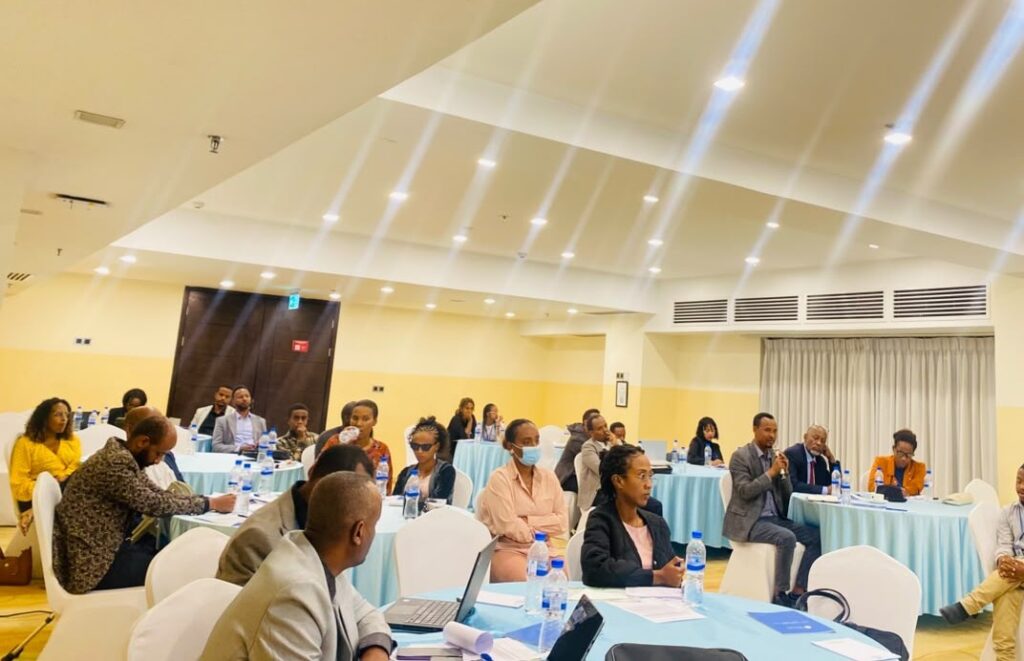
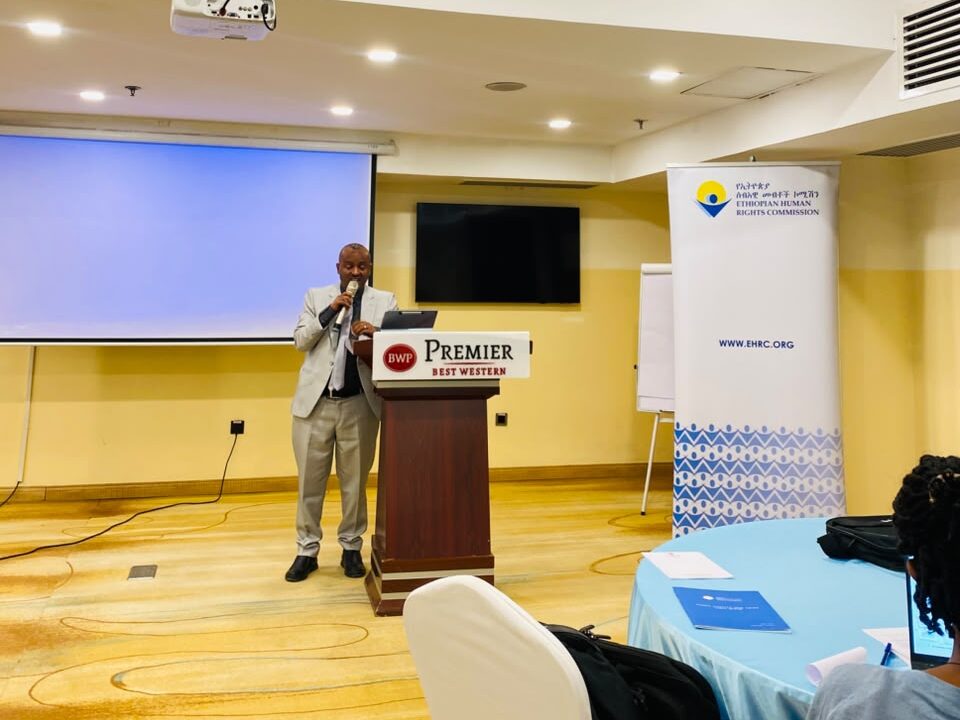
The forum featured a discussion on the content, objectives, and contribution of the African Disability Protocol to the protection of the rights of persons with disabilities, followed by a detailed presentation on the complementarity and distinctions between the Protocol and the United Nations Convention on the Rights of Persons with Disabilities (CRPD), as well as the protections afforded to persons with disabilities within the Ethiopian context. Notable among the unique and progressive elements of the Protocol are its recognition of the distinct vulnerabilities of women, youth, children, and older persons with disabilities; the comprehensive protection framework it establishes to combat harmful practices such as discrimination, abuse, and social exclusion; and its acknowledgment of the role of customary courts in access justice. The Protocol also explicitly recognizes sign language as a vital means of communication for Deaf and hard-of-hearing people and acknowledges the shared beliefs and values of the Deaf culture. Furthermore, it was highlighted that the Protocol addresses the heightened vulnerability of persons with disabilities to poverty and economic hardships, and the critical importance of community-based care and support services.
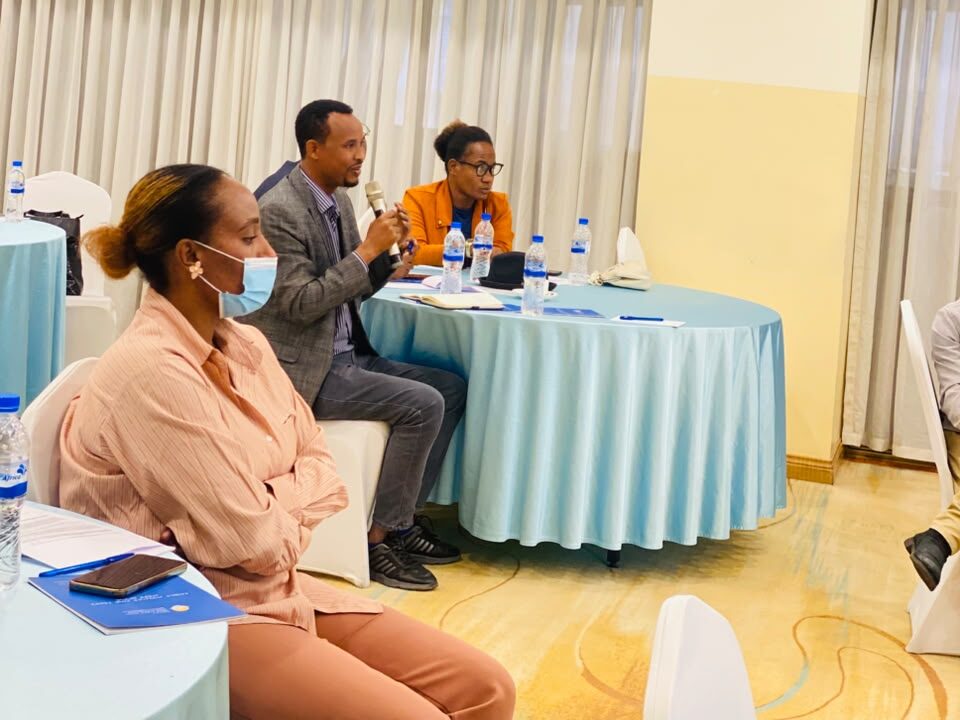
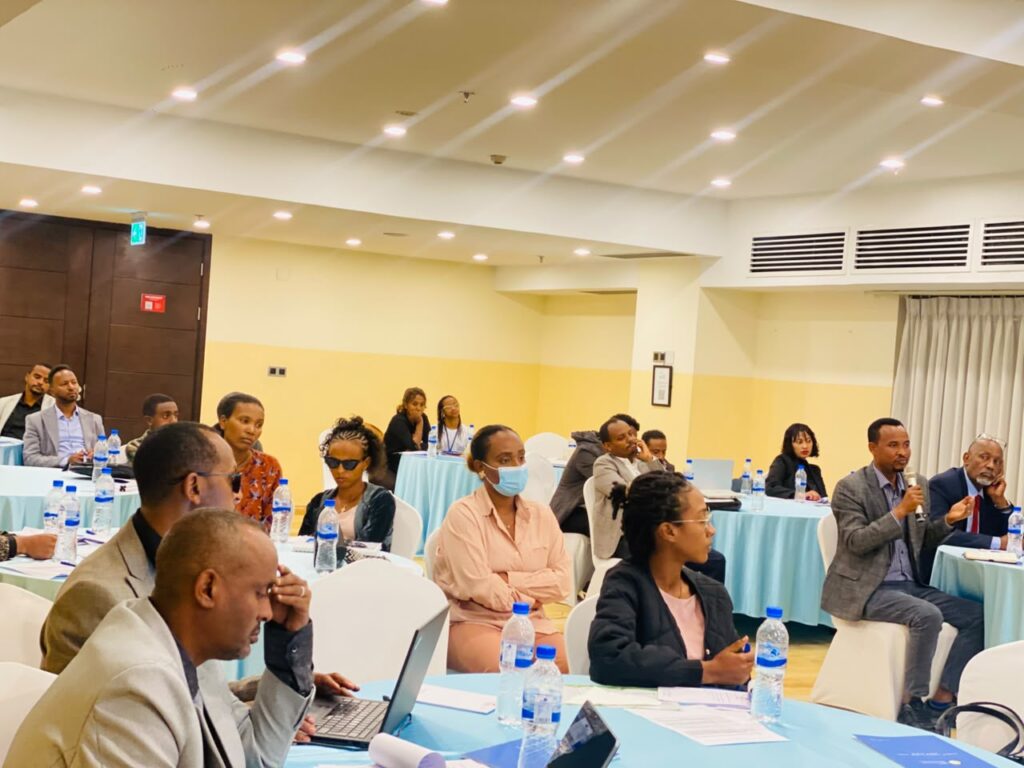
The forum underscored the significant value of the Protocol in strengthening ongoing efforts to realize the rights of persons with disabilities in Ethiopia, prevent harmful traditional practices, and reform discriminatory attitudes and systems. It was further noted that fulfilling the obligations outlined in the Protocol and monitoring their implementation does not require the establishment of a new executive body beyond the existing institutional frameworks.
Participants highlighted that the benefits of ratifying the Protocol are substantial, and called on its swift ratification to strengthen the protection of the rights of persons with disabilities, improve legal and policy frameworks, and promote inclusive development and participation.
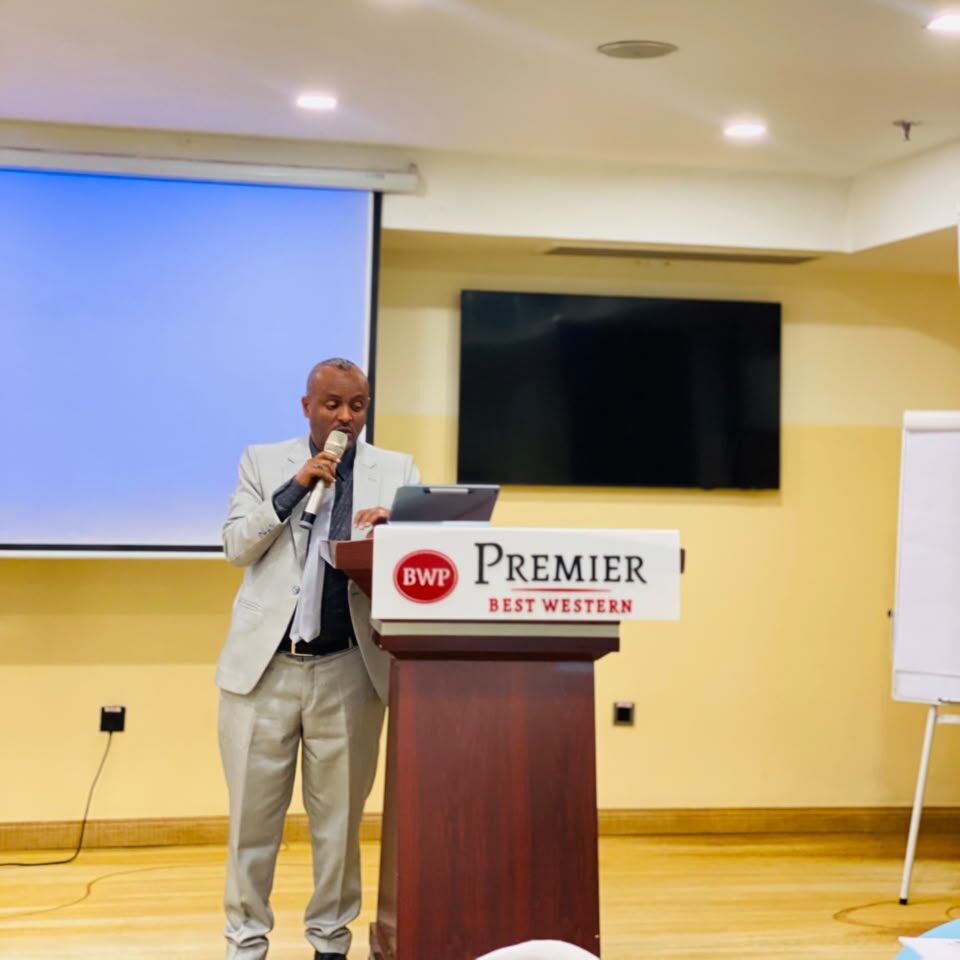
EHRC Commissioner for Disability Rights and the Rights of Older Persons, Mohammed Ahmed, stated that while existing legal frameworks remain in place, ratifying the African Disability Protocol will further strengthen the protection of the rights of persons with disabilities. He urged swift ratification and operationalization of the regional agreement, which requires the participation and committed stance of all stakeholders, and added that practical steps must be taken to conclude the ongoing processes and finalize the ratification.
The African Disability Protocol was adopted on January 28, 2018 and entered into force on July 5, 2024, having secured the required number of ratifications to become legally binding and operational across all signatory states. Over the past eight years, the Protocol has been ratified by 17 countries; however, Ethiopia has not yet ratified it.