

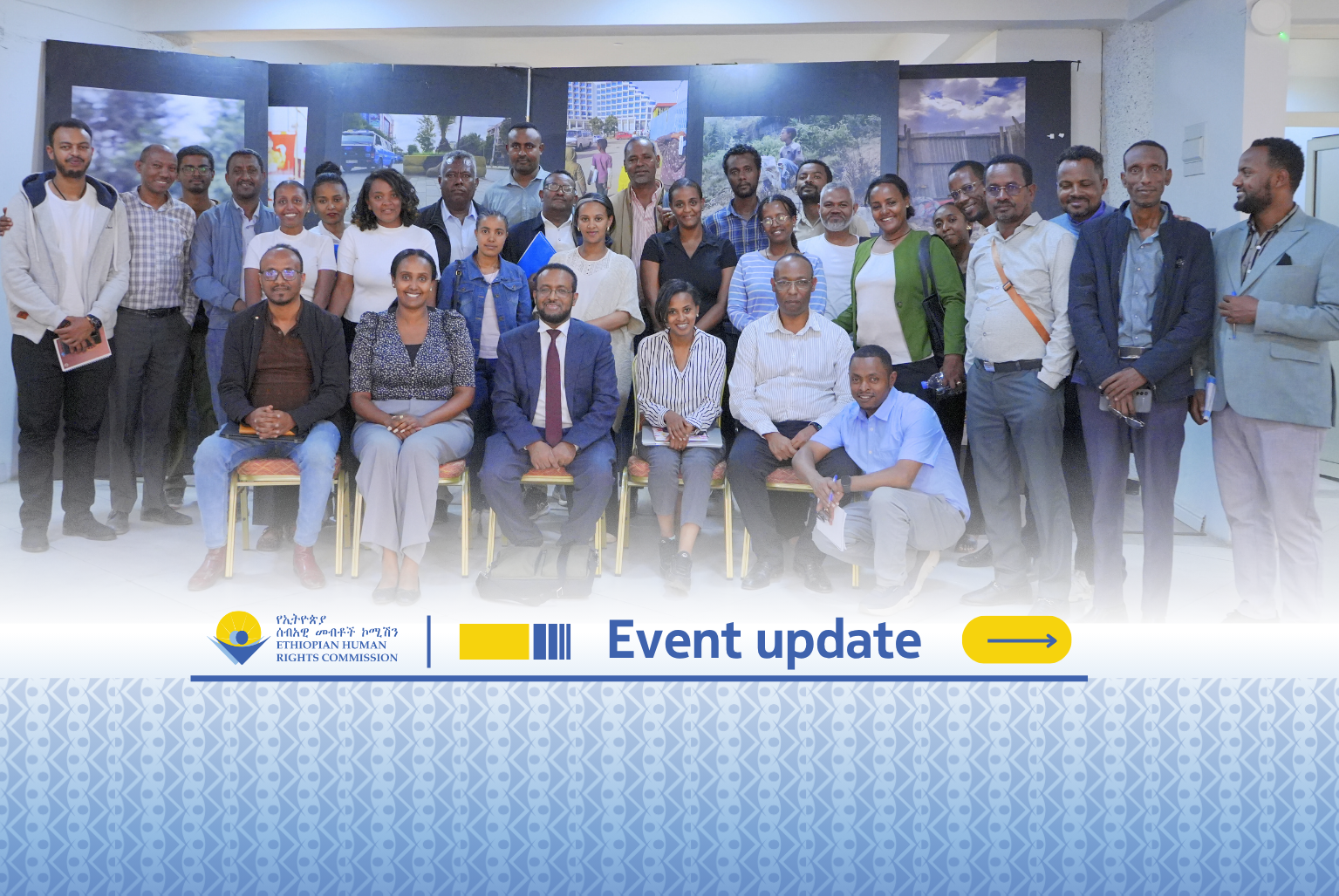
The Ethiopian Human Rights Commission (EHRC) conducted a capacity-building training entitled “Artificial Intelligence (AI) and Human Rights in Ethiopia: Opportunities and Challenges’’ for its staff on February 27, 2026, in Addis Ababa. The training aimed to enhance awareness of the implications of the rapid expansion of AI for human rights in Ethiopia.
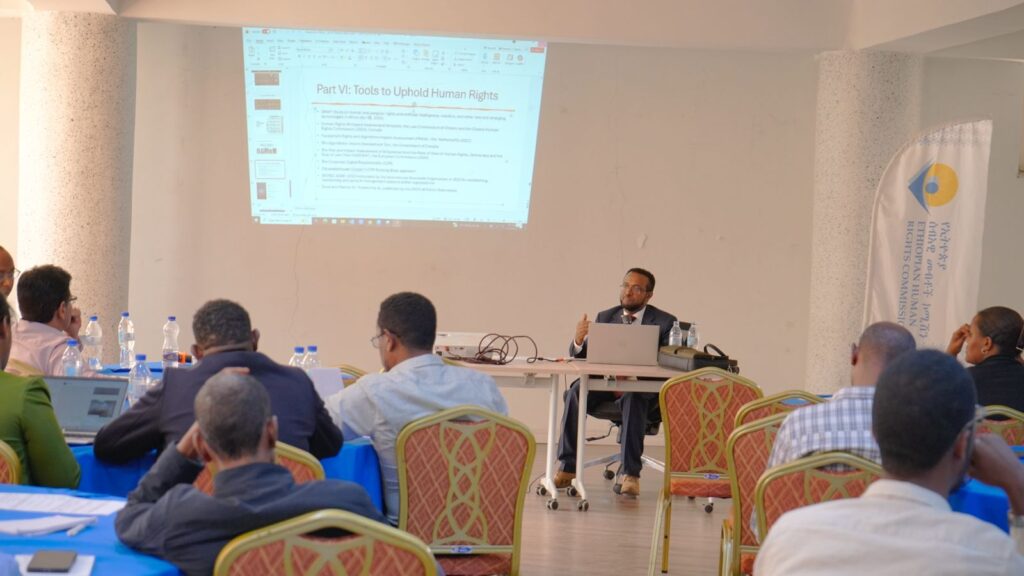
The training featured a presentation and in-depth discussion on the nature of AI, as well as the positive and negative impacts of its rapid growth on human rights. It also addressed the contributions of AI towards the promotion and protection of human rights.
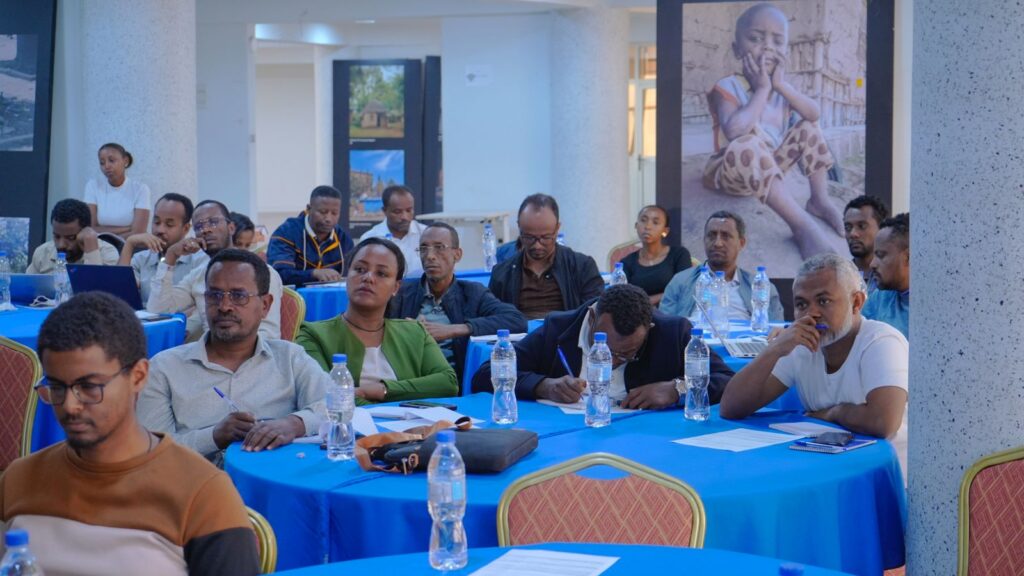
The discussion underscored that AI plays a crucial role in improving and strengthening the protection of universal human rights. Drawing on the experiences of various countries, a comprehensive review was presented, highlighting AI‘s positive contribution in providing solutions for persons with disabilities, older persons, women, children, migrants, refugees, and other vulnerable groups, as well as its role in enhancing access to information and services.
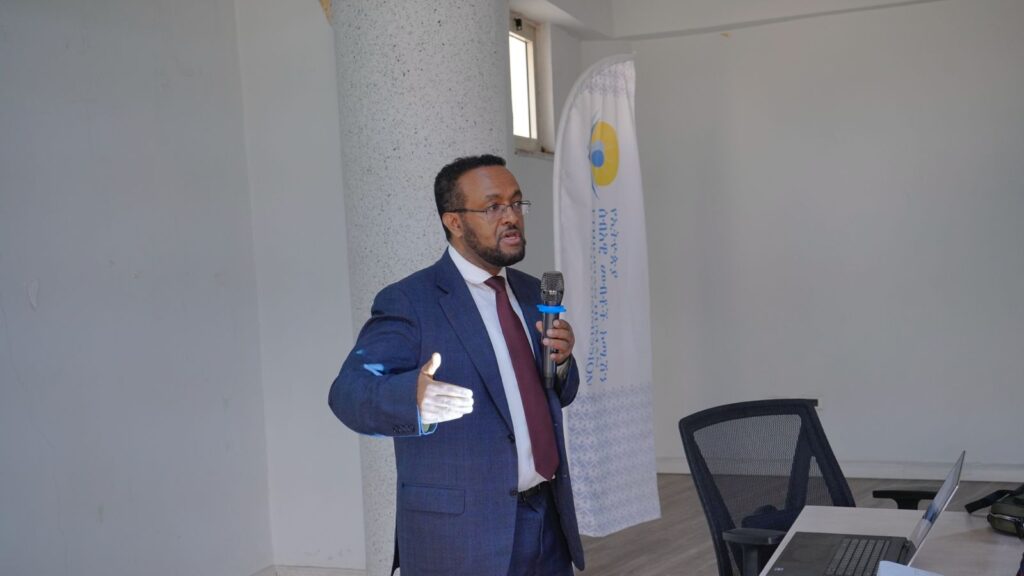
On the other hand, serious concerns were raised regarding the potential for AI to negatively impact the respect for and protection of human rights if its use is not aligned with human rights principles. These include the risk of exacerbating discrimination, distorting justice, and undermining the protection of personal data and freedom of expression.
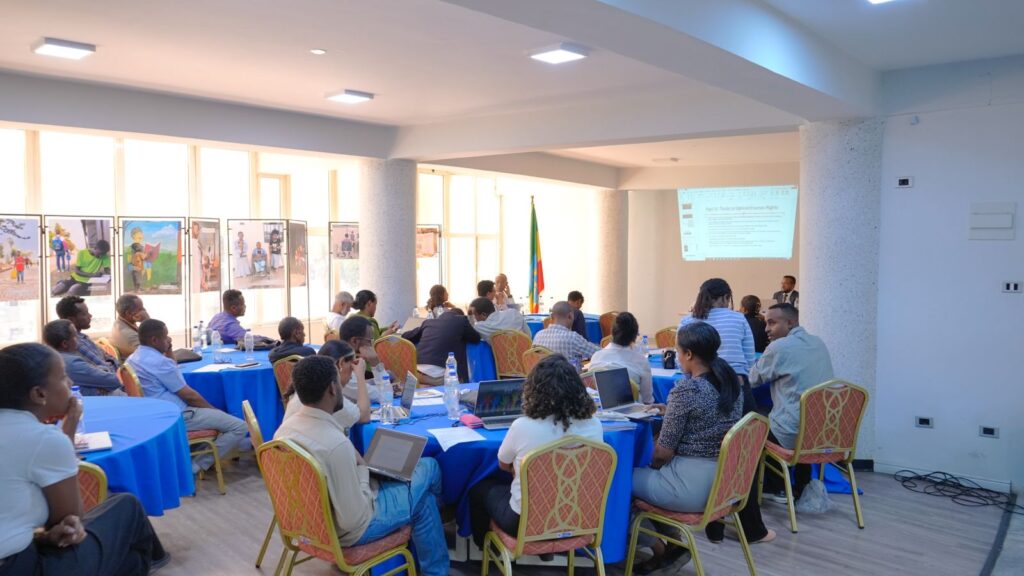
Dr. Mizanie Abate, Senior Strategic Advisor to the Chief Commissioner of EHRC, emphasized the need to enhance the capacity of EHRC’s experts and align institutional procedures with the evolving AI landscape. He stressed that understanding the benefits and risks of AI is key to ensuring its application remains human rights compliant. He further noted that EHRC’s 2026–2030 Strategic Plan, which includes specific AI-related activities, is currently under development.