

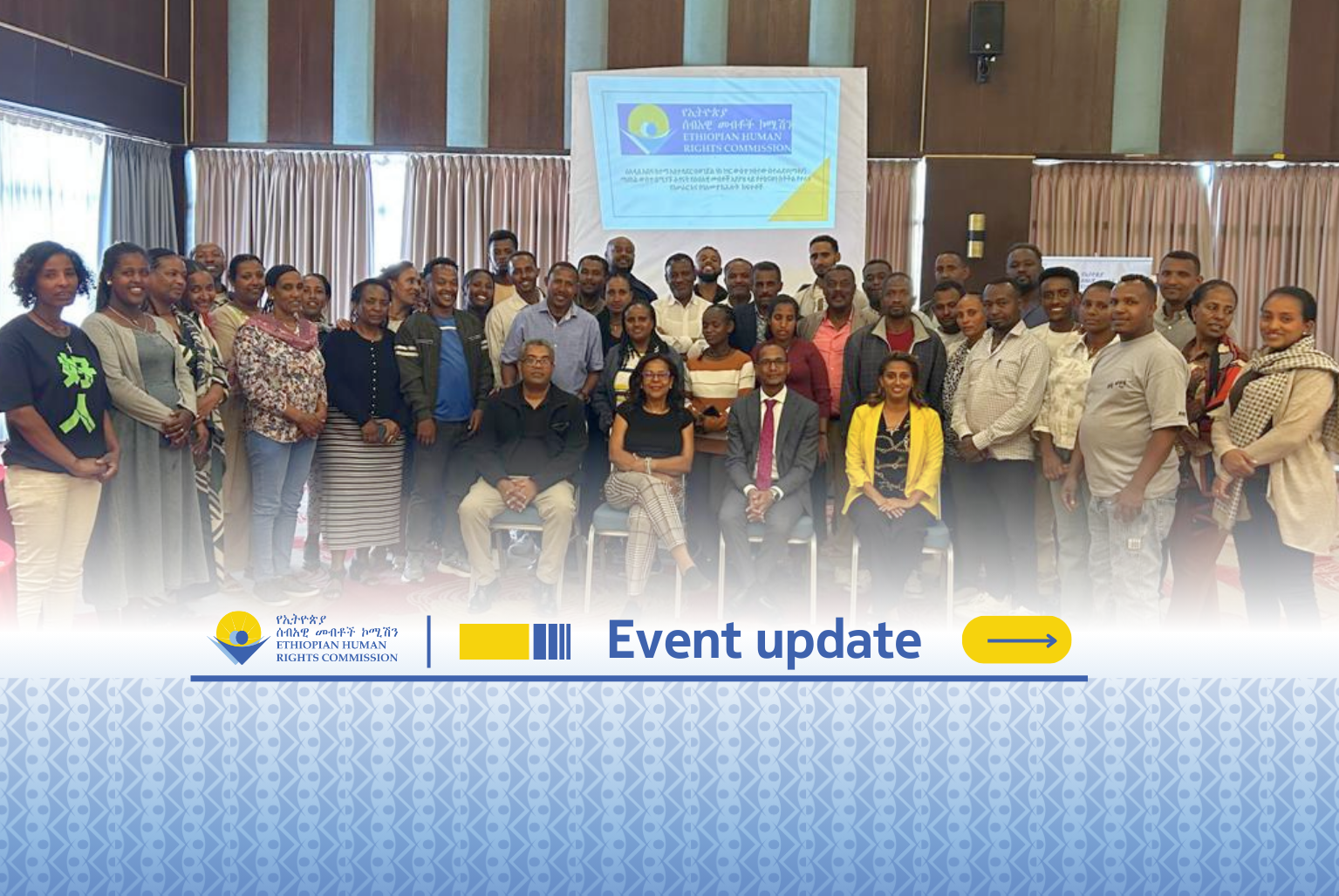
The Ethiopian Human Rights Commission (EHRC) conducted a discussion on the protection of the rights of children in conflict with the law with personnel of the Addis Ababa Rehabilitation and Remand Home for Children in Conflict with the Law, from January 31 to February 1, 2026, in Bishoftu city. Aimed at strengthening personnel’s knowledge and skills on children’s rights and their protection, the discussion brought together participants from the Addis Ababa Women and Children Bureau, the coordinator of Judges residing on Women and Children’s specialized benches of the Federal First Instance Court, as well as officials and staff of the Addis Ababa Rehabilitation and Remand home for children in conflict with the law.
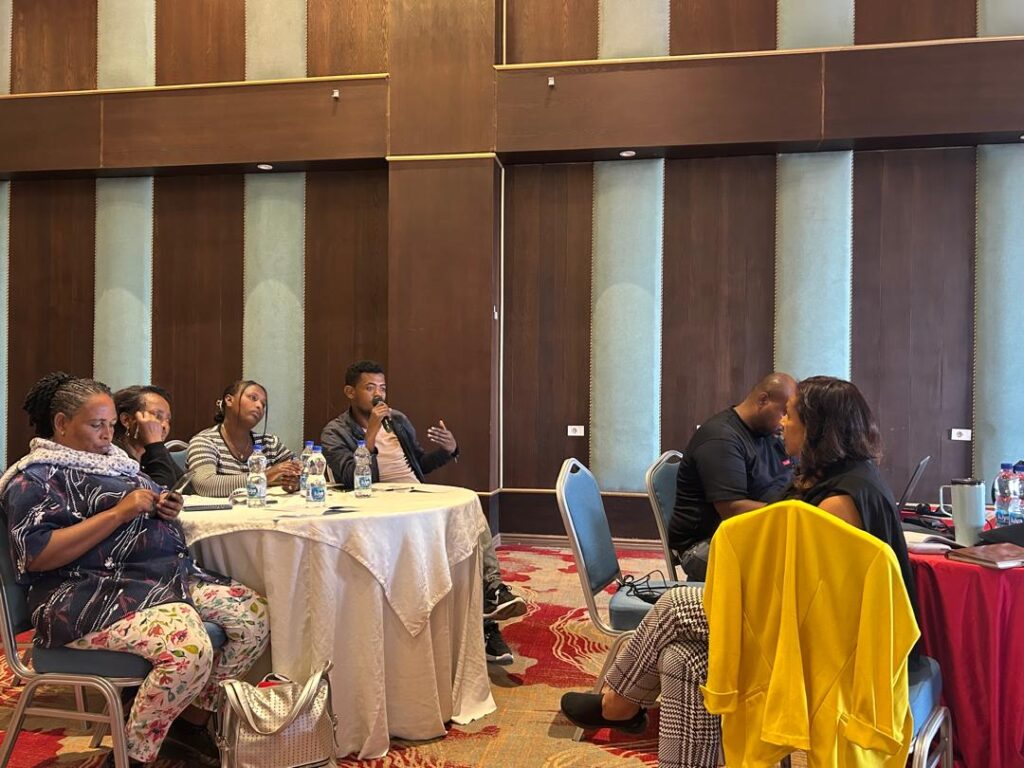
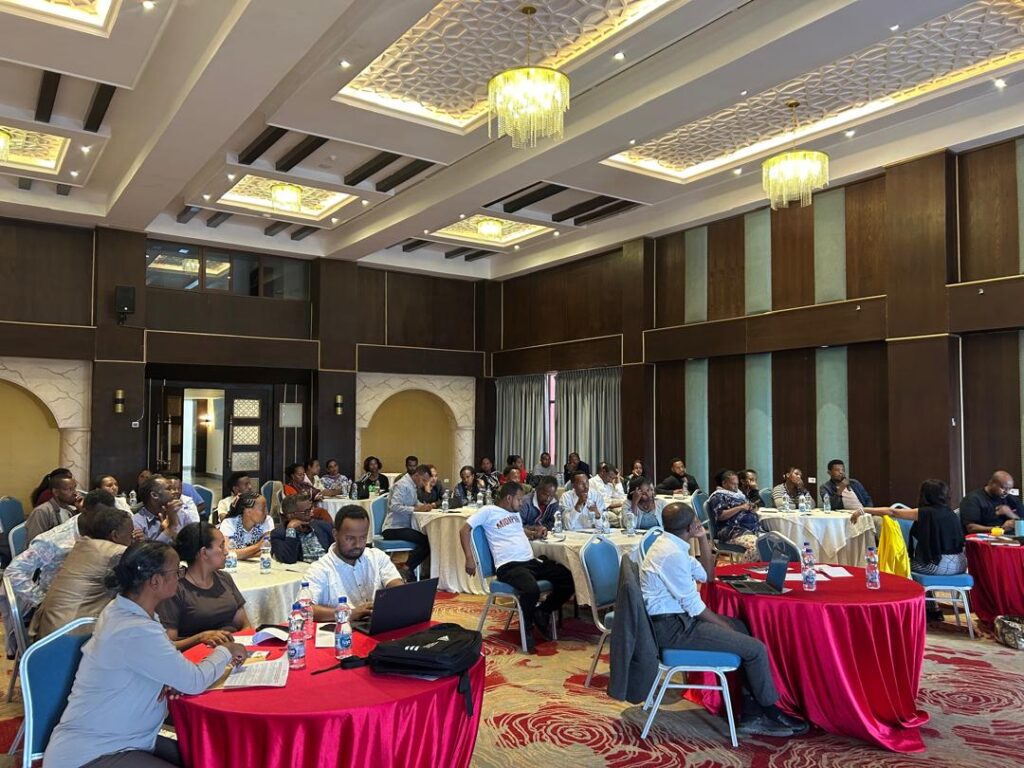
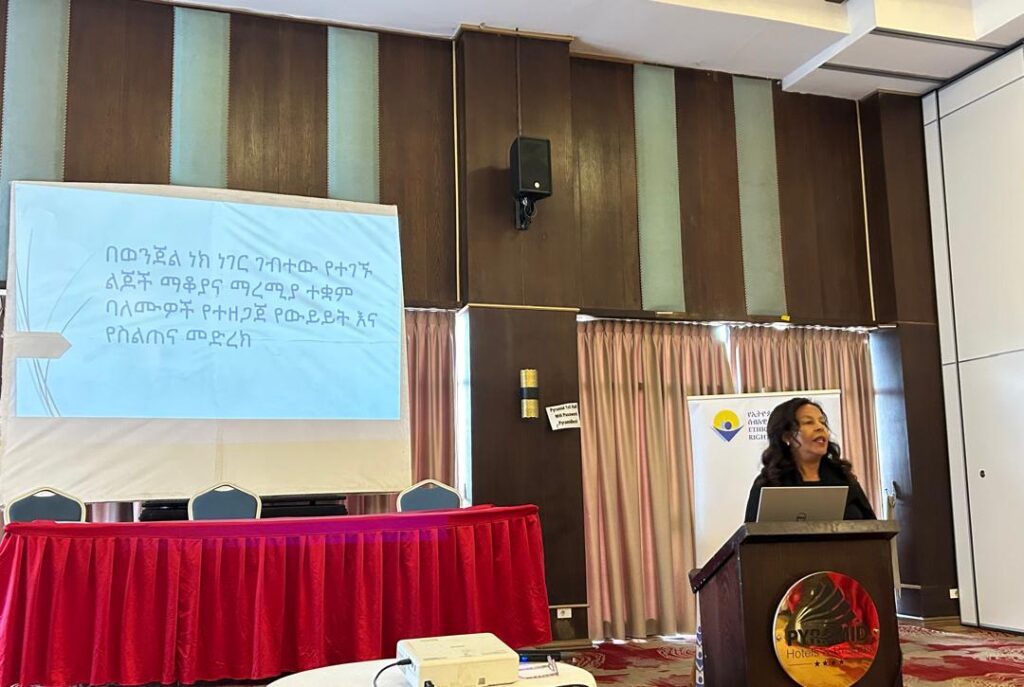
During the discussion, EHRC presented the findings of its human rights monitoring on the rehabilitation and remand home. Similarly, the coordinator of Judges’ residing on Women and Children’s specialized benches of the Federal First Instance Court, as well as Addis Ababa University’s School of Social Work, presented papers on the protection of children’s rights. Topics covered include the concept of childhood and child development, methods of communication with children, professional ethics, Cognitive-behavioral approaches, crime and criminal behavior, leadership/supervision and counseling services, and courts’ experiences with cases involving children in conflict with the law, highlighting links to rehabilitation and correctional center.
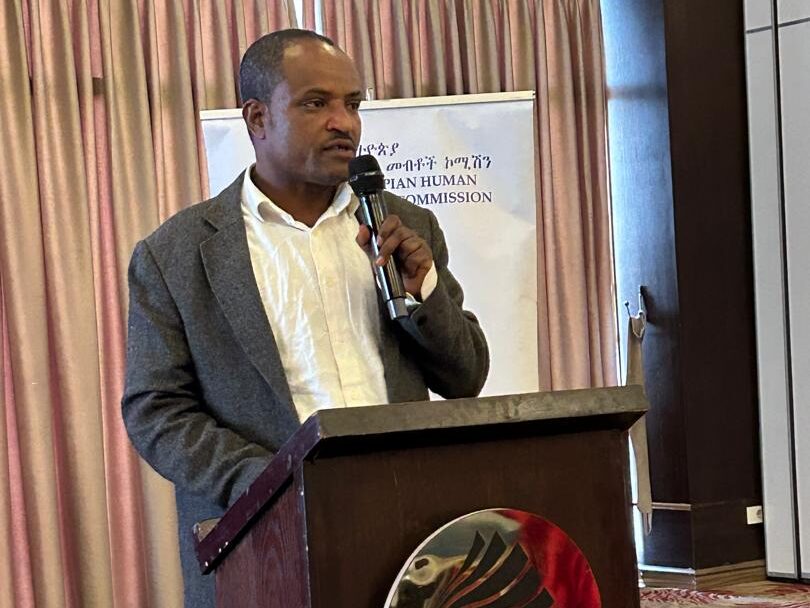
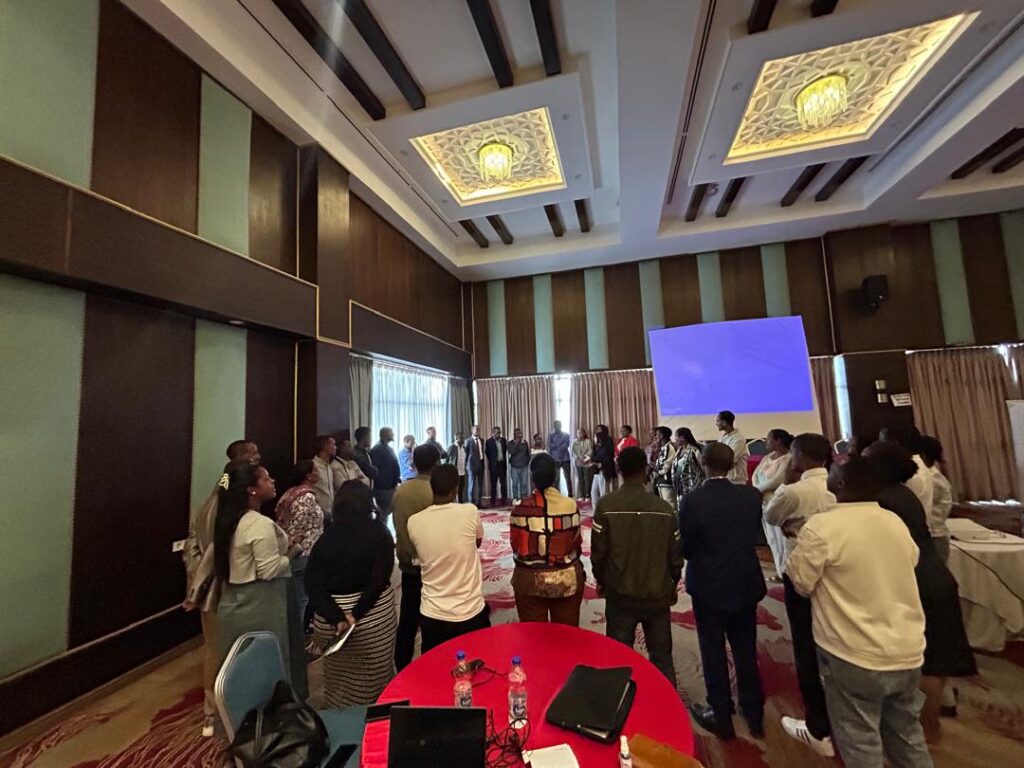
Participants emphasized that the discussion equipped them with the professional skills required to ensure the safety and security of children in the center, promote healthy social development, and strengthen treatment approaches that support children’s holistic development and protection of their human rights. They underscored their commitment to applying the knowledge and skills gained during the training in their day-to-day work. In addition, participants suggested providing the court with teachers’ assessments of children in conflict with the law prior to judicial determination and allowing adequate time for family tracing and reintegration when determining the period children should remain in the center, in order to safeguard their best interests, safety and well-being.
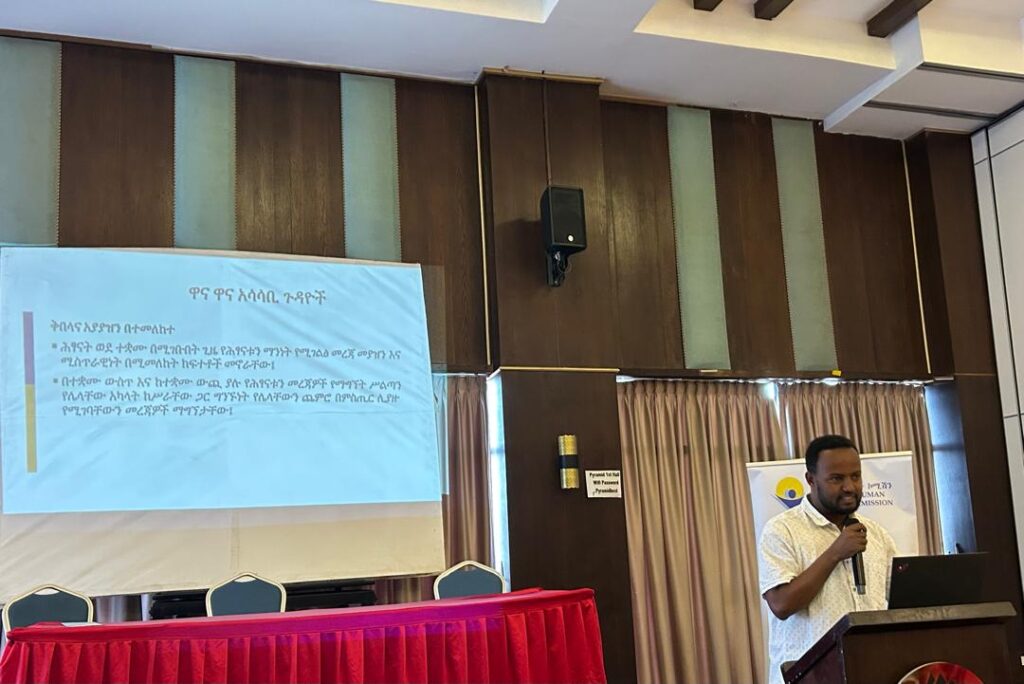
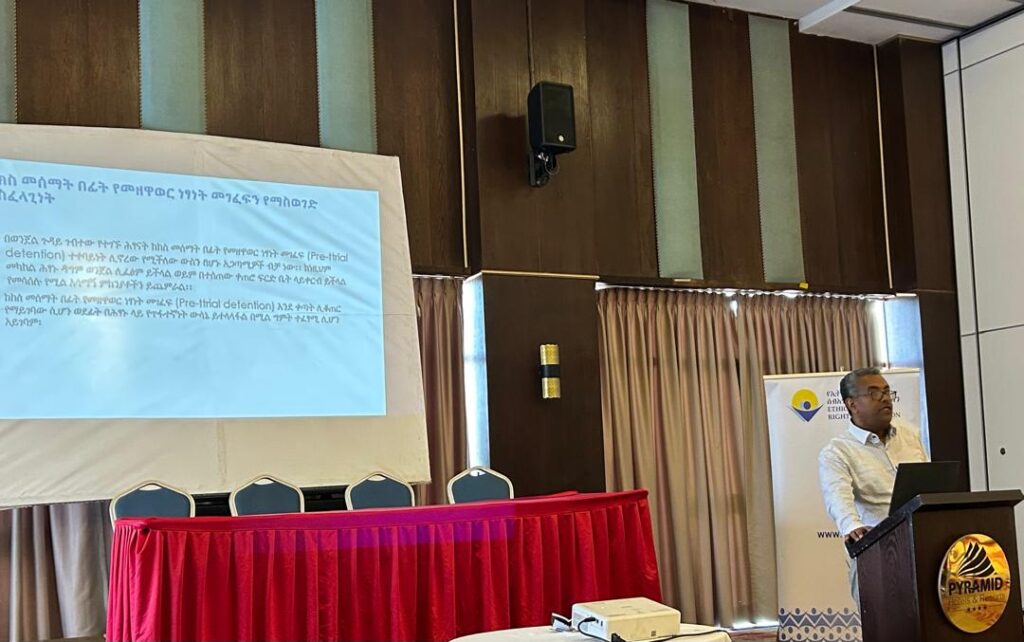
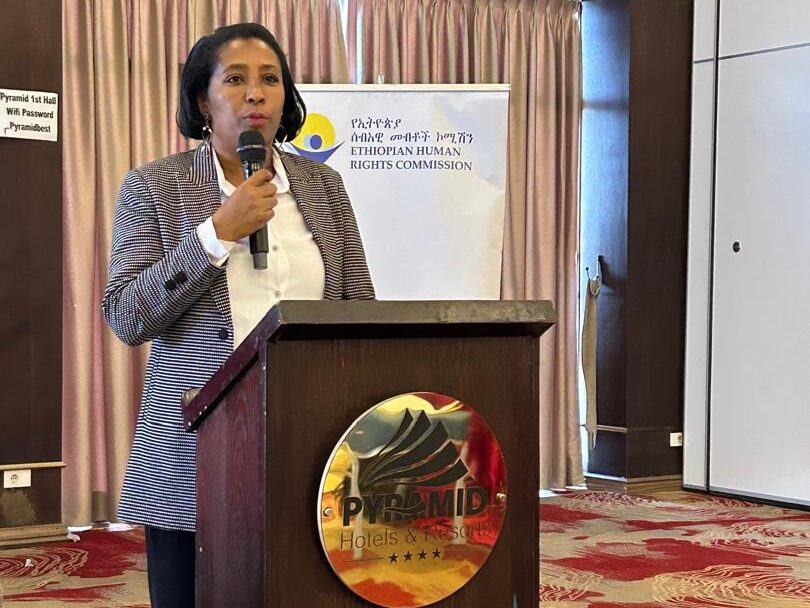
Konjit Debela, Head of the Addis Ababa Women and Children Bureau, recalled EHRC’s recommendations on the need to provide continuous awareness-raising and capacity-building trainings for professionals and support staff of the center, and urged them to apply the knowledge and skills gained during the discussion to address gaps identified through EHRC’s monitoring and to ensure the protection of children’s human rights in the center.
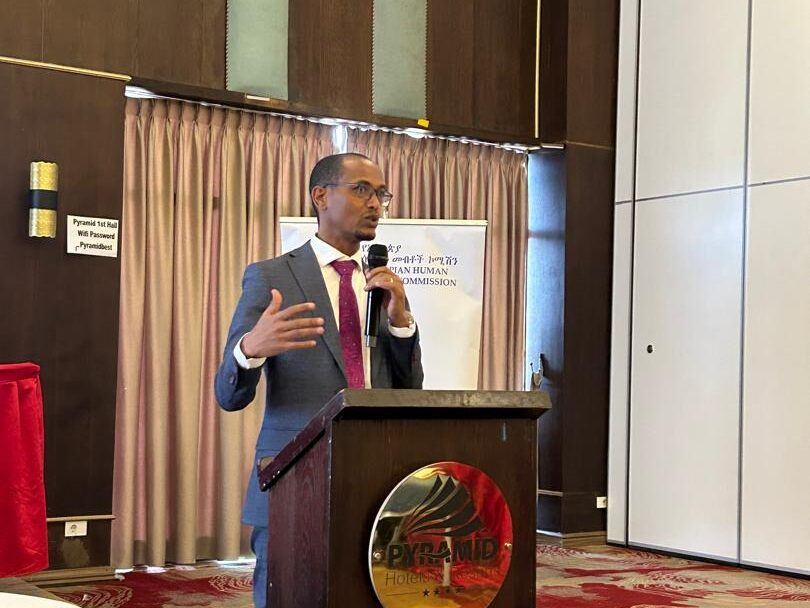
Dr. Abdi Jibril, EHRC Commissioner for Civil, Political, Social and Economic Rights, noted that the protection and promotion of children’s rights is one of EHRC’s thematic priorities, and called on personnel in the rehabilitation and remand home to work with commitment and collaboration to fulfill their responsibilities in strengthening the protection of children’s human rights in the center.