

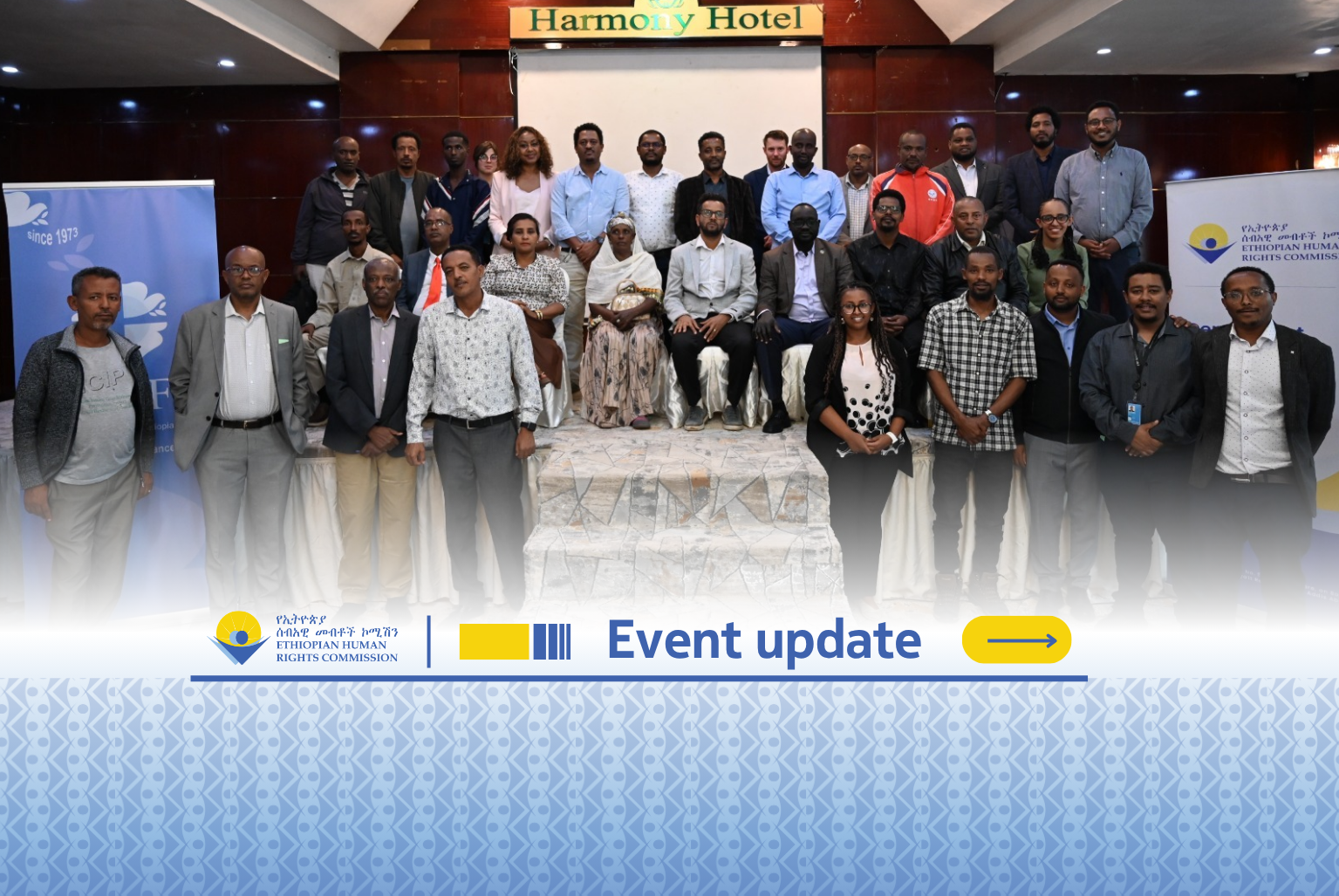
The Ethiopian Human Rights Commission (EHRC) organized a national workshop on strategic plans, enabling factors, and prevailing challenges regarding the protection of internally displaced persons (IDPs) and the implementation of durable solutions on June 25, 2026, in Addis Ababa.
The workshop was organized in collaboration with the Regional Durable Solutions Secretariat (ReDSS), Lutheran World Federation (LWF), and the Ethiopia Conflict Sensitivity Hub (ECSH). It brought together members of the House of Peoples’ Representatives, alongside senior leadership and representatives from the Ministry of Peace, the Ethiopian Disaster Risk Management Commission (EDRMC), and relevant regional executive organs, as well as representatives of IDPs, United Nations, the World Bank, and various international organizations actively engaged in IDPs’ protection and assistance.
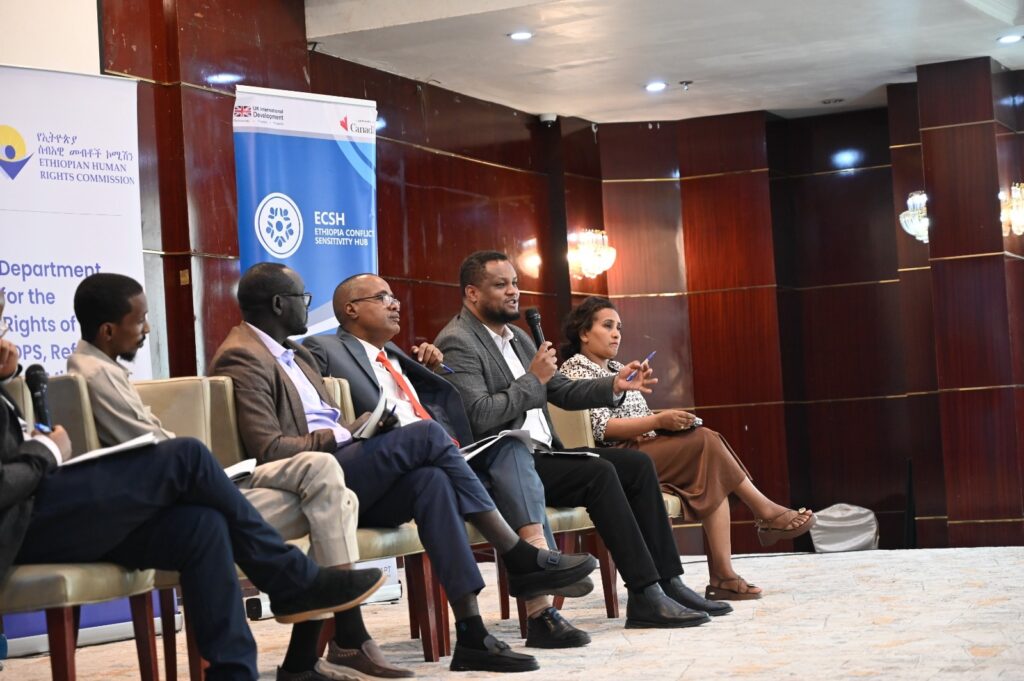
During the session, the FDRE Ministry of Peace and the Ethiopian Disaster Risk Management Commission (EDRMC) delivered comprehensive briefings detailing the current status of the protection of the rights of the IDPs and the ongoing implementation of durable solutions. Deliberations highlighted the severe hardships IDPs face, reaffirming that the Federal Government holds a clear institutional mandate to partner with regional authorities in delivering vital aid and ensuring the sustainable rehabilitation of inter-regional displaced persons. It was also noted that while robust legal and policy instruments exist to govern displacement prevention and relief, operational efficacy has been severely constrained by ongoing security issues, deficient social infrastructure, and weak multi-agency coordination. The workshop urged regional governments to fully assume and execute their administrative mandates, underscoring a strategic shift away from temporary food relief toward implementing voluntary, choice-based durable solutions.
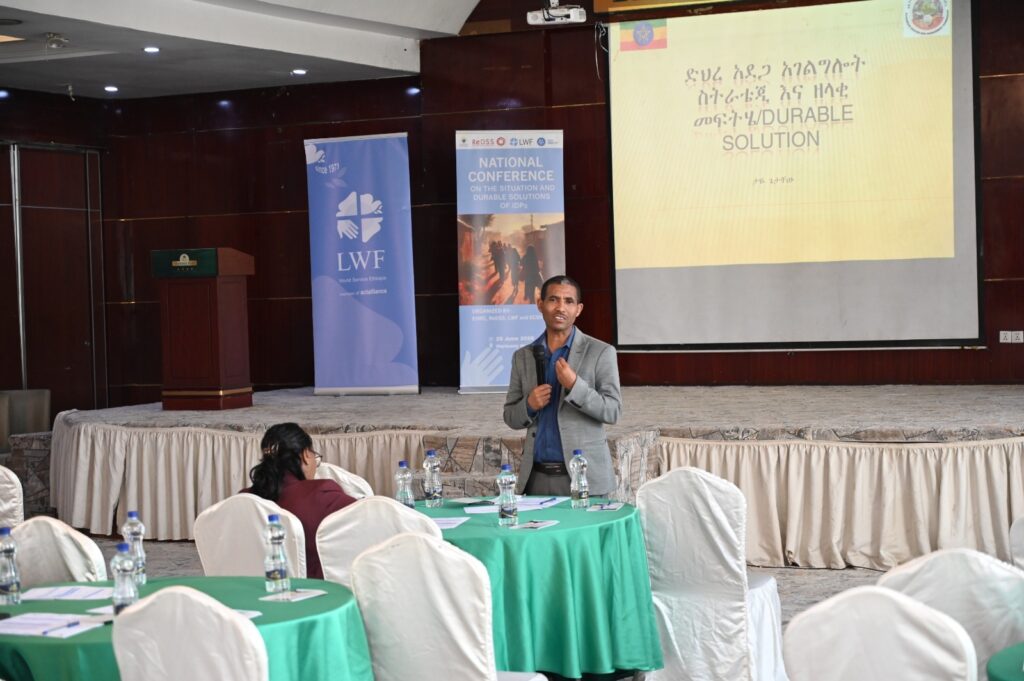
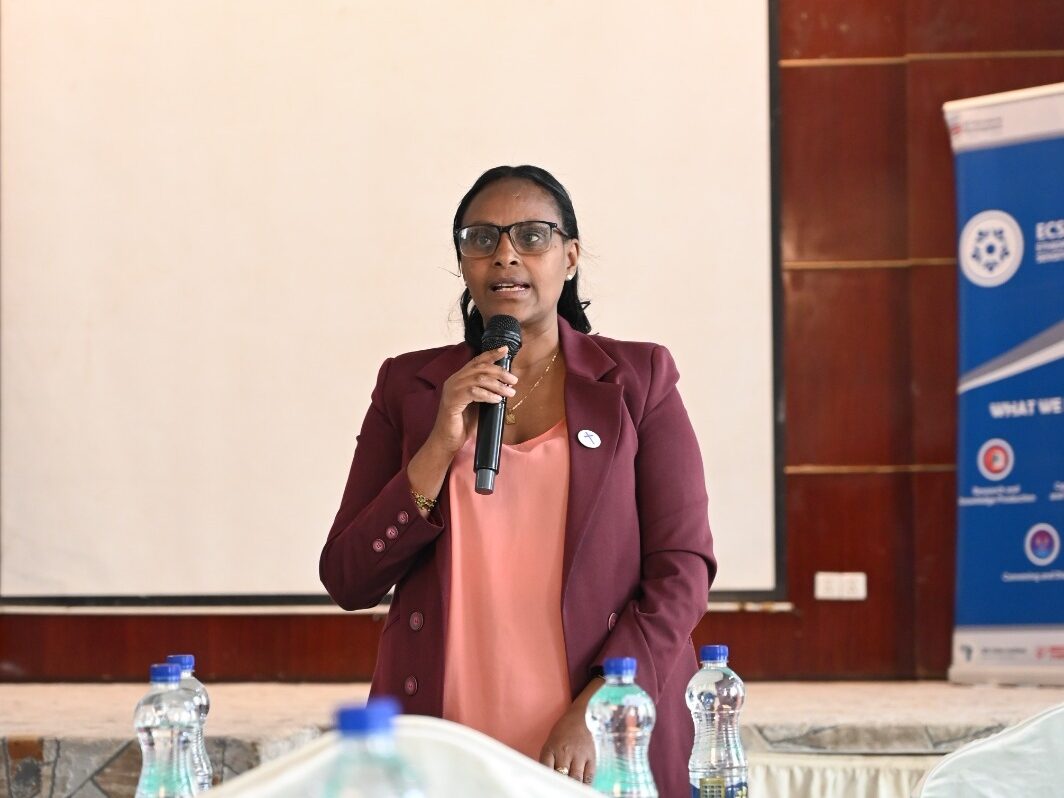
The forum also provided a platform for participating regional disaster risk management heads to exchange best practices, highlighting the durable solutions implemented in their respective jurisdictions, as well as the operational bottlenecks they face. In this regard, representatives from the Afar, Amhara, Benishangul-Gumuz, Central Ethiopia, and Harari regions noted that while initiatives are underway to sustainably assist IDPs within their jurisdiction, deep-seated security vulnerabilities and a lack of robust institutional coordination between regional governments have severely hindered the implementation of long-term durable solutions for IDPs across regions. To address these challenges, regional heads emphasized the urgent need for structured, transparent dialogues between origin and host regions to build confidence.
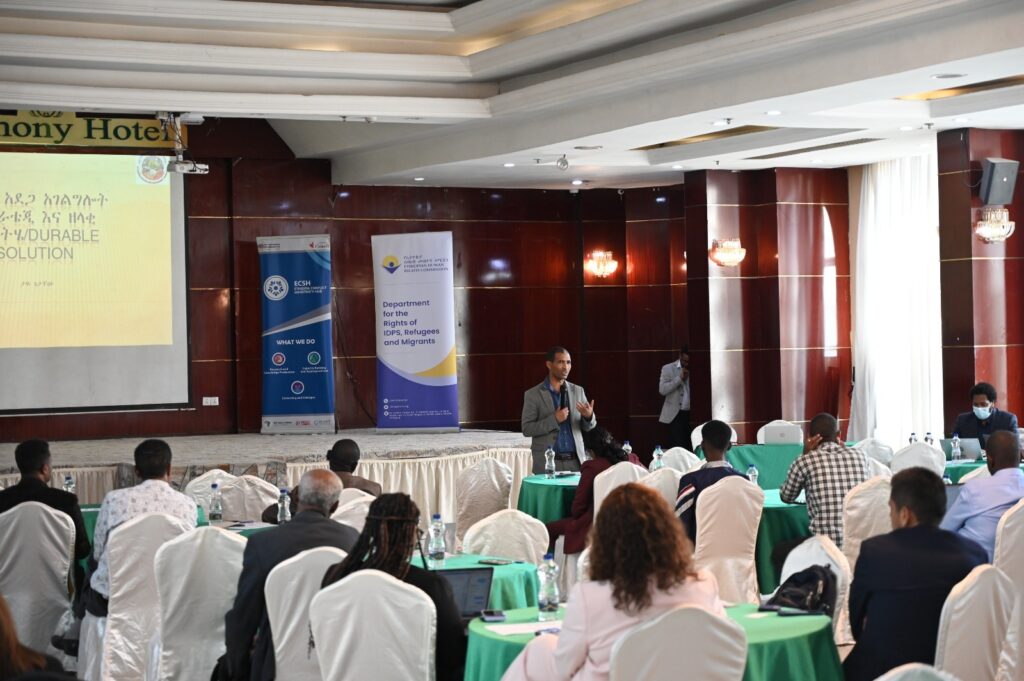
Meanwhile, IDP representatives explained that spending years in protracted displacement across IDP sites and host communities has subjected them to acute socio-economic hardships and profound psychological trauma. They also noted that their ultimate objective is to secure long-term rehabilitation, return to productive economic activities, and regain self-sufficiency, calling upon the state to expedite the implementation of durable solutions.
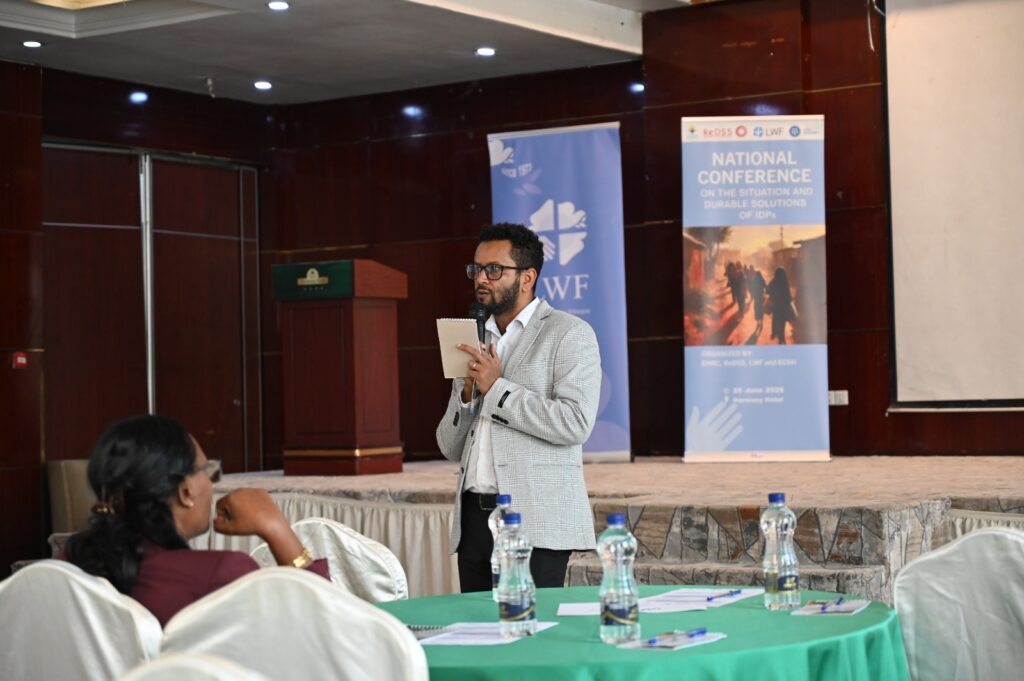
Director of the EHRC’s Department for the Rights of IDPs, Refugees, and Migrants Mehreteab Gebremeskel underscored that building consensus through inclusive dialogue is an essential prerequisite for implementing rights-based durable solutions for the IDPs. He added that the EHRC will continue to scale up these national consultative platforms, urging all institutional actors to fully execute their organizational mandates.