

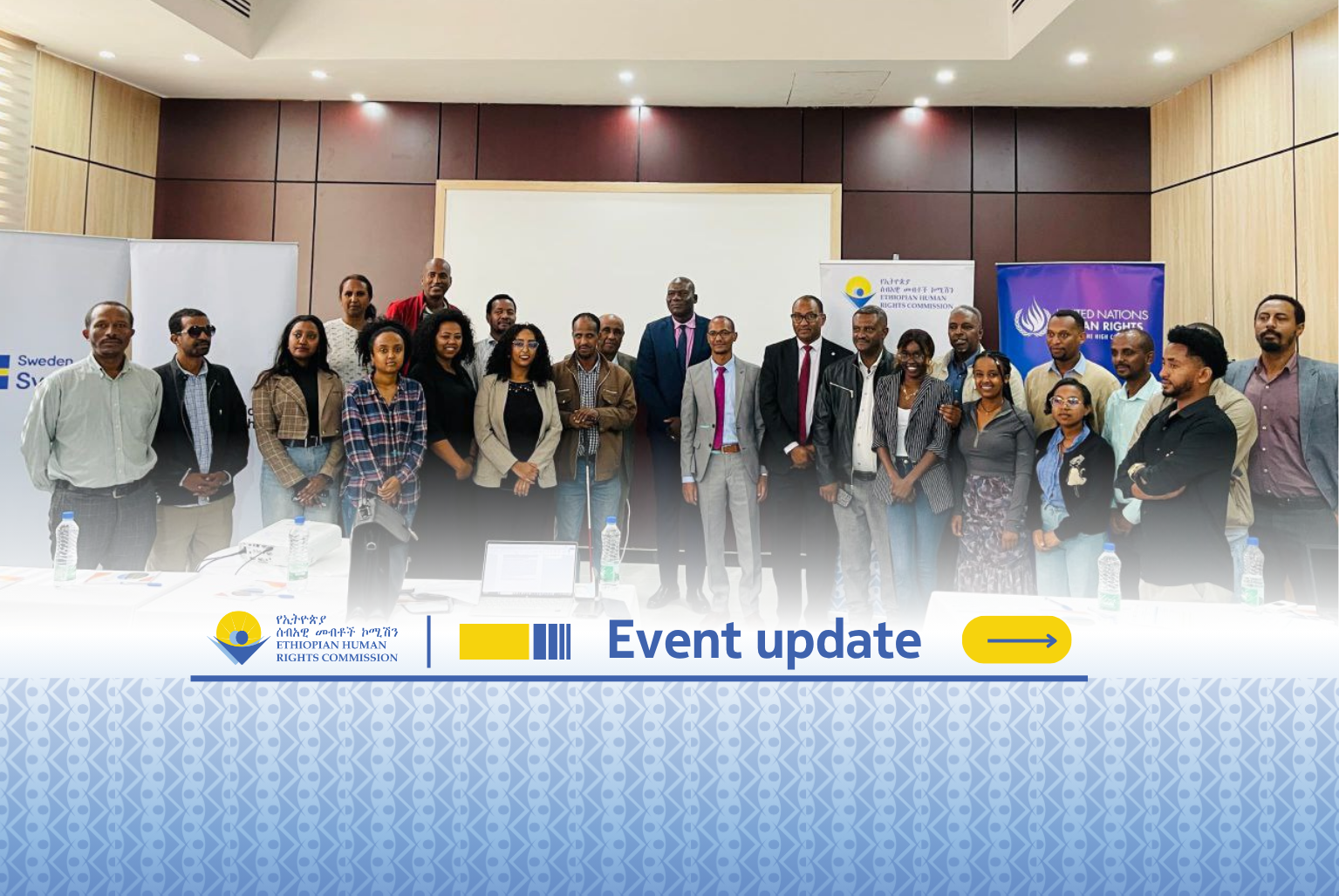
The Ethiopian Human Rights Commission (EHRC), in collaboration with the United Nations Office of the High Commissioner for Human Rights-East Africa Regional Office (OHCHR-EARO), organized a consultative forum on March 6-7, 2026, in Adama. The forum aimed to enhance the human rights monitoring capacity of CSOs during the 7th National Election. Officials and representatives from the National Election Board of Ethiopia (NEBE) and various CSOs participated in the forum.
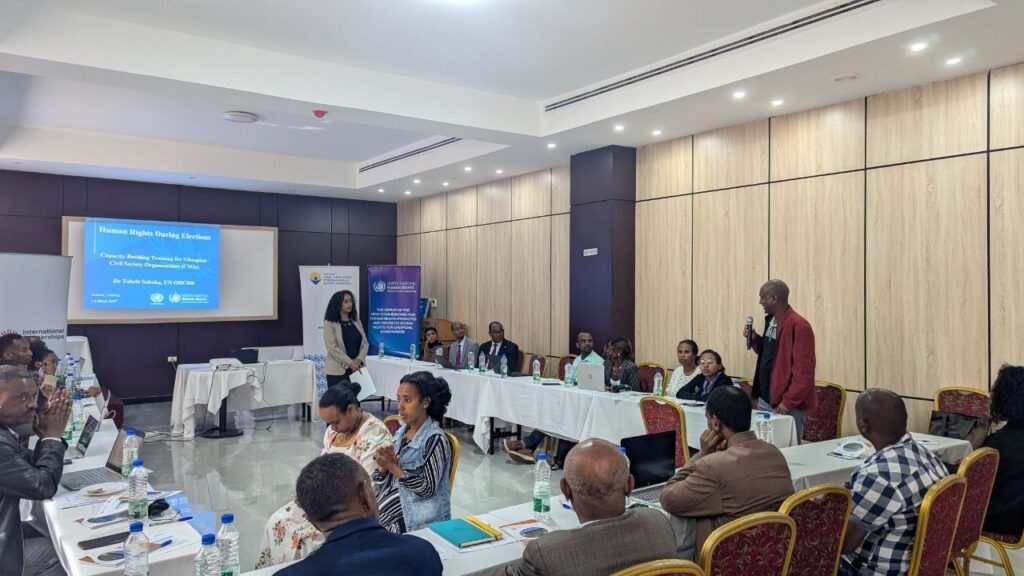
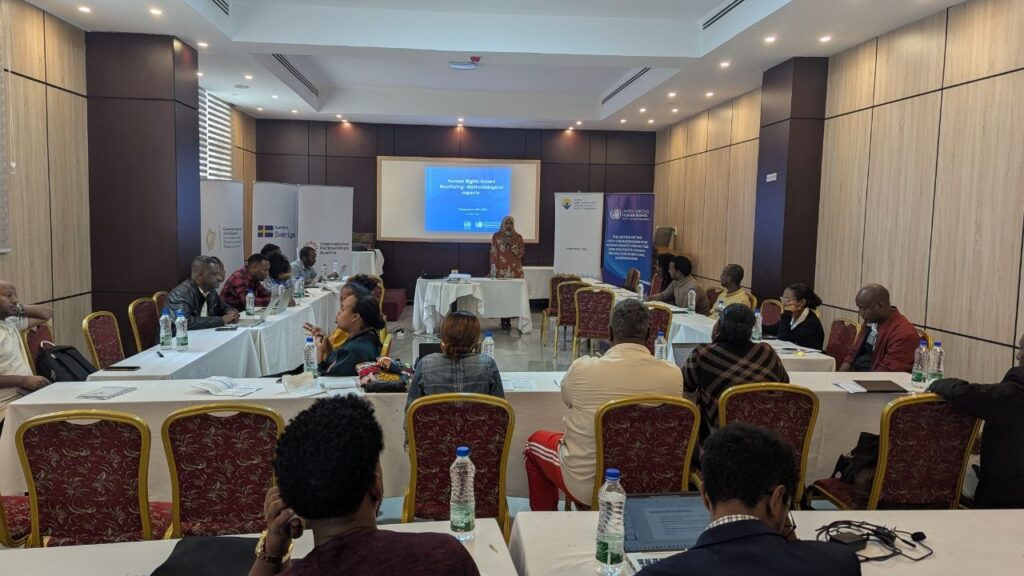
The forum featured presentations and extensive discussions covering international and national legal frameworks, principles, and codes of conduct governing the electoral process and the role of CSOs; human rights issues requiring attention during the electoral process; methodologies for data collection, reporting and advocacy, and strategies for combating hate speech and misinformation, as well as ensuring accountability.
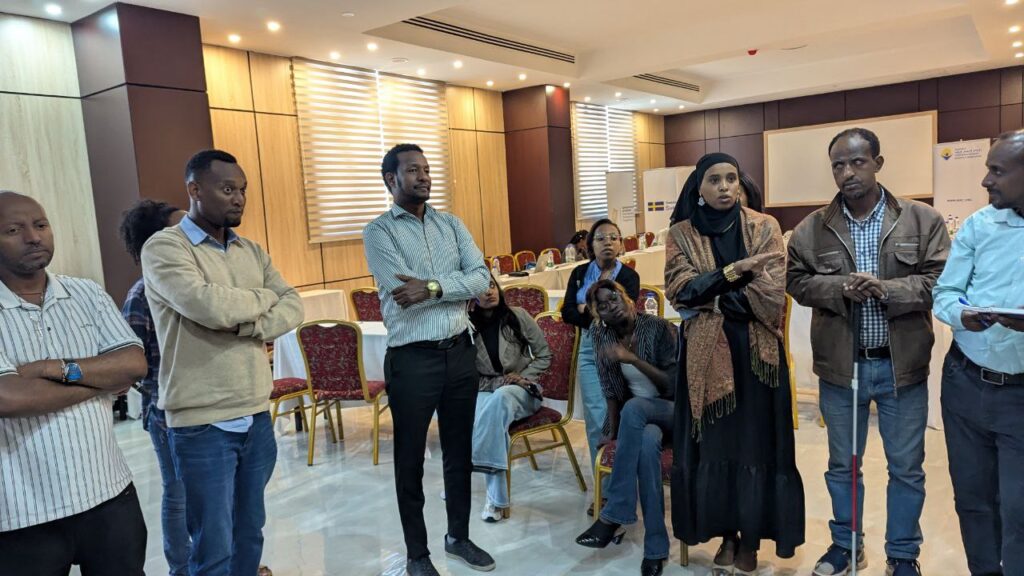
The discussions highlighted the necessity of ensuring that the 7th National Election is free, fair, transparent, and credible, guaranteeing the participation of women, persons with disabilities, internally displaced persons (IDPs), and other vulnerable groups in an accessible and inclusive manner. Particularly as this year’s national election is being held amidst ongoing security challenges in various parts of the country, it was noted that CSOs have a significant role in monitoring and ensuring the protection and respect of human rights throughout the electoral process.
Participants noted that CSOs play a significant role in ensuring the credibility of the electoral process among the public, political parties, and other stakeholders by maintaining their neutrality and monitoring the human rights situation before, during and after the election and supporting the taking of corrective measures whenever gaps occur.
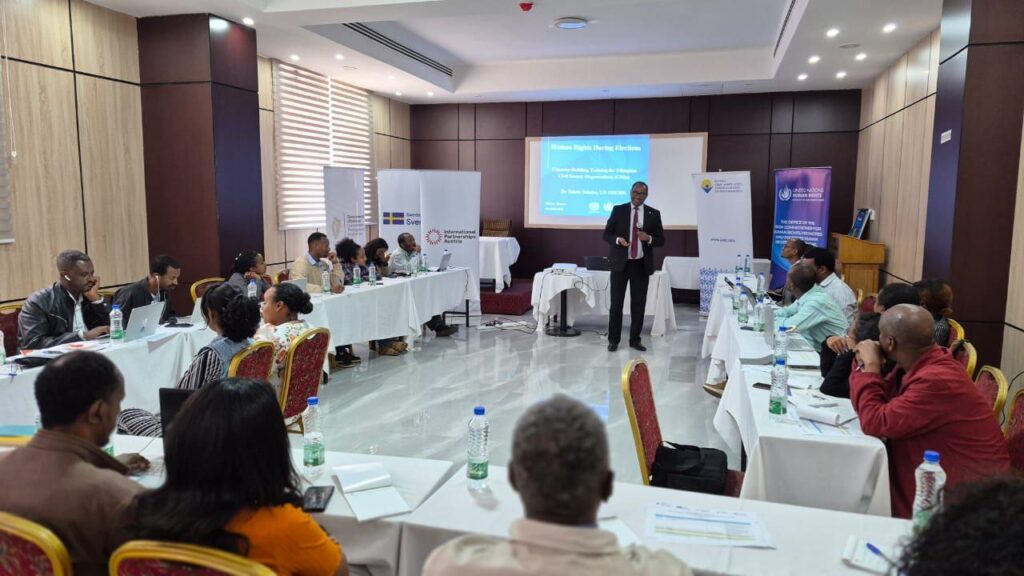
Joseph Nubadum, Head of the Ethiopia Program at the United Nations Office of the High Commissioner for Human Rights East and Southern Africa Regional Office, stated that elections are central to democracy. He emphasized that they are the primary means through which citizens exercise their right to participate in their country’s political and public affairs, ensure government legitimacy, and strengthen democratic foundations. Furthermore, he noted that electoral rights are intrinsically linked to other human rights. Given the risk of arrests, harassment, and other human rights violations during electoral periods, he underscored the vital role of CSOs in documenting violations, providing early warning, and serving as a voice for vulnerable groups.
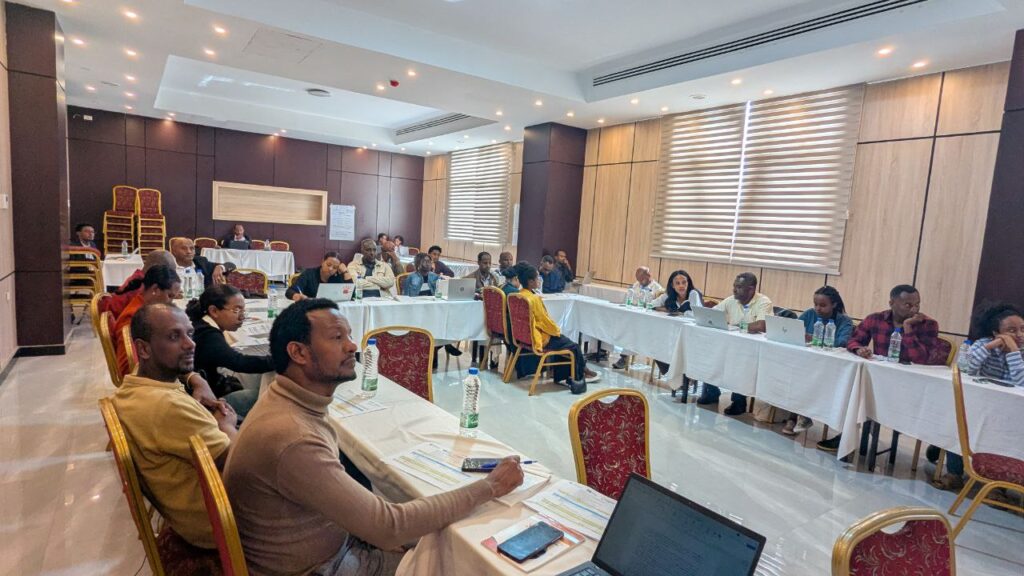
Dr. Abdi Jibril, EHRC Commissioner for Civil, Political, Social, and Economic Rights, emphasized that cooperation and coordination among EHRC, the OHCHR, and CSOs is vital to preventing human rights violations during elections. He highlighted that election preparations should go beyond reviewing legal frameworks and conducting risk assessments to include the design of monitoring strategies that protect the rights of vulnerable groups. He further underscored that human rights monitoring of the national election must meet international, regional, and national human rights standards, and that electoral actors should develop a clear and coordinated plan of action to enable effective implementation.