


The Ethiopian Human Rights Commission (EHRC) held a consultation with stakeholders on the findings of its human rights monitoring on the rights of persons with disabilities to access rehabilitation services and assistive devices across 13 rehabilitation centers and health facilities on May 21, 2026. The monitoring covered rehabilitation centers and referral hospitals in the Addis Ababa city administration, as well as in the Amhara, Oromia, South Ethiopia, and Tigray regions.
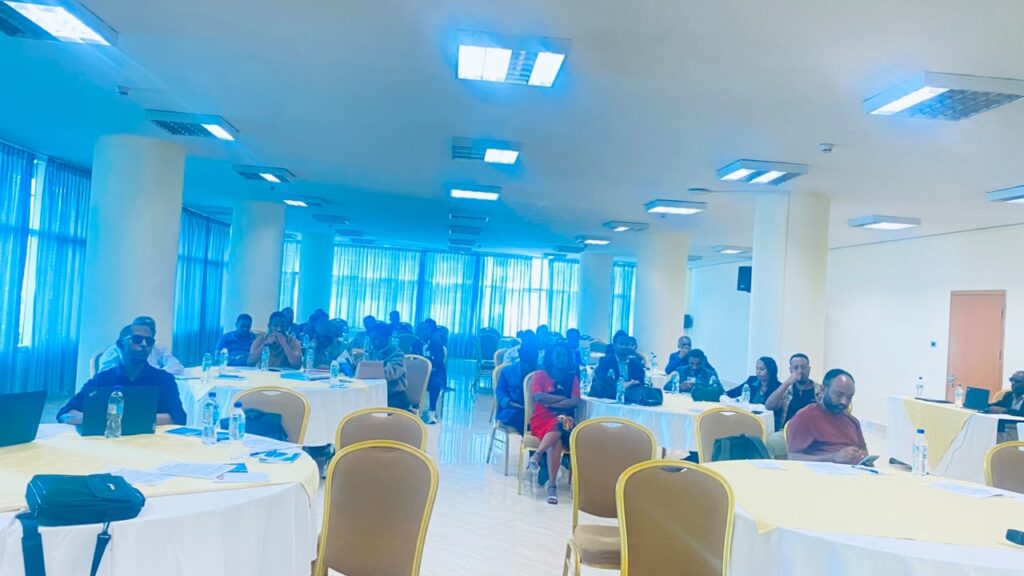
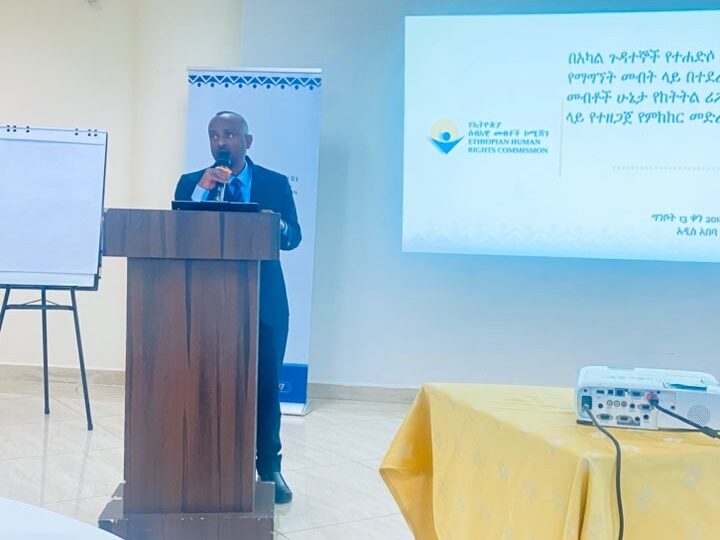
In the discussion, officials and experts from the Ministry of Health, Education, Women and Social Affairs, as well as representatives from medical institutions, physical rehabilitation centers, regional health bureaus, associations of persons with disabilities, and other governmental and non-governmental organizations have participated.
The discussion featured briefings on rehabilitation services, as well as the international and national legal and policy frameworks governing such services. Furthermore, positive developments and issues of serious concern identified through EHRC’s human rights monitoring were presented. The existence of legal frameworks governing rehabilitation services; the commencement of domestic production for certain assistive devices and materials; the professional and ethical delivery of services by experts; and better supply delivery from the Ethiopian Prosthetic and Orthotic Services were cited as positive developments.
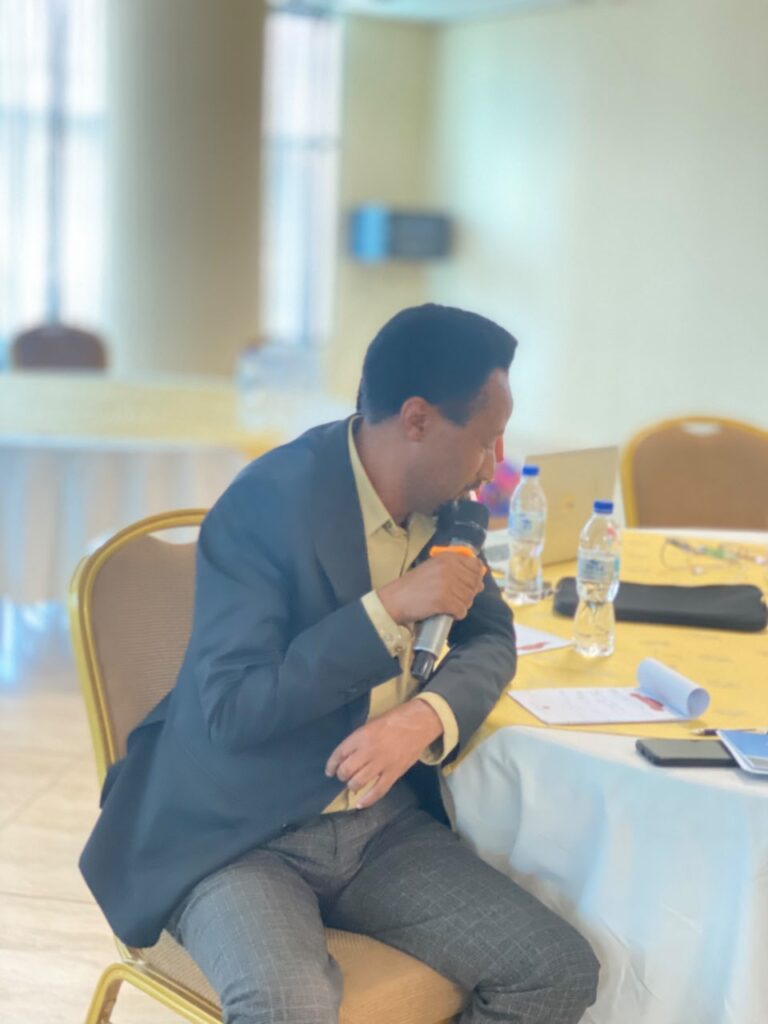
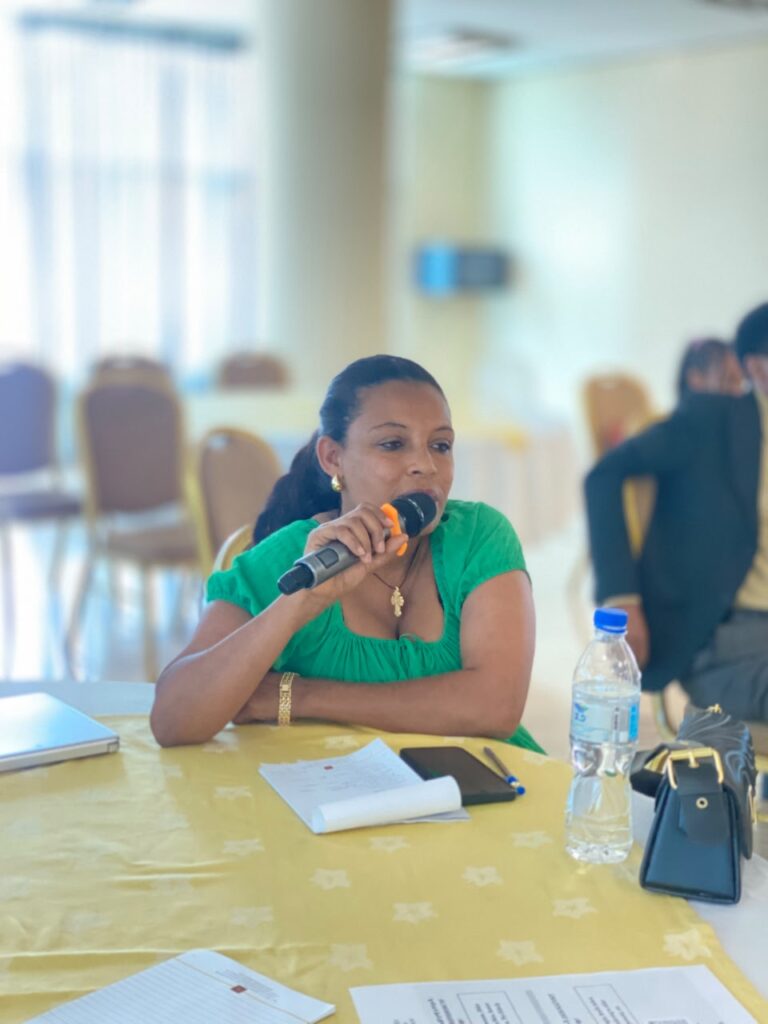
Conversely, an insufficient number of institutions providing rehabilitation and assistive device services; the lack of accessibility in remote and hard-to-reach areas; the severe shortage of skilled human resources in the sector; and the absence of rehabilitation service education within higher education institutions are among the points identified as serious human rights concerns. Additionally, shortage in the supply of assistive devices, technologies, and machinery; the aging and dysfunctional state of the equipment currently in use; lack of suitable and accessible service delivery environment; and the absence of a comprehensive rehabilitation service that accommodates all types of disabilities; lack of a strategic action plan for the sector, coupled with severe budgetary constraints, were highlighted as significant areas of concerns requiring improvement.
Participants of the discussion called for the strengthening of rehabilitation institutions through the provision of equipment and human resources, noting the high number of people requiring such services. They also urged the integration of the sector into higher education curricula, the government to prioritize the sector by formulating a dedicated rehabilitation policy, allocating sufficient budgetary resources, and conducting extensive awareness-raising initiatives.
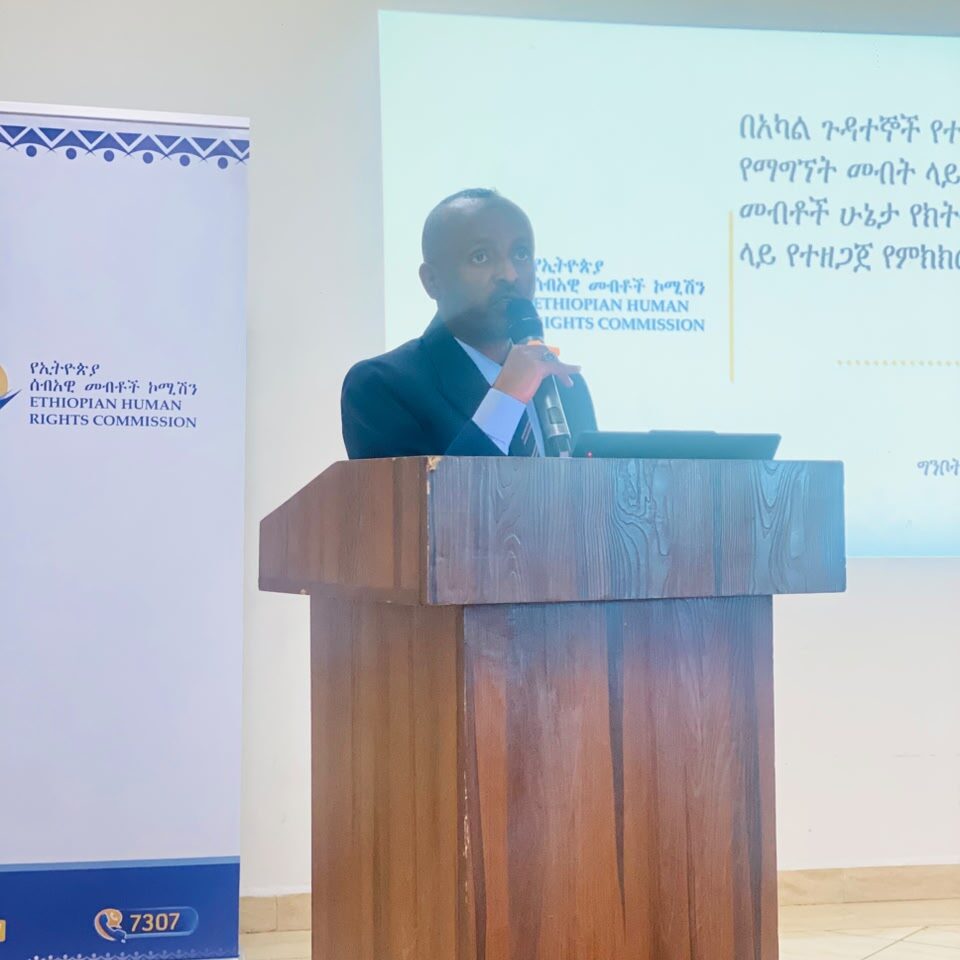
EHRC Commissioner for the Rights of Persons with Disabilities and Older Persons, Mohammed Ahmed, stated that the Commission will further its commitment and strengthen its monitoring and advocacy efforts to ensure the realization of the right of persons with disabilities to access rehabilitation and assistive device services. He further called upon all stakeholders to contribute their part and work in collaboration to implement the recommendations from the monitoring findings, address the shortage of assistive devices and human resources in the field, improve institutional service delivery standards, and ensure the accessibility of these facilities.