


The Ethiopian Human Rights Commission Delegation, consisting of 8 members, led by Mohammed Ahmed, EHRC Commissioner for Disability Rights and Rights of Older persons, is undertaking an experience-sharing visit in Sri Lanka from October 12 to 16, 2026.
The visit aims to draw on Sri Lanka’s experience to support Ethiopia’s currently ongoing transitional justice framework. The primary focus of the visit is to examine Sri Lanka’s efforts and the challenges it encountered in establishing a transitional justice system following decades of conflict and political instability.
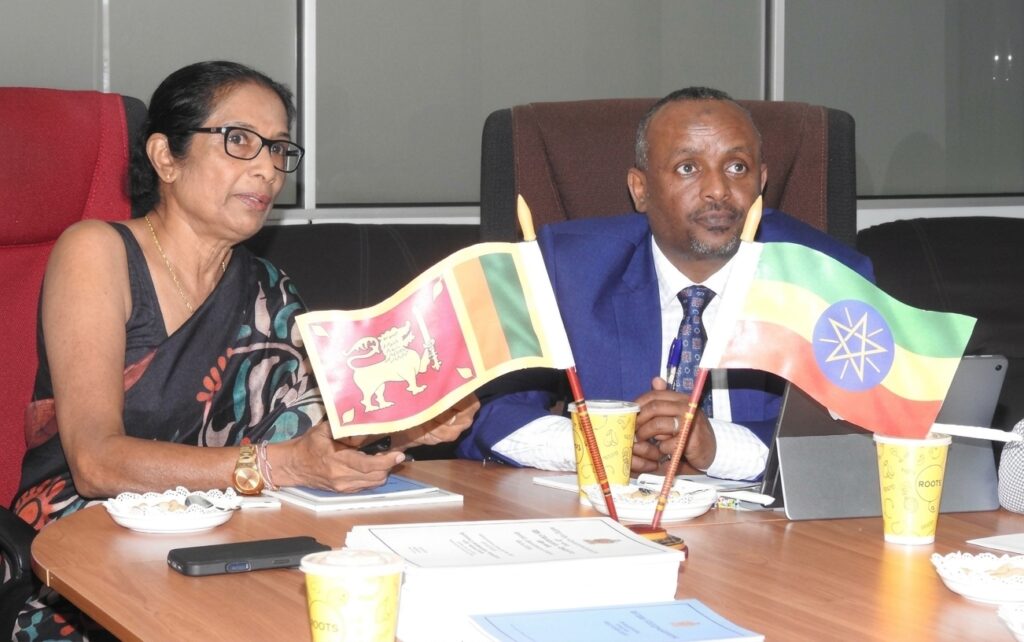
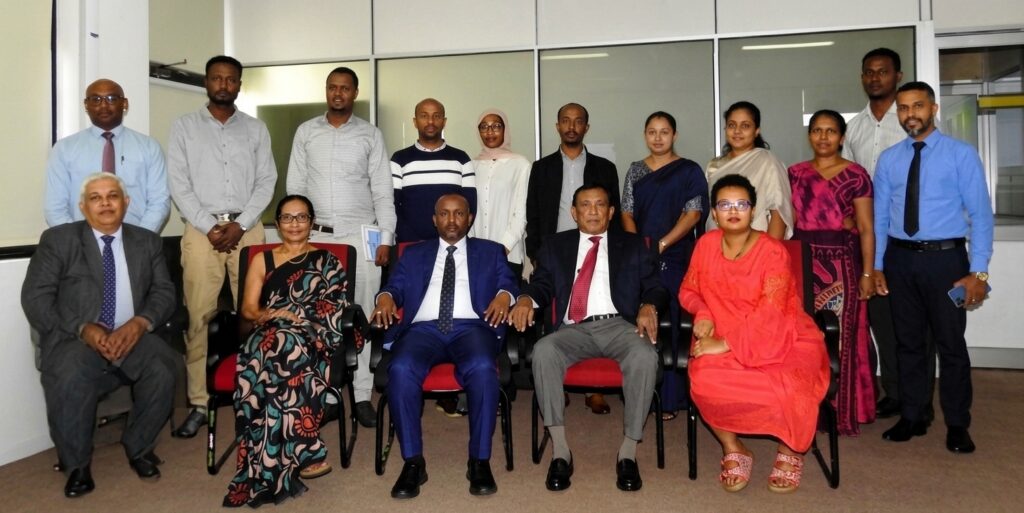
Accordingly, discussions will extensively address conflict-related human rights violations, displacement and the management of internally displaced persons, as well as the complexities involved in ensuring accountability and building sustainable peace.
During the visit, the delegation will engage with the Sri Lanka Human Rights Commission, the Ministry of Justice, the Office of Reparations, as well as other relevant institutions and judicial mechanisms.
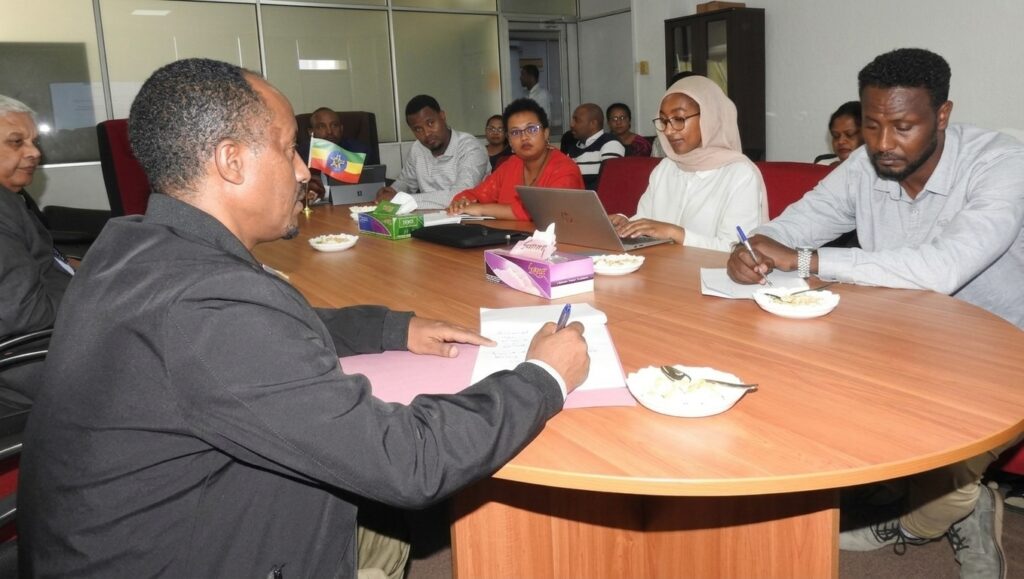
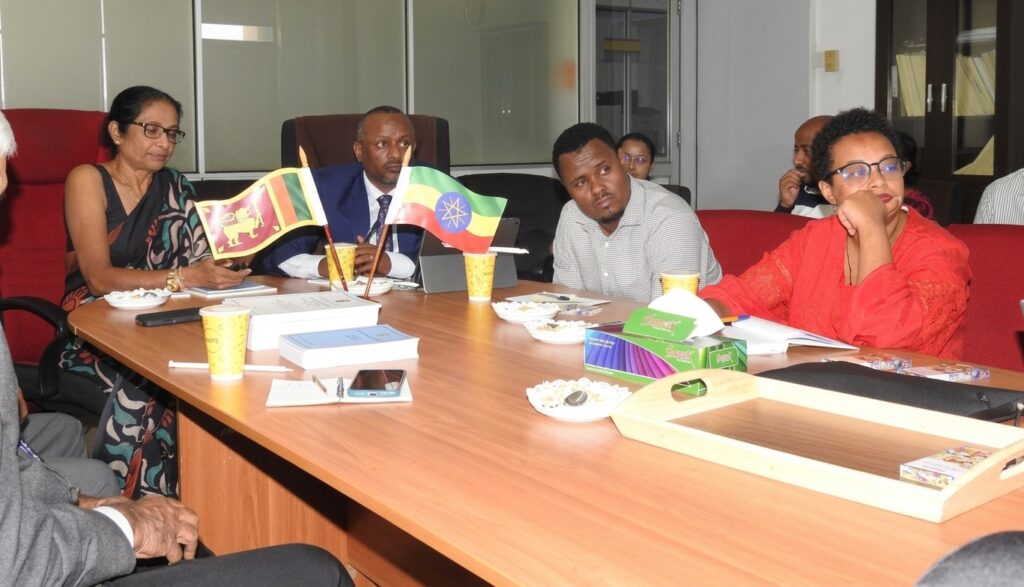
Furthermore, through consultations with the UN, CSOs, and international Partners, including the International Center for Transitional Justice (ICTJ), Legal Action Worldwide (LAW), and Asia Justice and Rights (AJAR), the delegation will hold discussions on ways of ensuring victim-centered TJ process.
The delegation includes the Director and Coordinators of the EHRC’s Transitional Justice Department, Heads of Jigjiga and Jimma City Offices, as well as stakeholders from the Ministry of Justice and the federal Supreme Court.
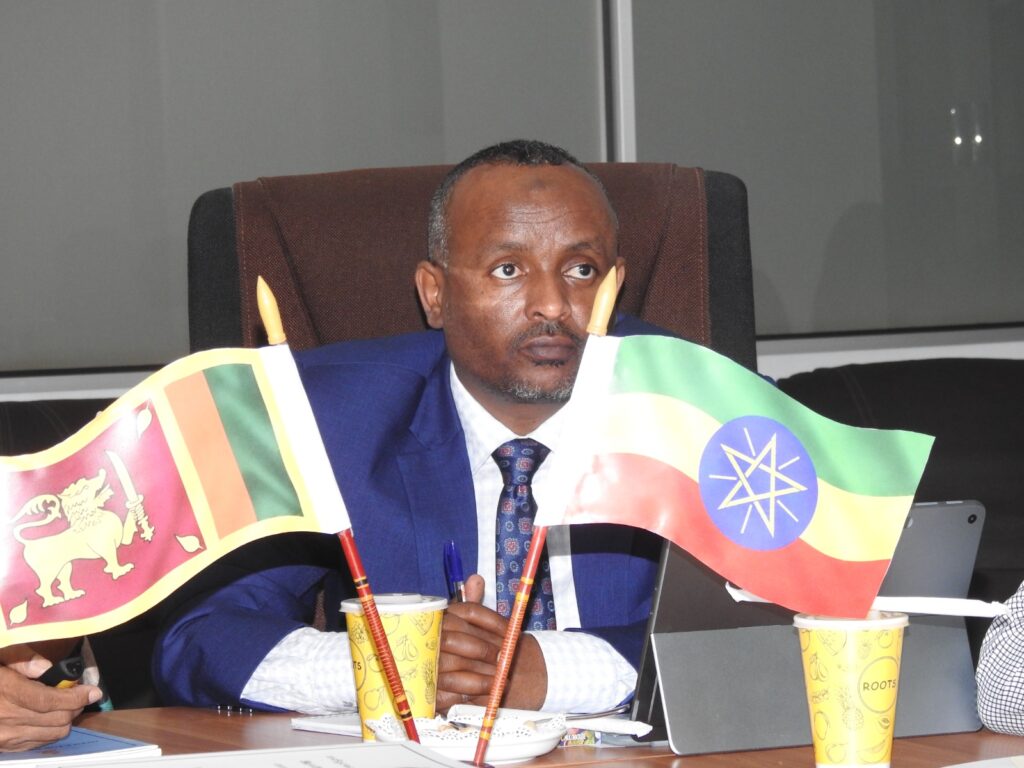
Speaking at the opening of an experience-sharing visit, the Mohammed Ahmed, EHRC Commissioner for Disability Rights and Rights of Older Persons, highlighted Ethiopia’s deep social and cultural diversity, noting that home to over 80 ethnic groups and distinct languages, the nation shares a rich multi-ethnic fabric similar to Sri Lanka.
The Commissioner further noted that the delegation will synthesize key insights from the visit, utilizing them as essential input to render the country’s transitional justice process more inclusive, ensure accountability, and foster national reconciliation.