

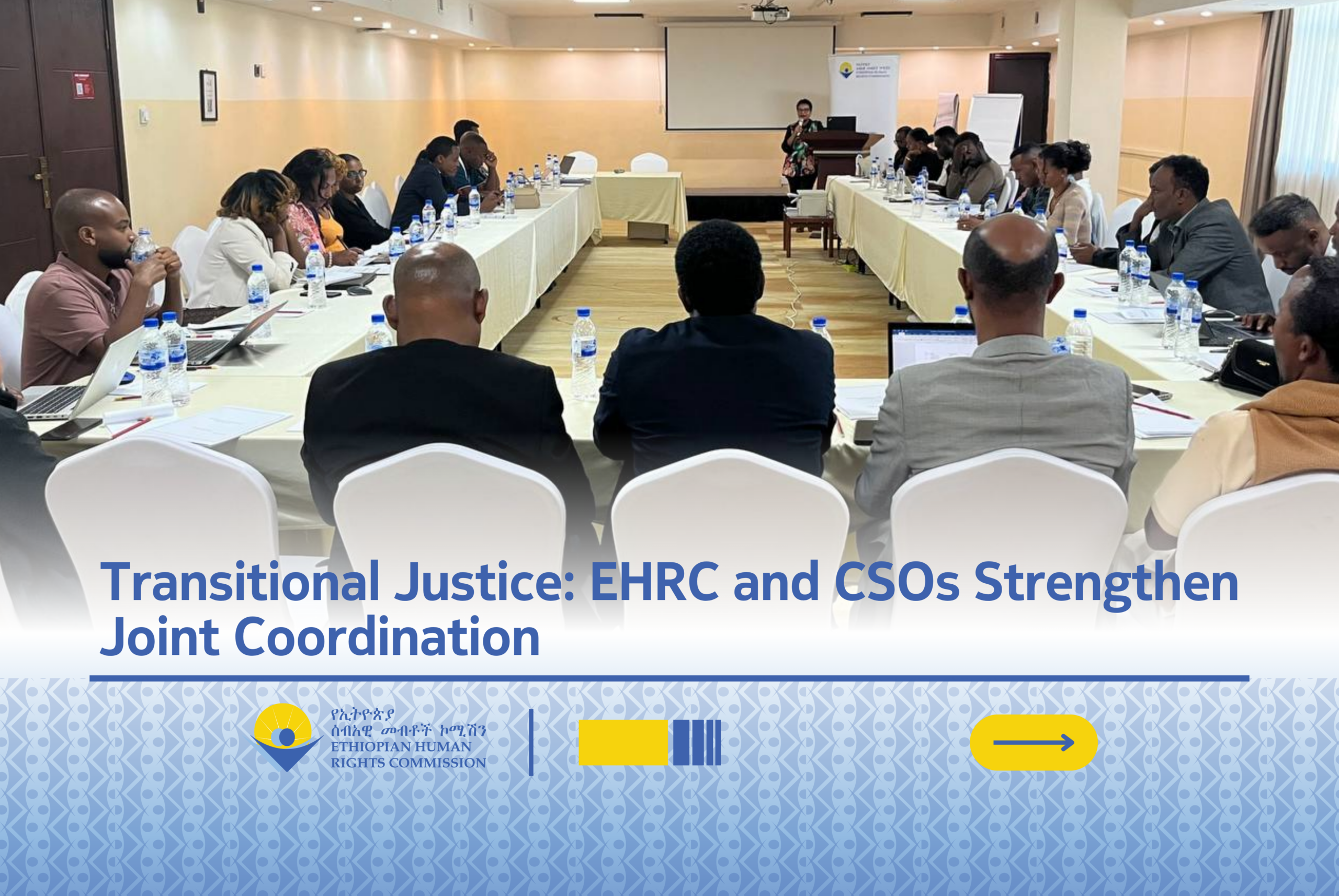
The Ethiopian Human Rights Commission (EHRC) brought together members of the EHRC-CSO Coordination Platform, Transitional Justice (TJ) sub-group in Addis Ababa on September 30, 2026, to share updates on members’ TJ-related engagements, plan joint activities, and assess civil society organisations’ training needs in accordance with the sub-group’s annual activity plan.
Effective civil society participation is an indispensable component of an inclusive, credible, and victim-centered transitional justice process. The TJ sub-group provides a platform for civil society actors to exchange information, align strategies, avoid operational redundancy, and contribute systematically to policy dialogues. Strengthening the knowledge, skills, and strategic readiness of CSOs across all regions ensures that Ethiopia’s transitional justice trajectory remains participatory and grounded in human rights principles.
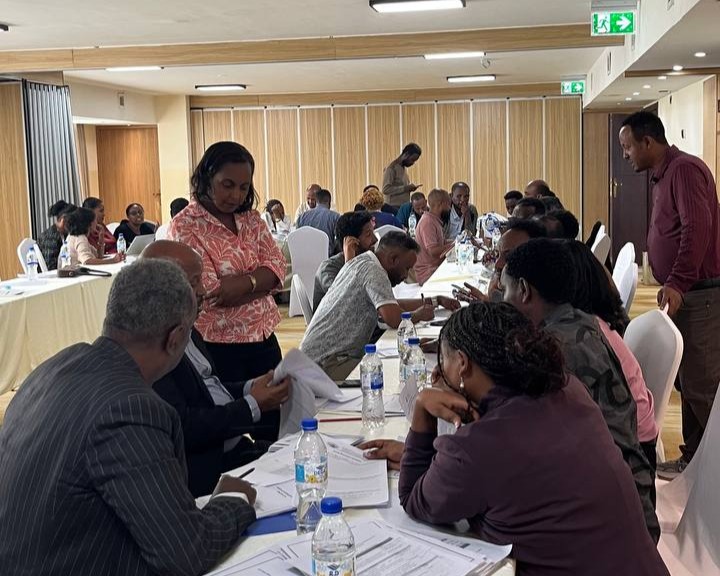
Established in 2020, the EHRC-CSO Coordination Platform facilitates structured dialogue and sustainable collaboration between EHRC and CSOs working on human rights. Co-chaired by the EHRC and the Transitional Justice Consortium Ethiopia (TJC-E), the platform’s TJ sub-group brings together civil society actors engaged or interested in national TJ processes. This initiative advances EHRC’s statutory mandate to foster inter-institutional synergy and champion grassroots inclusion within key national human rights mechanisms.
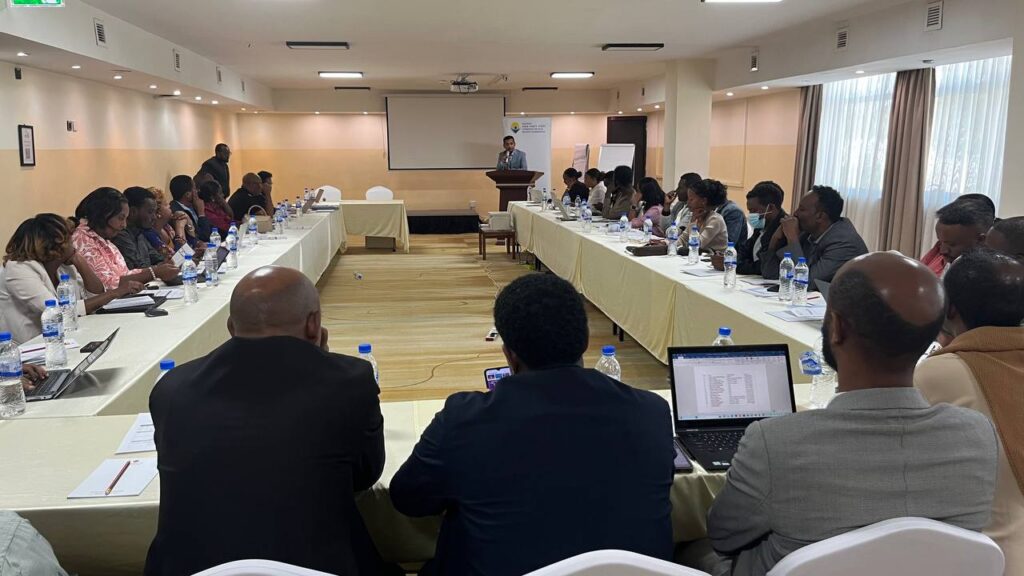
The meeting marked a major milestone for the platform, with active membership increasing to 41 organizations. Notably, representation expanded to include regional CSOs from Afar, Amhara, and Tigray, alongside Addis Ababa-based organizations. This increased participation demonstrates growing institutional trust in the platform and expands opportunities for diverse regional perspectives to shape Ethiopia’s transitional justice landscape.
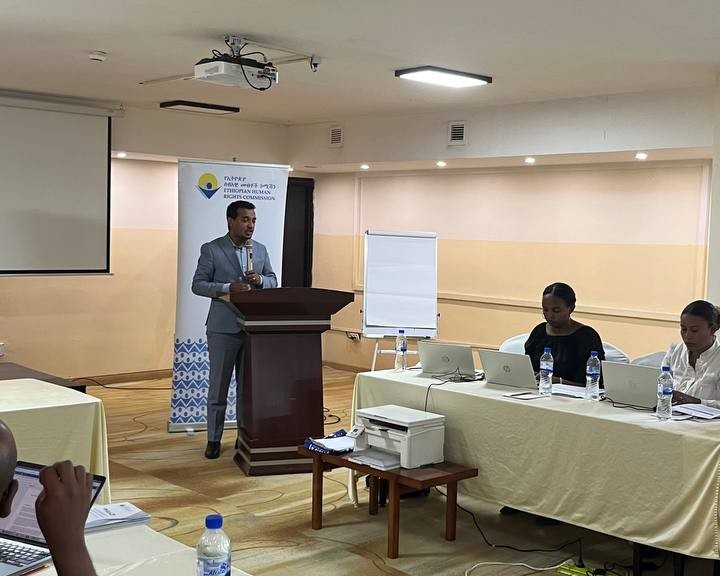
The programme featured an expert briefing on Ethiopia’s TJ process and key milestones, followed by an interactive discussion. Member organizations presented their ongoing and upcoming initiatives, enabling the platform to align activities and foster joint programming. Additionally, participants collaborated on designing the sub-group’s joint action plan and implementation timeline for the 2019 EFY.
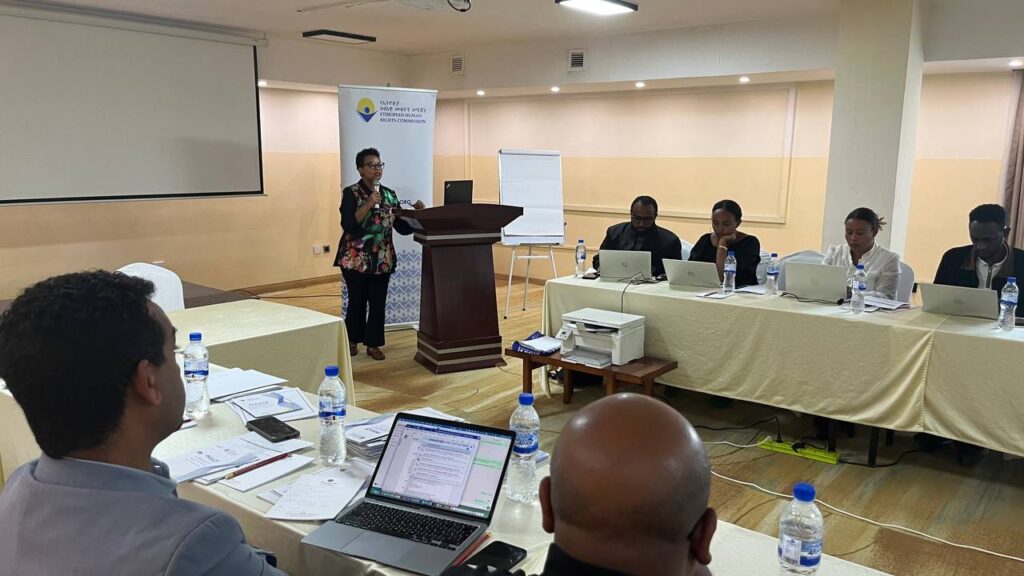
The key highlight of the meeting was the presentation of EHRC’s specialized transitional justice training manual for civil society. Participants engaged in structured group discussions to review the training package’s content, techniques, and relevance. The feedback collected during this needs assessment will directly inform the refinement of the manual and guide future capacity-building programs tailored to the emerging priorities of civil society organizations across the country.