

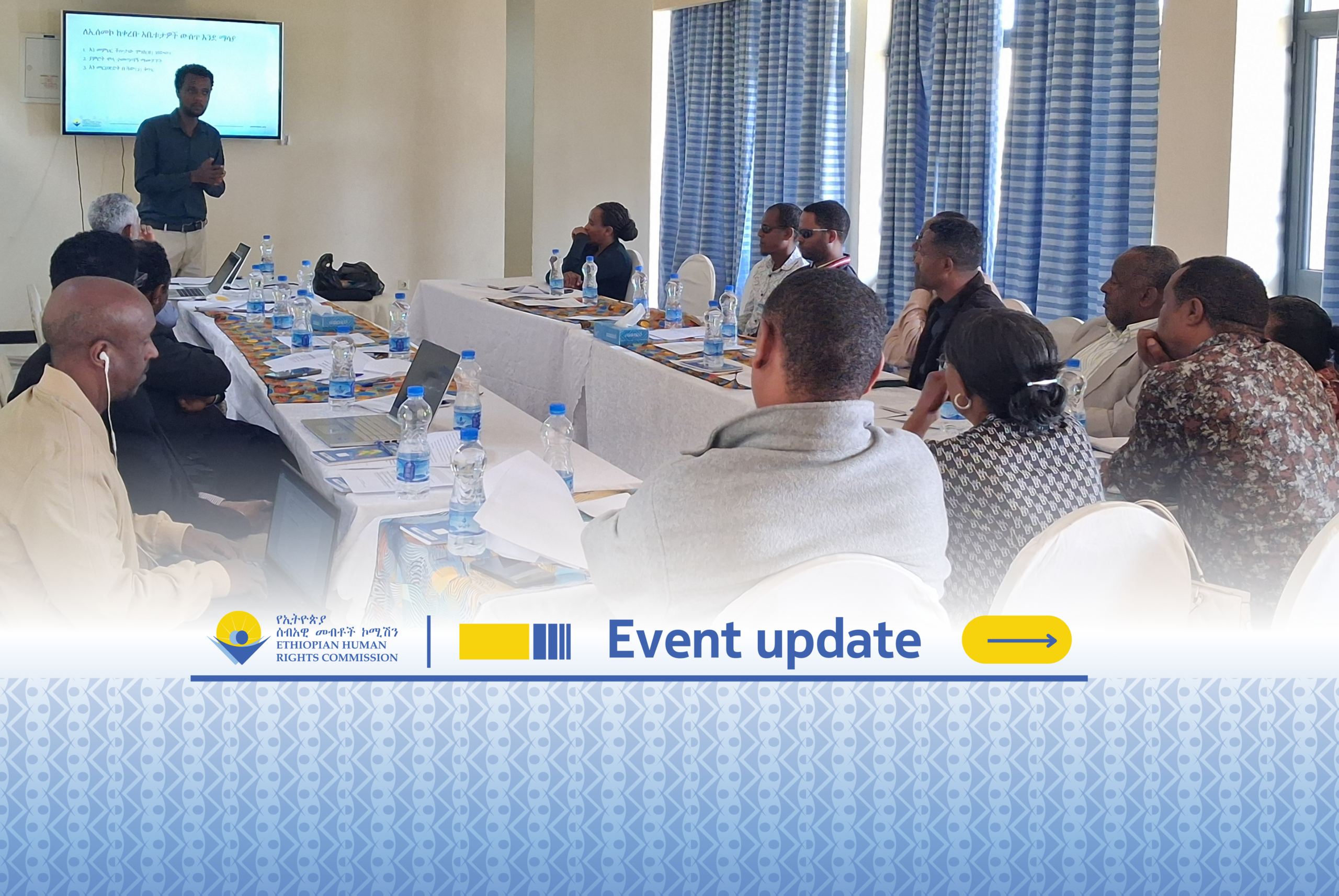
The Ethiopian Human Rights Commission (EHRC) conducted a consultative discussion on January 30, 2026, in Bahir Dar, aimed at strengthening the protection of the right to work of persons with disabilities in the Amhara region by addressing challenges they face during recruitment process. The discussion brought together officials and experts from the Amhara Regional Council, the Bureau of Civil Service and Human Resource Development; the Justice Bureau; the Women, Youth and Social Affairs Bureau; the Labor and Skills Bureau; the Office of the Regional President, and representatives of other governmental and non-governmental institutions.
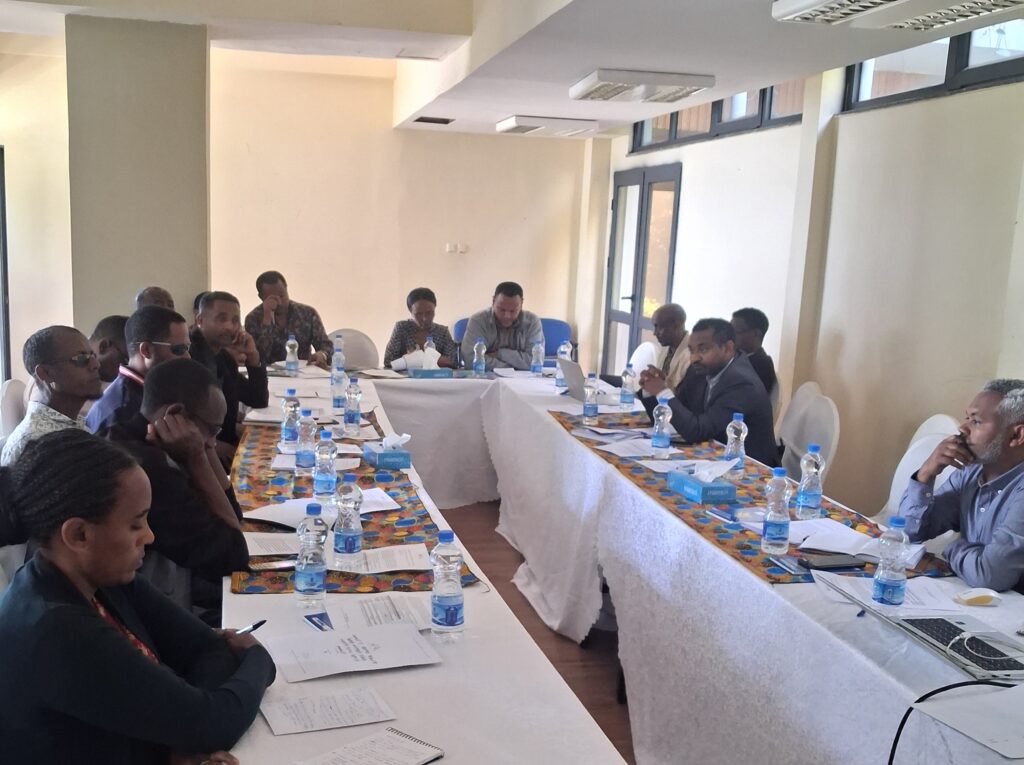
The consultation featured discussions on the nature of employment rights of persons with disabilities, the obligations of the state in ensuring these rights, and the challenges faced by persons with disabilities during recruitment and hiring processes. Recurring complaints submitted to EHRC concerning violations of the right to work of persons with disabilities were also presented during the discussion and potential remedial measures were explored.
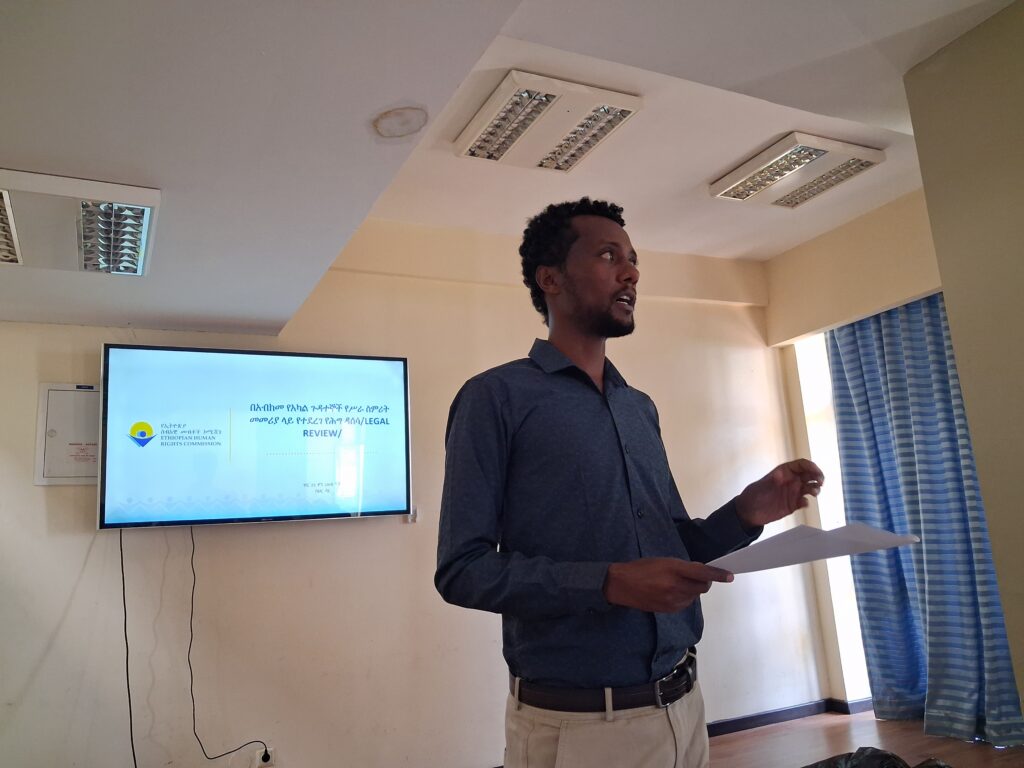
The complaints highlighted during the discussion included the exclusion of persons with disabilities from registering for job competitions, their disqualification after registration, and the failure to provide reasonable accommodation after recruitment. A legal review of ‘the Amhara Regional State’s Directive to Provide for the Right to Employment of Persons with Disabilities No. 12/2021,’ which aims to facilitate the placement of job seekers with disabilities across government institutions, was also presented to the participants.
It was noted as a positive development that the directive addresses the multifaceted challenges faced by persons with disabilities and is effectively benefiting them in practice. On the other hand, several gaps in the directive were also identified, including provisions prone to restrictive interpretation, the exclusion of certain types of disabilities recognized under the UN Convention on the Rights of Persons with Disabilities (CRPD), as well as granting employing institutions and their human resource departments the discretion to determine which job positions are suitable or unsuitable for persons with disabilities. Such discretion may lead to inconsistent implementation and create loopholes that could further restrict the rights to work and employment of persons with disabilities.
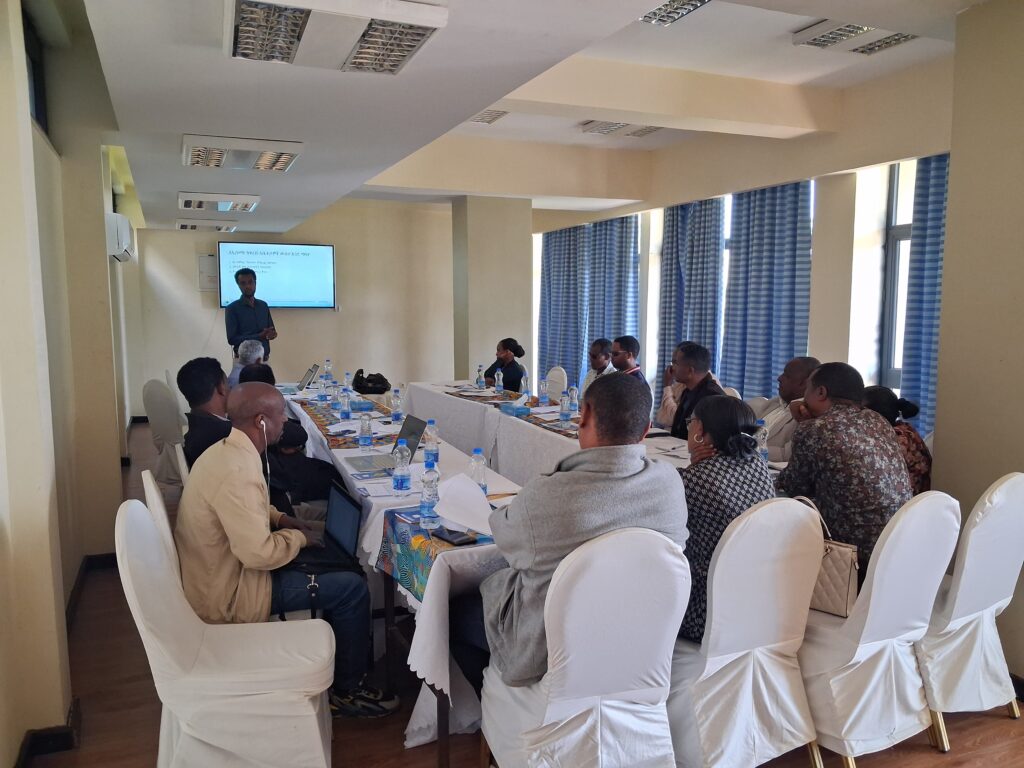
Considering the identified gaps, the discussion emphasized that the directive’s definition of a ‘person with a disability’ must be revised to explicitly recognize additional types of disabilities. It was also underscored that the identification of suitable job positions should be based on comprehensive studies aligned with other national laws and international standards. Furthermore, establishing a strong accountability mechanism and organizing awareness-raising programs were highlighted as essential measures for the effective implementation of the directive.
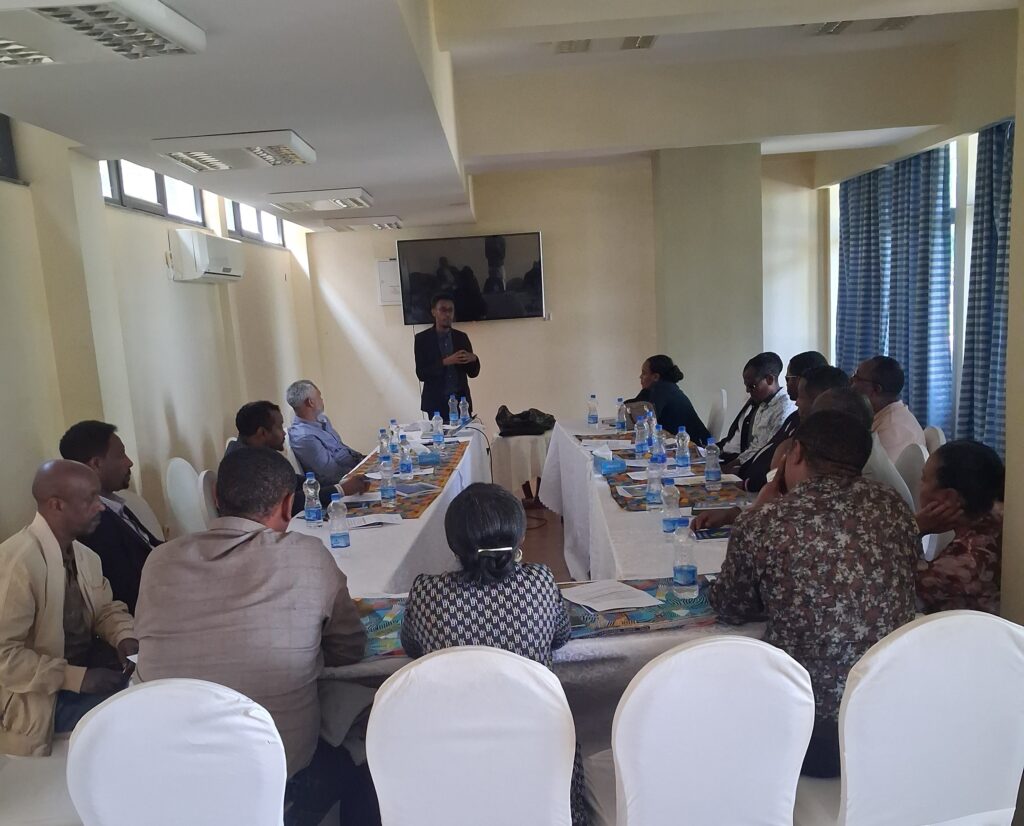
Tibebu Hailu, Director of Disability Rights and Rights of Older Persons at EHRC, noted that while a robust legal framework is essential for safeguarding the right to work of persons with disabilities, the directive prepared by the Region’s Bureau of Civil Service and Human Resource Development represents a promising initiative. He urged all stakeholders to take into account the issues raised during the discussion and undertake further studies to facilitate amendments to the directive so that it effectively guarantees the rights of persons with disabilities. He further noted that, drawing lessons from the Amhara Regional State’s experience, EHRC will strengthen its efforts to promote the development of similar legal frameworks in other regional states to better ensure the rights of persons with disabilities.