

The Ethiopian Human Rights Commission (EHRC) held a consultative forum in Addis Ababa on March 27, 2026, regarding the accessibility of free legal aid services for refugees, asylum seekers, and IDPs. The forum aimed to assess the operational status of university-based free legal aid centers, identify challenges and opportunities and facilitate conditions for future collaboration.
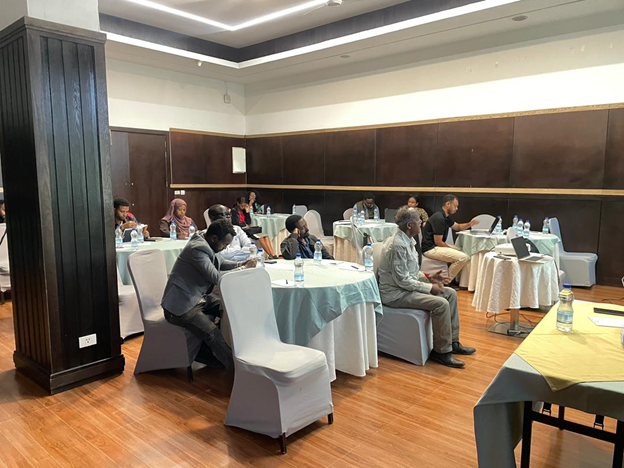
The consultation brought together representatives from free legal aid centers at Addis Ababa, Arba Minch, Assosa, Debark, Gambella, Jigjiga, Mekelle, and Samara universities, as well as from the Ministry of Women and Social Affairs, the United Nations High Commissioner for Refugees (UNHCR) and other international and national non-governmental organizations (NGOs).
The forum featured a discussion on the key findings of EHRC’s monitoring regarding the right of refugees and asylum seekers to access justice. Among these, language barriers, information and awareness gaps, and remoteness of shelters from courts and free legal aid centers were cited as primary challenges. In particular, the budget cuts for free legal aid which has hindered sustainability of initiatives such as mobile courts, was raised as a major concern.
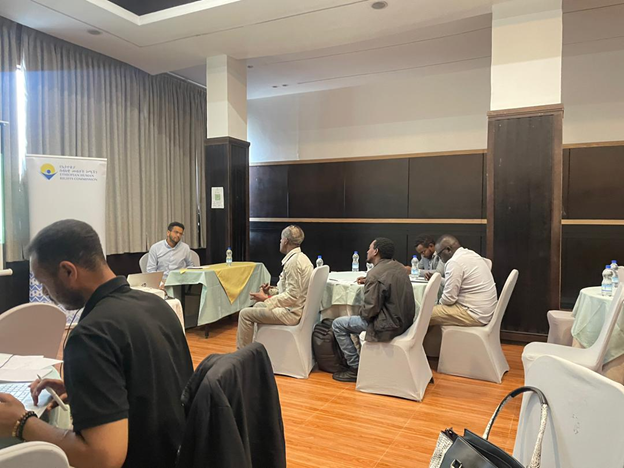
Participants pointed out that budget shortages, weak inter-institutional cooperation, capacity limitations of legal aid providers, and unequal accessibility of services across all regions have been significant obstacles. They particularly noted that the limited attention given to displacement-affected populations and the absence of organized structures that represent their needs are major bottlenecks to the accessibility of free legal aid services.
On the other hand, it was noted that although there are encouraging initiatives, such as strengthening of refugee-led associations, expansion of digital IDs, and establishment of joint institutional committees, further coordinated measures are required to ensure comprehensive access to justice.
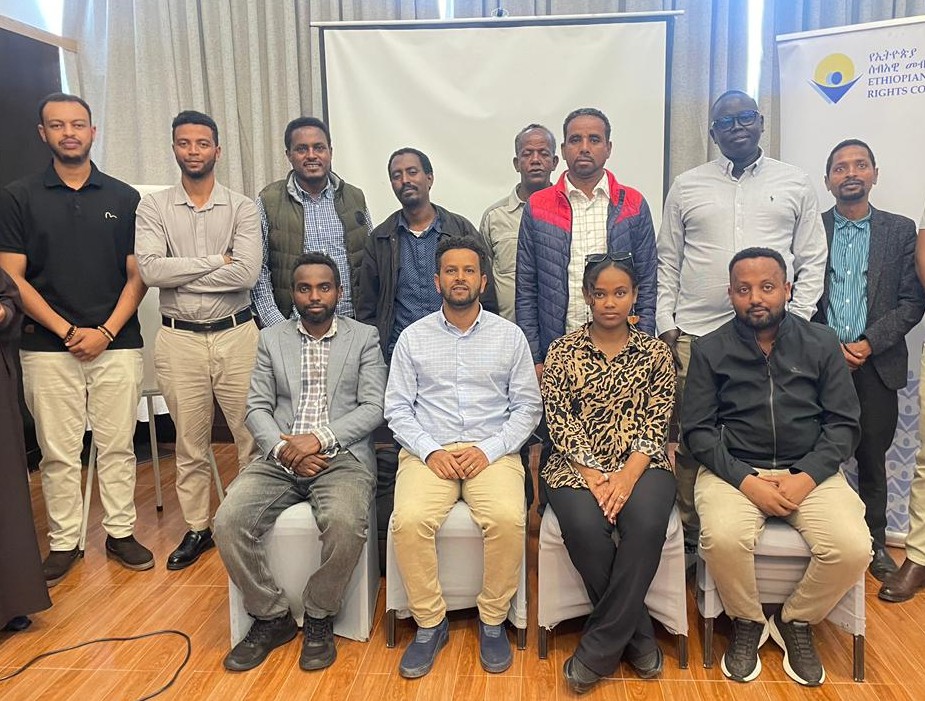
Mehreteab Gebremeskel, Director of the Department for the Rights of IDPs, Refugees, and Migrants at EHRC, stated that sustained cooperation between institutions is essential to ensure access to justice and legal aid services for IDPs, refugees, and asylum seekers. He further noted that because the challenges faced by IDPs, refugees, and asylum seekers are dynamic and complex, they require a human rights-based response.