

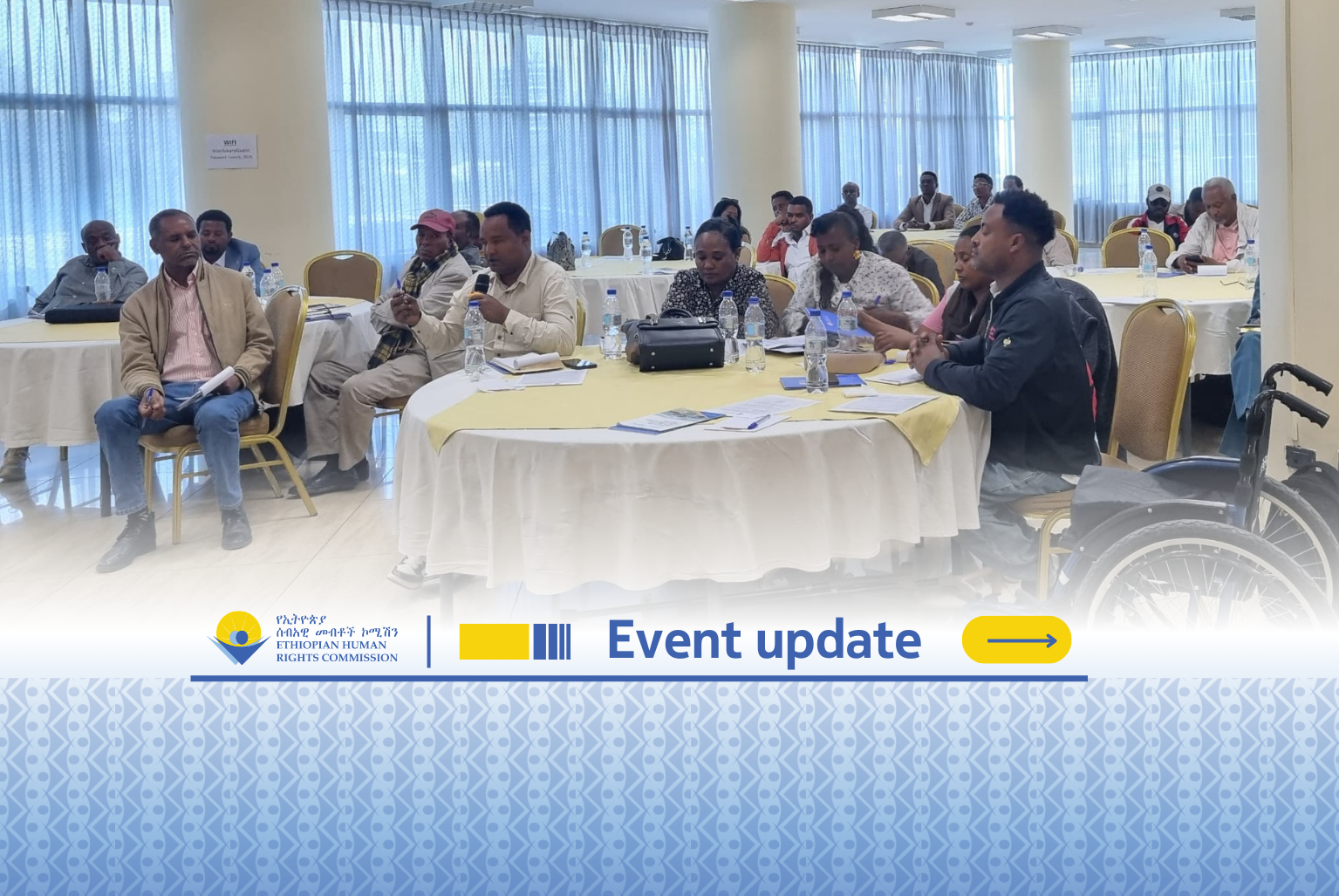
The Ethiopian Human Rights Commission (EHRC) convened a consultation workshop in Addis Ababa on February 26, 2026, with stakeholders to discuss findings and recommendations from its human rights monitoring on the accessibility and quality of Safety Net services for older persons. The monitoring was conducted in selected cities, woredas, and kebeles located in the Afar, Amhara, Oromia, Somali, and Tigray regions, as well as in the Dire Dawa City Administration.
The consultation brought together officials and representatives from the Ministry of Women and Social Affairs, the Ministry of Urban and Infrastructure, and the Ministry of Agriculture; Social Affairs, Urban and Infrastructure, and Agriculture bureaus of the regions where the monitoring was conducted; representatives of older persons’ associations; and other relevant stakeholders.
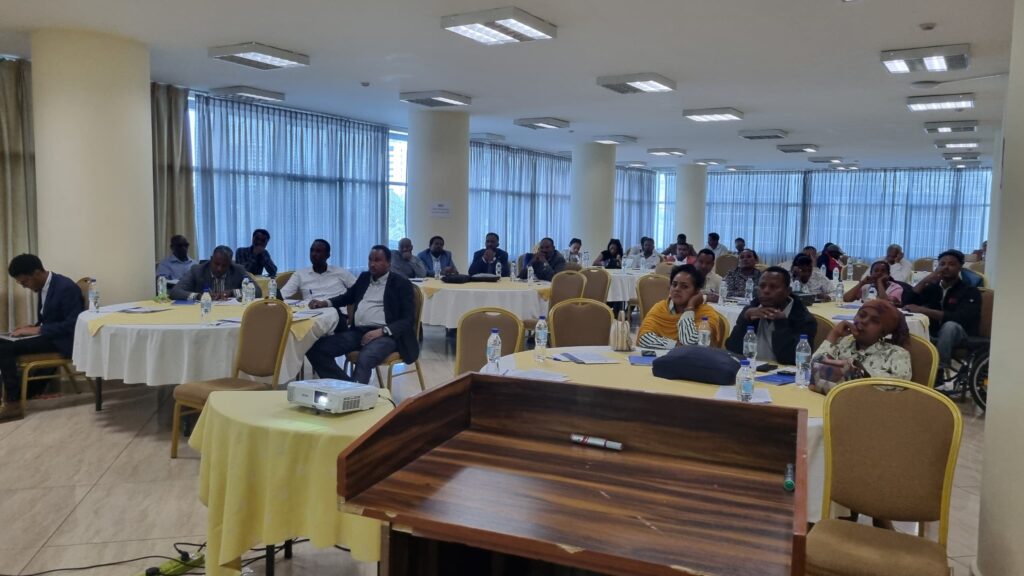
During the consultation, key achievements, areas of concern, and recommendations identified through EHRC’s monitoring were presented and discussed. Participants also shared measures undertaken by their respective institutions to improve the accessibility of Safety Net services for older persons in fulfilment of their right to social security, as well as the challenges encountered in this regard.
Positive practices highlighted during the discussion included the inclusive composition of beneficiary selection committees, involving government and community representatives; the inclusion of some older persons in health insurance schemes; and participatory approaches in assessing beneficiaries’ economic status, which consider local contexts and living conditions.
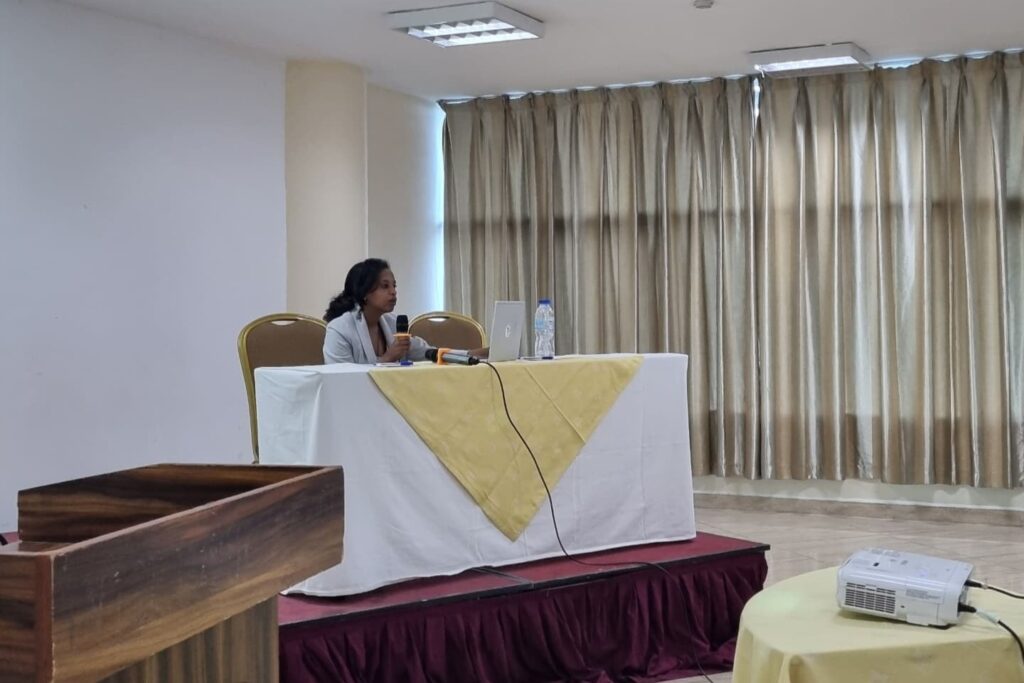
On the other hand, challenges were identified, including limited awareness among older persons about the Safety Net program, its implementation procedures, and complaint-handling mechanisms; delays and inconsistencies in payments in some areas; limited participation of older persons’ associations in the screening, selection, and implementation processes; lack of accessible information for non-literate older persons, particularly those with visual and hearing impairments; and gaps in monitoring and oversight frameworks.
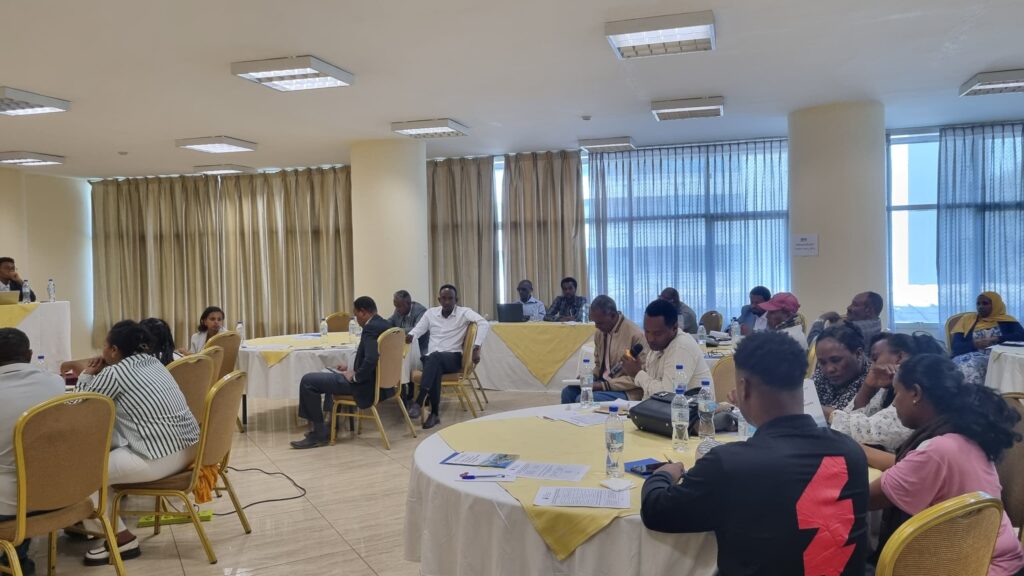
Participants emphasized the need to increase human and financial resources to strengthen monitoring and support of remote and rural areas to address implementation gaps. They also underscored the importance of developing solutions that take into account beneficiaries whose payments were interrupted due to conflict; as well as facilitating the integration of the Community-Based Health Insurance (CBHI) system into the program.
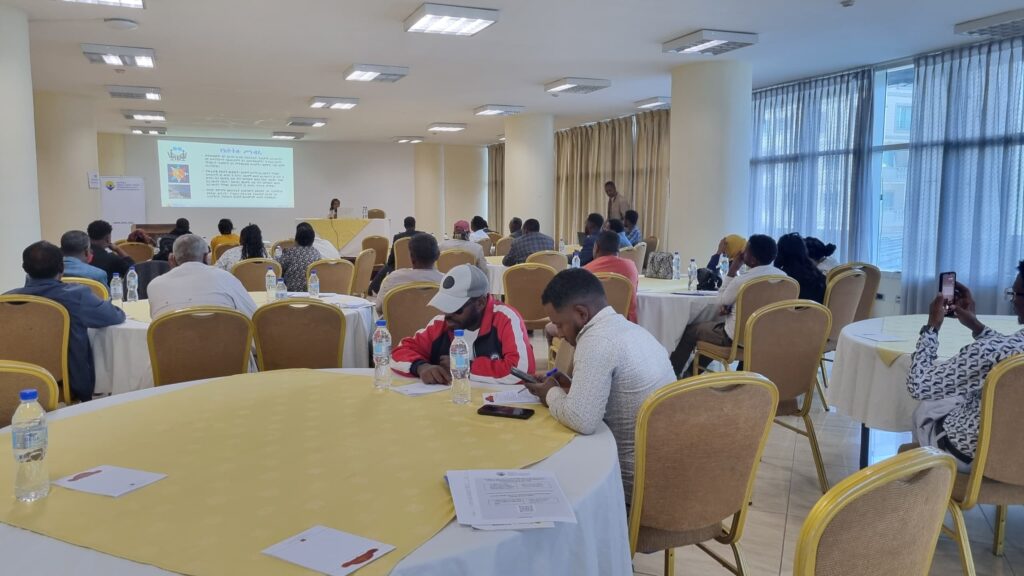
By the end of the consultation, participants developed action plans within their respective institutional mandates to implement the recommendations put forward by EHRC.
Tibebu Hailu, Director of Disability Rights and Rights of Older Persons Department at EHRC, emphasized that the Safety Net program plays a crucial role in addressing the multifaceted vulnerabilities faced by older persons and other groups experiencing economic hardships. He stressed that efforts to fulfill the socio-economic rights of older persons must be strengthened by improving the program’s quality and accessibility. Furthermore, he called upon all stakeholders to work in cooperation to address the gaps identified and ensure the effective implementation of EHRC’s recommendations.