

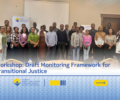
 It is necessary to strengthen the capacity of experts to independently monitor the transitional justice process
 ሪፖርት የማቅረብ ግዴታዎችን በወቅቱ መወጣት፣ ዓለም አቀፍ የሰብአዊ መብቶች ስምምነቶች አፈጻጸምን ለመገምገም ወሳኝ ነው
 The periodic discharge of reporting obligations is essential for assessing the implementation of international human rights treaties
 Strengthening partnerships with civil society organizations is essential to ensuring a victim-centered and human rights-based transitional justice process
 ተጎጂዎችን ያማከለ እና ሰብአዊ መብቶችን መሠረት ያደረገ የሽግግር ፍትሕ ሂደት እንዲኖር ከሲቪል ማኅበረሰብ ድርጅቶች ጋር ያለውን አጋርነት ማጠናከር ያስፈልጋል
 Effectively supporting the transitional justice process requires a comprehensive understanding of its core principles and contextual factors shaping its implementation
 The judiciary plays a critical role in transitional justice processes by ensuring accountability, upholding fundamental rights, and delivering independent and impartial justice
 Regional legislative, executive and judiciary bodies play a significant role in the promotion and protection of human rights, as well as the effective implementation of transitional justice in Ethiopia
 Strengthening evidence-based policymaking and inclusive dialogue are essential to advancing an effective, victim-centred, and human rights-compliant transitional justice process in Ethiopia
 በኢትዮጵያ ውጤታማ፣ ተጎጂዎችን ማዕከል ያደረገ እና ሰብአዊ መብቶችን ያከበረ የሽግግር ፍትሕ ሂደትን ተግባራዊ ለማድረግ፤ በማስረጃ ላይ የተመሠረተ የፖሊሲ ዝግጅት እና አካታች ውይይቶችን ማጠናከር አስፈላጊ ነው